Overall rating (best variant)
Safety ratings
2021 Chevrolet Camaro 2 DR RWD
- Lane departure warningNo
- Forward collision warningOptional
- Electronic stability controlStandard
2021 Chevrolet Camaro C RWD
- Lane departure warningNo
- Forward collision warningNo
- Electronic stability controlStandard
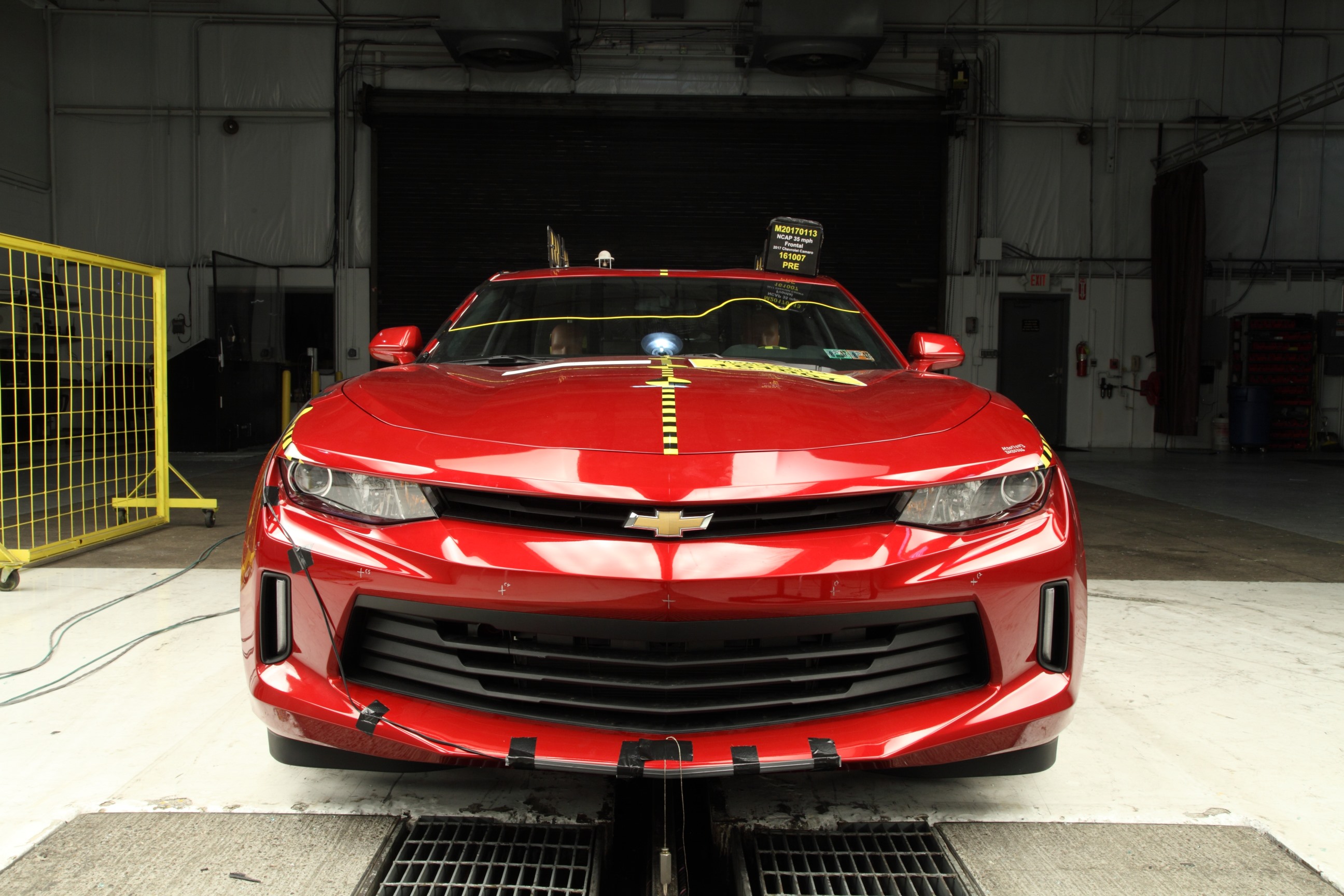
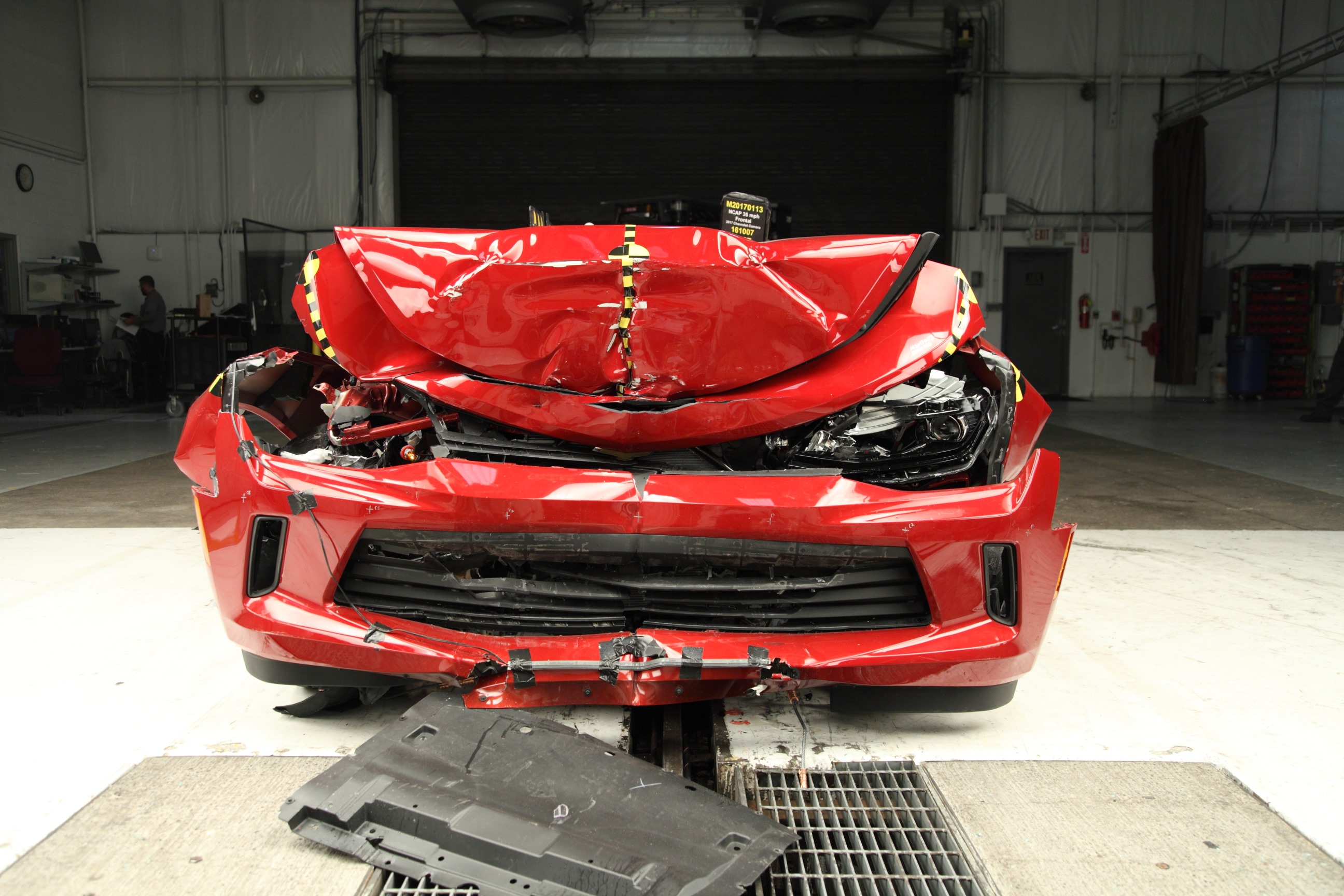
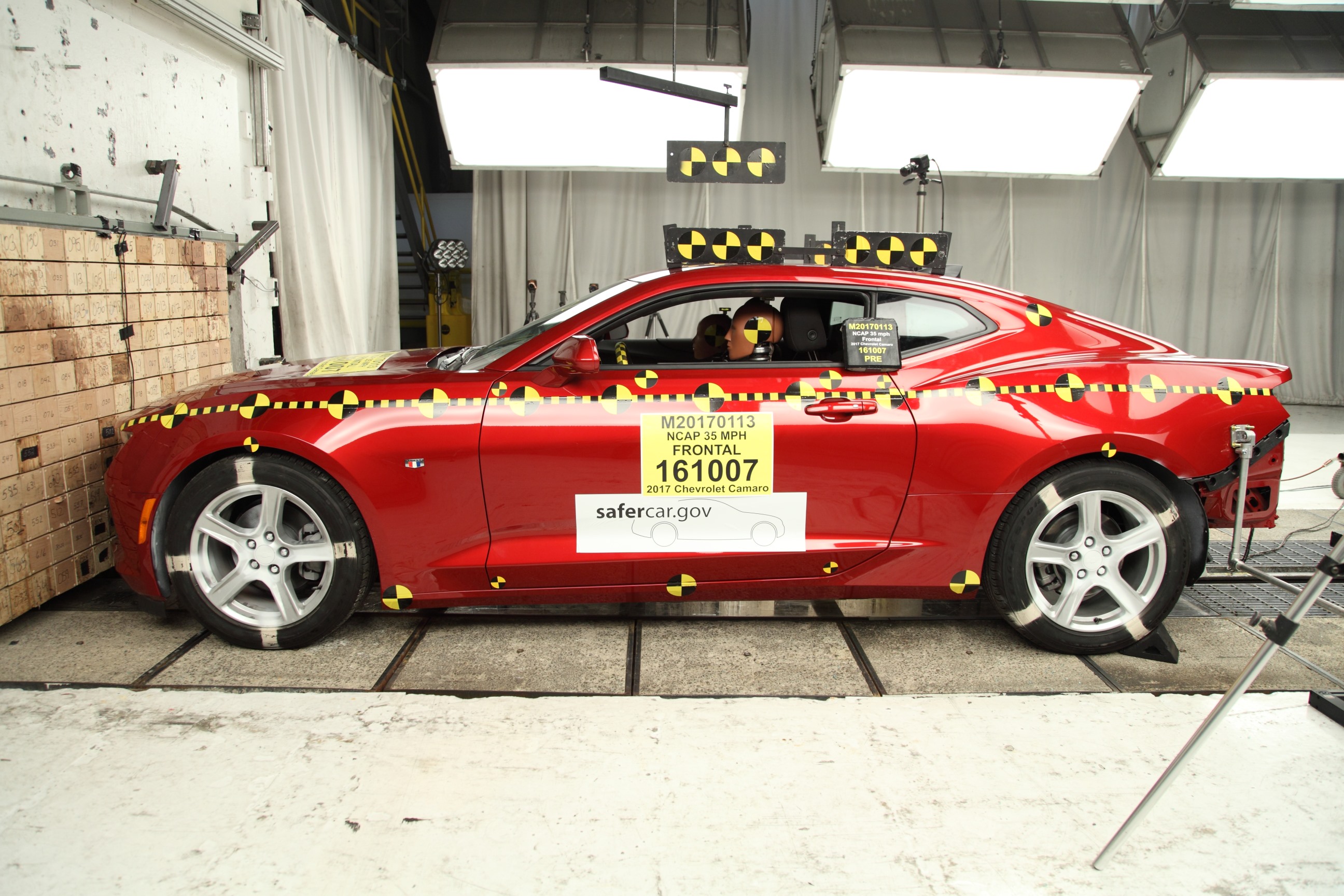
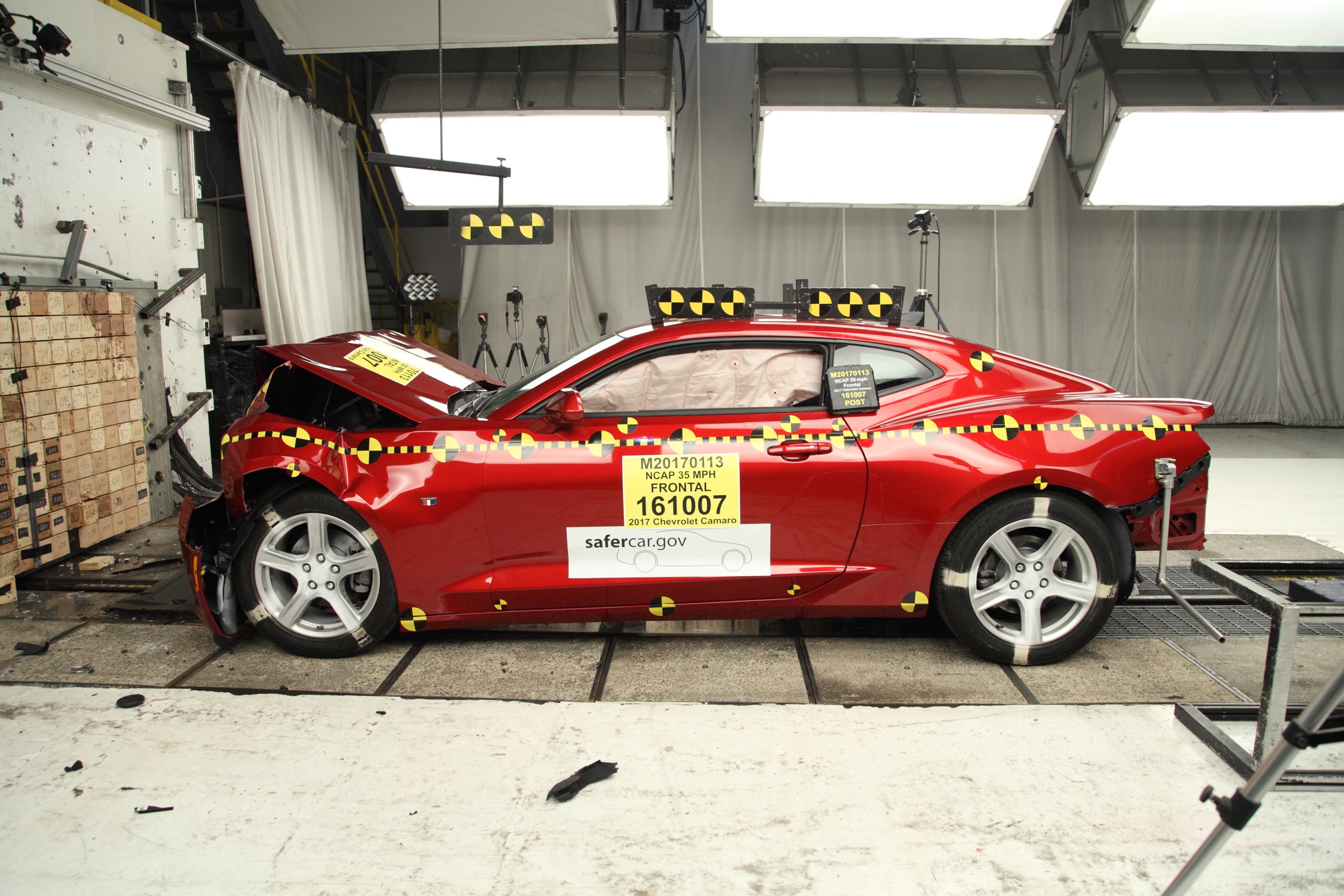
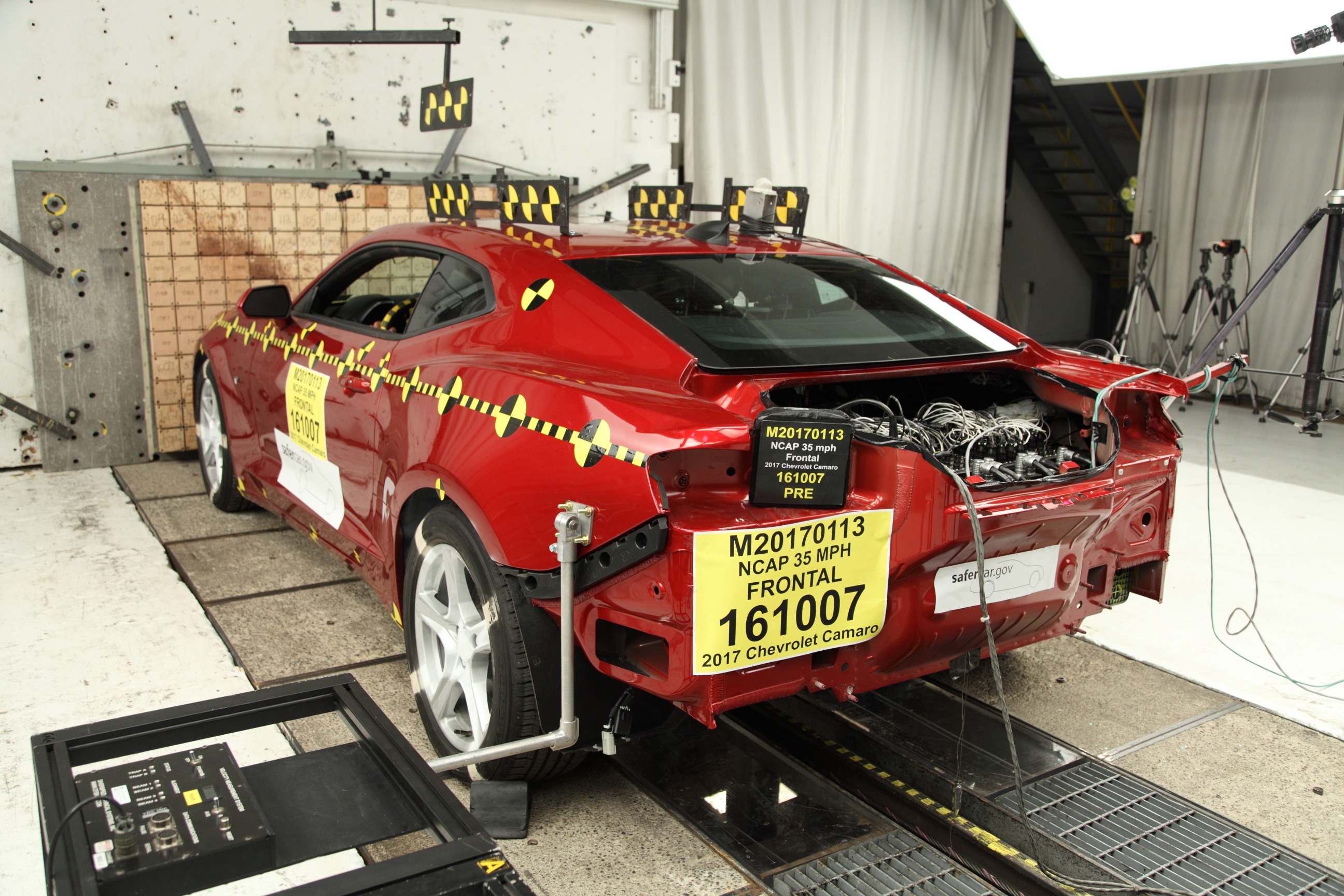
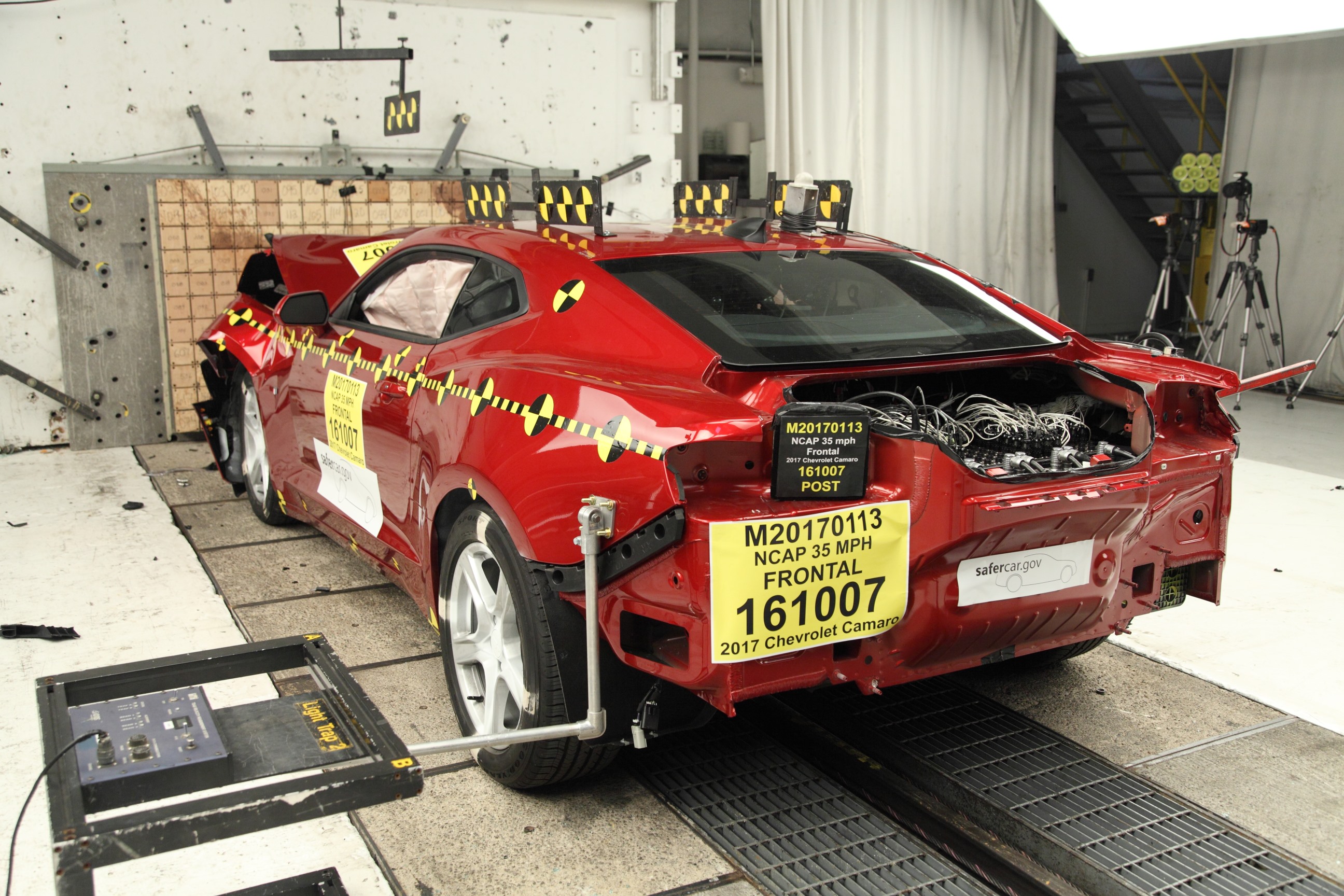
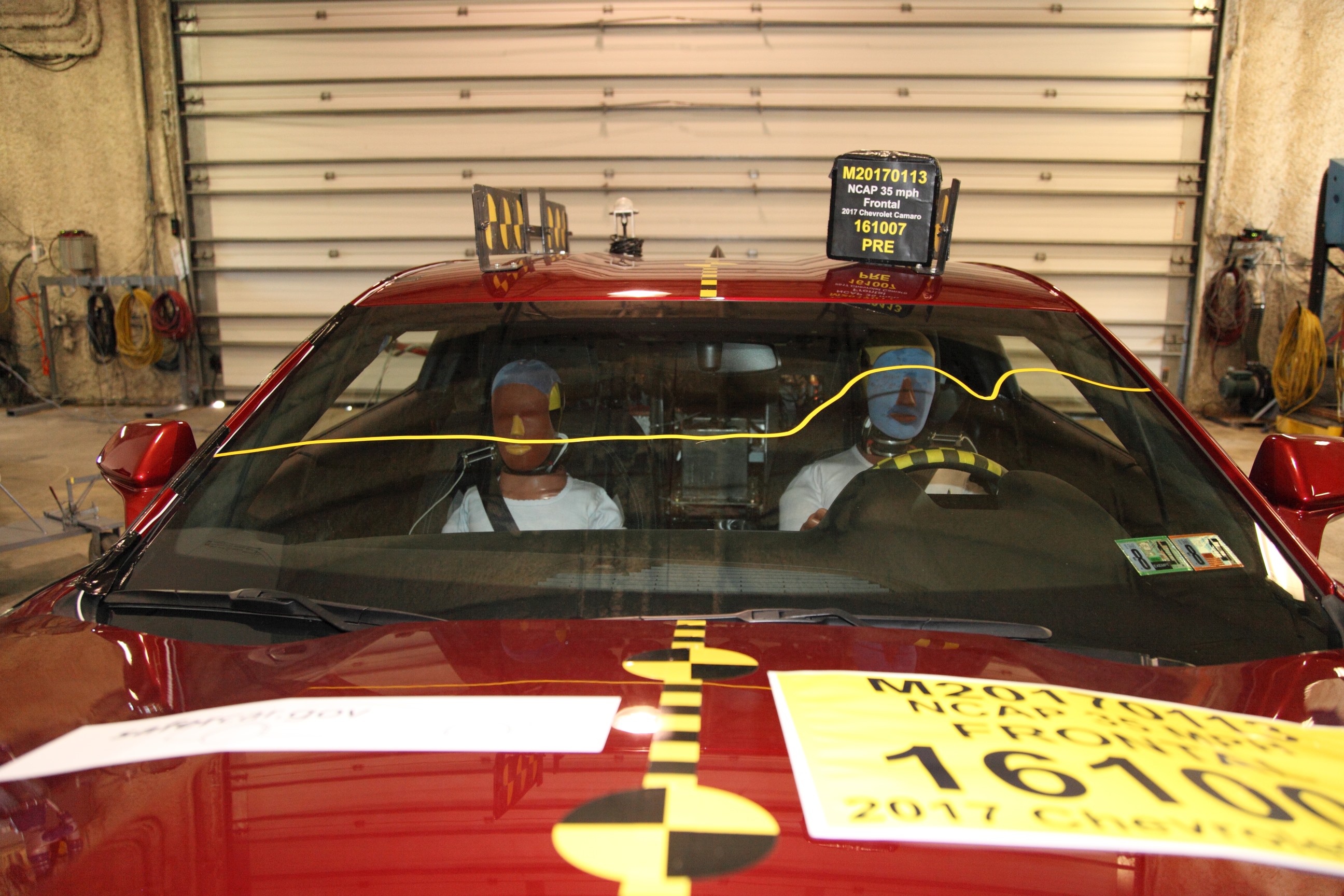
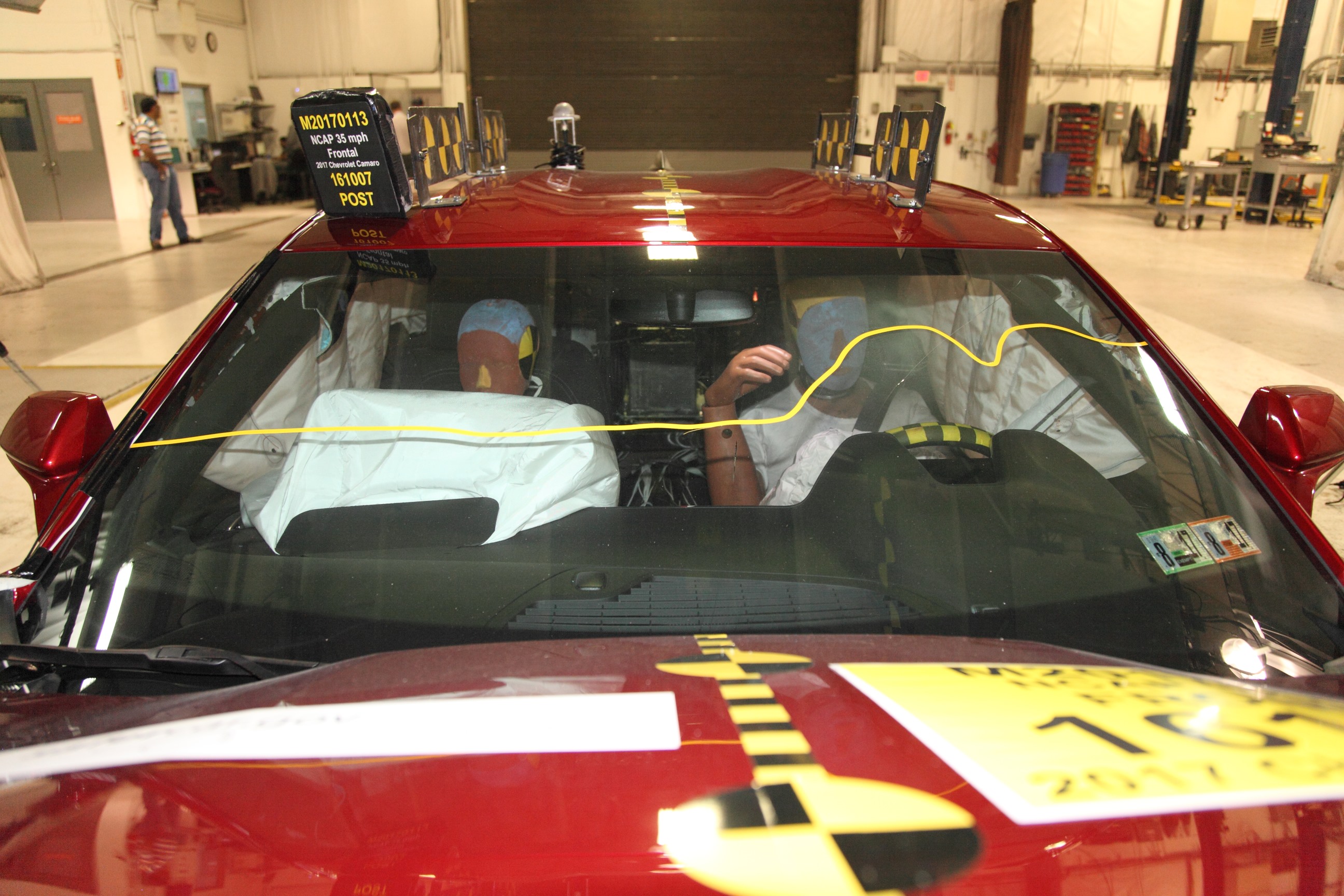
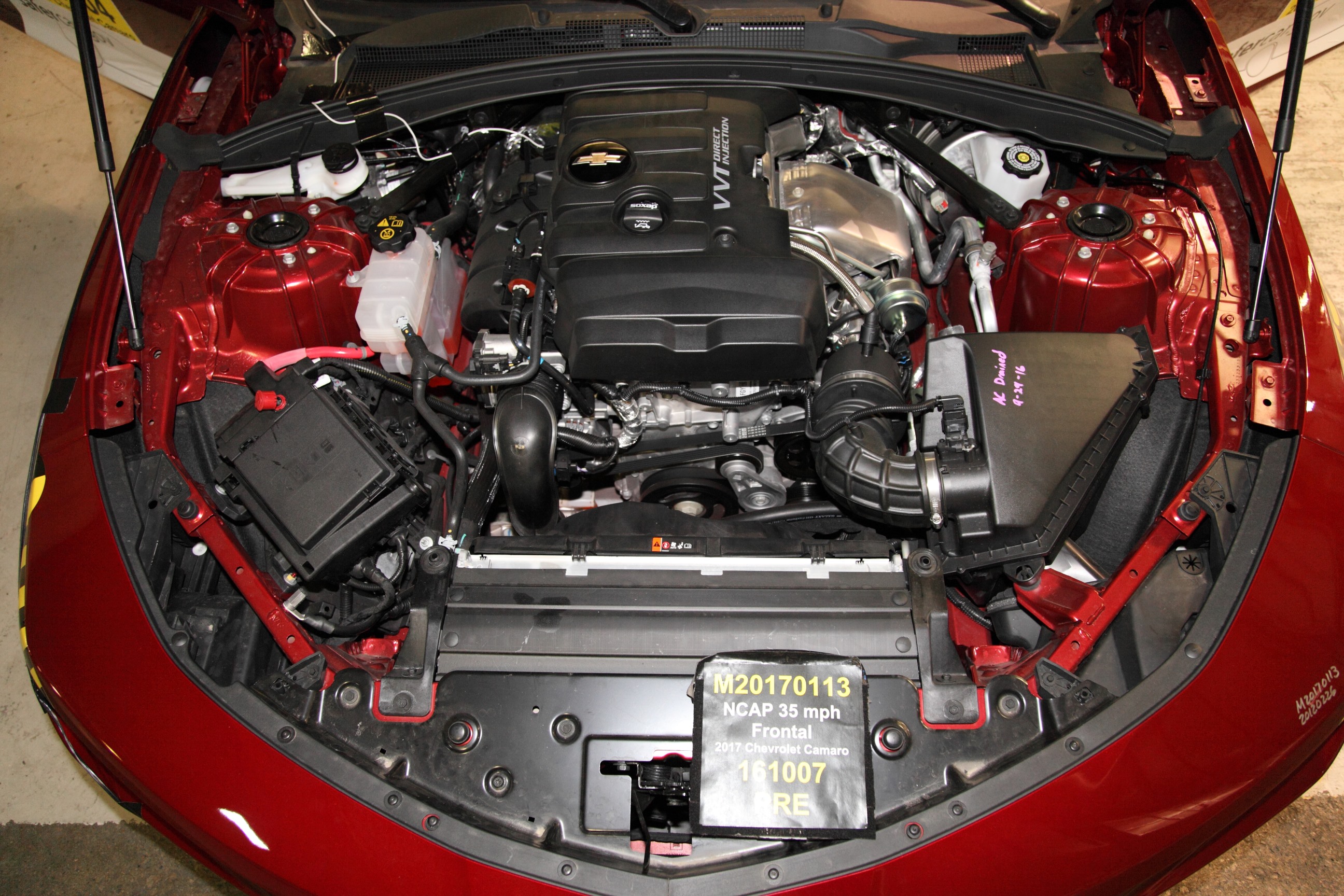
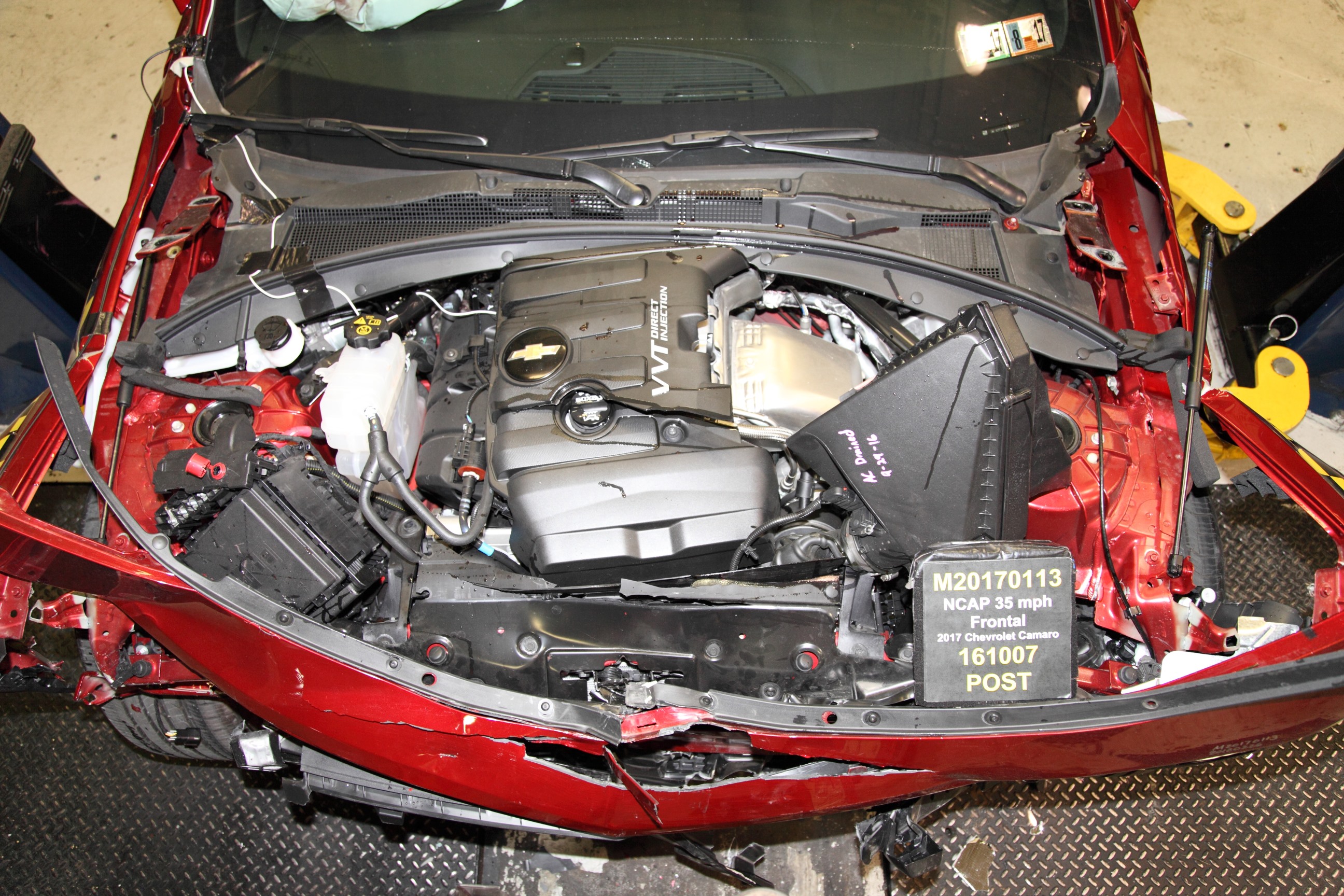
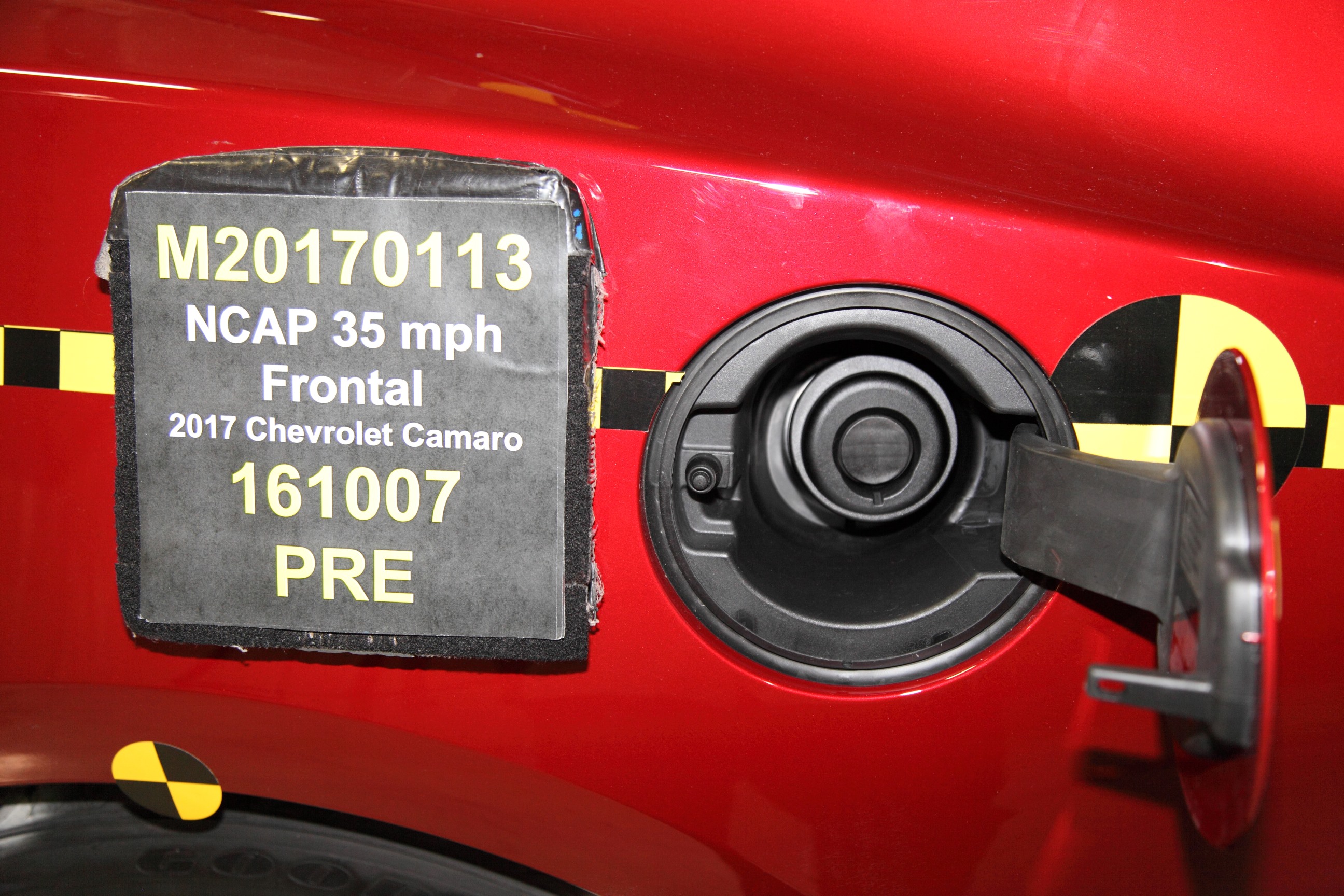
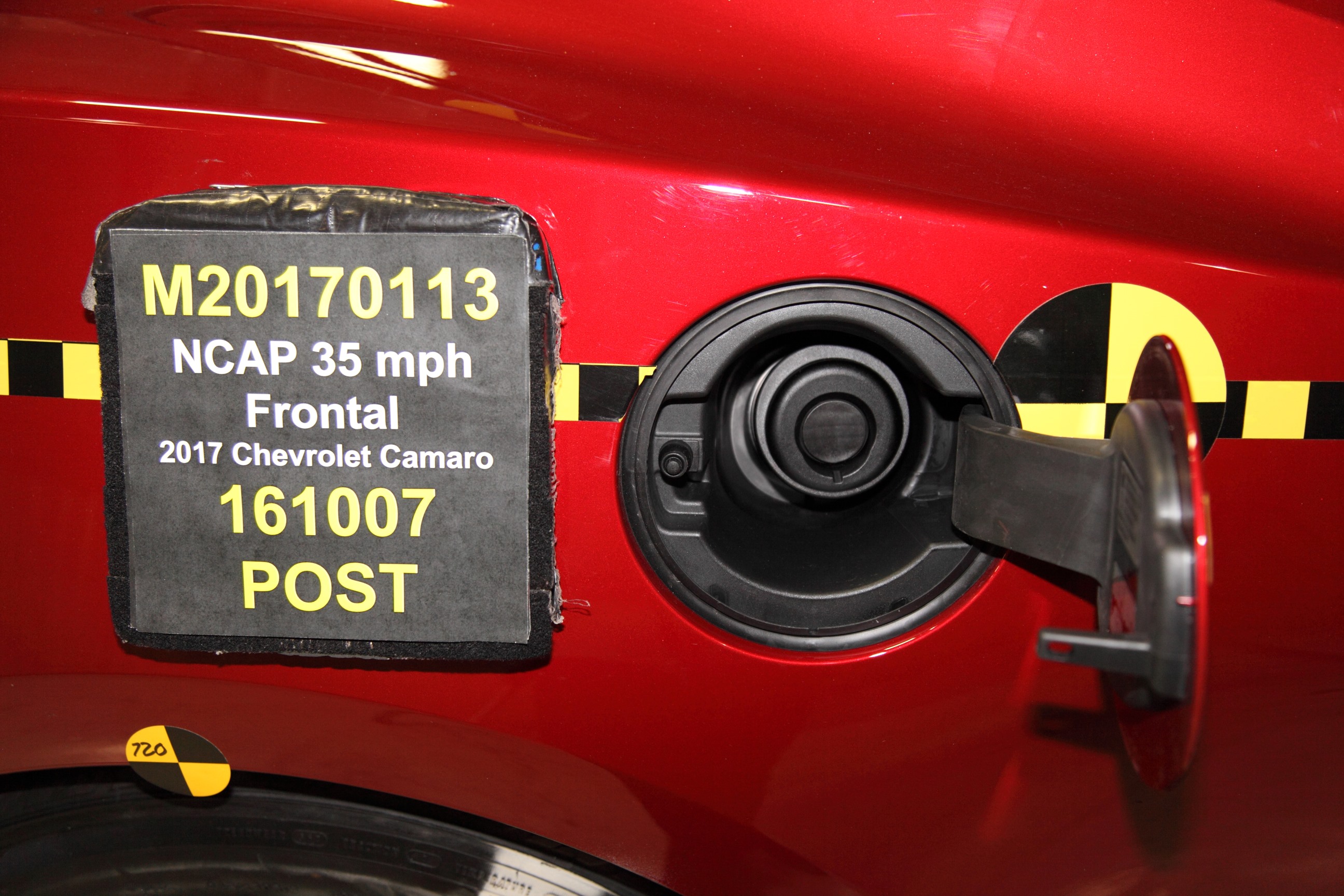
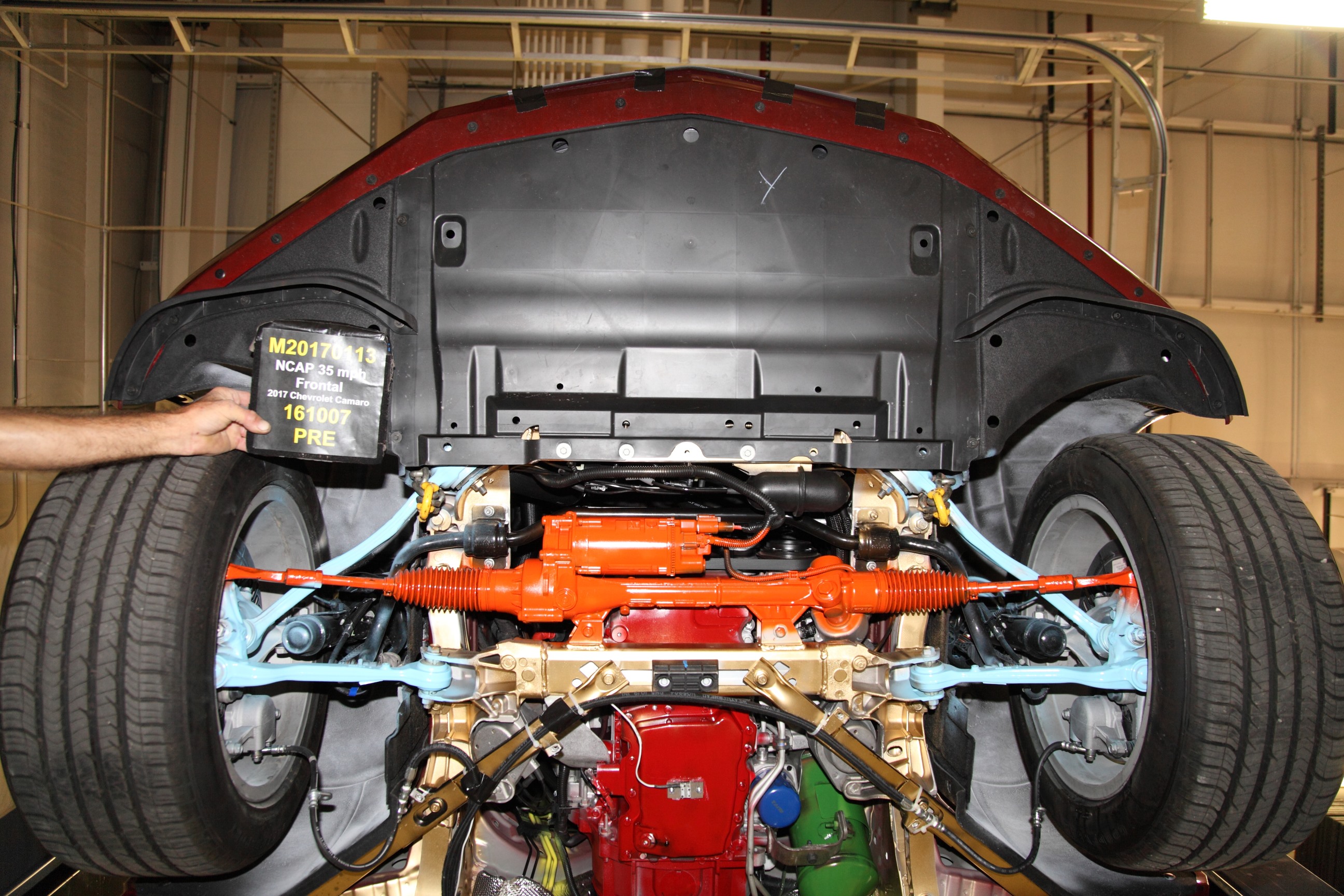
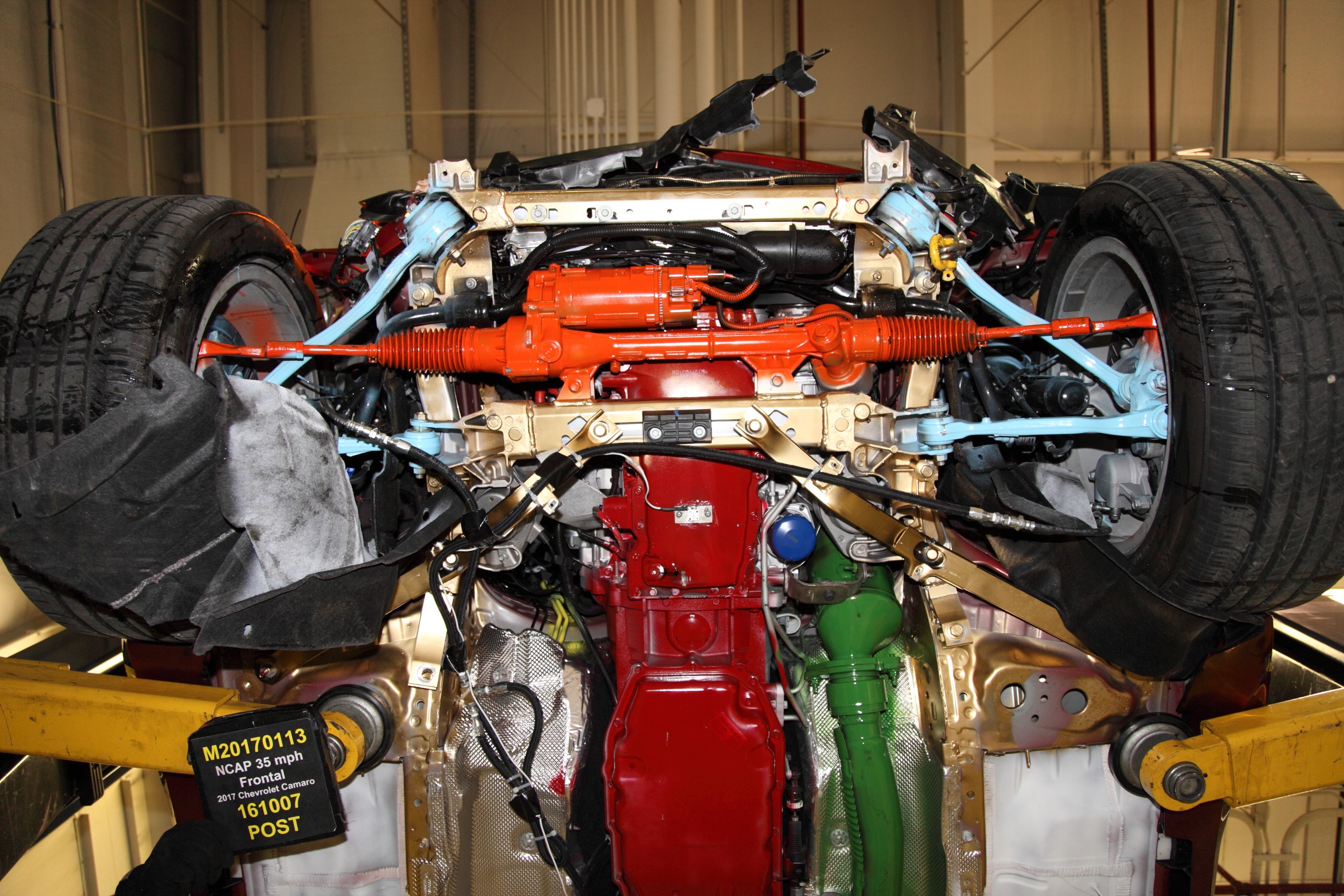
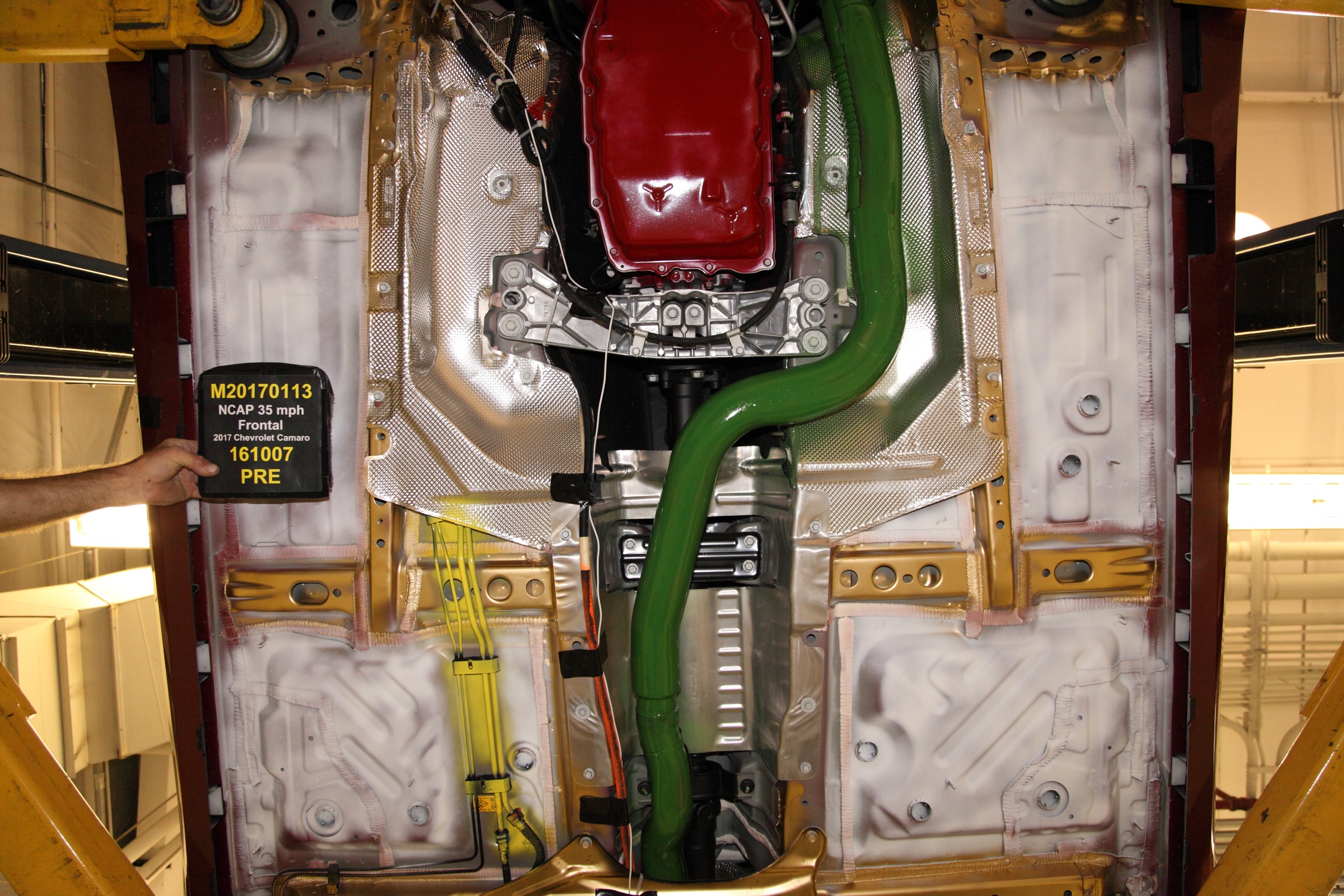
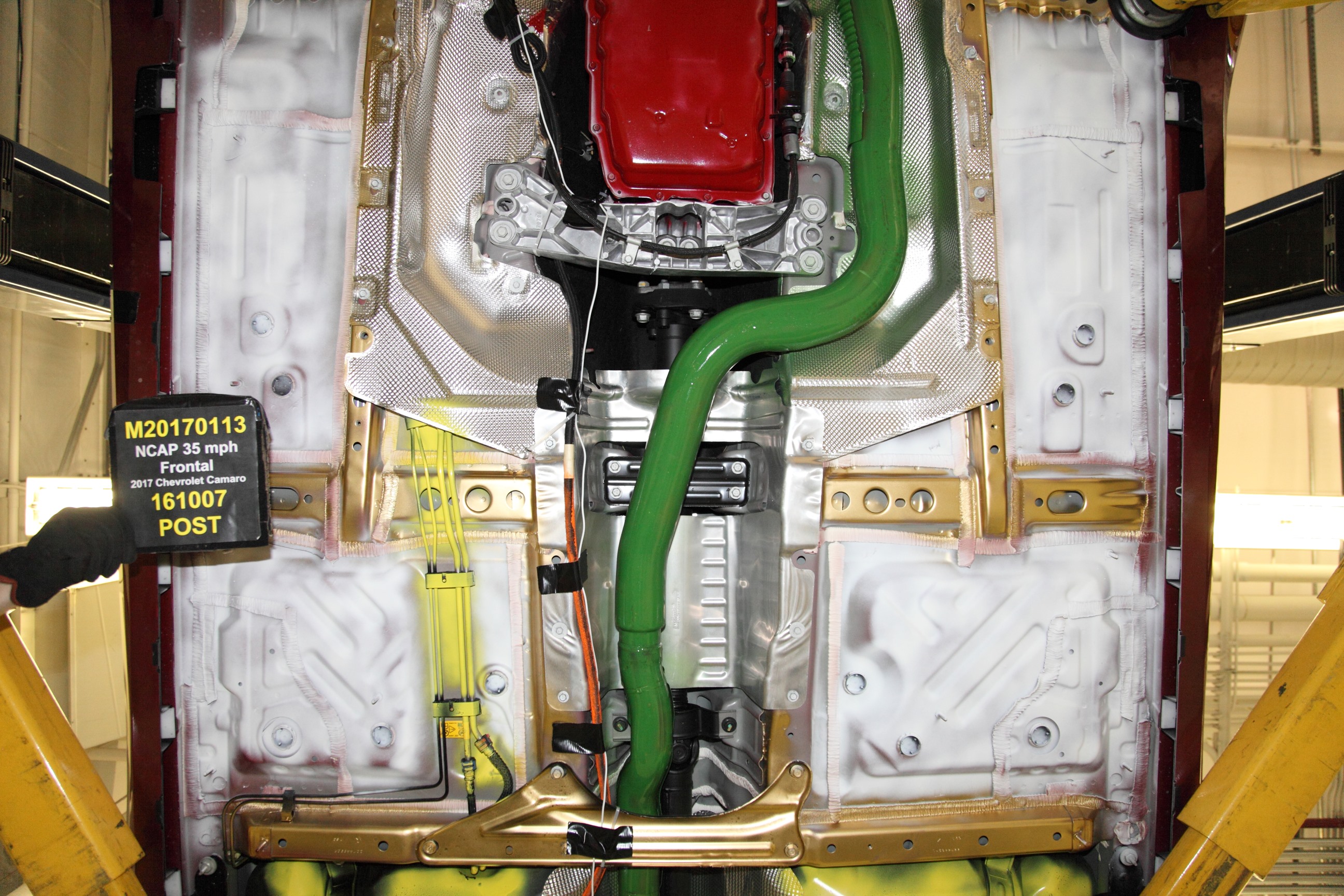
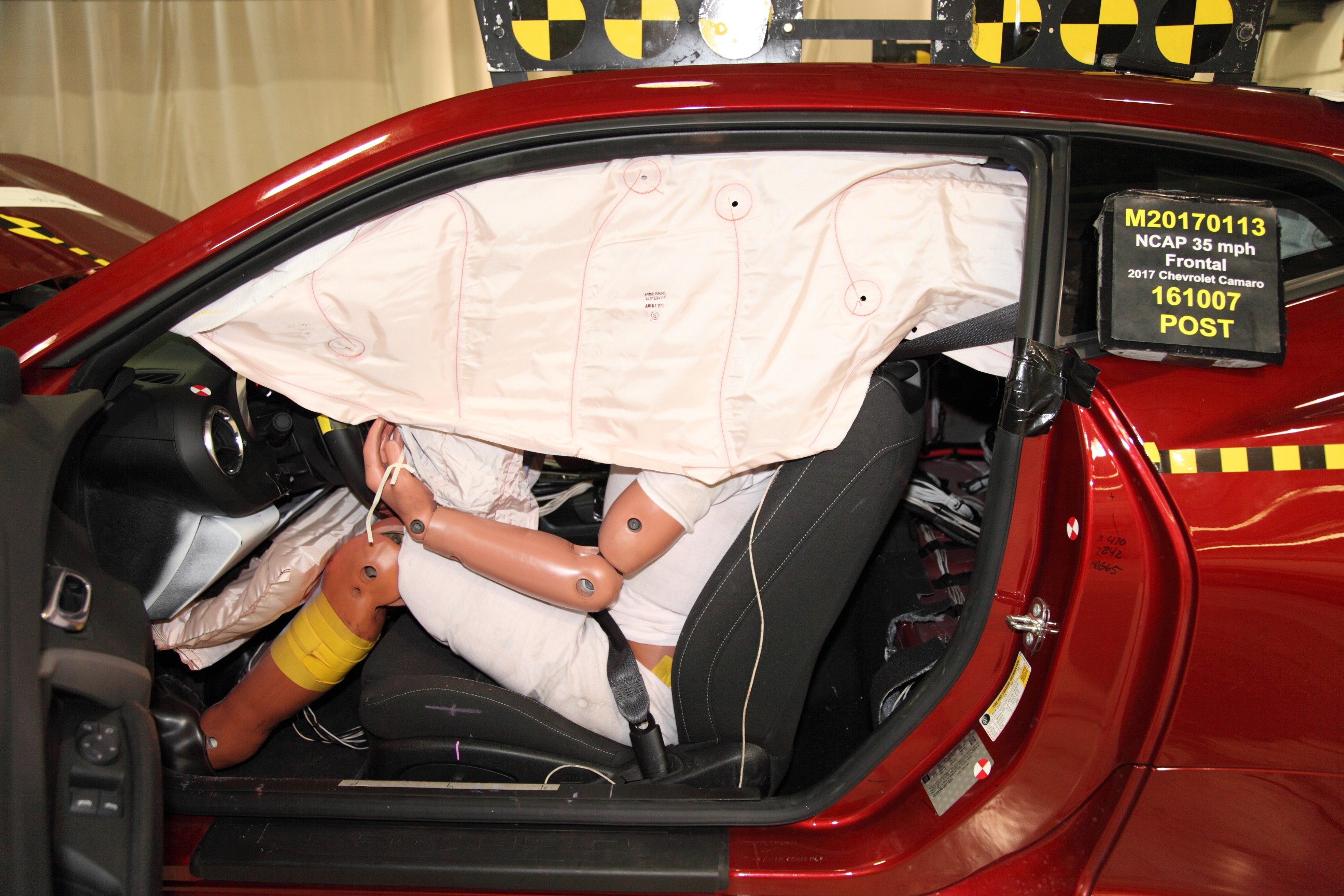
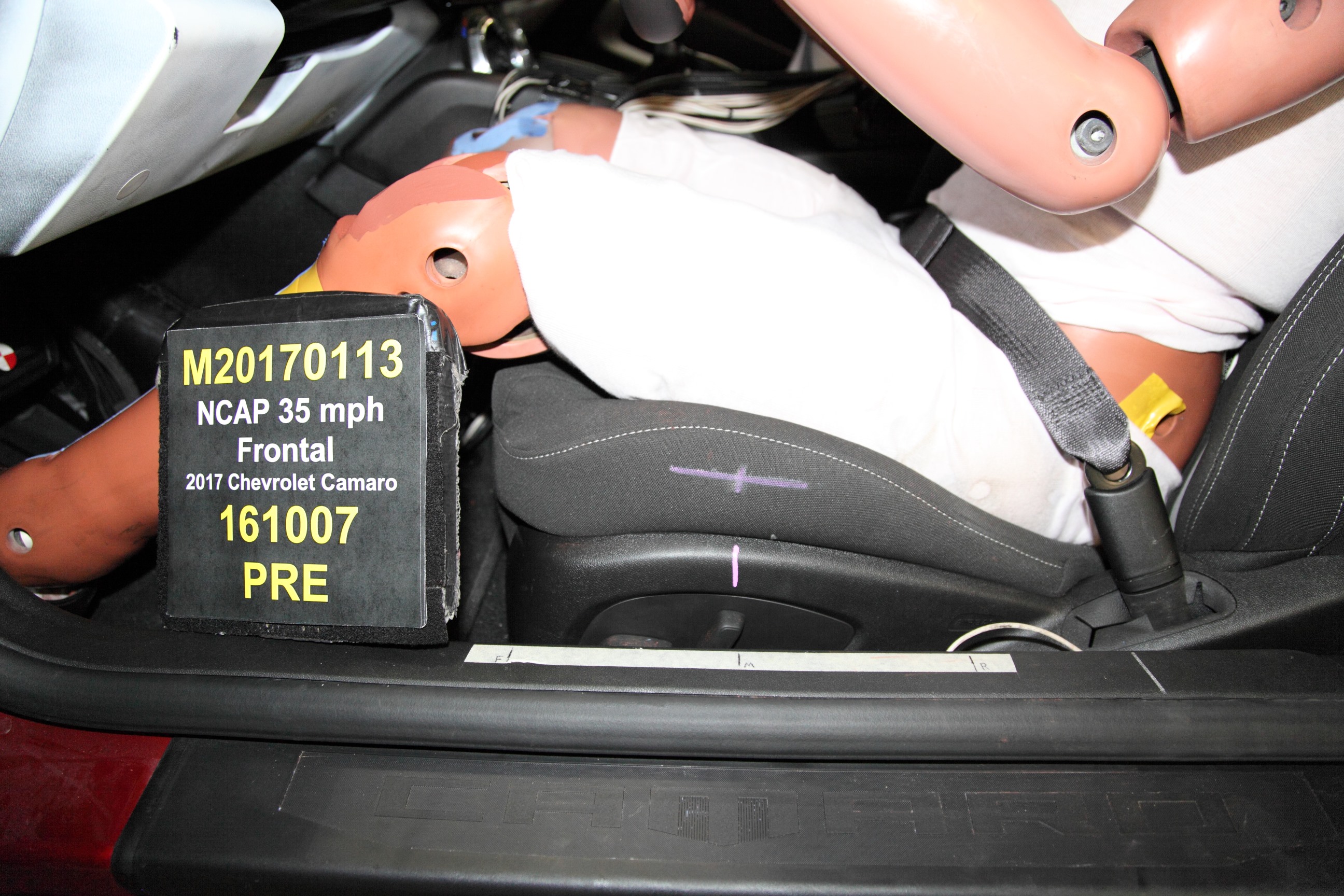
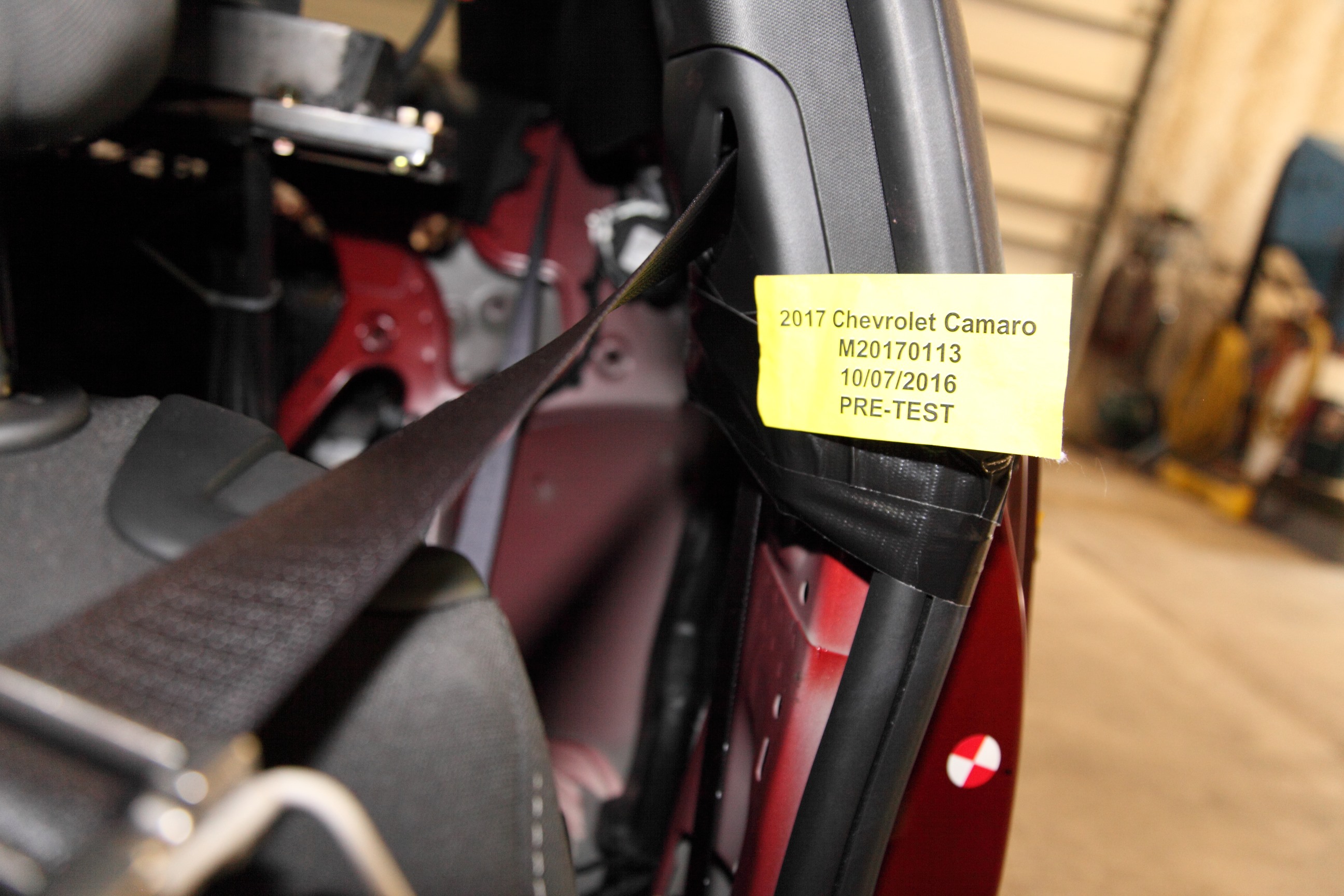
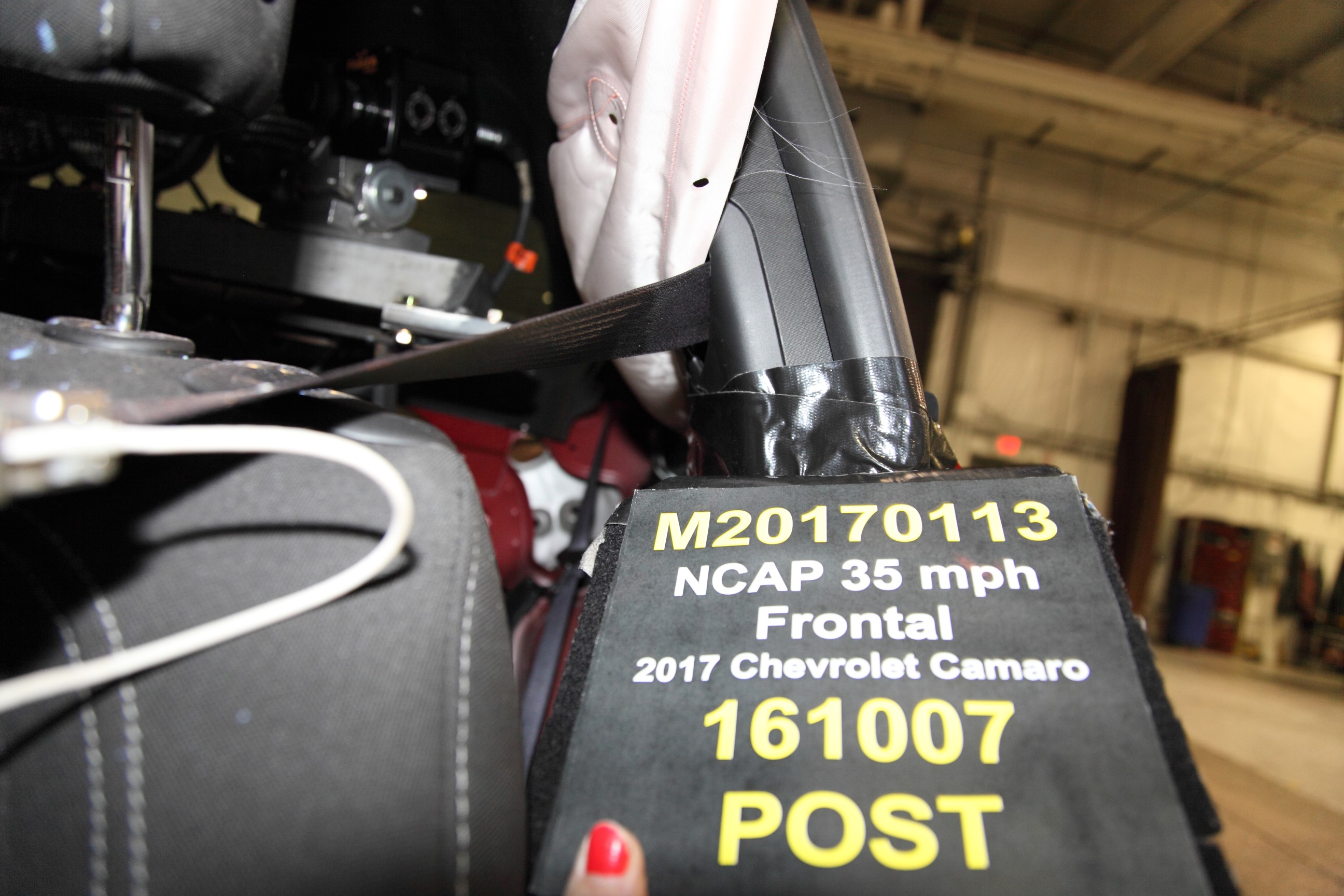
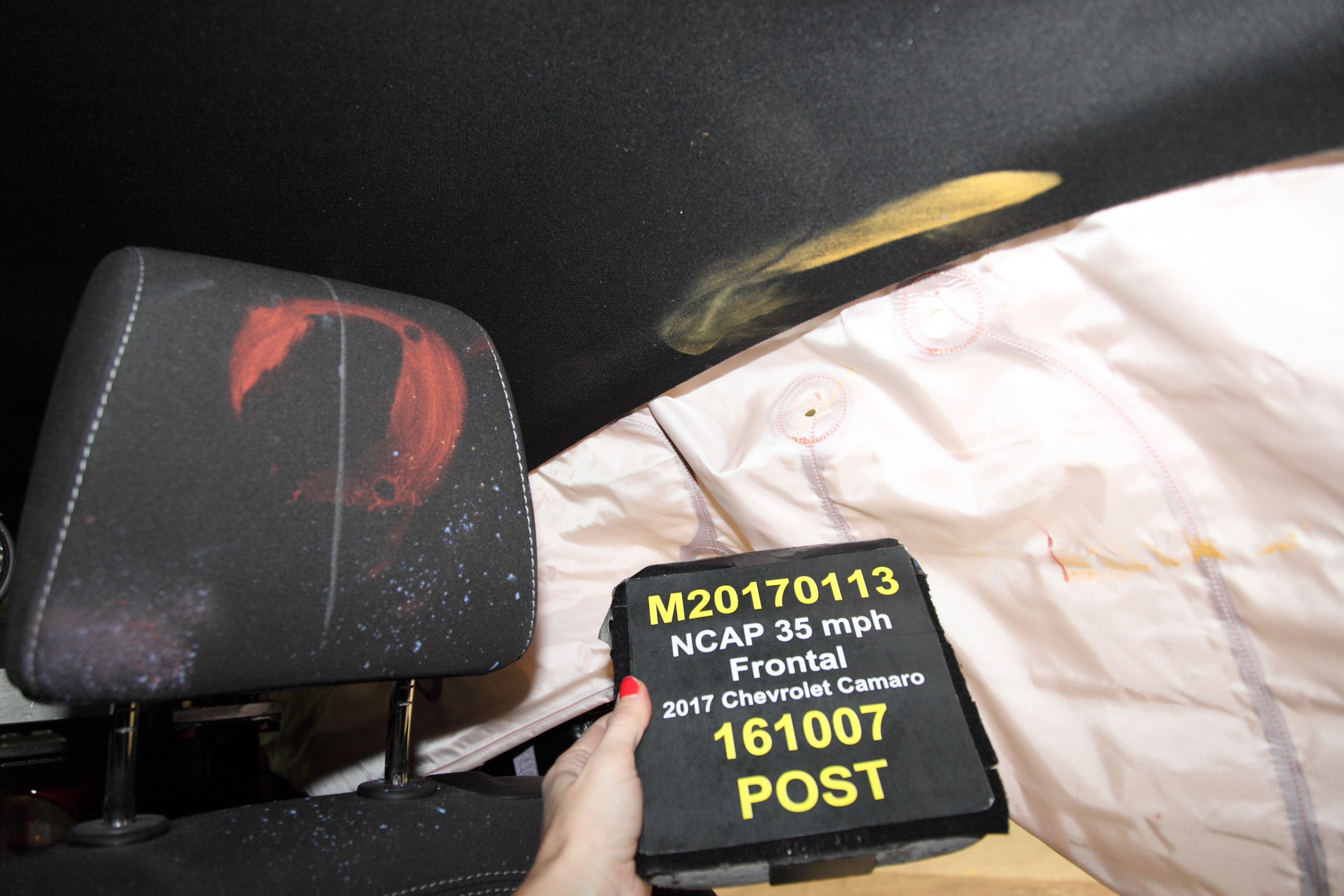
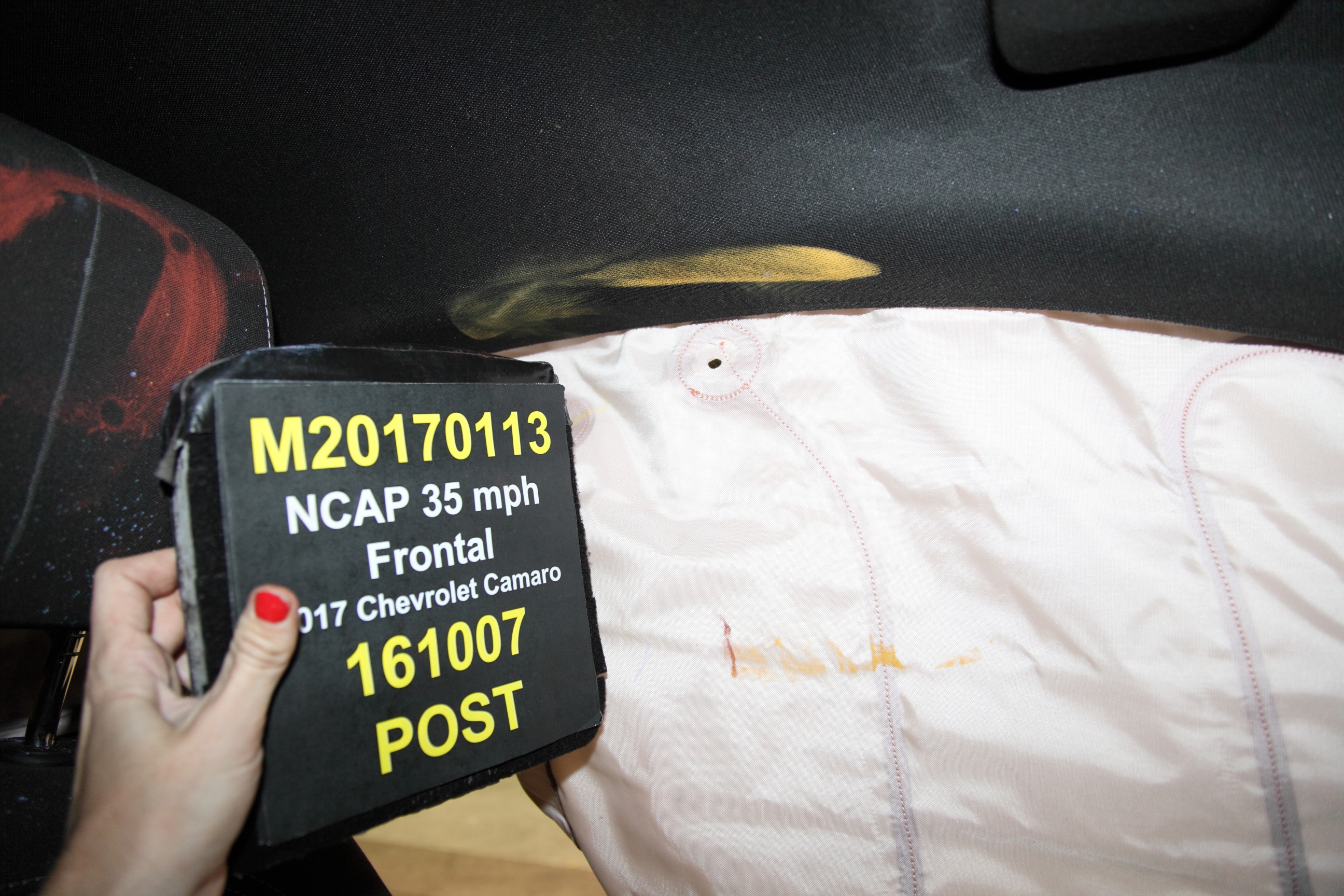
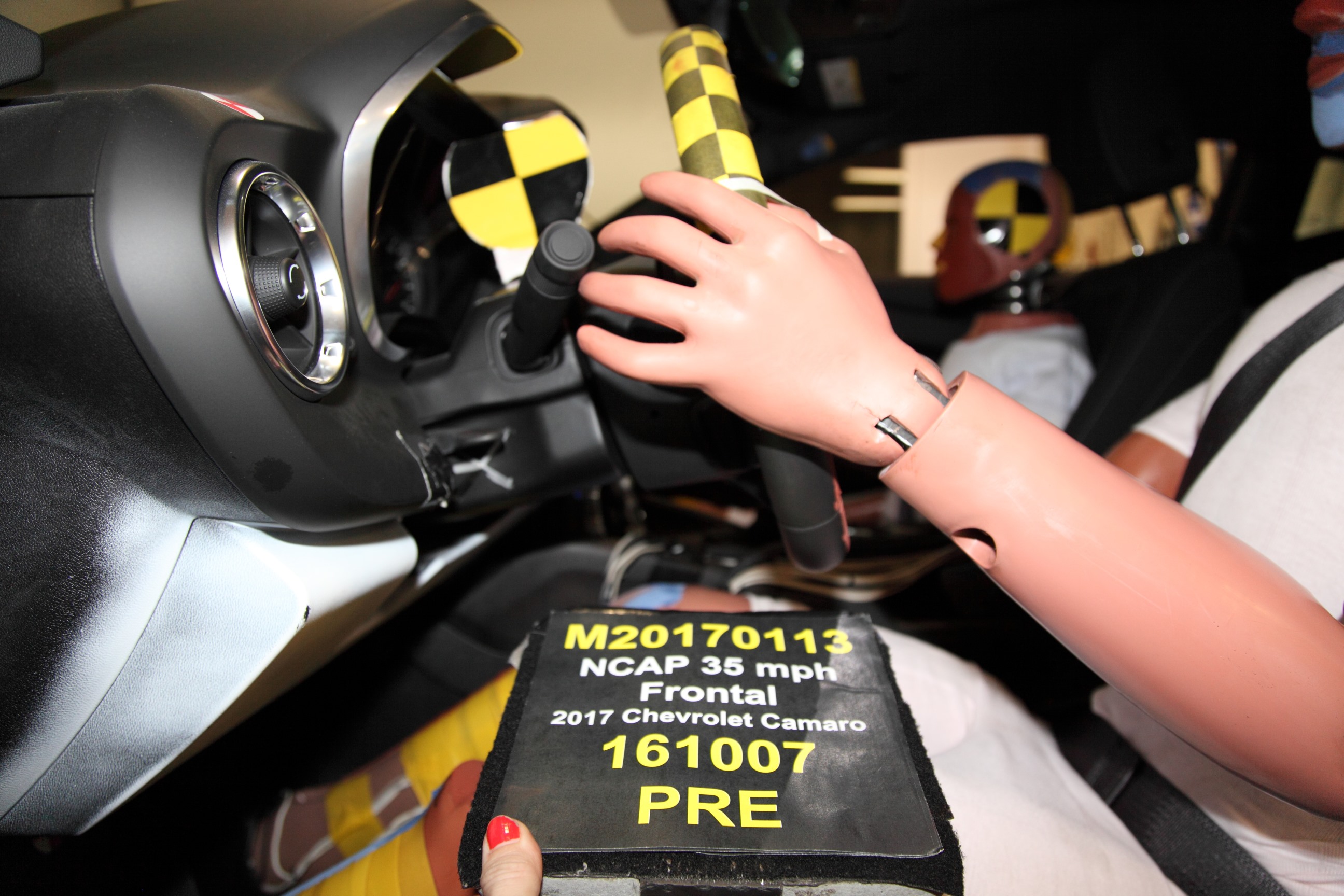
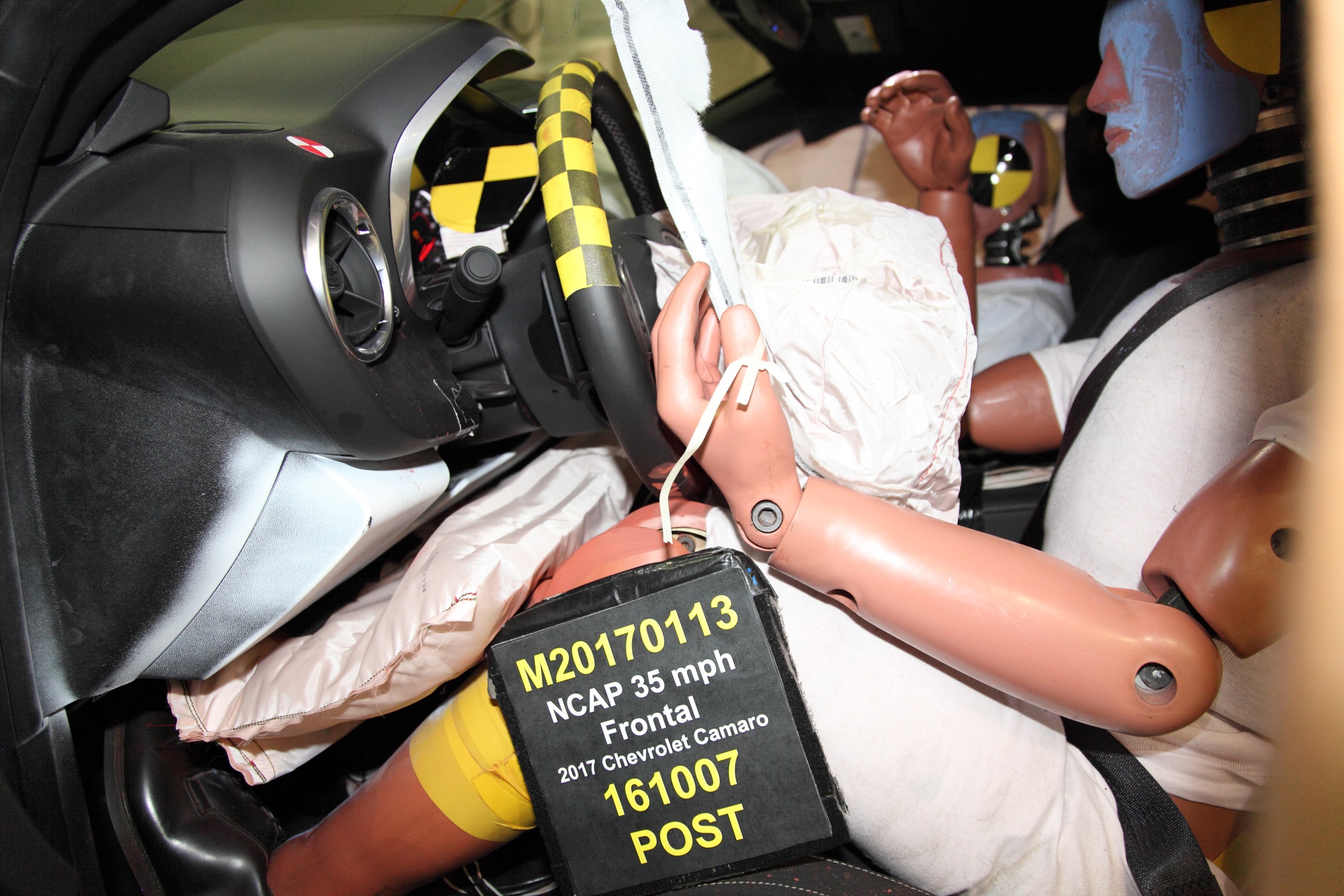
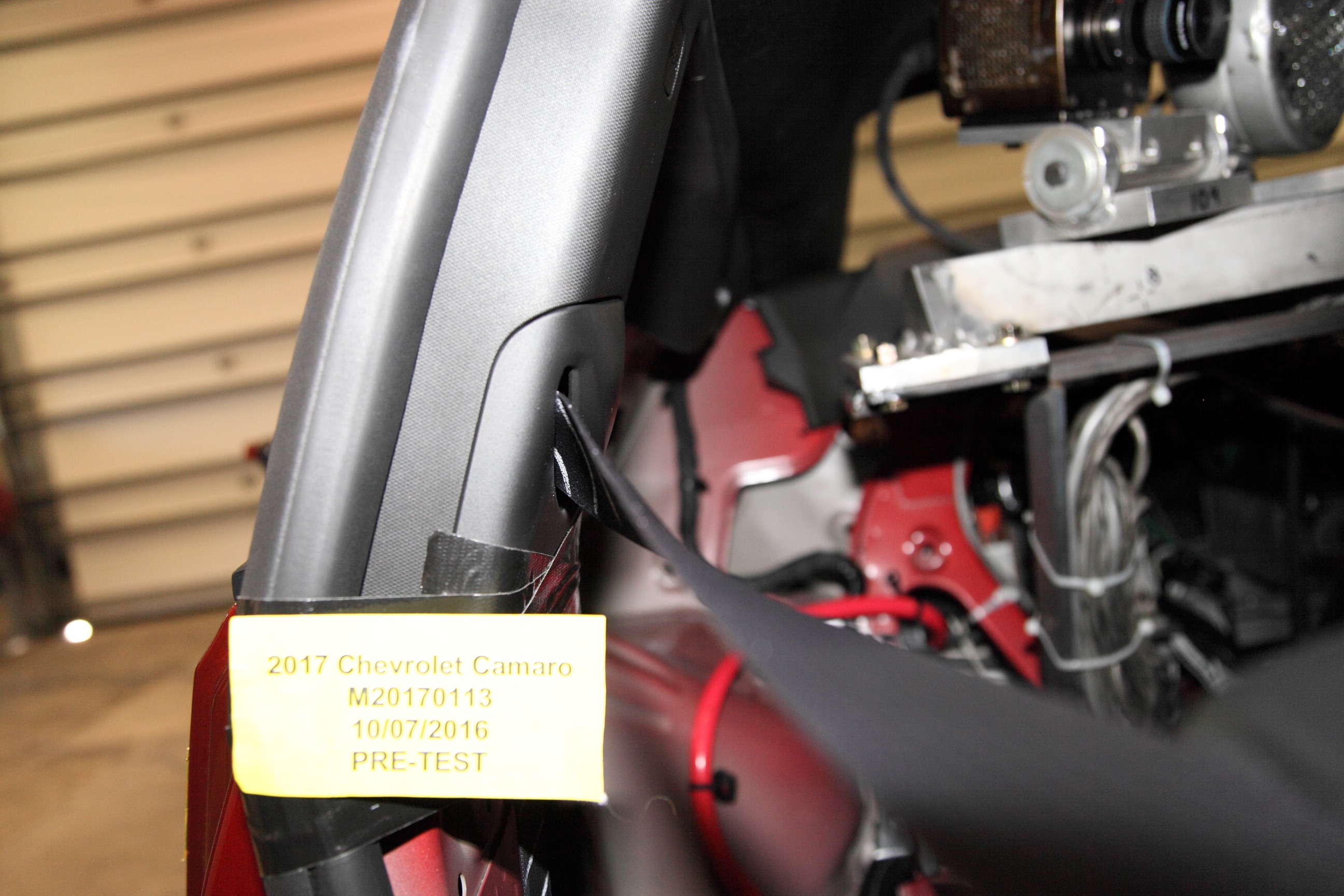
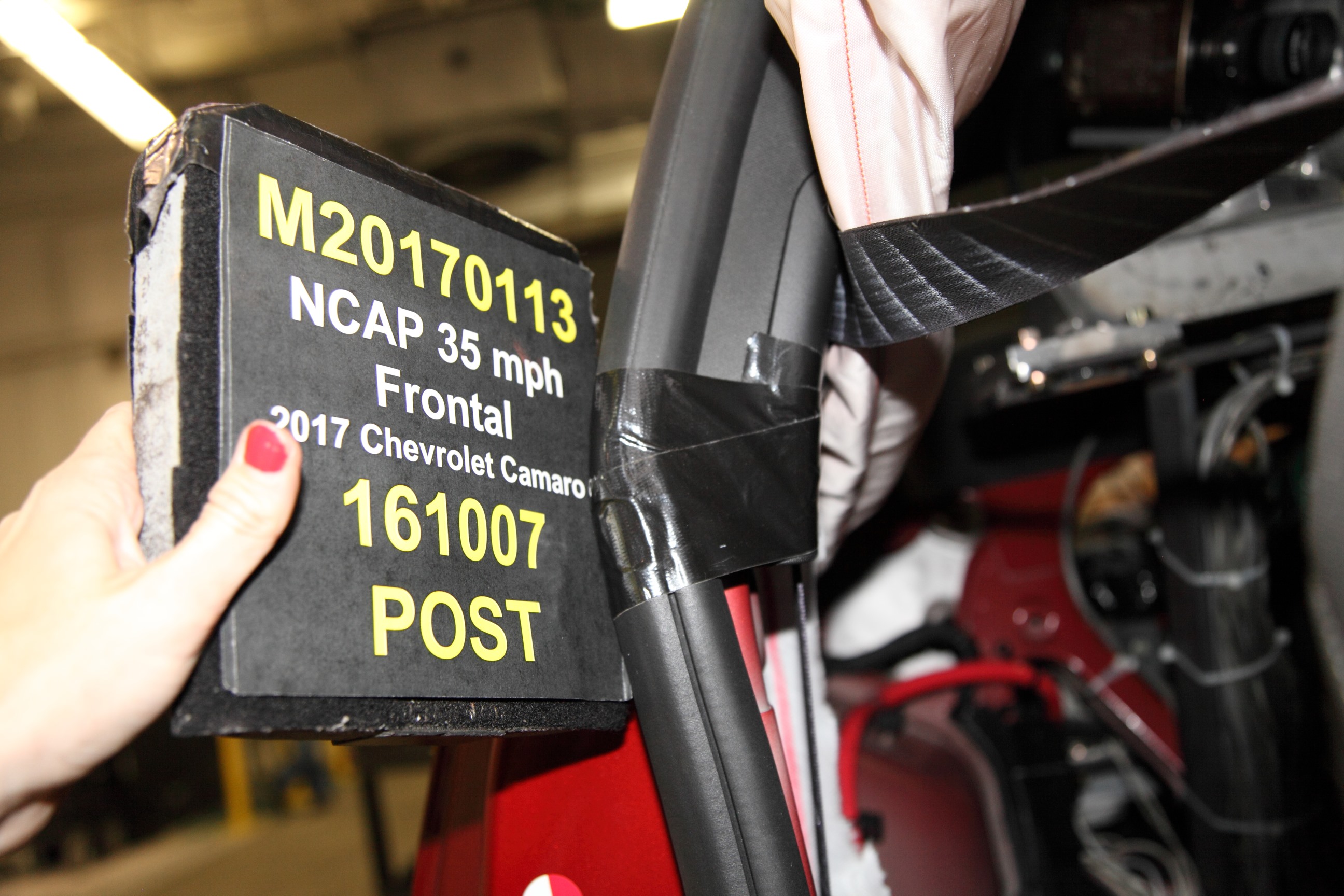
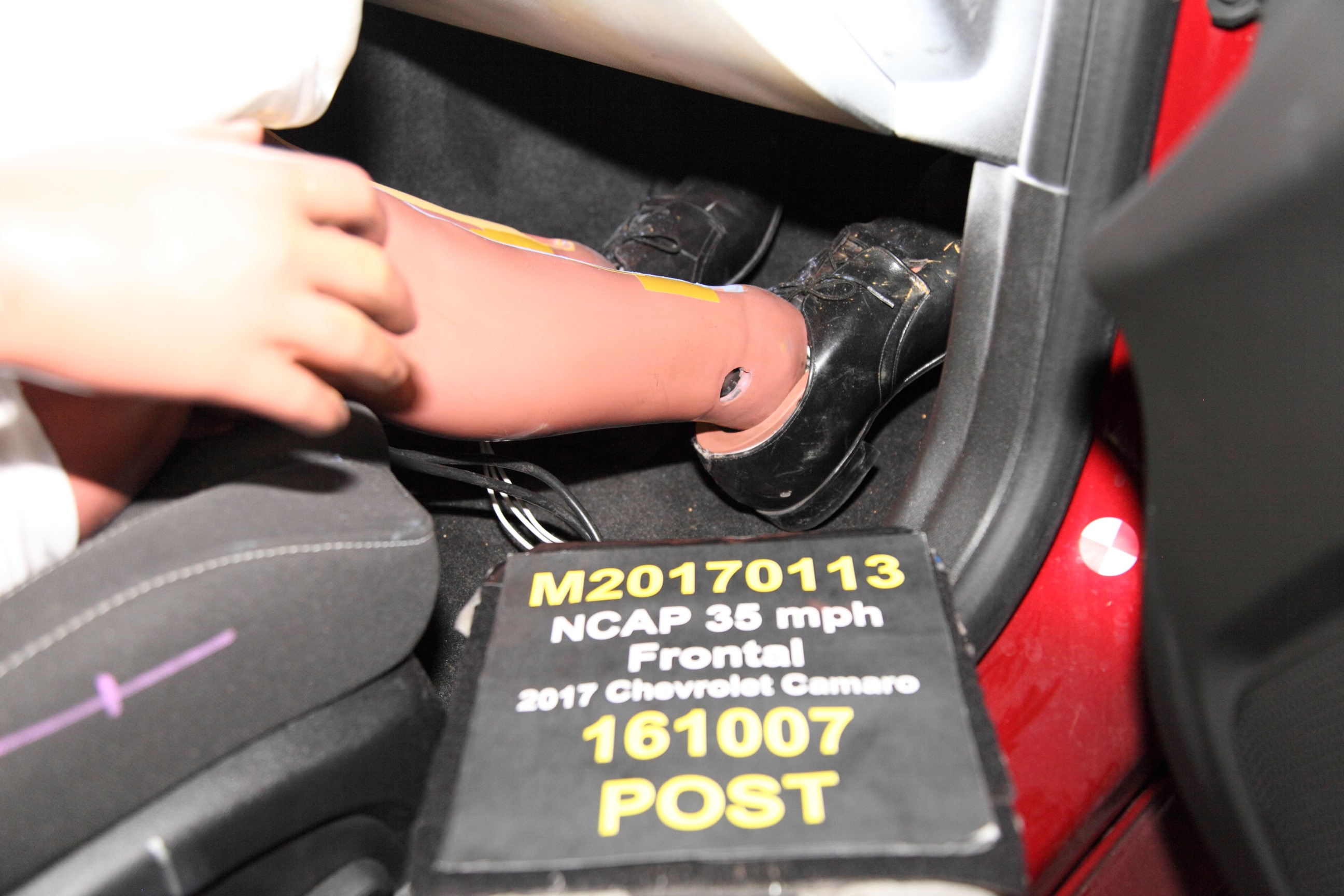
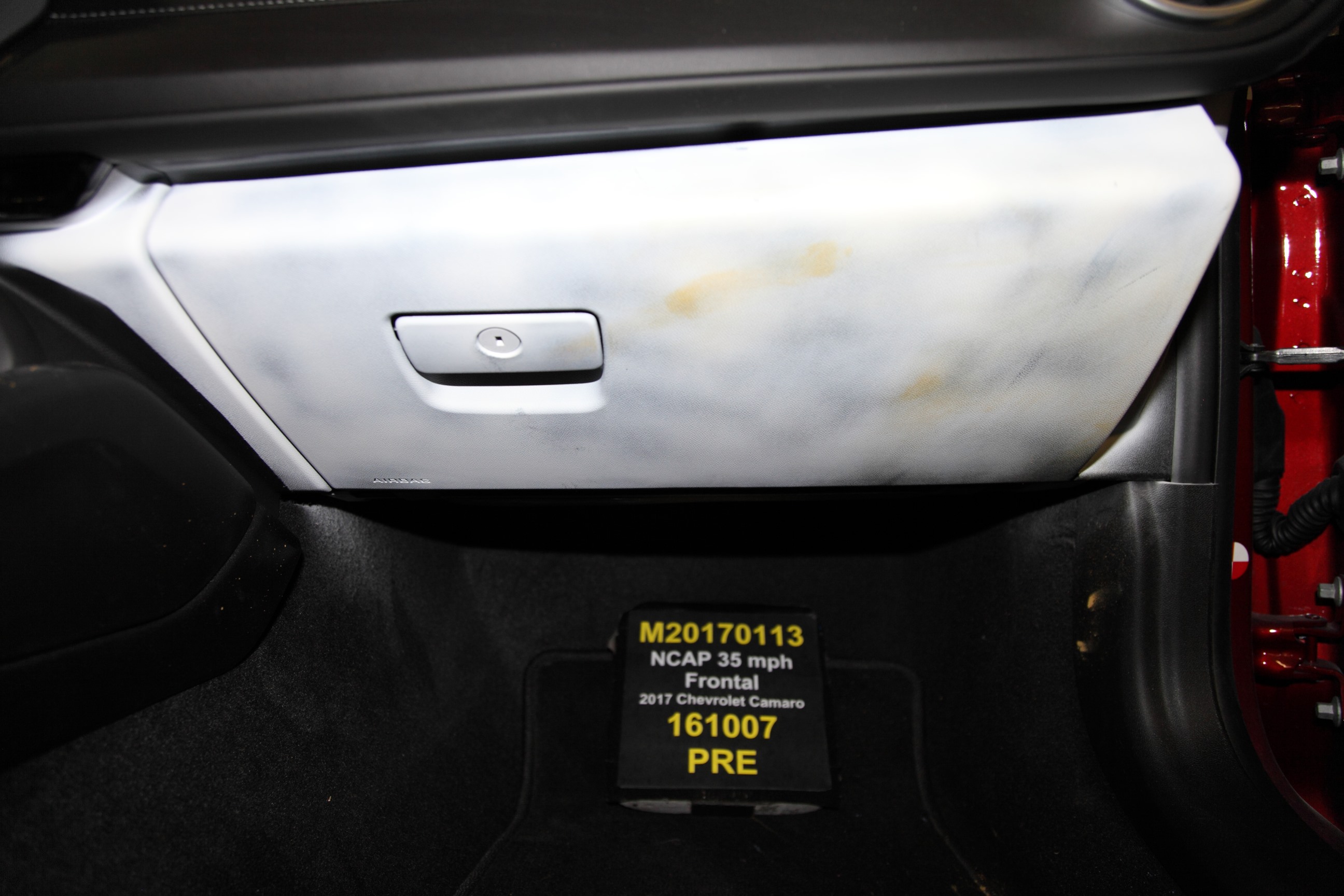
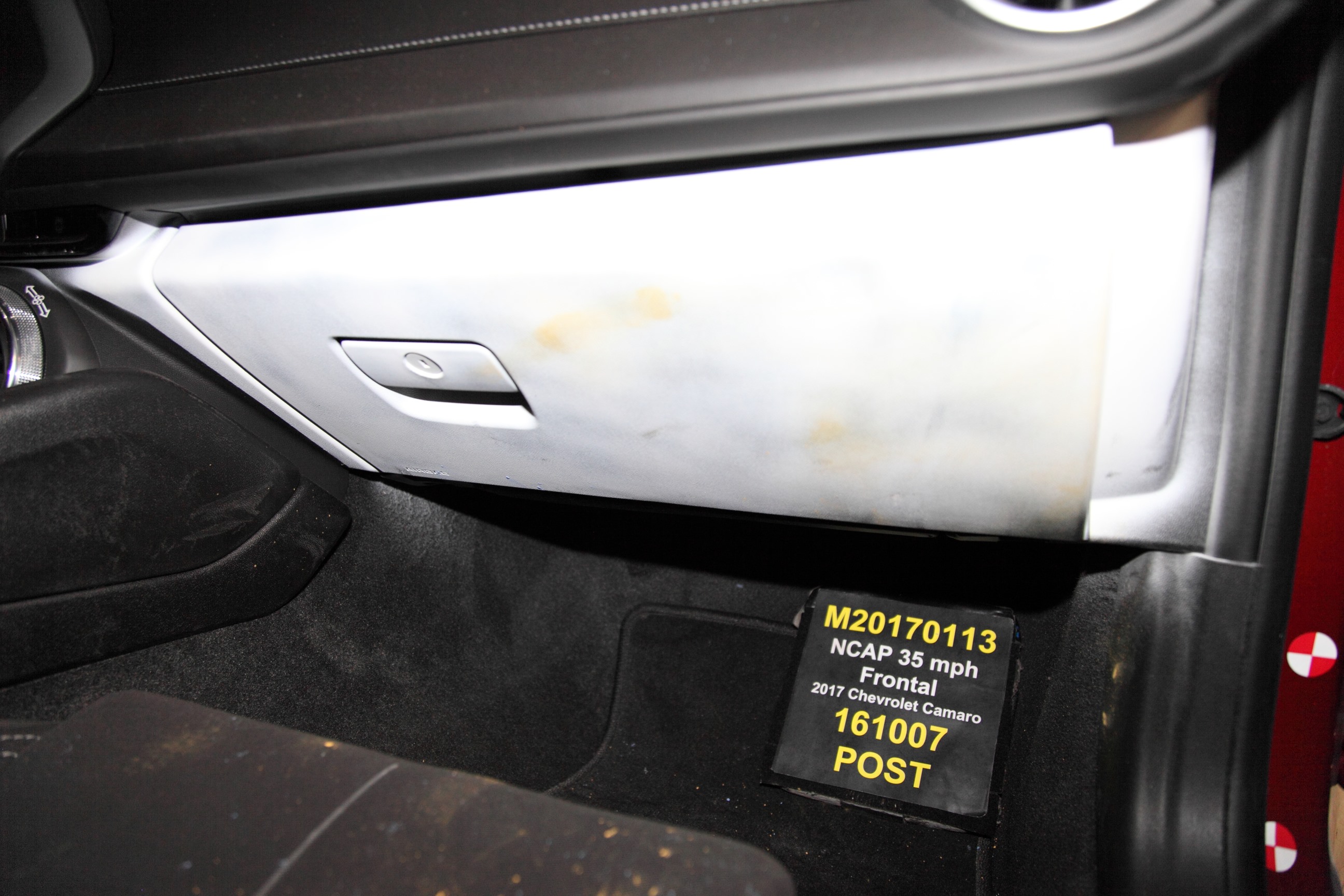
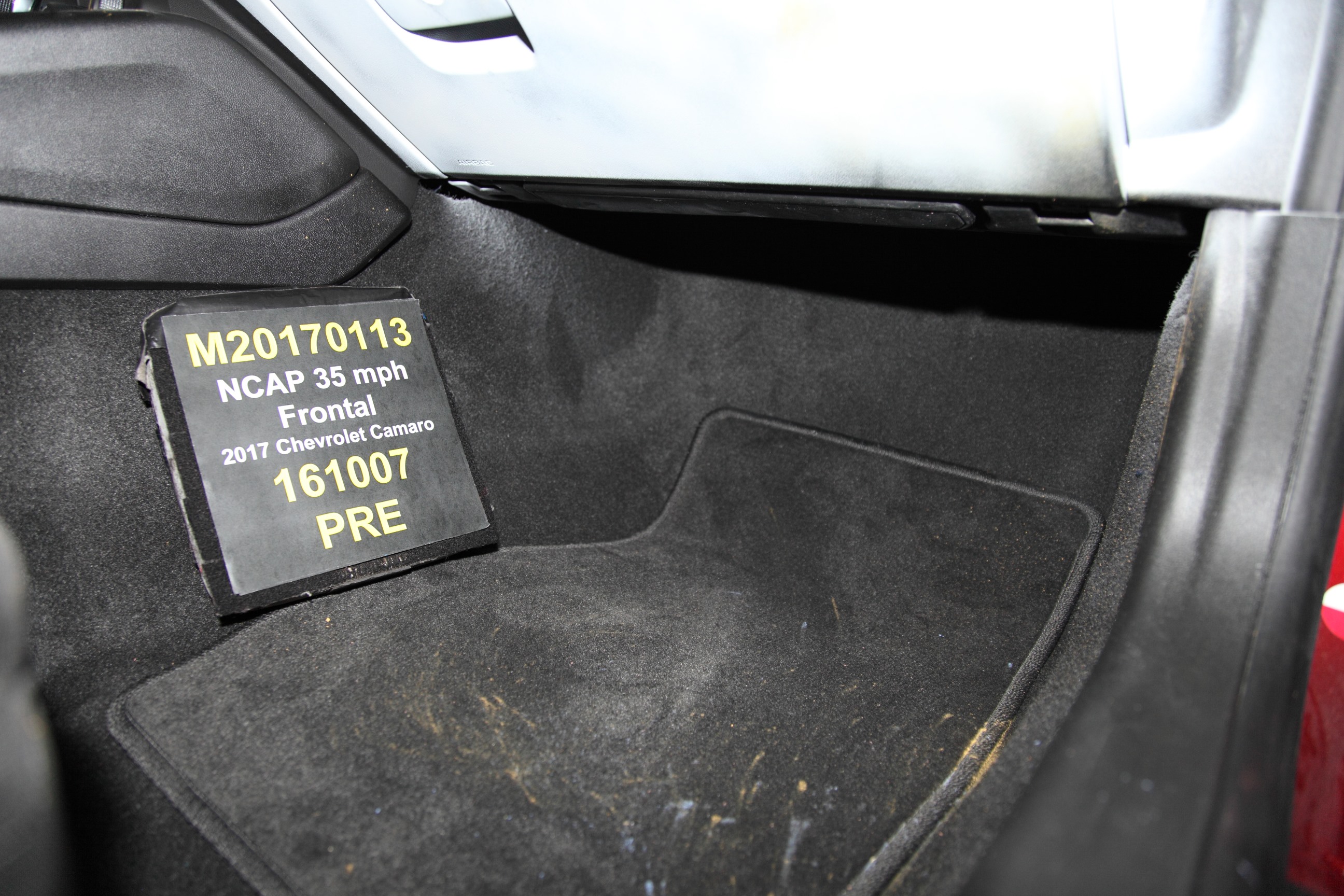
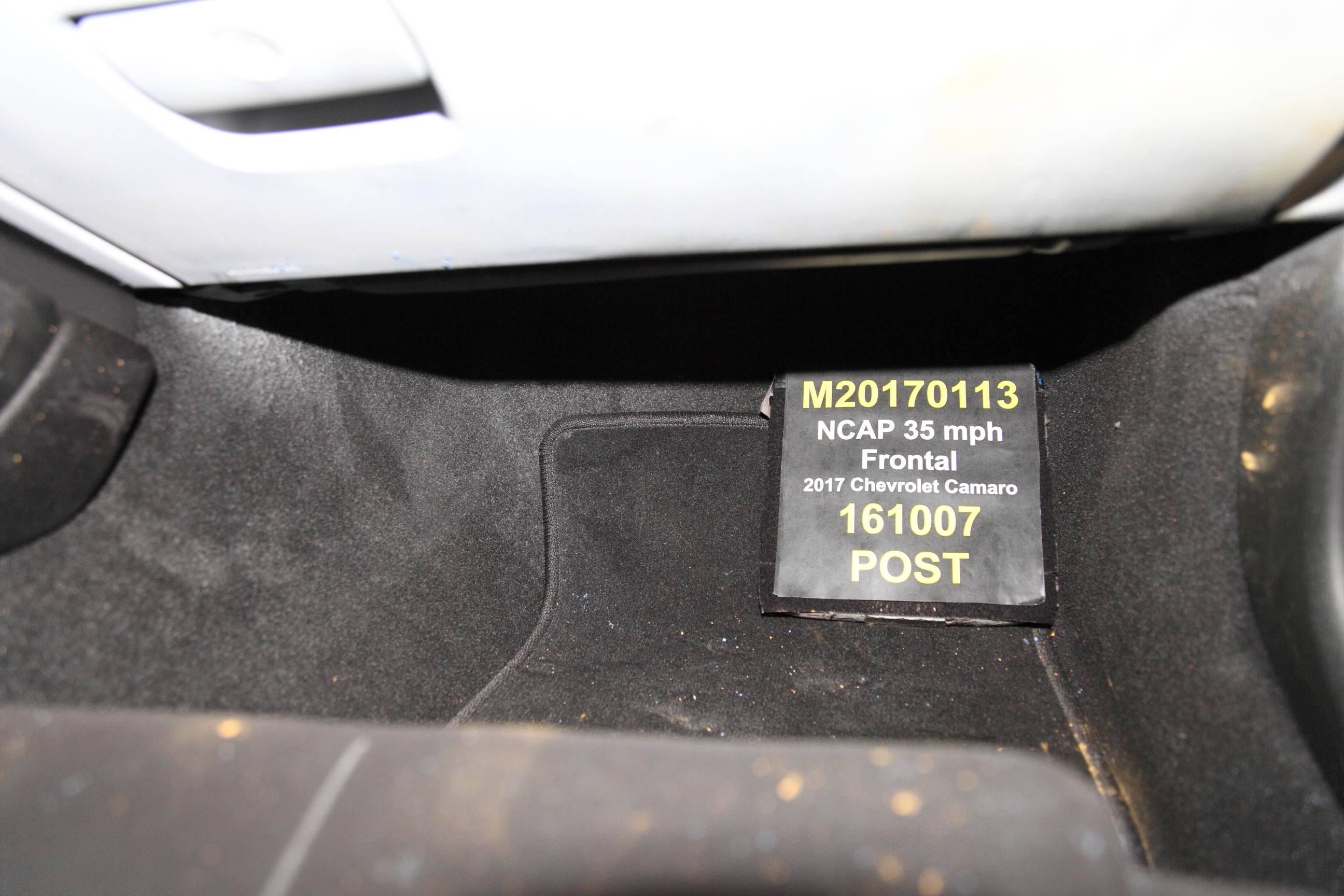
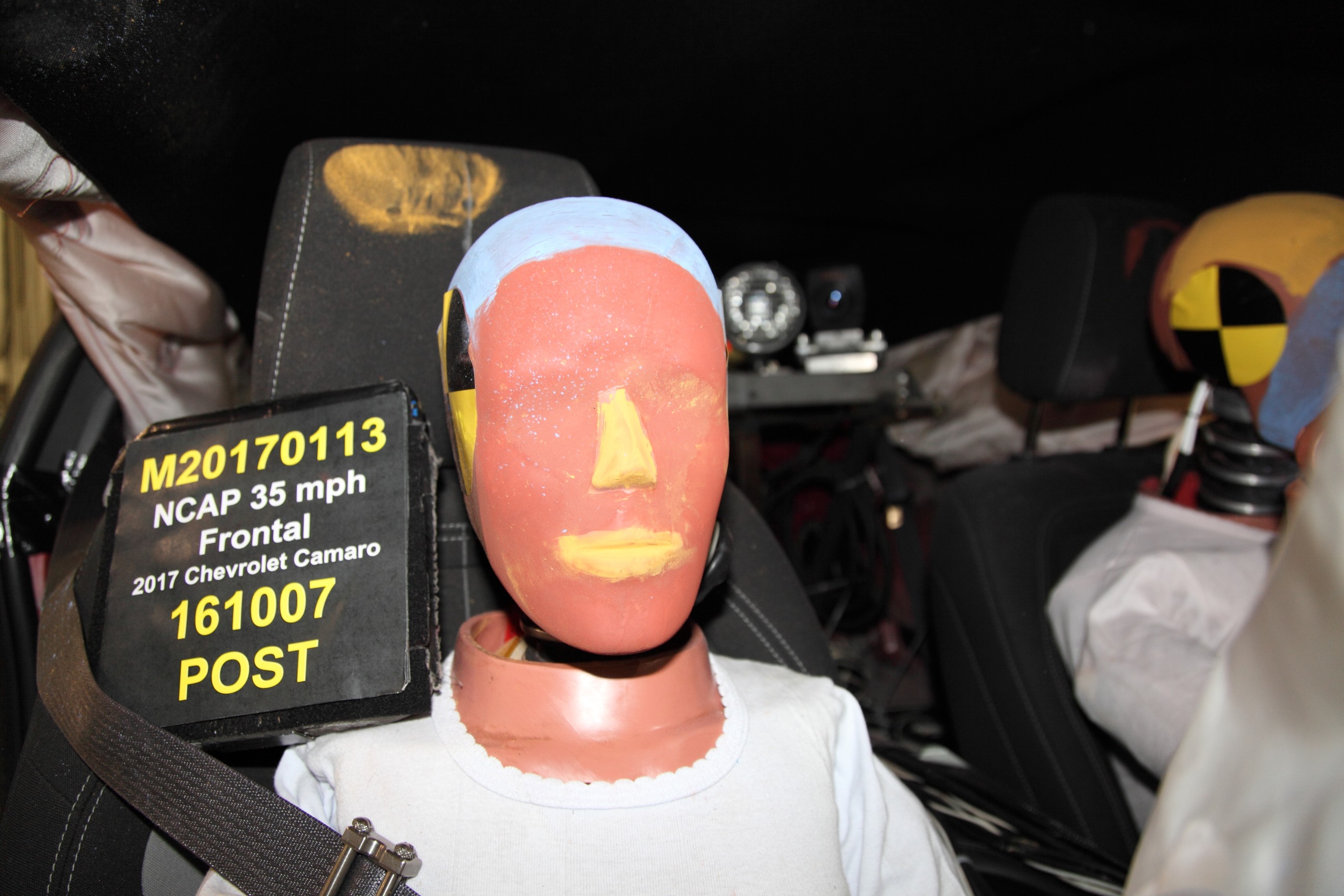
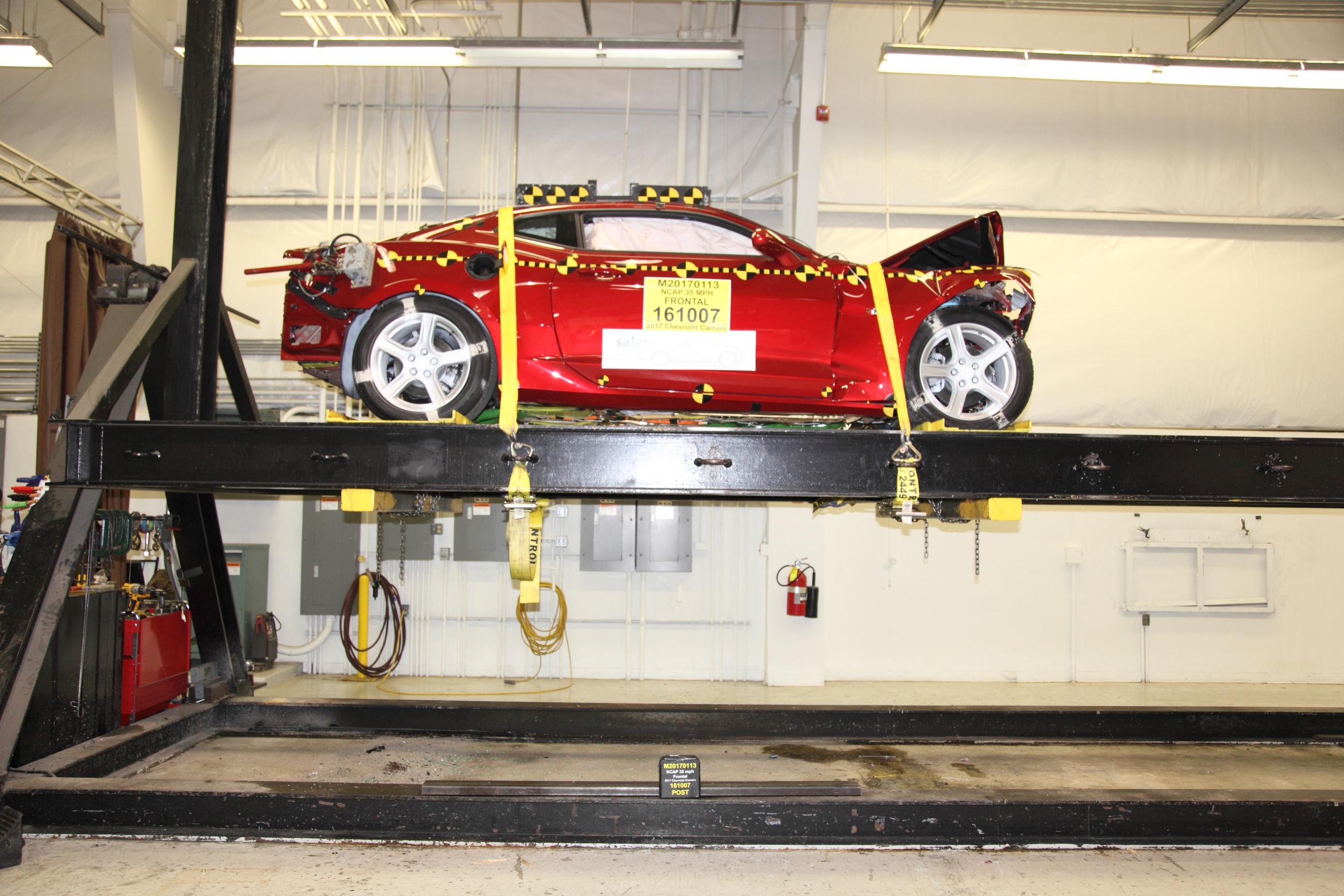
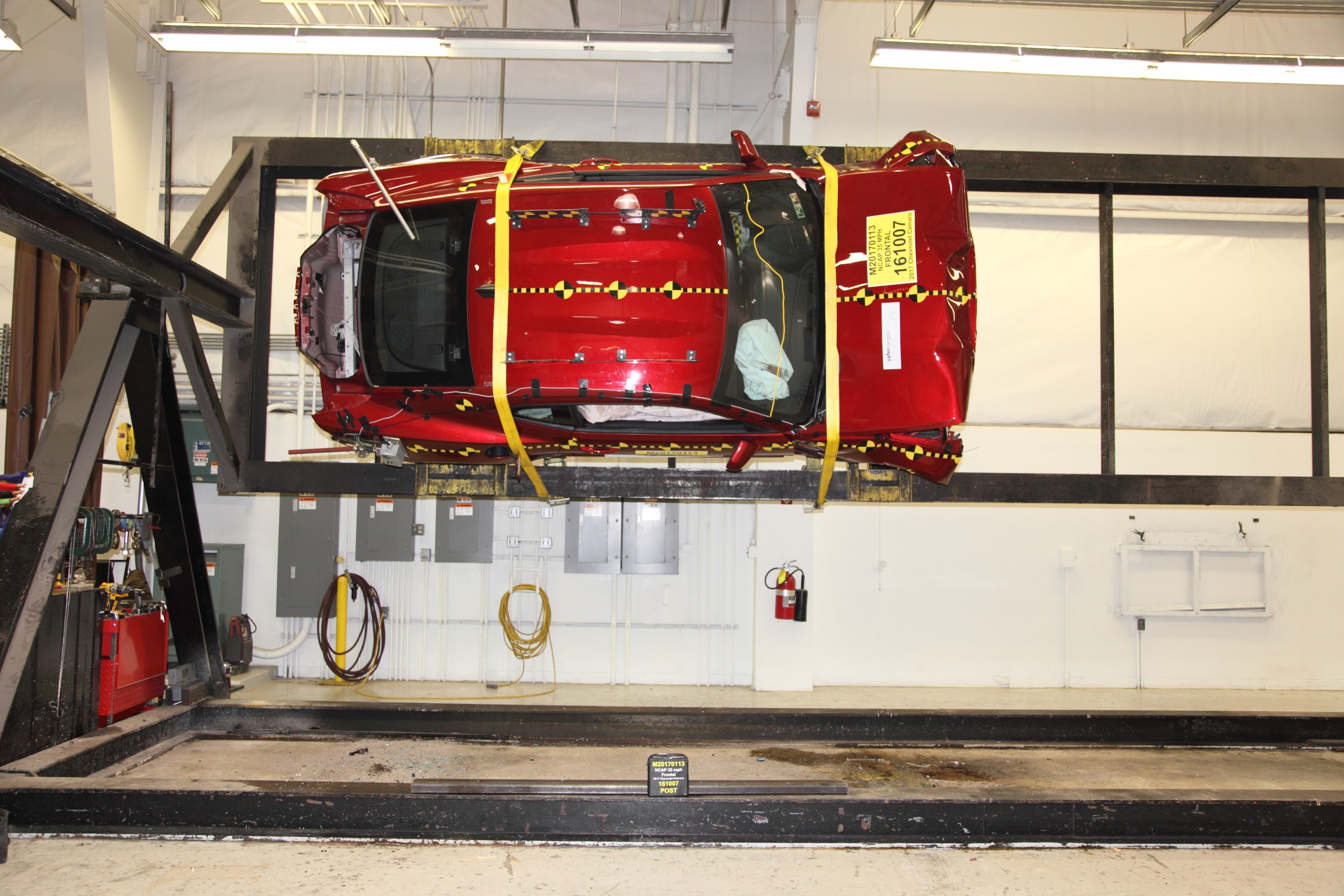
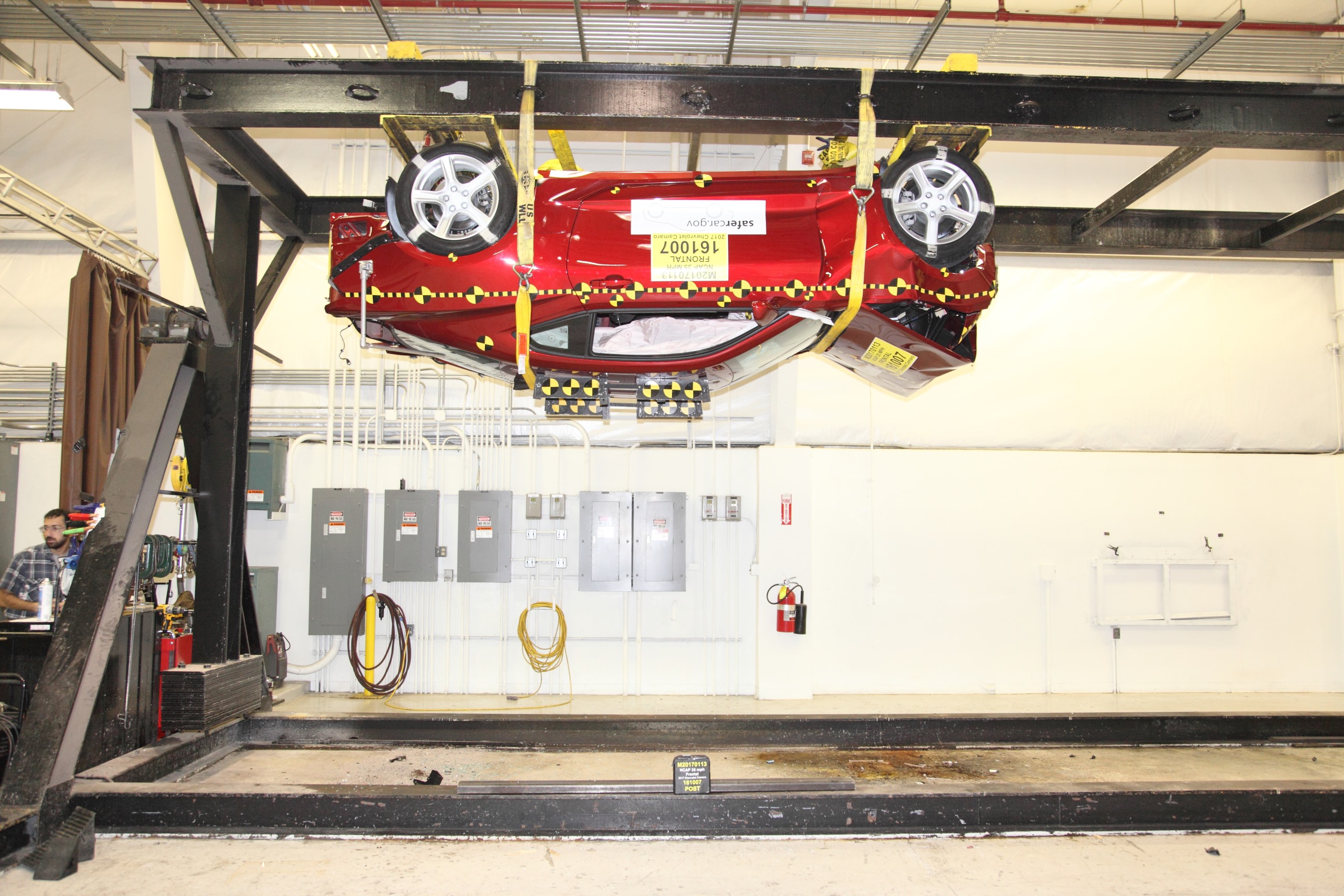
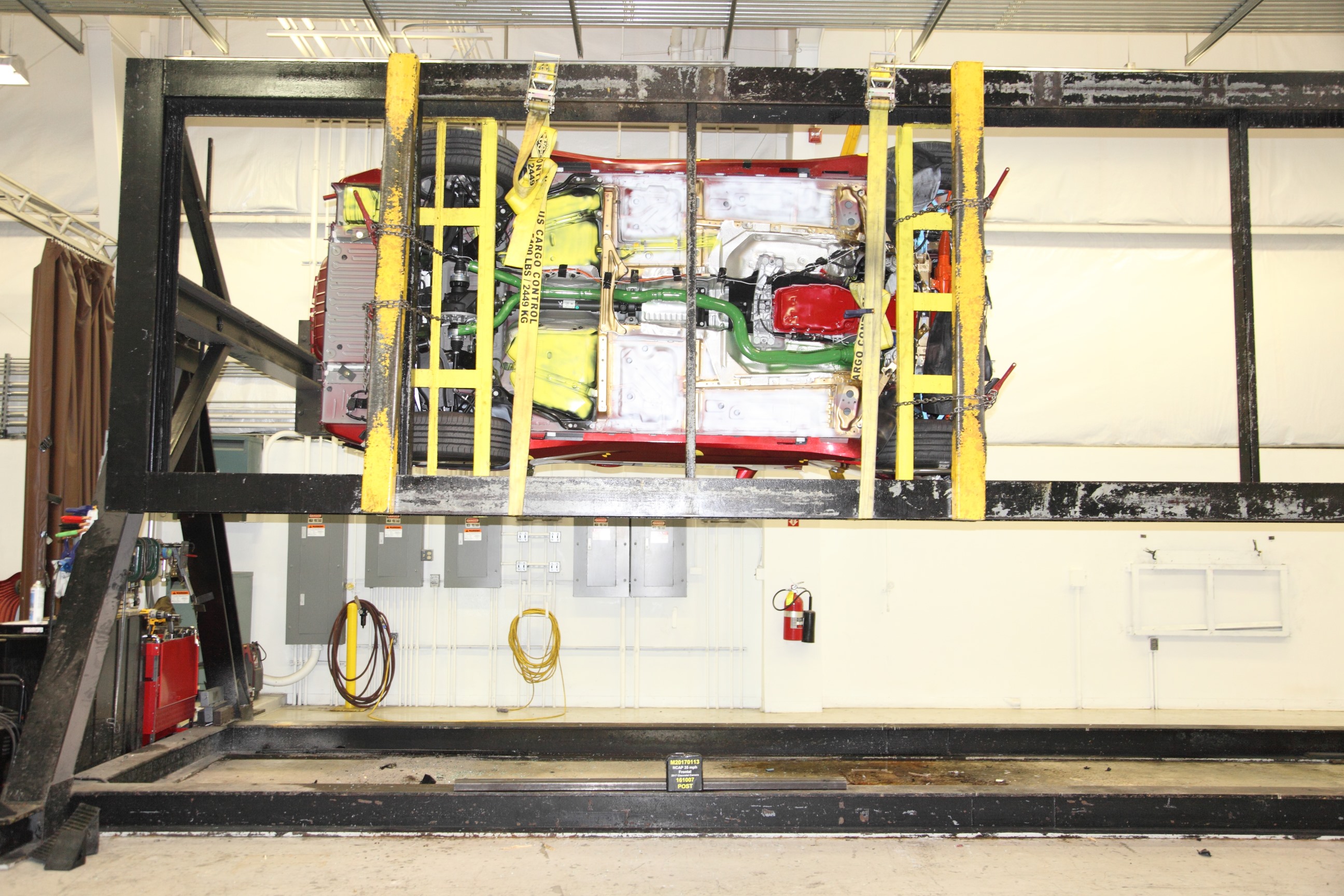
Crash test videos & photos
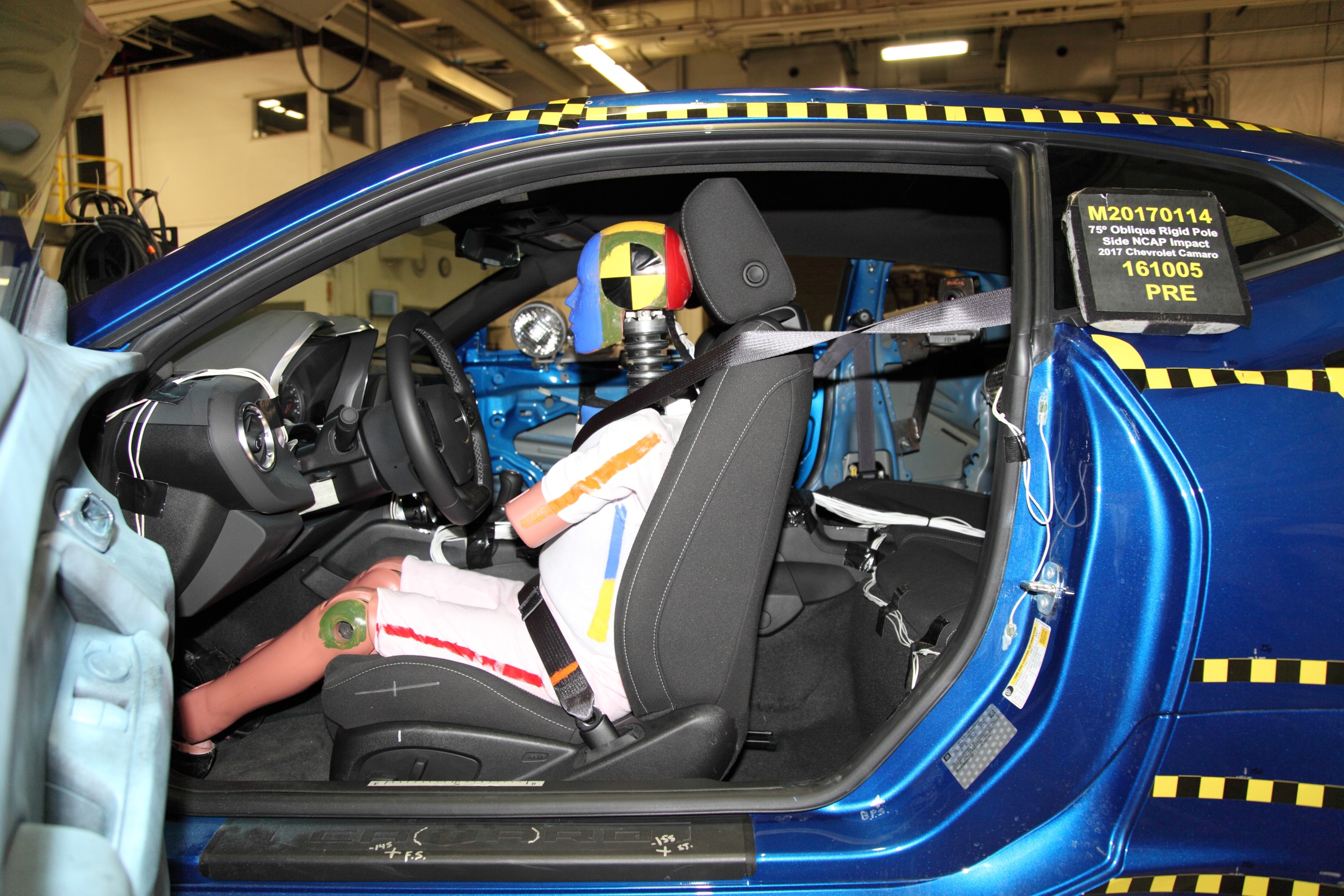
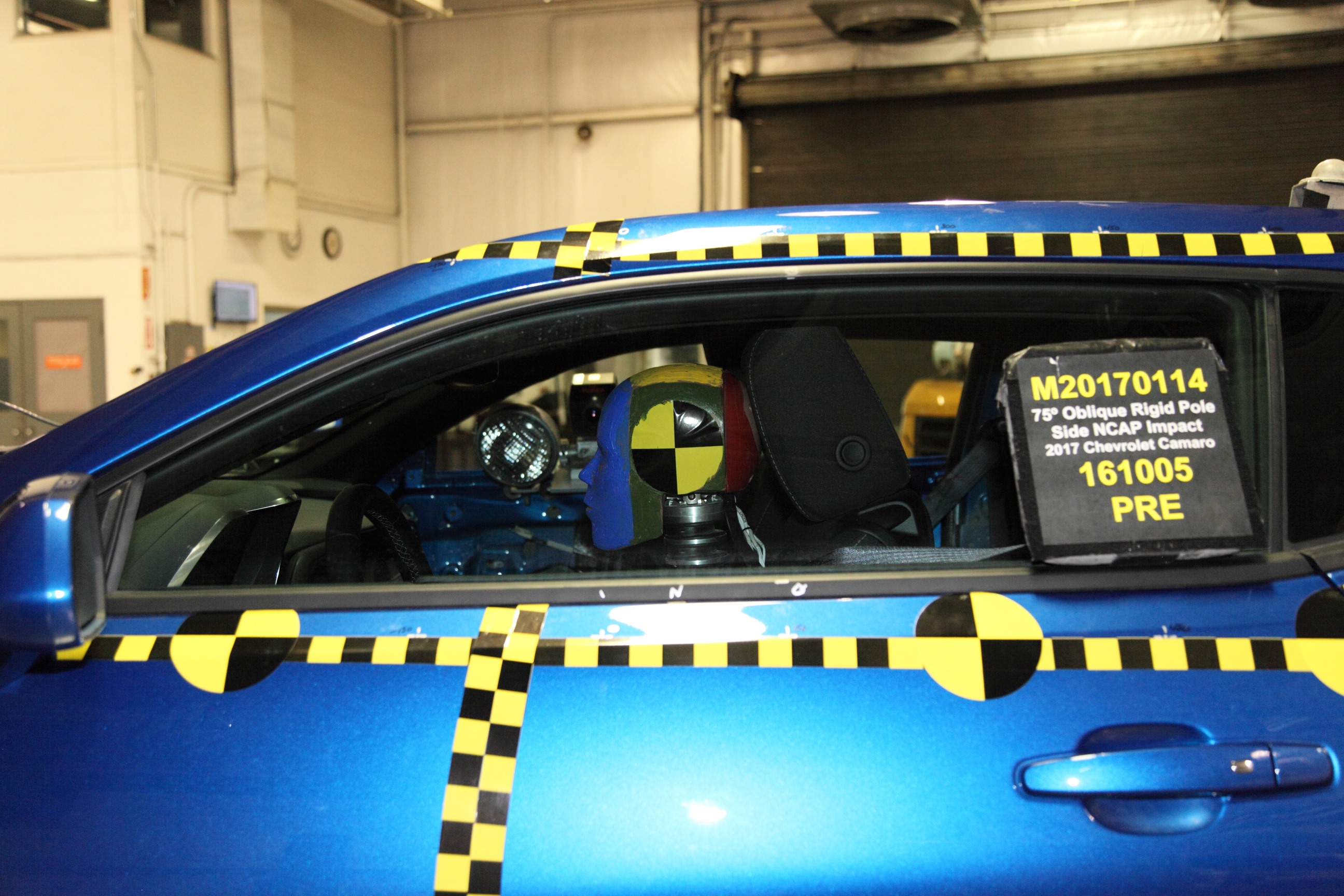
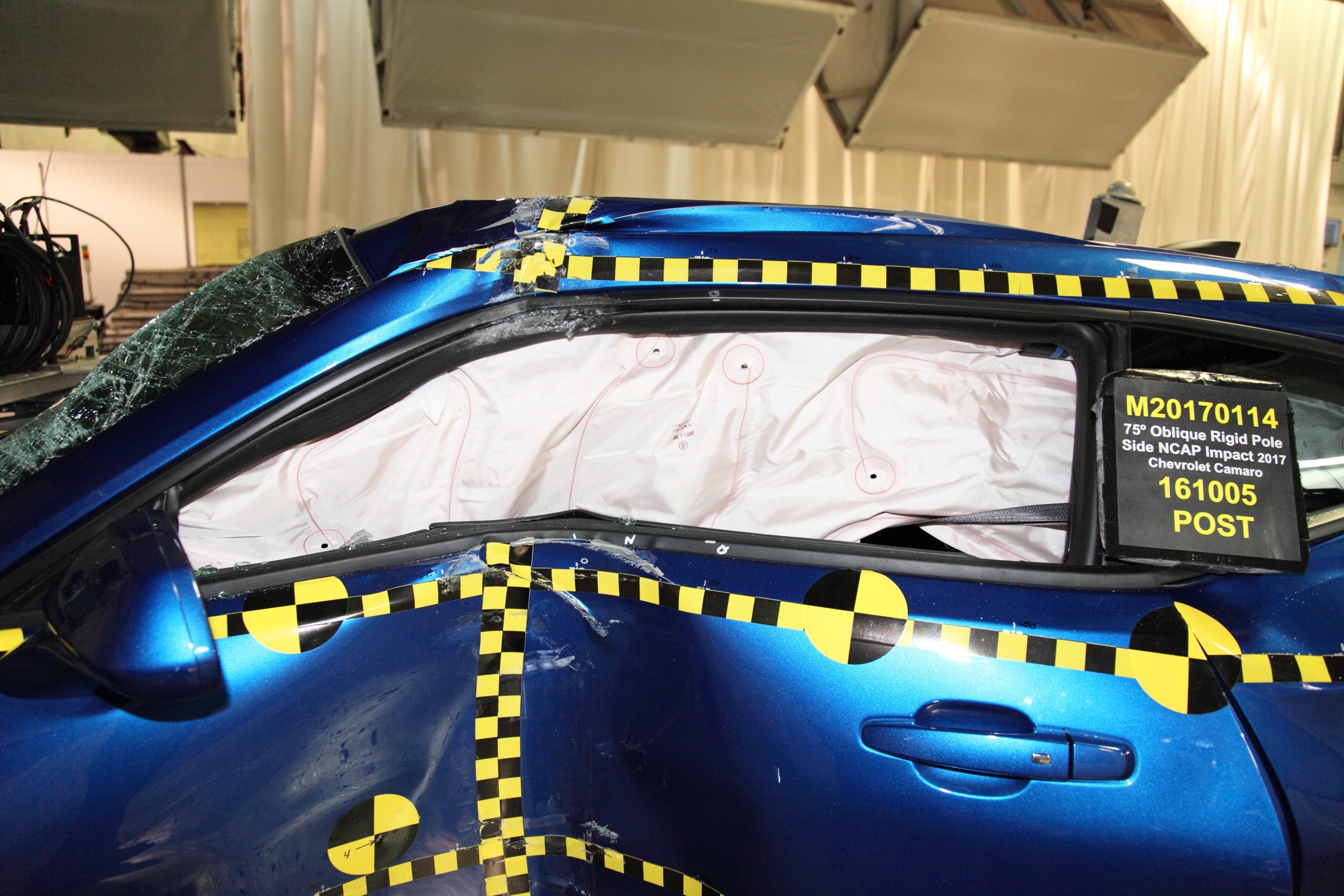
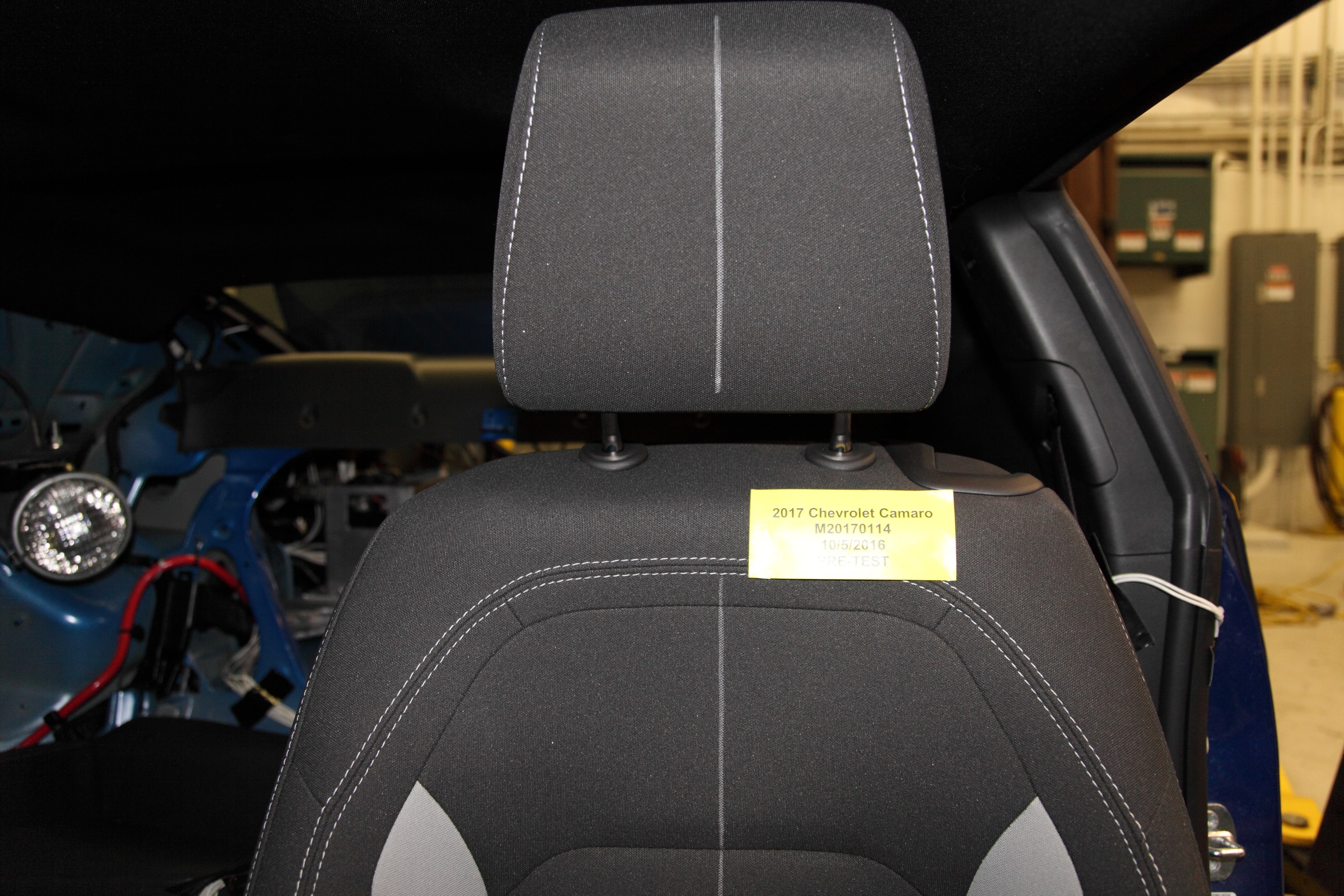
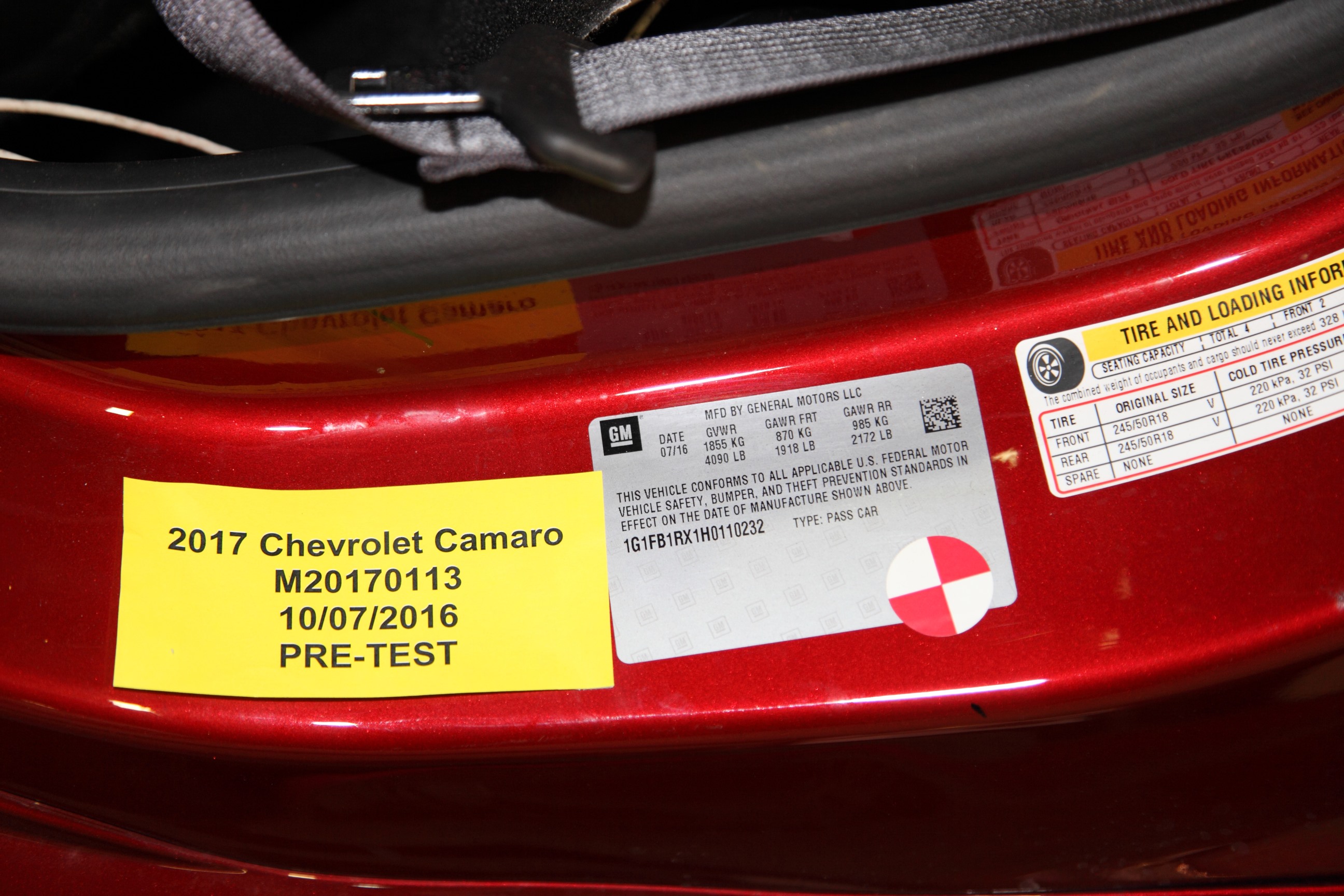
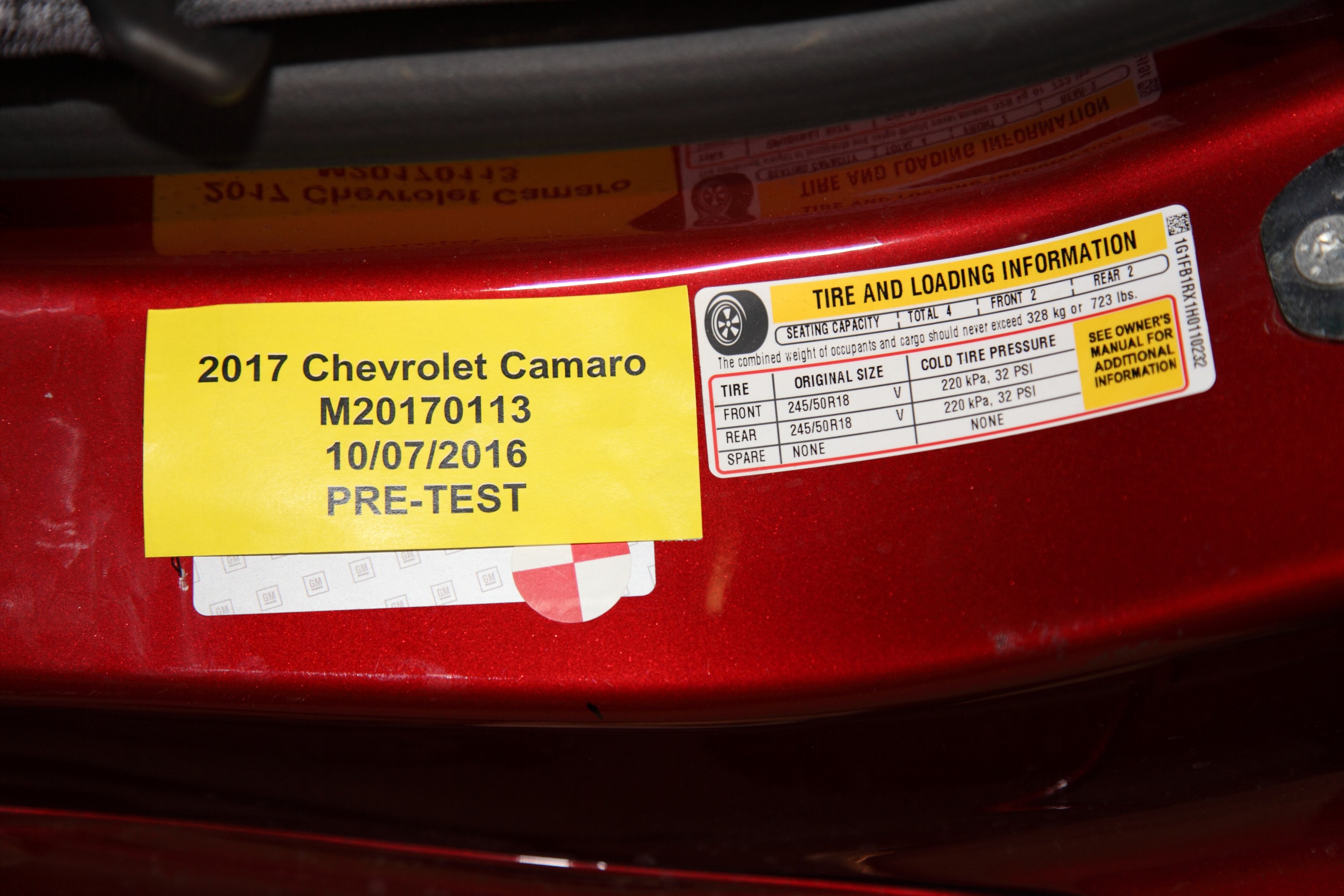
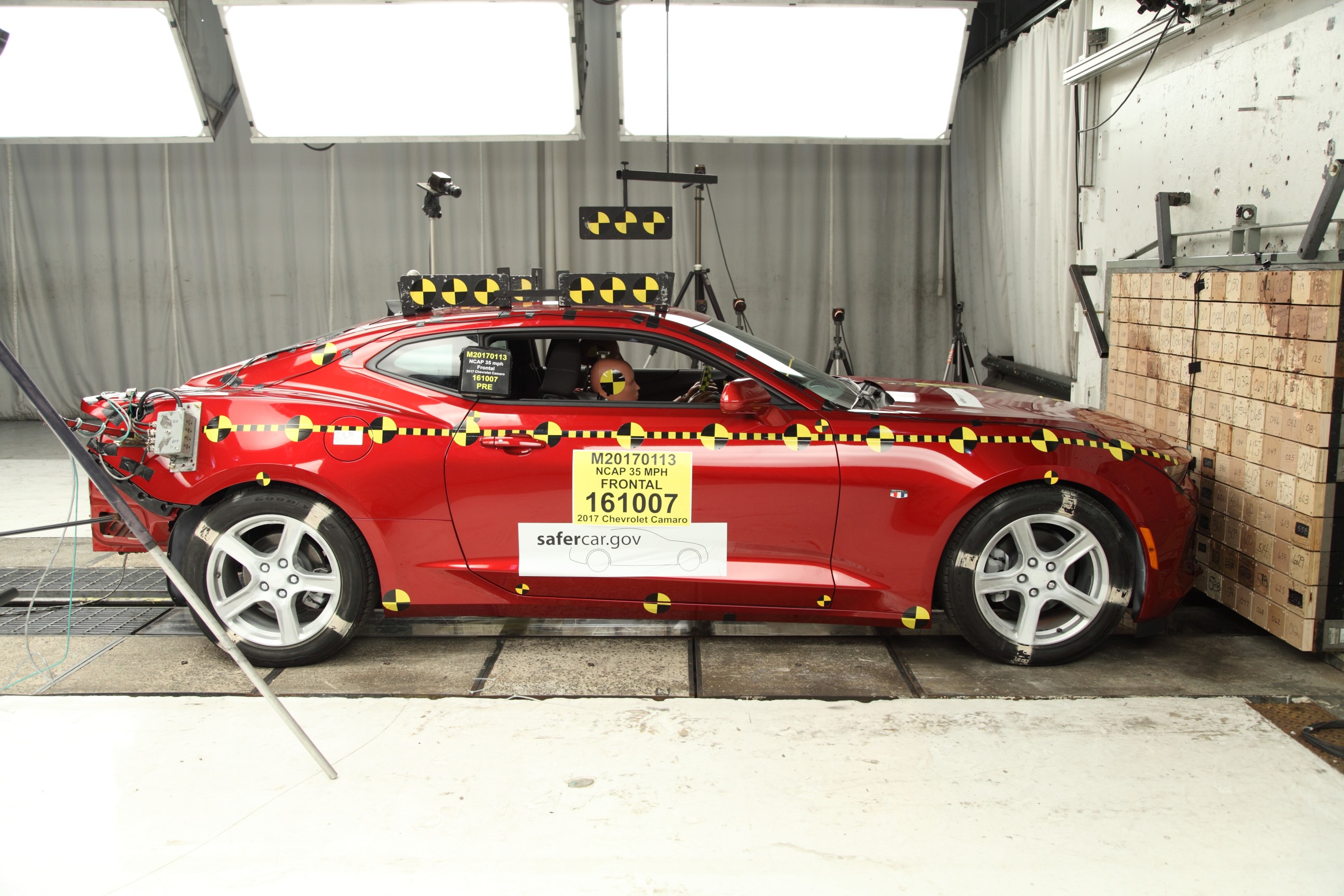
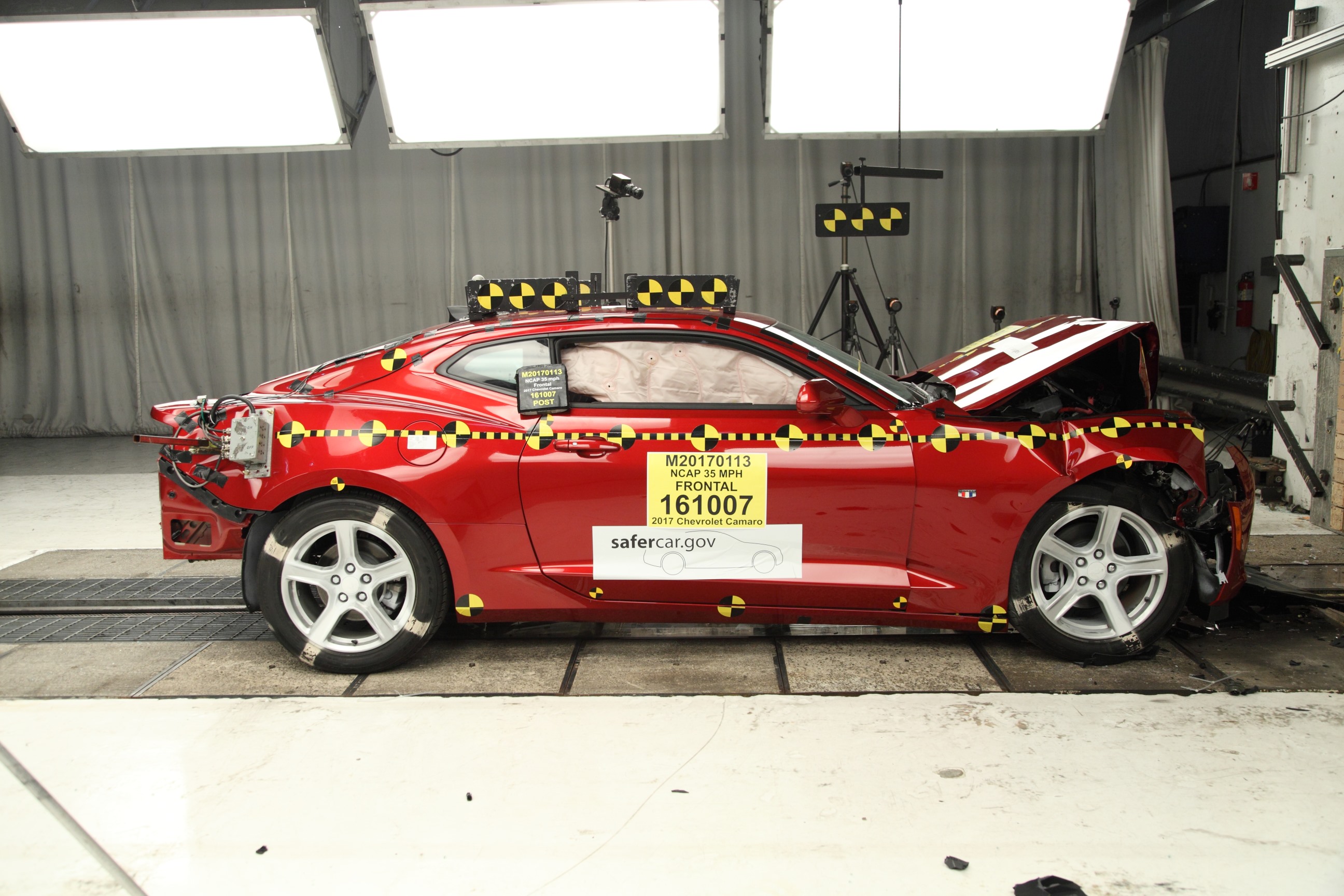
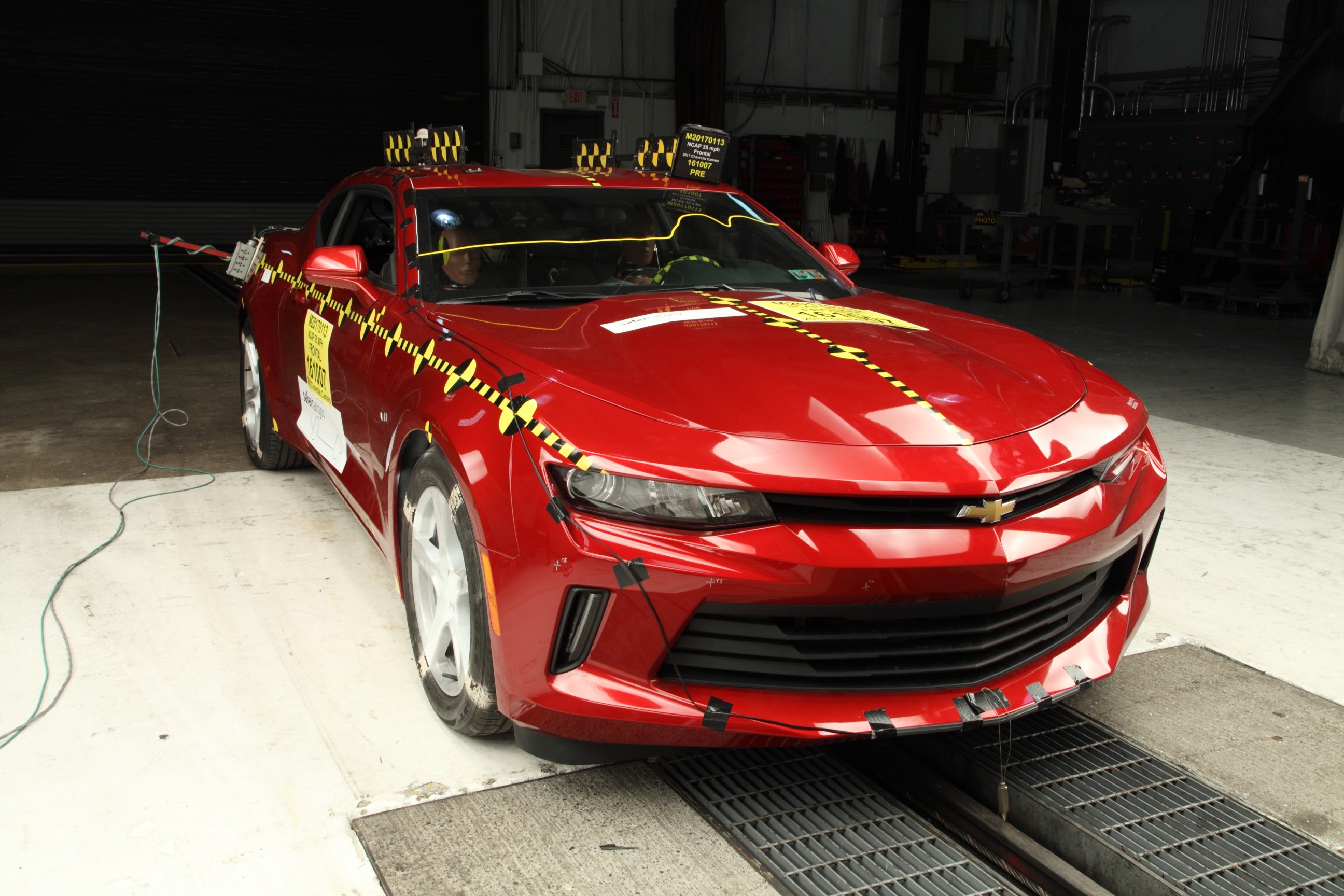
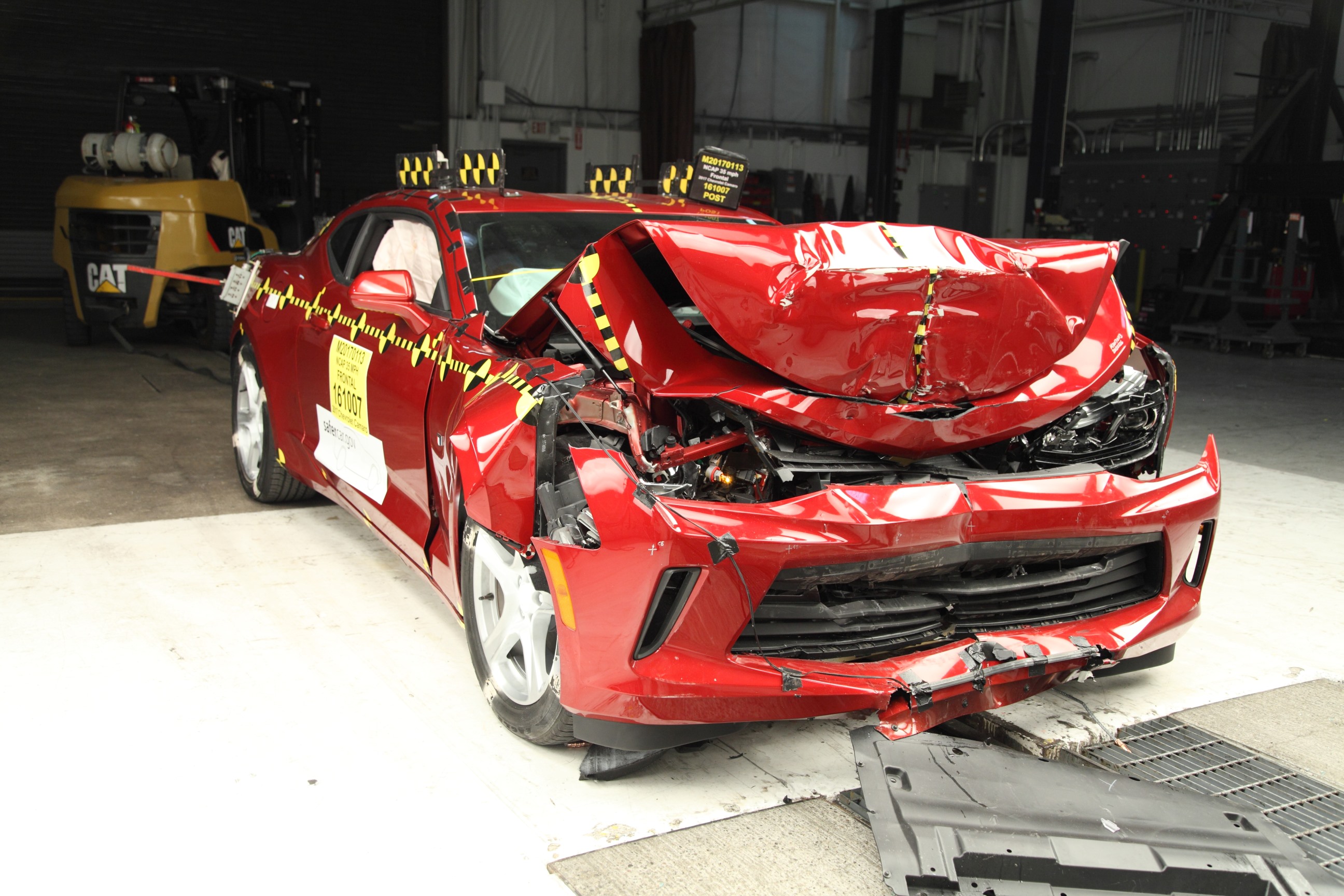
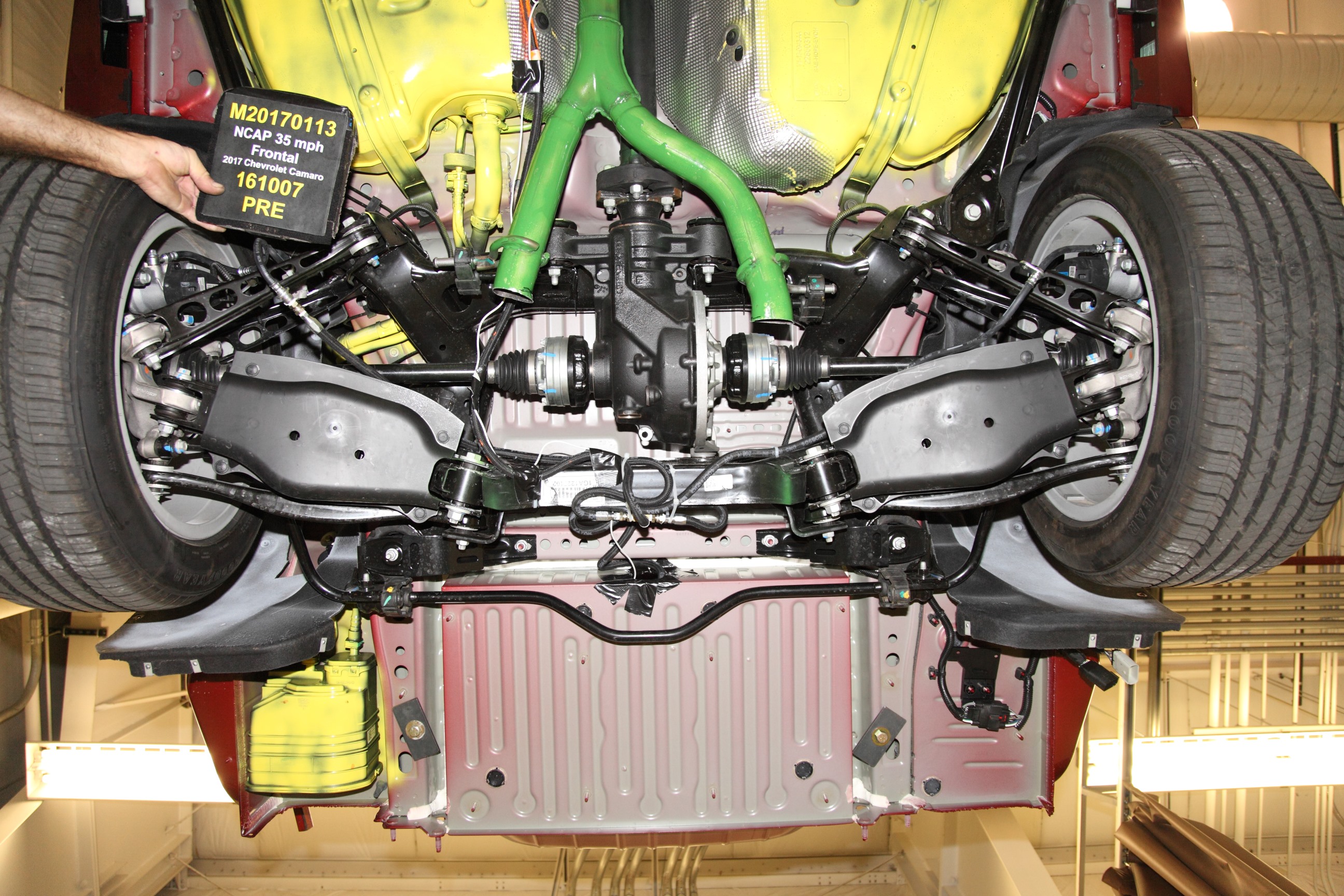
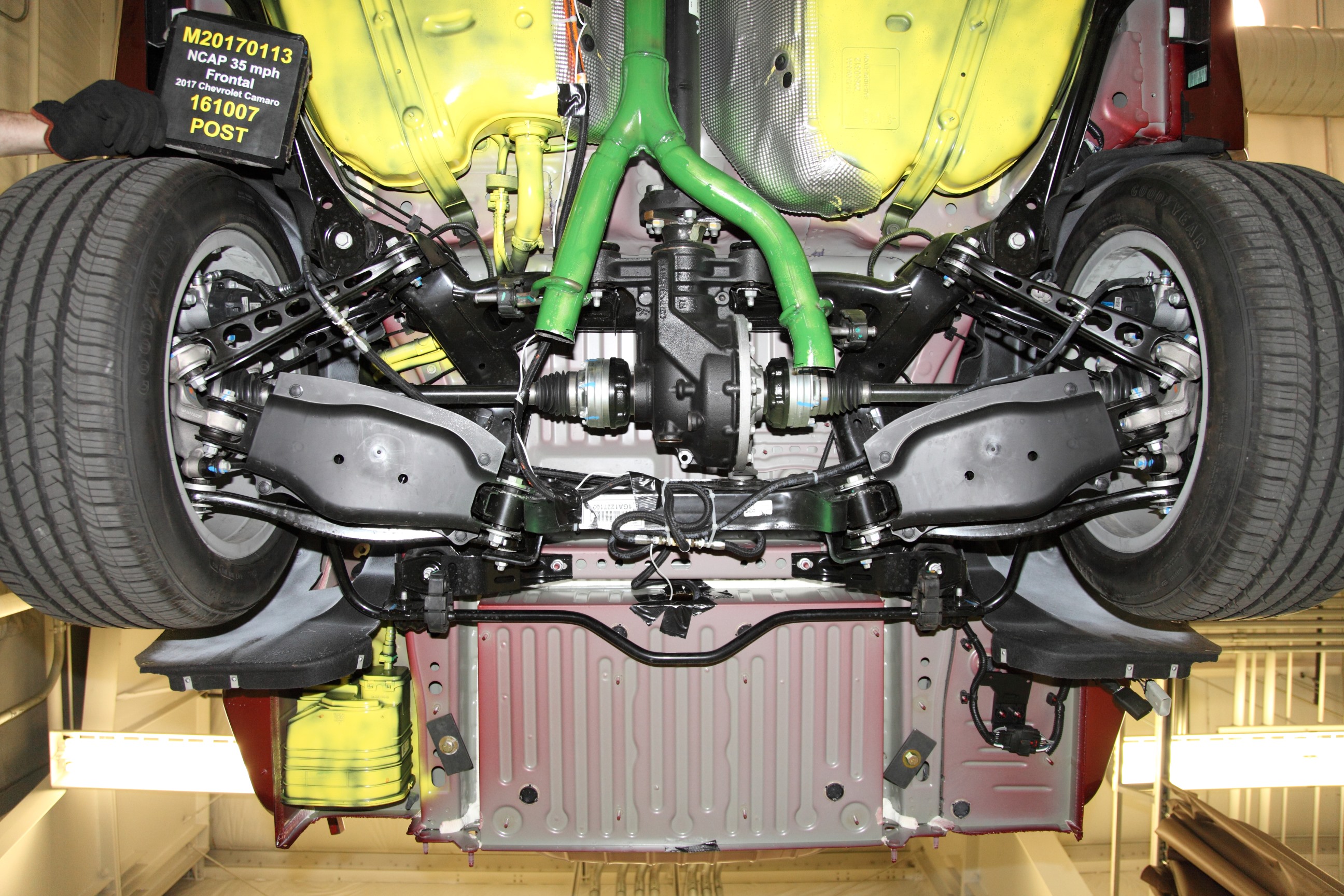
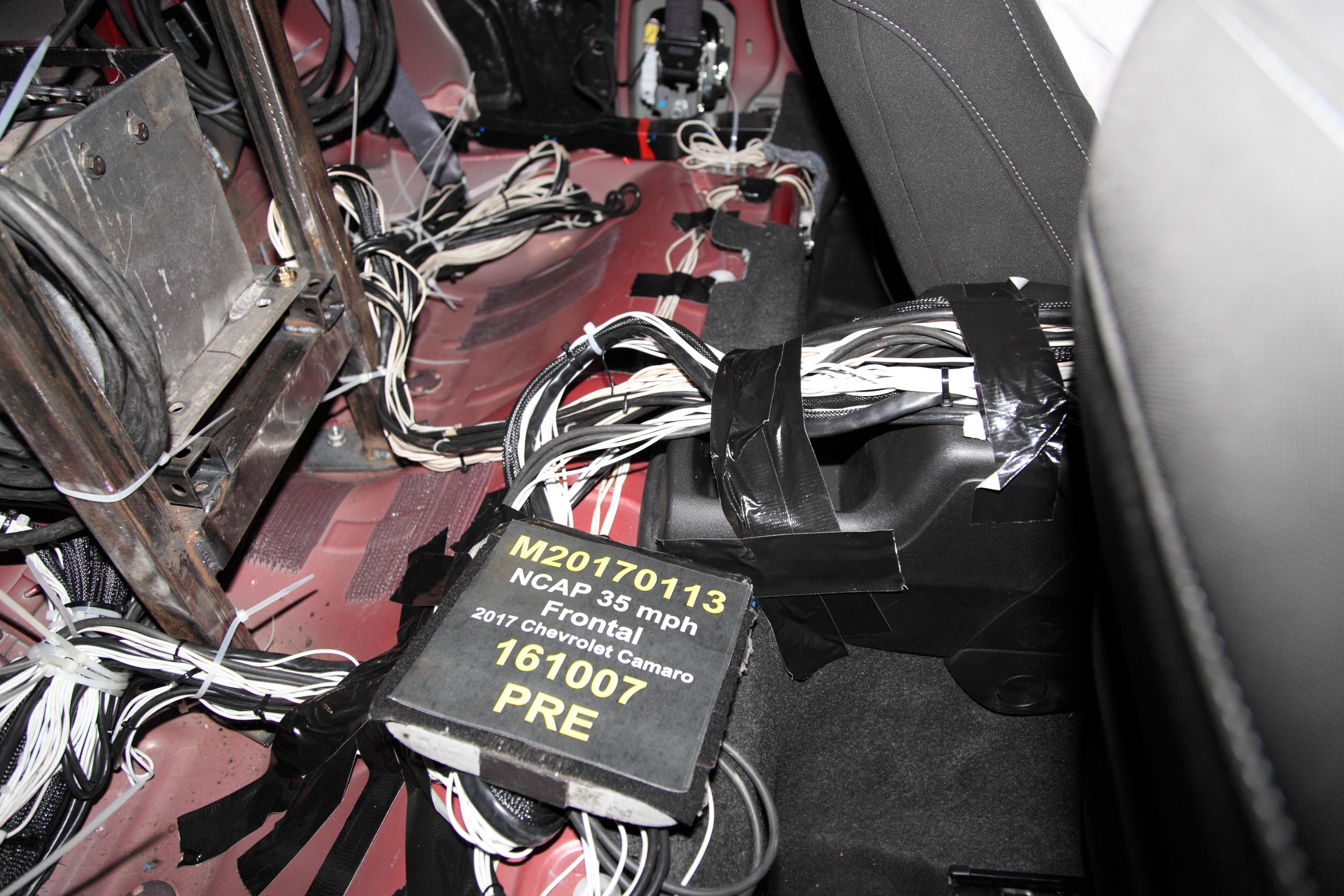
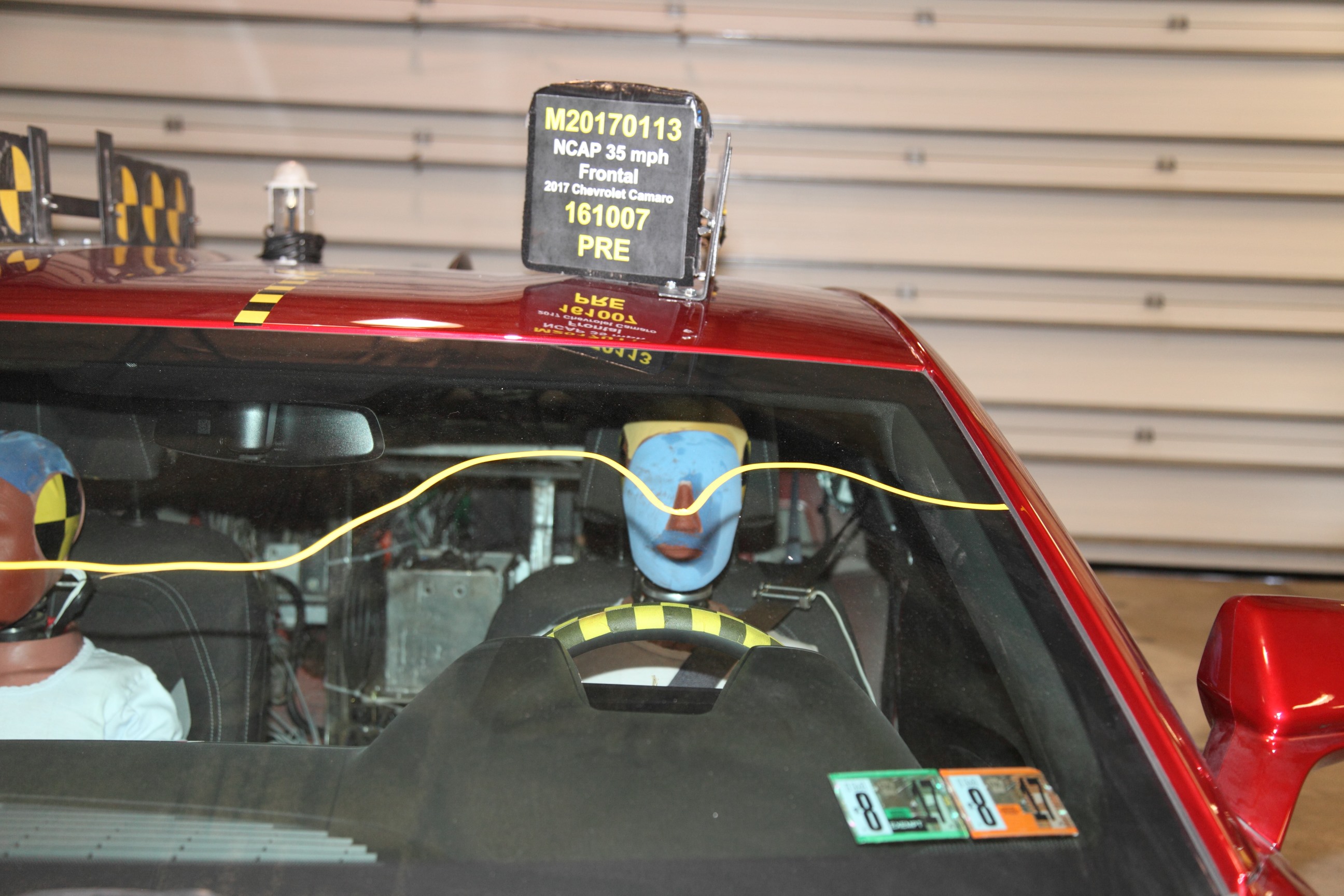
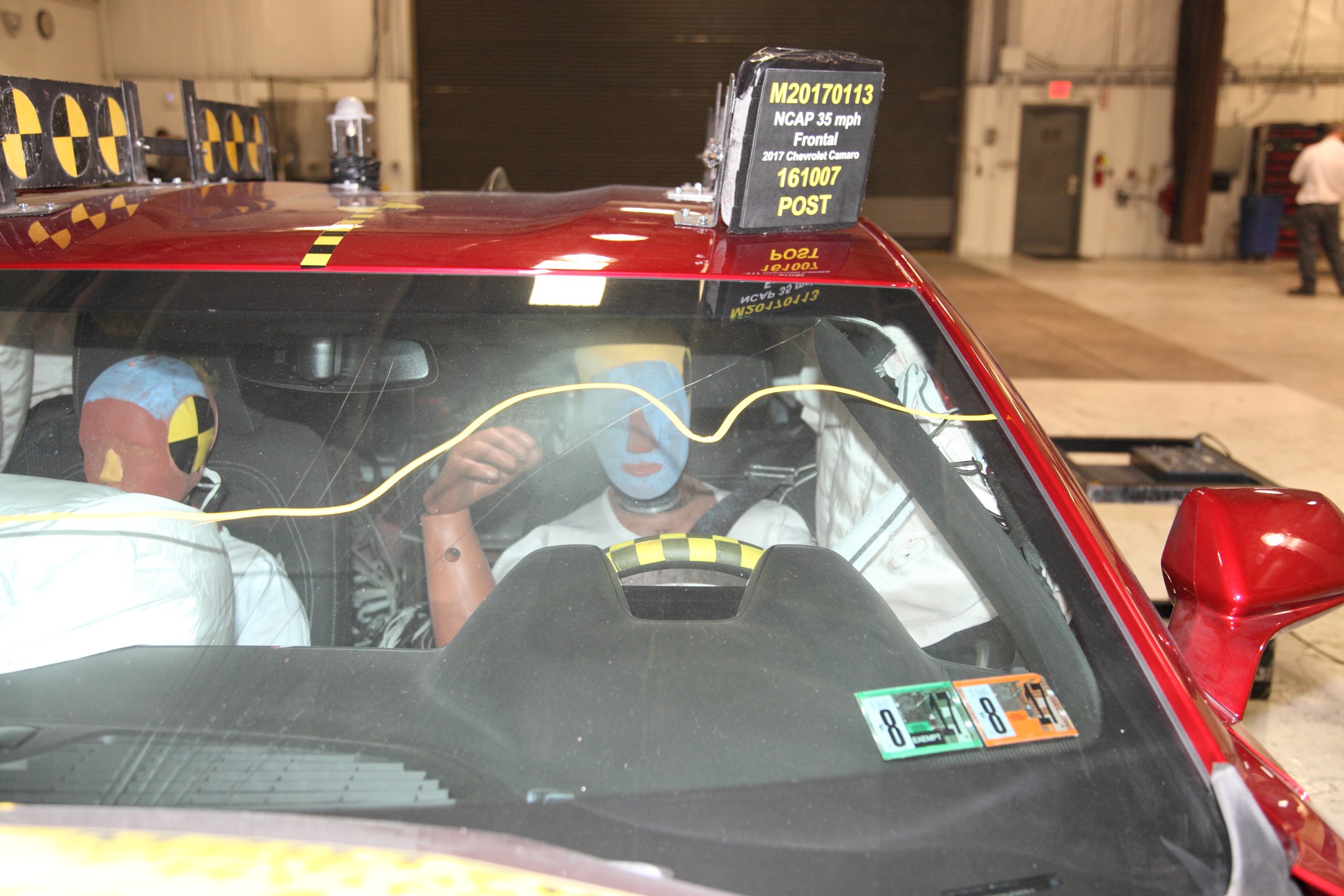
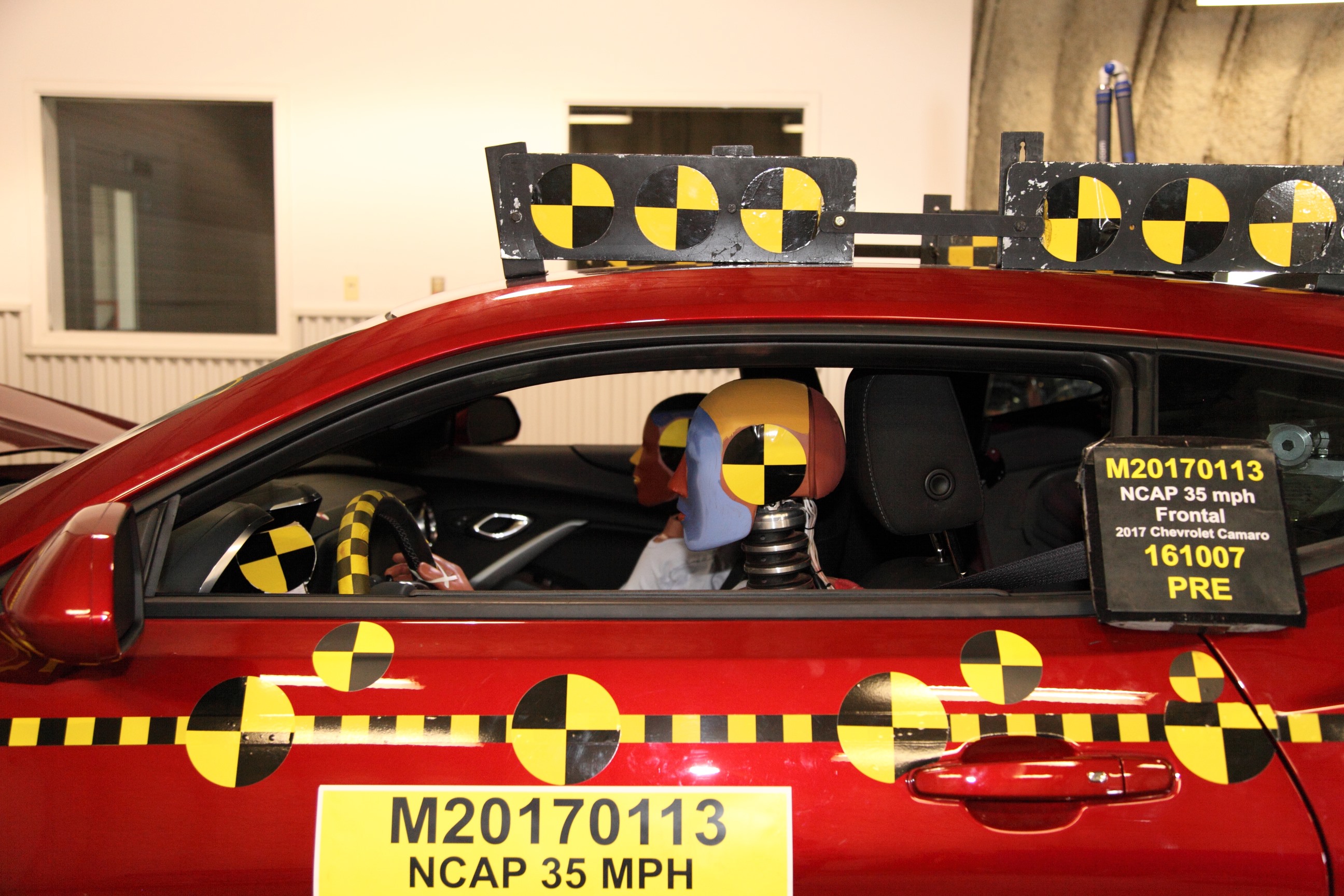
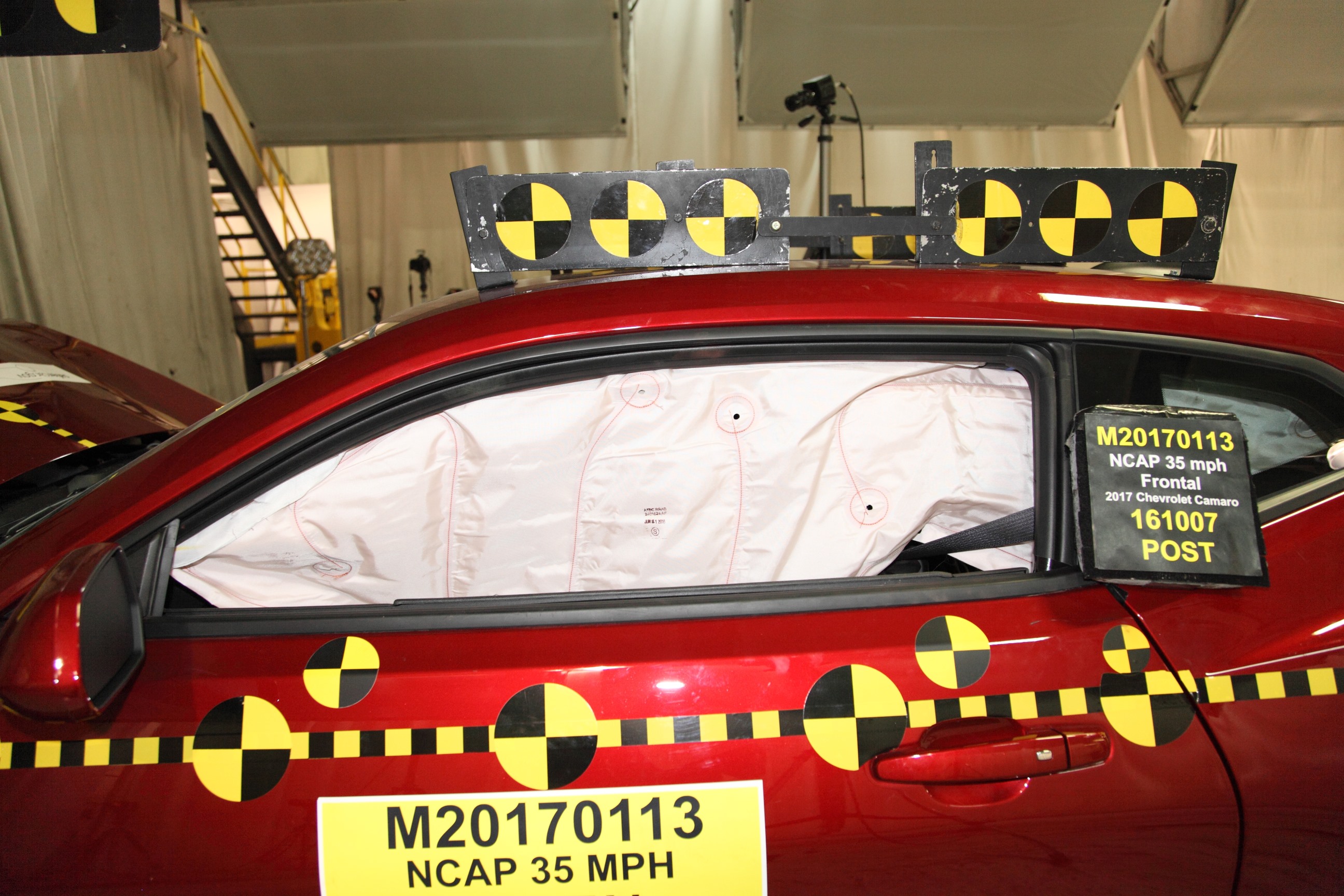
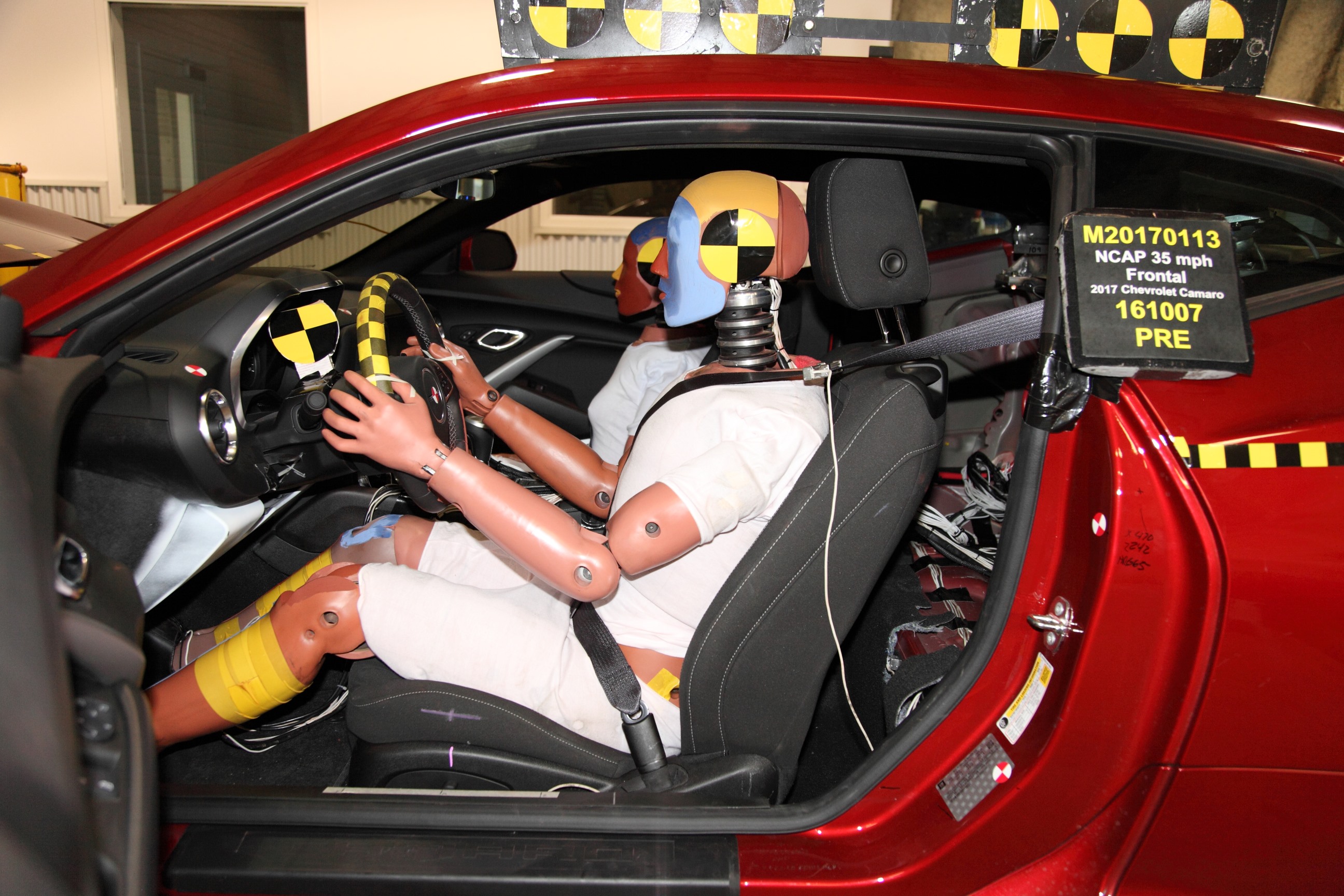
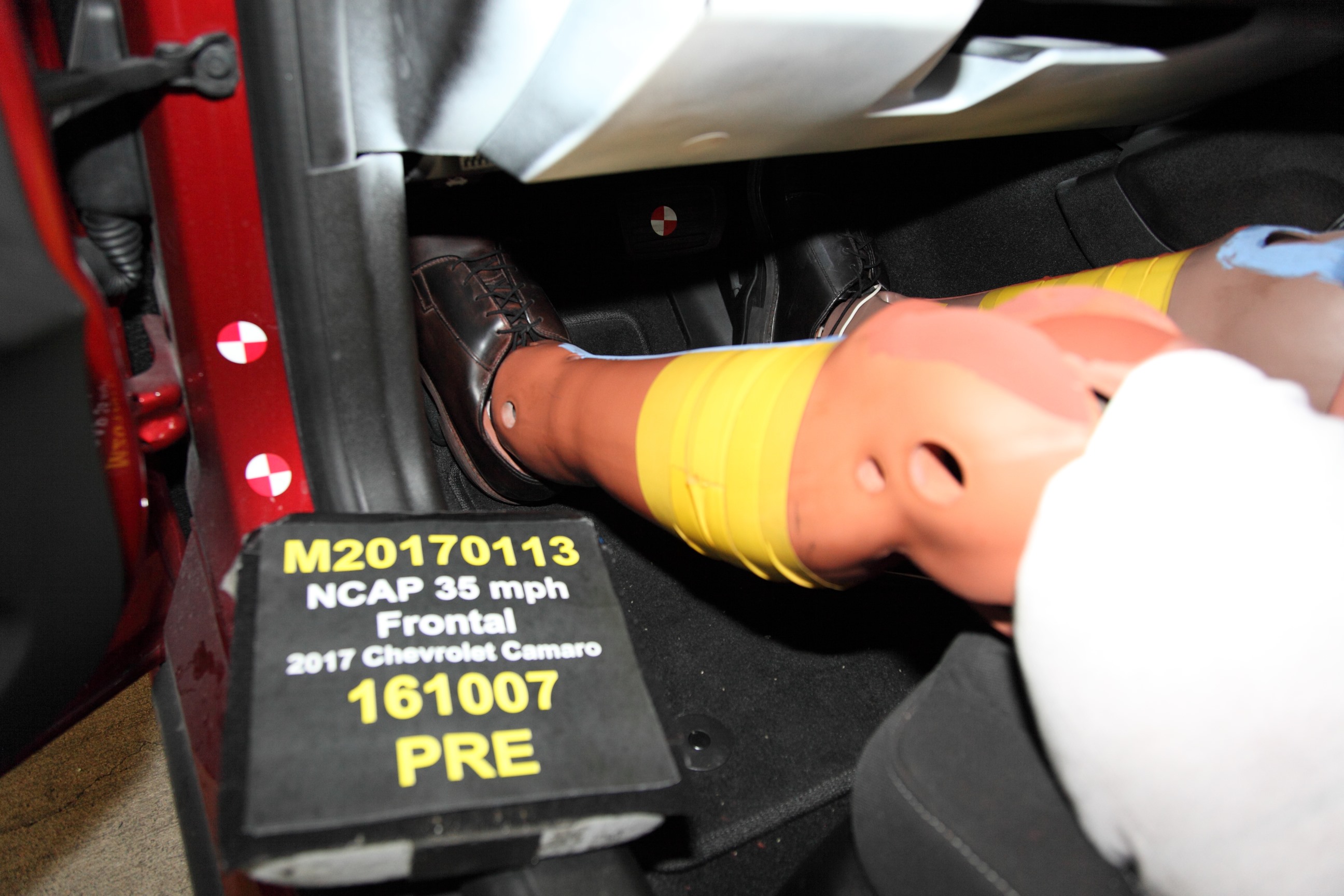
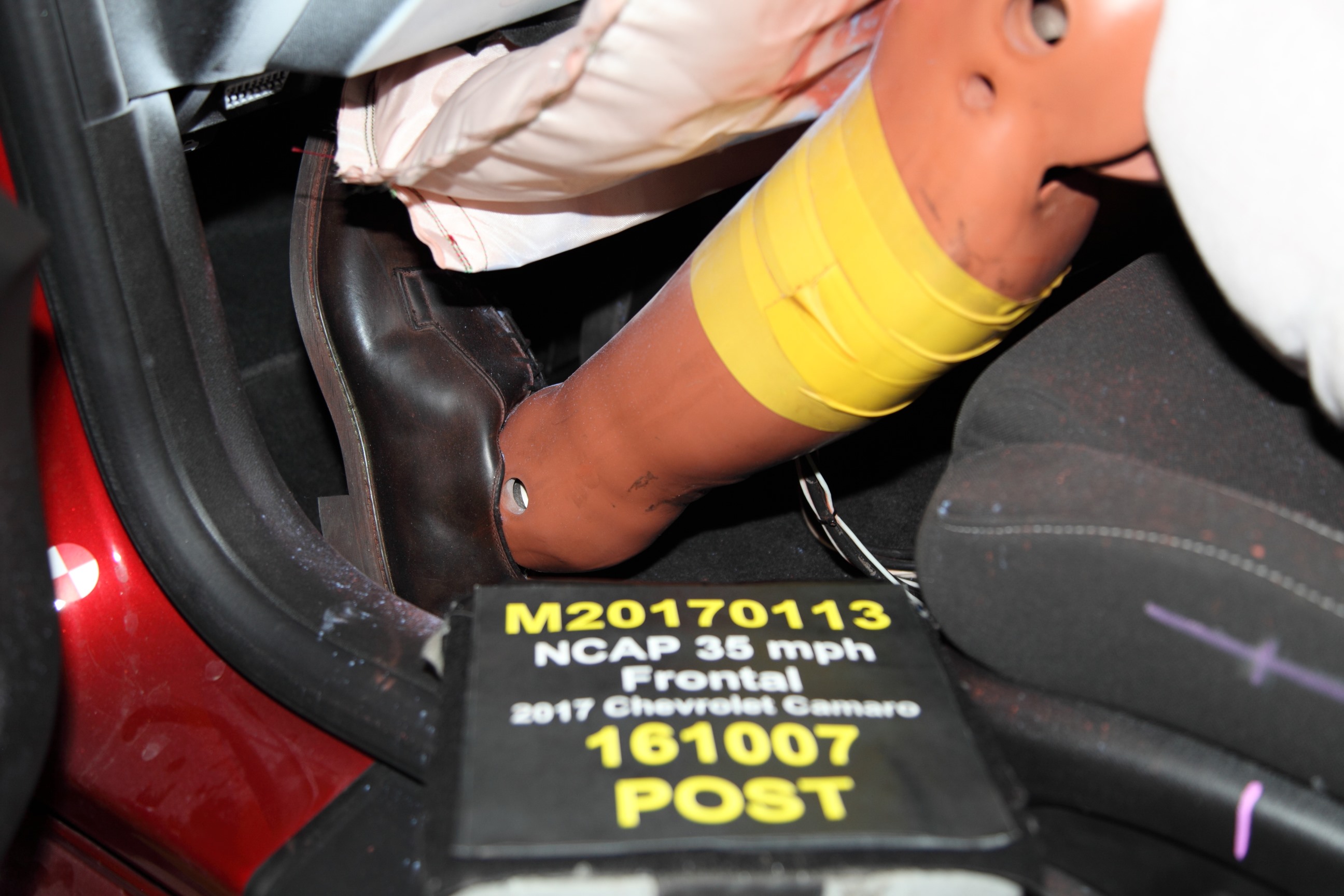
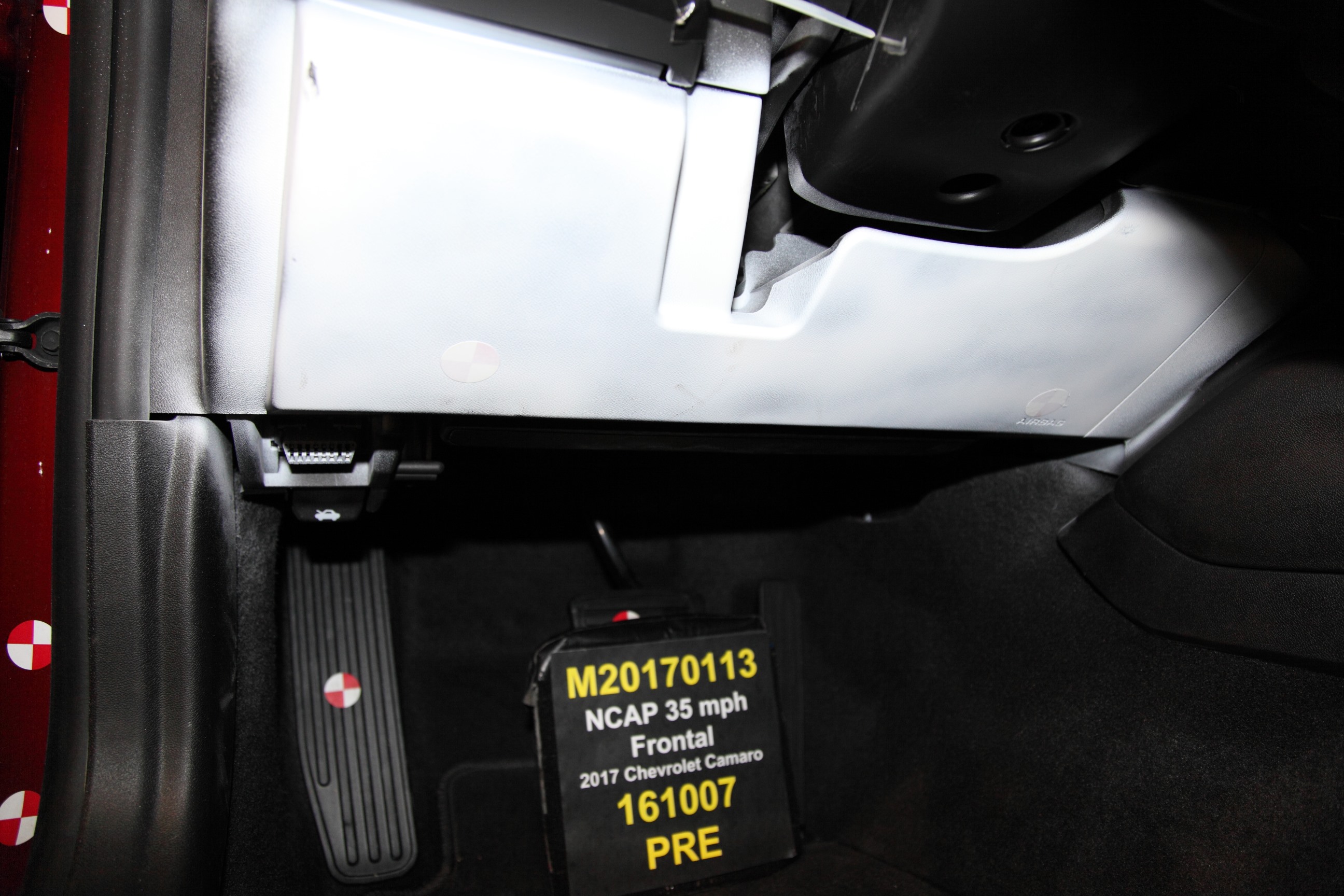
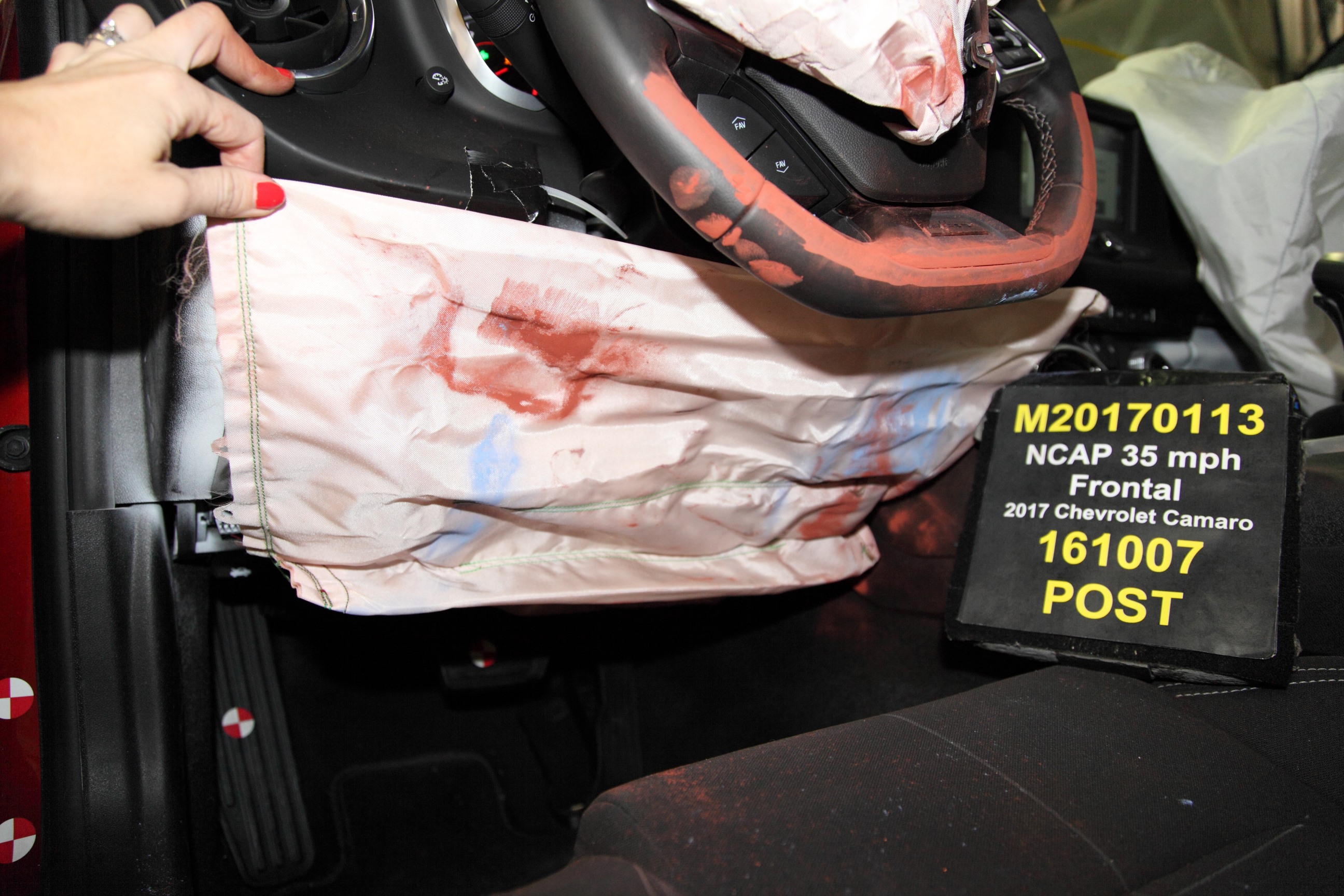
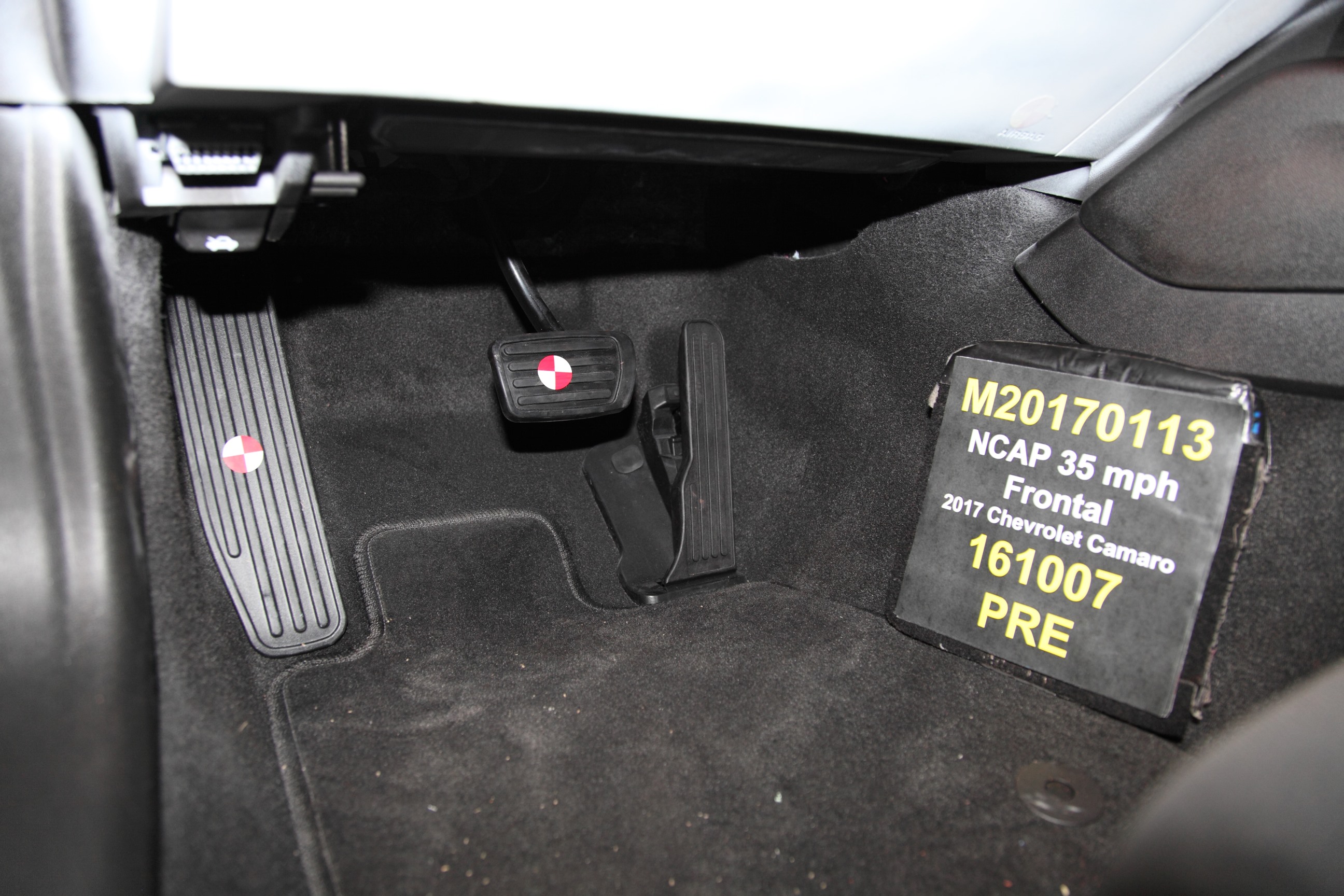
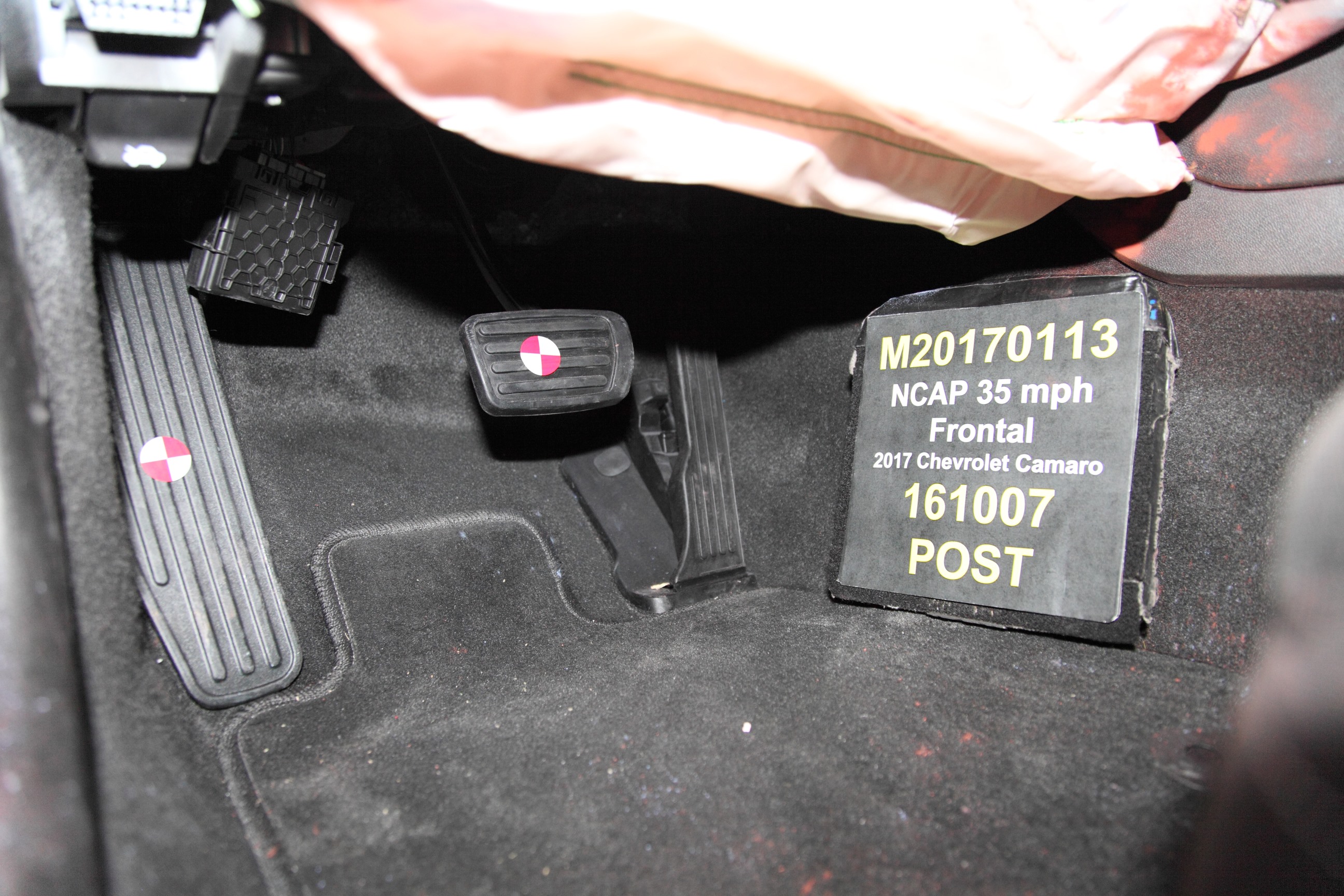
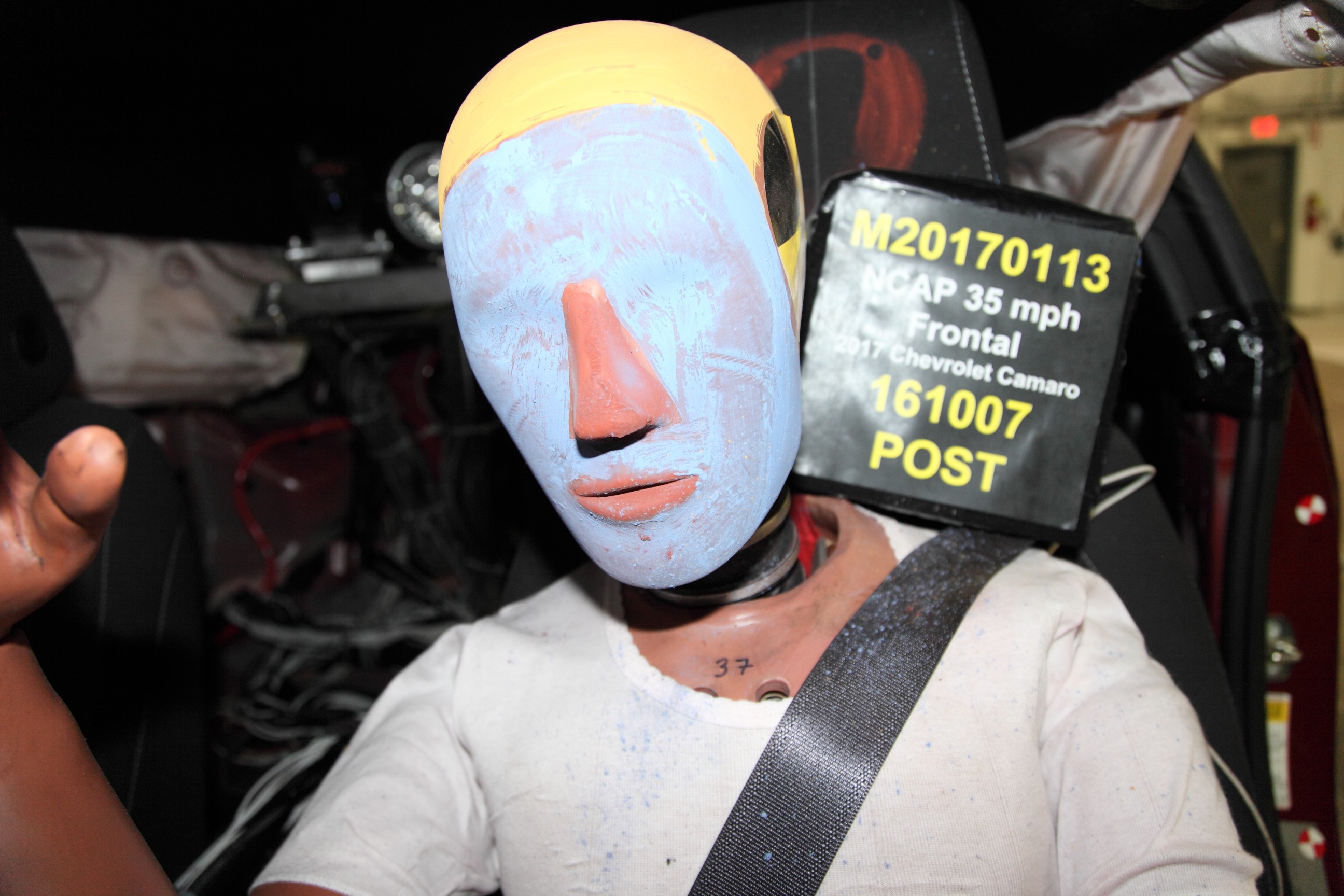
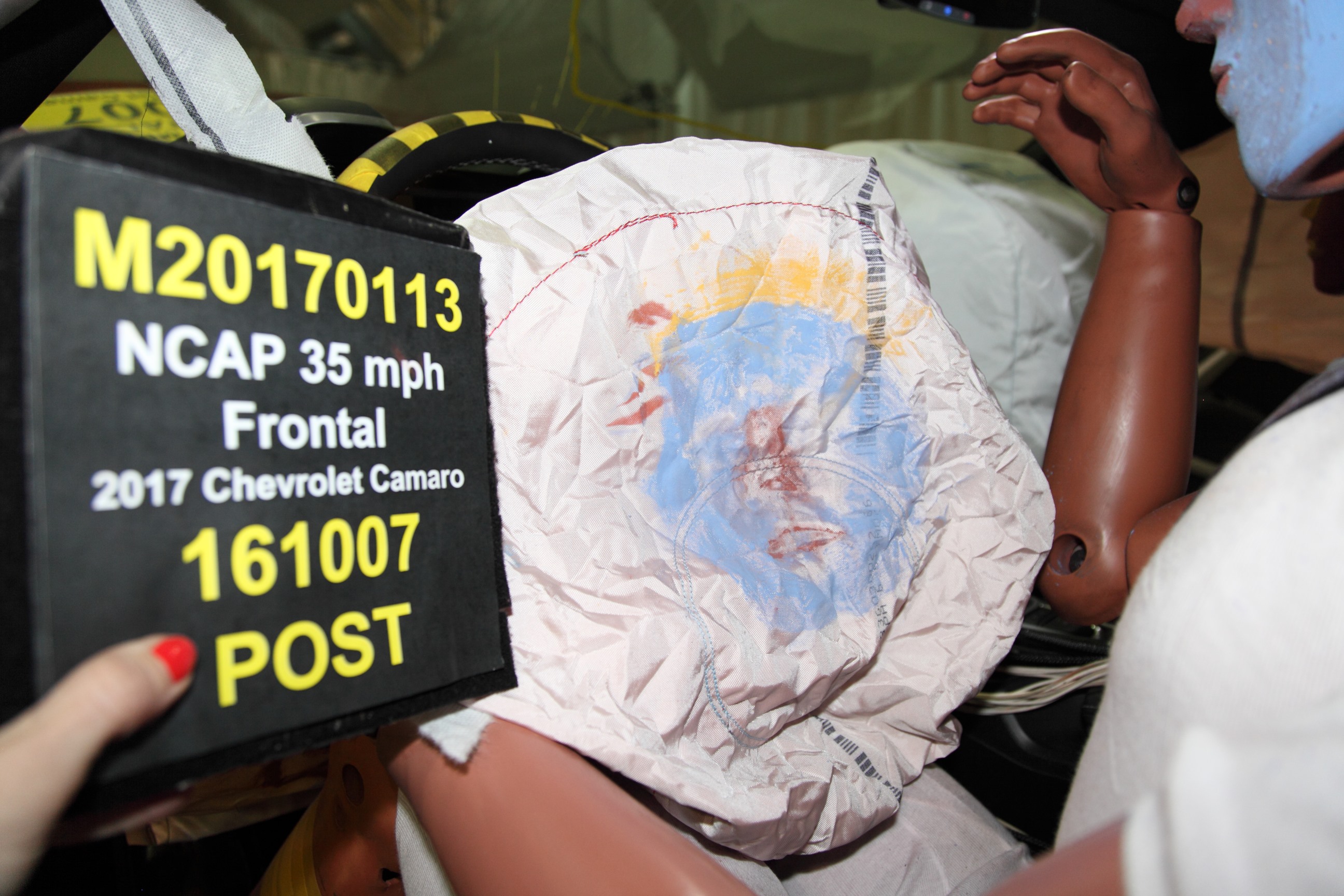
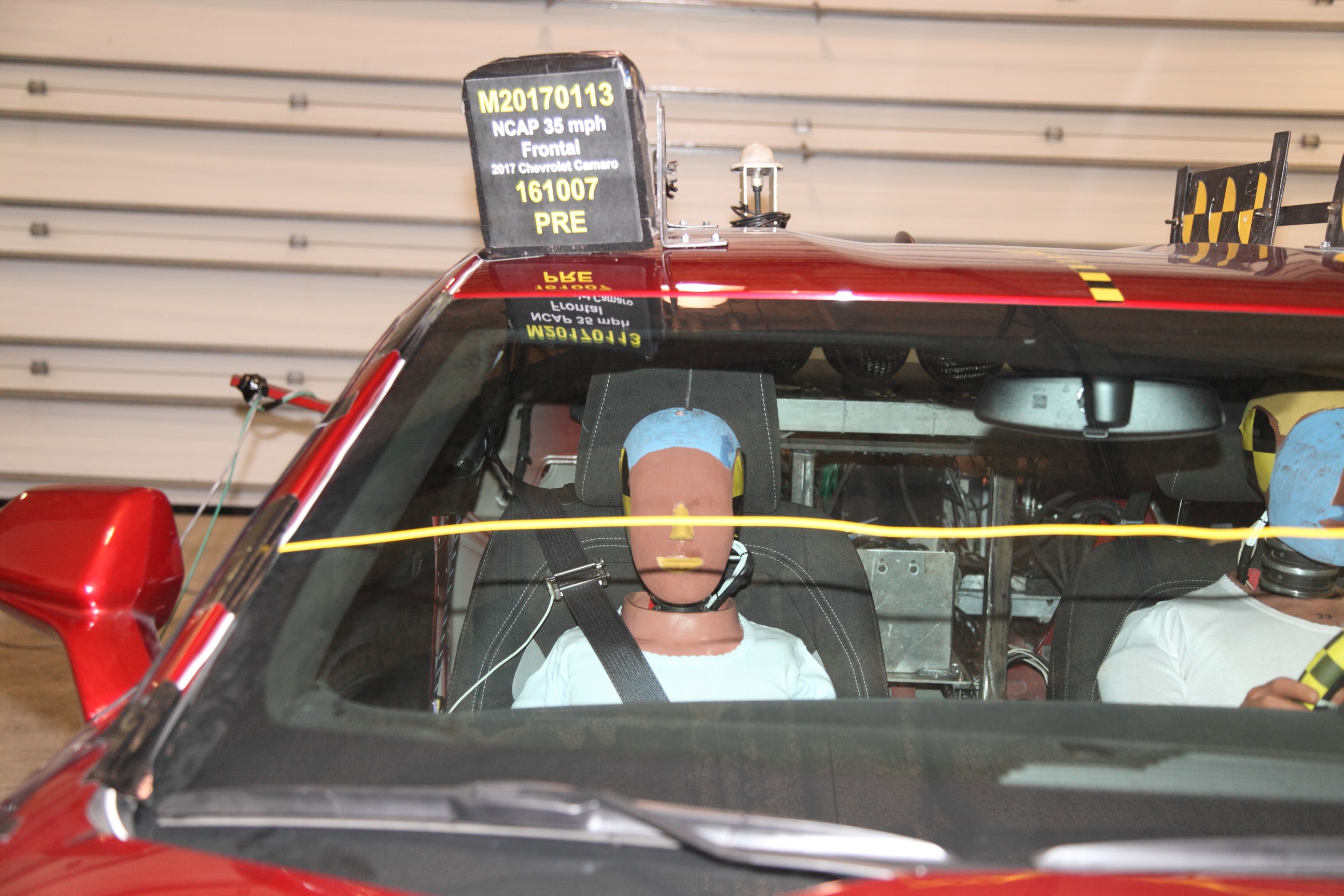
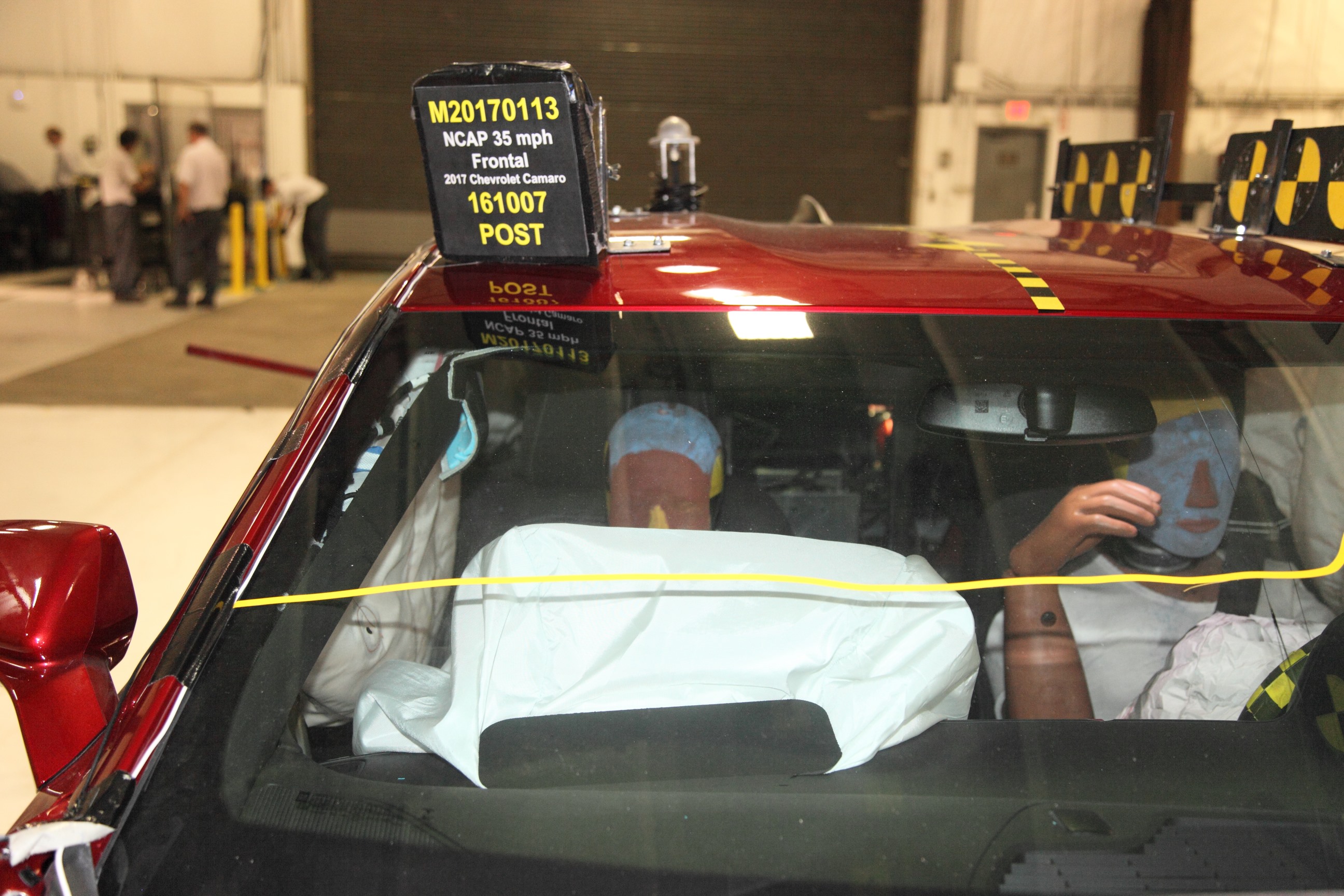
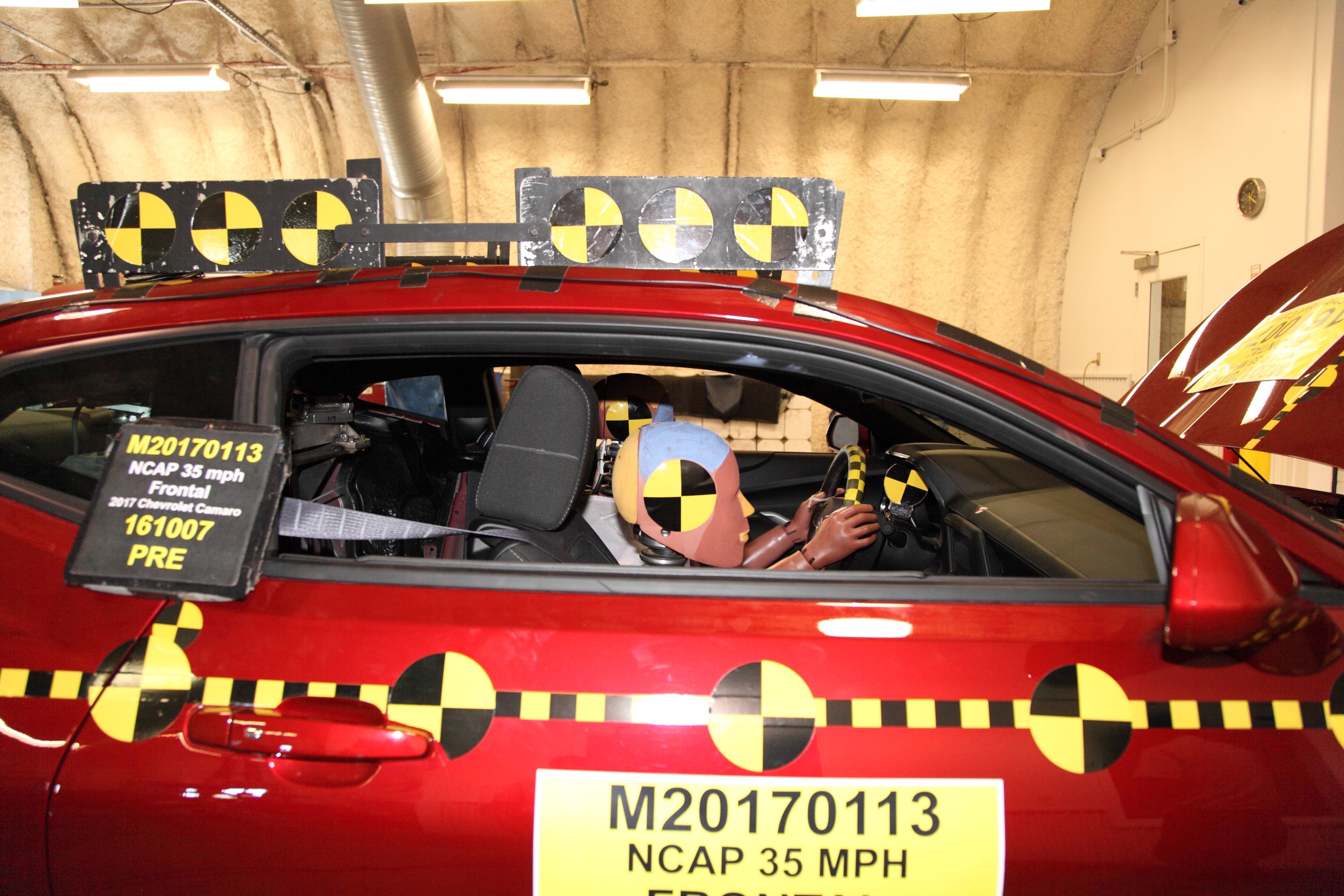
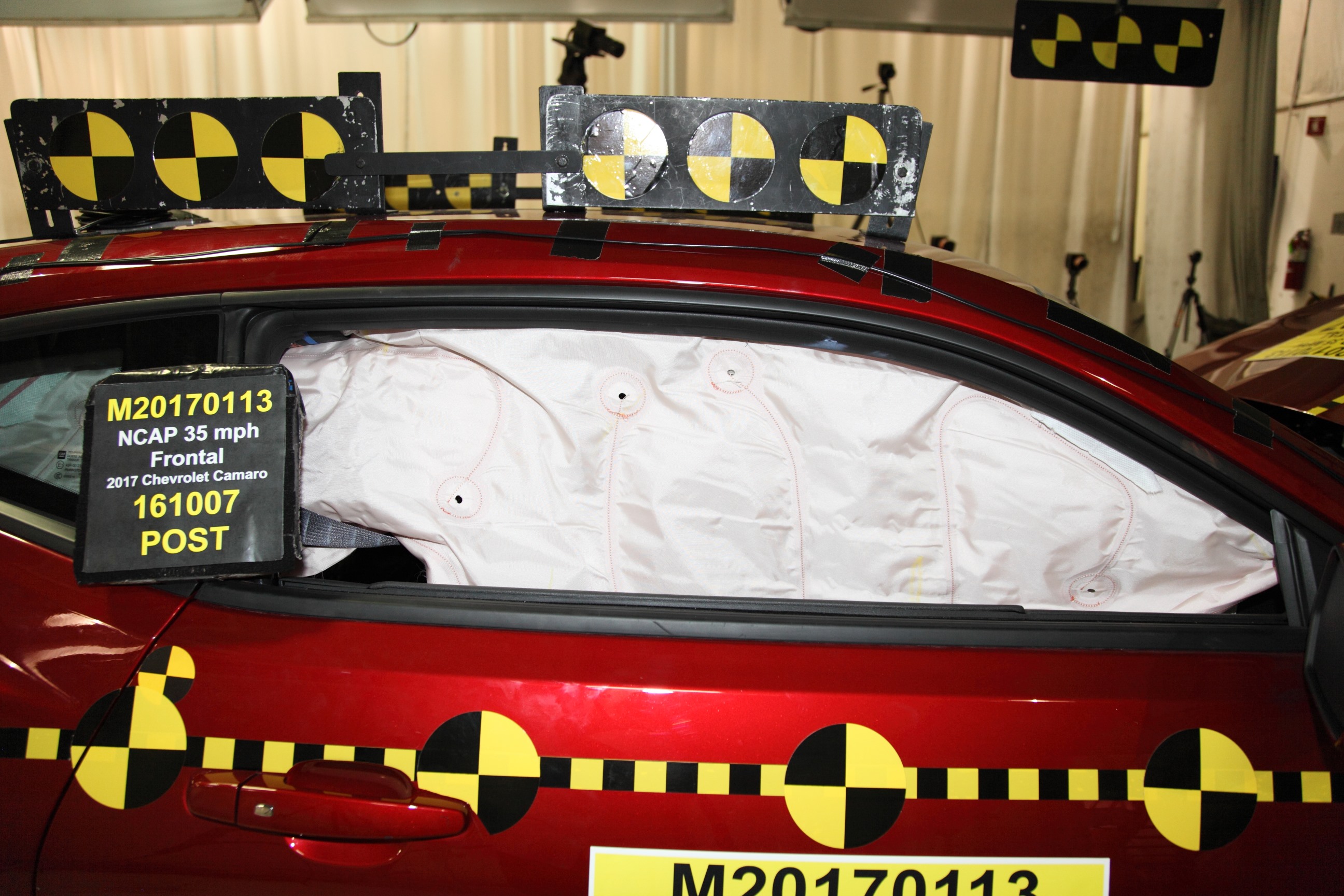
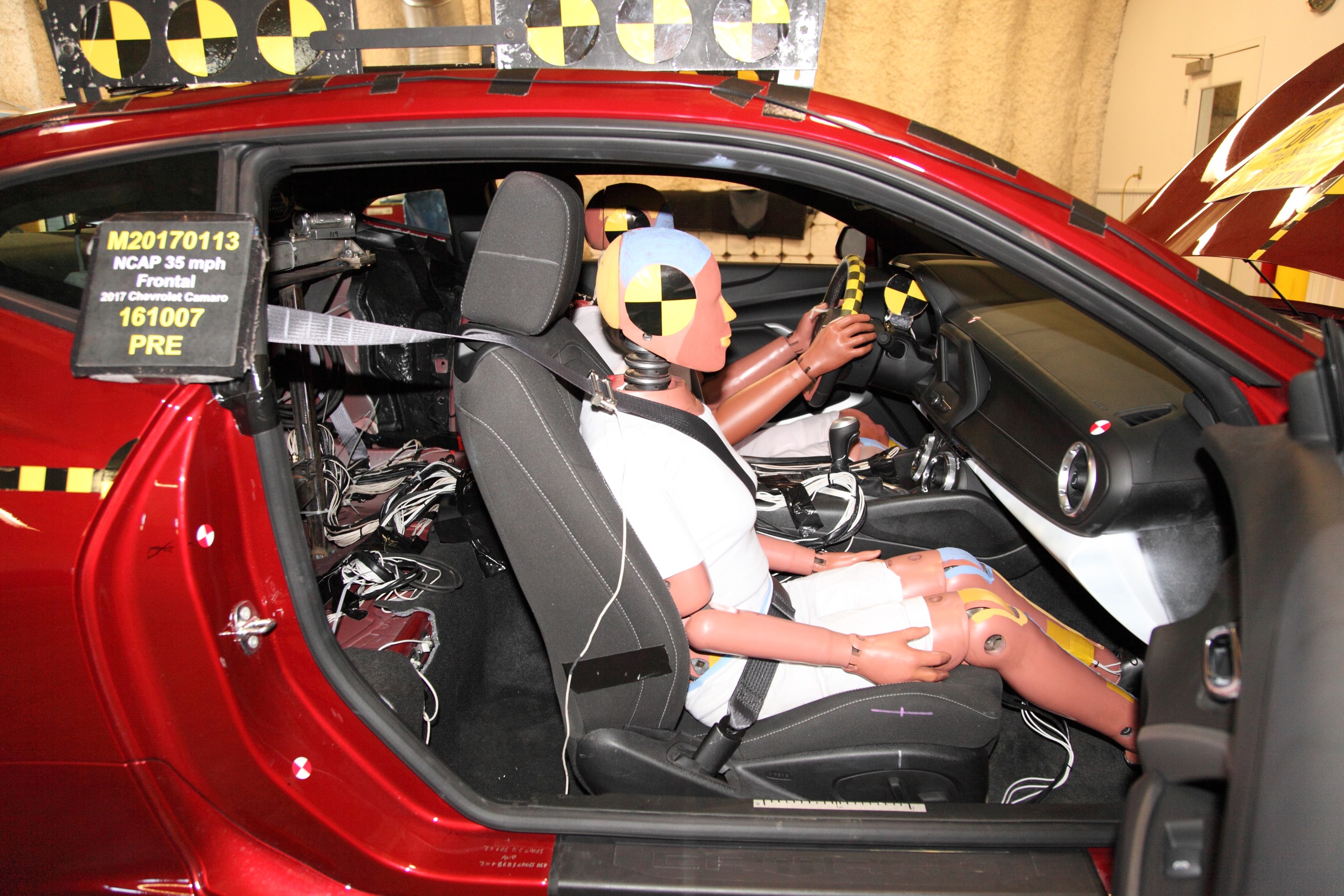
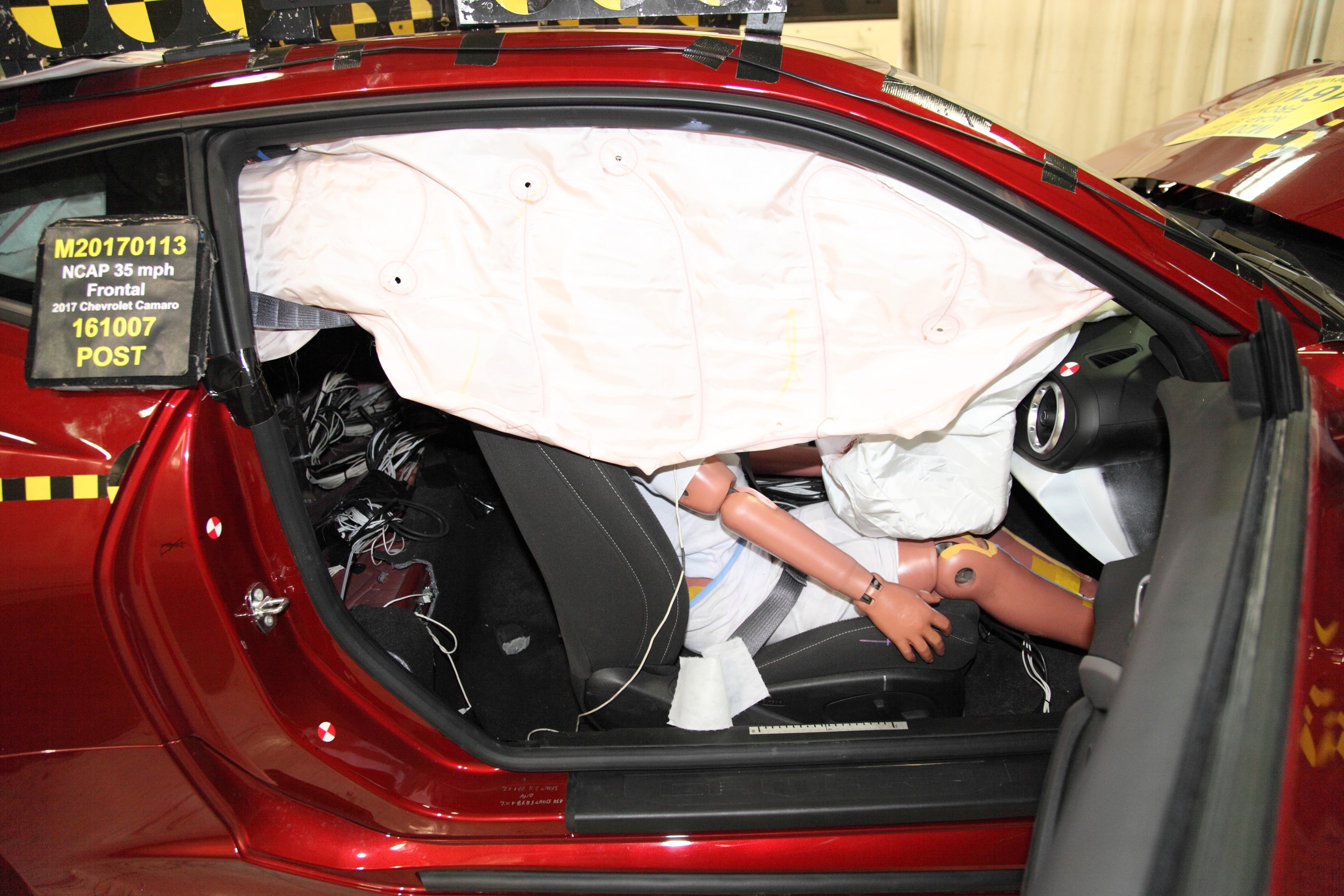
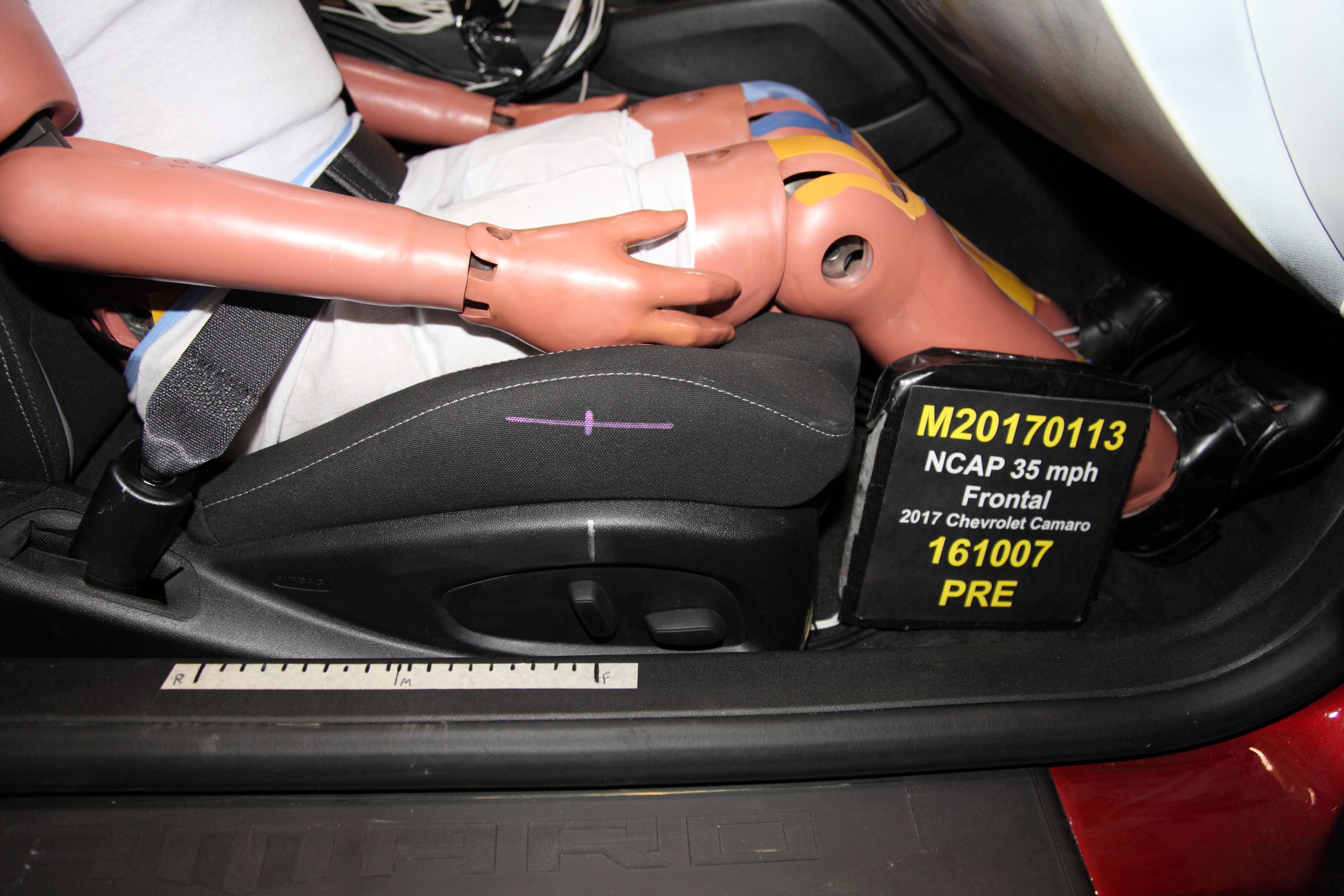
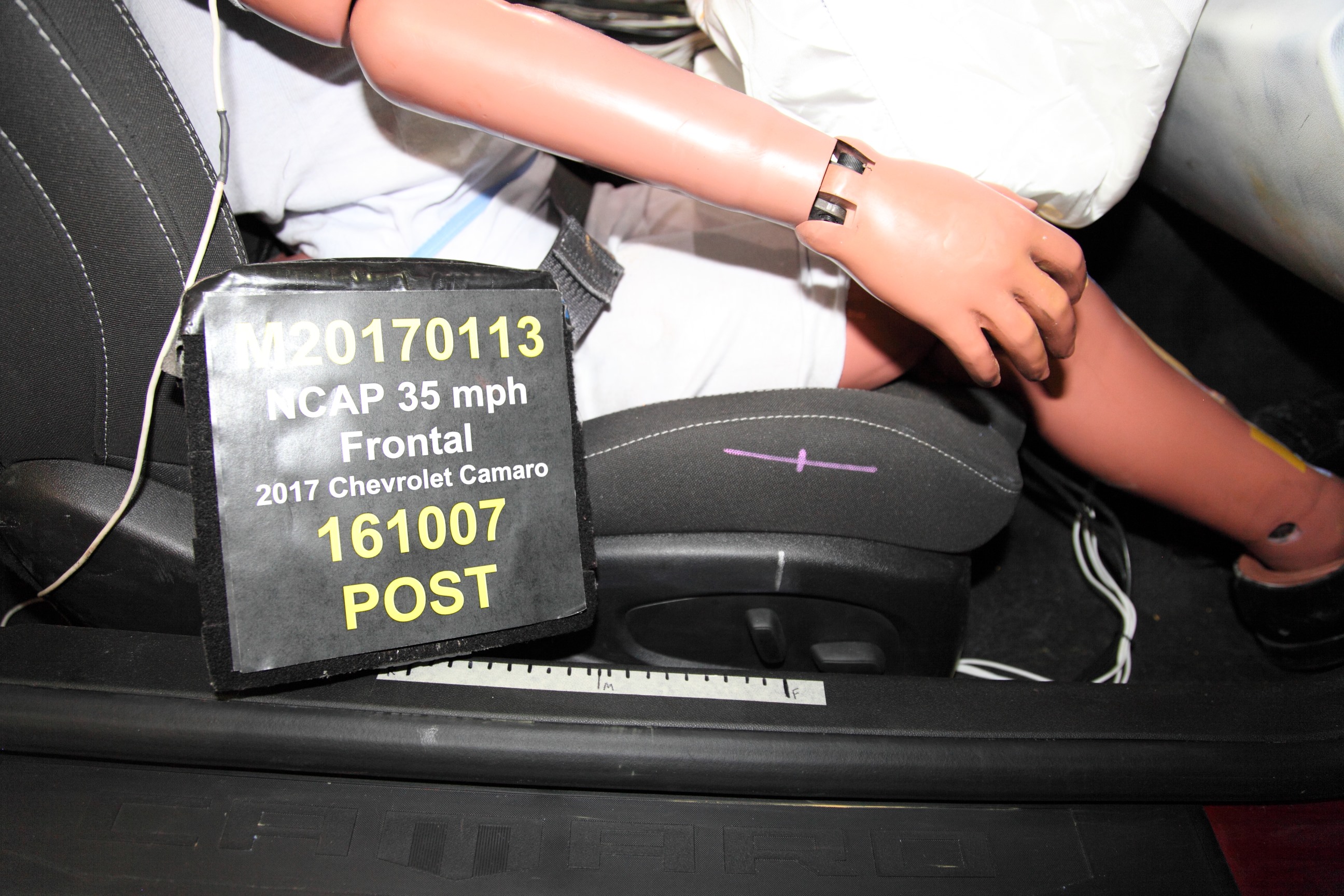
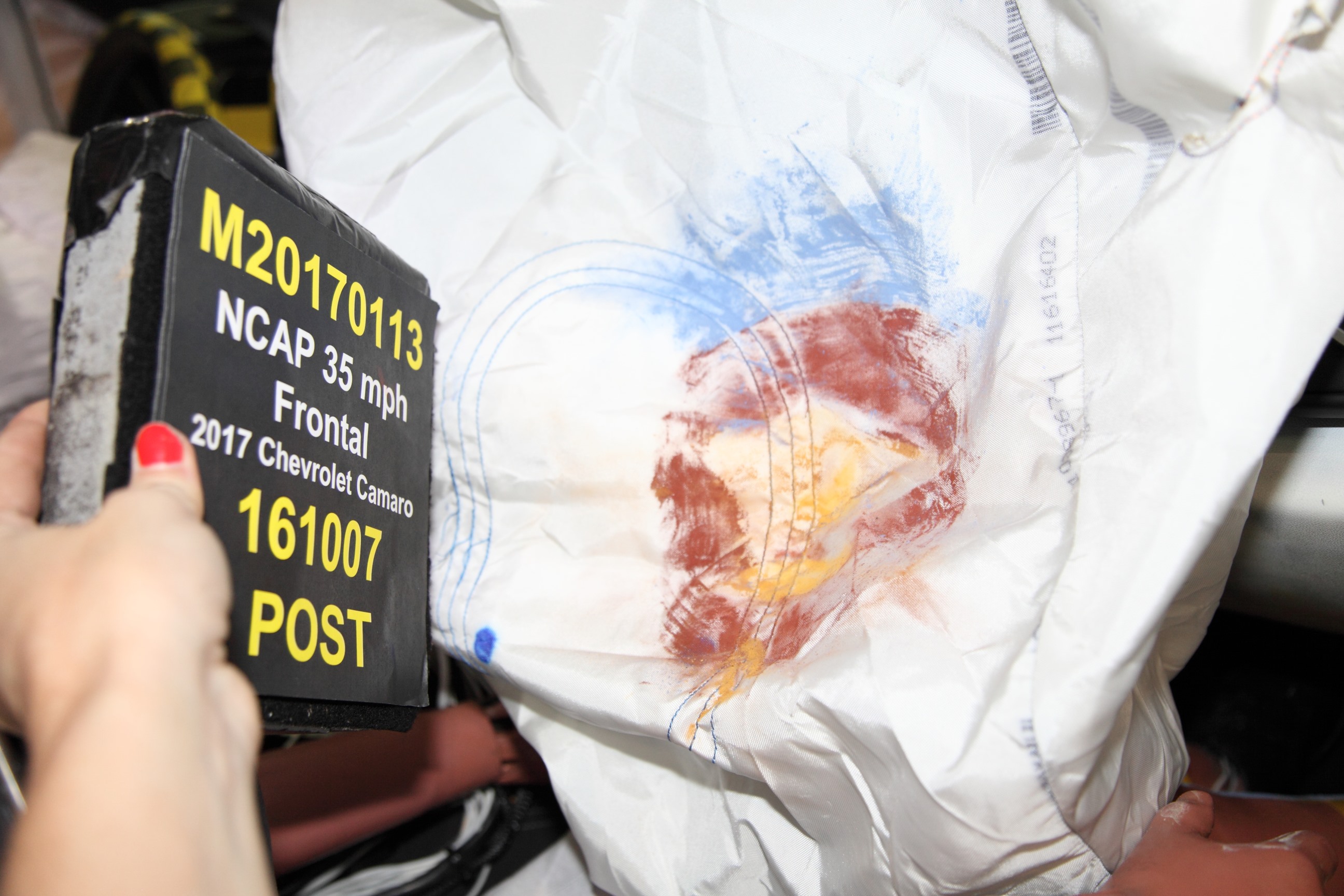
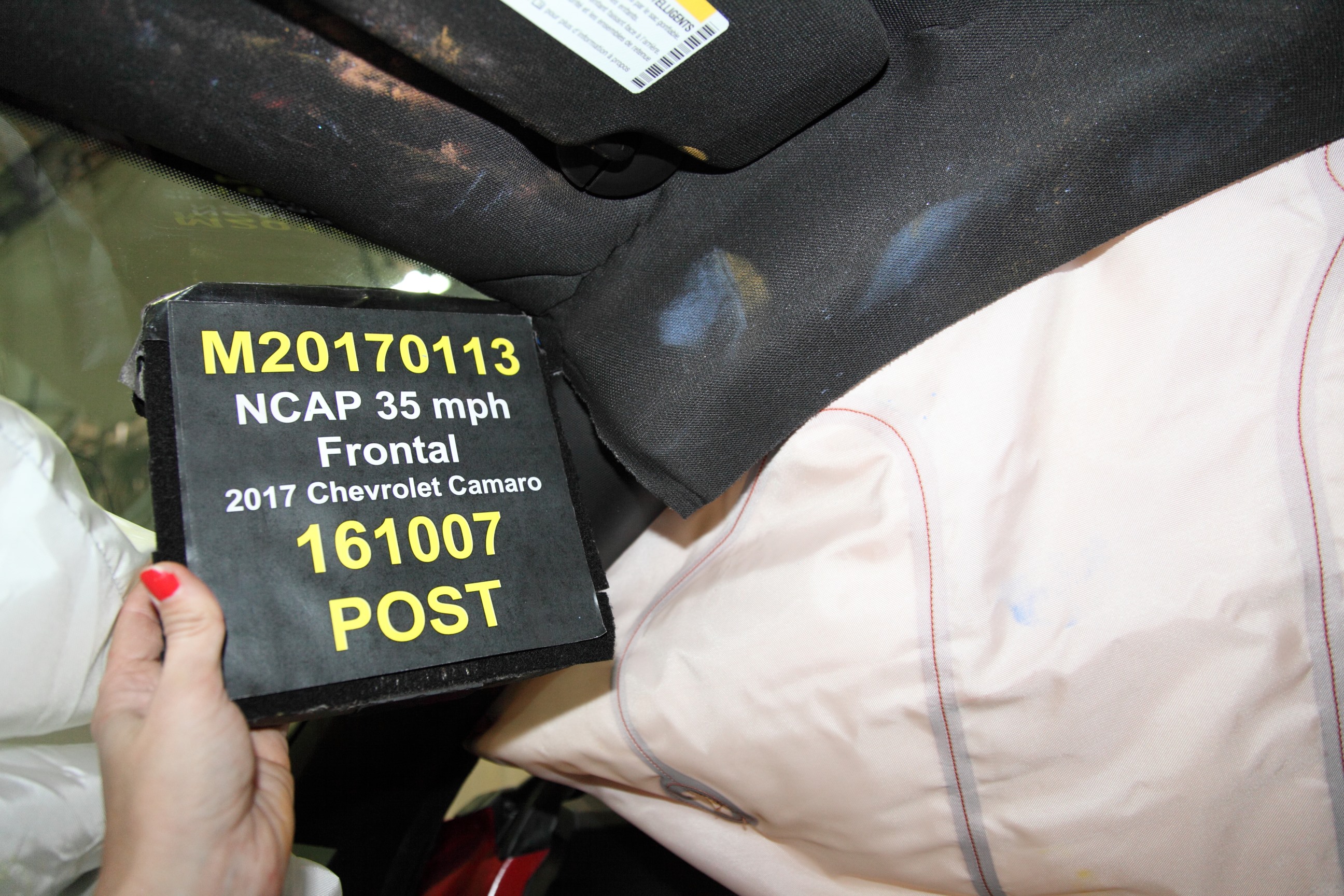
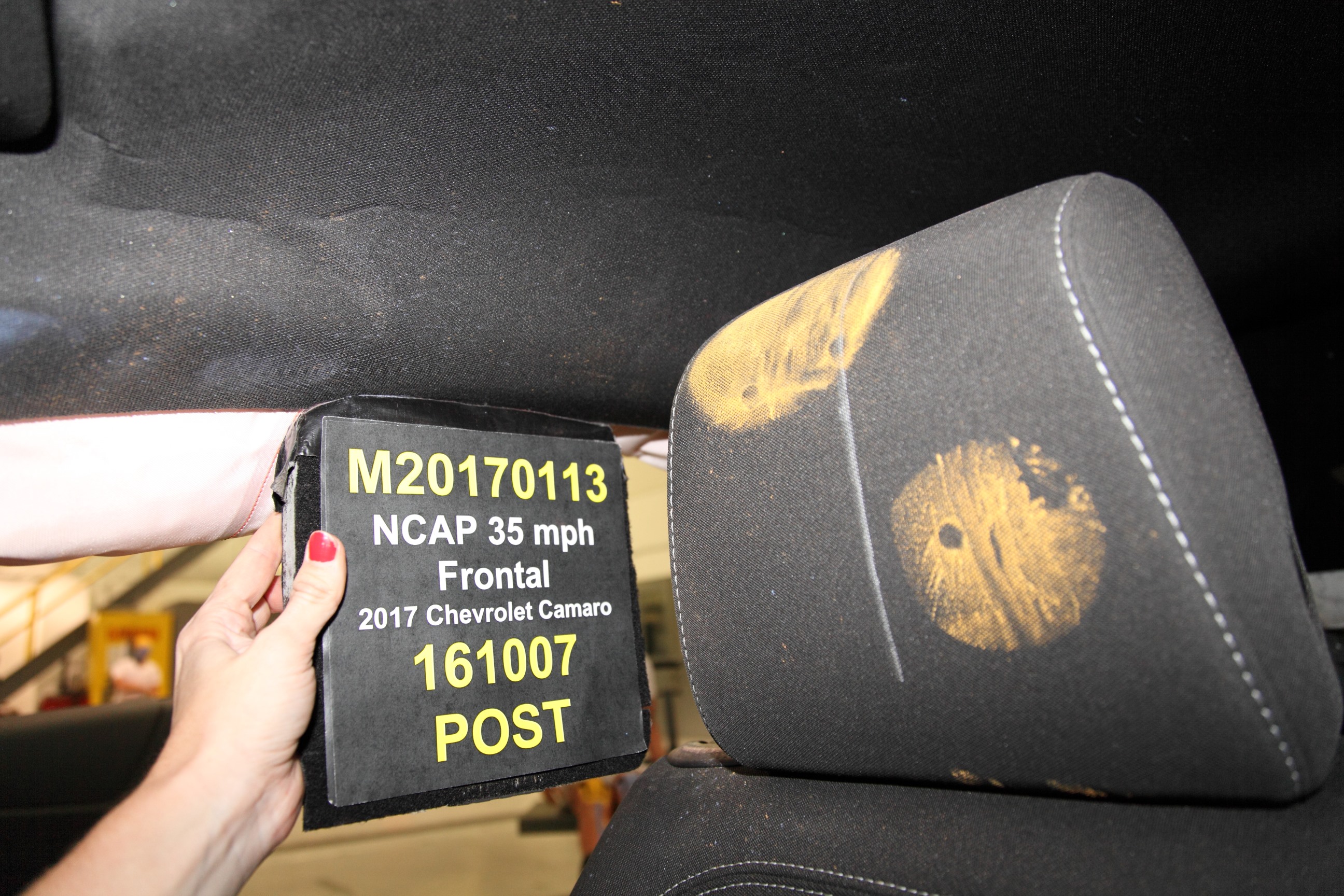
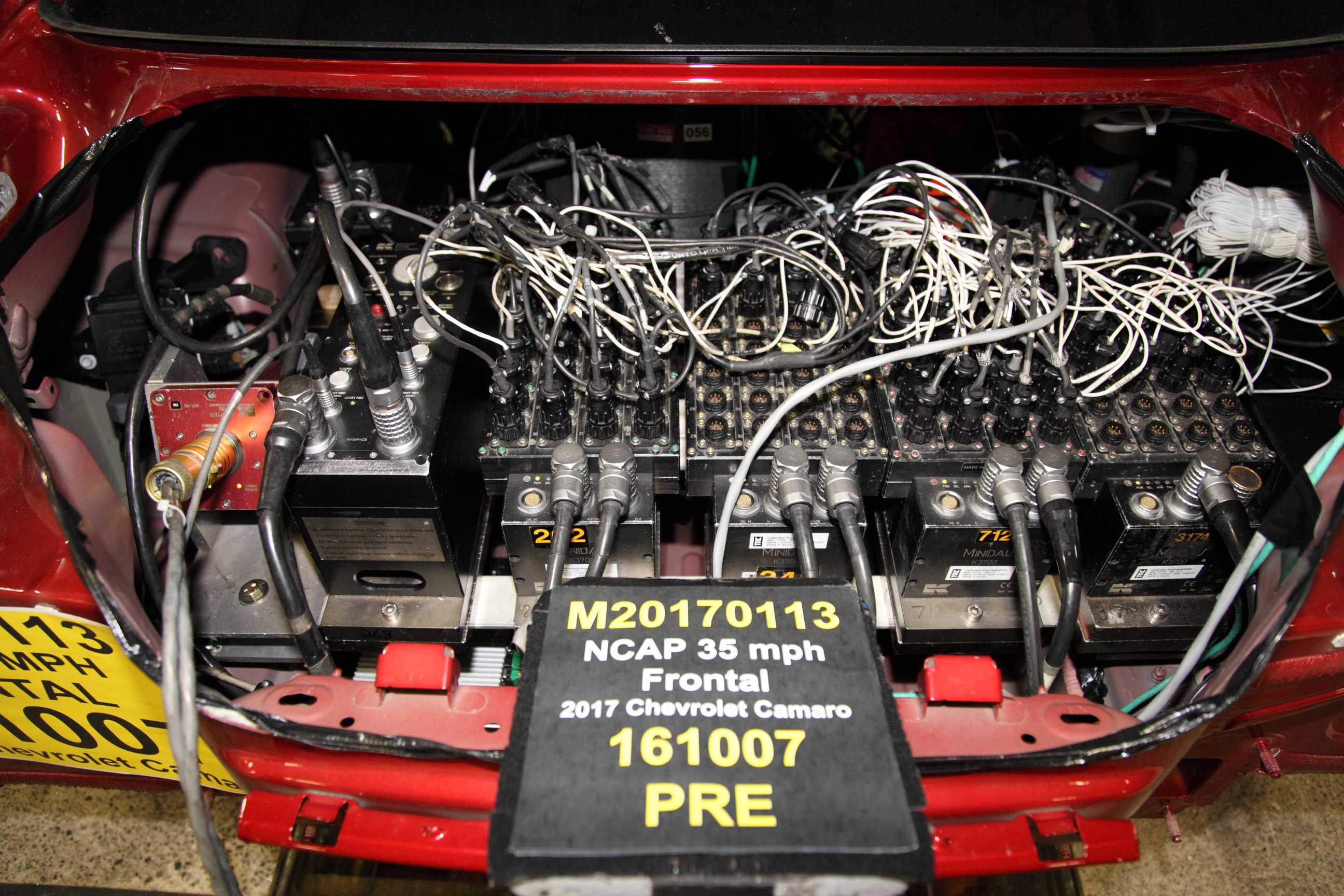
Crash test #1NHTSA test 9967
Full test report (PDF) ↗Crash-test footage is converted for smooth playback the first time someone requests it — usually under a minute.
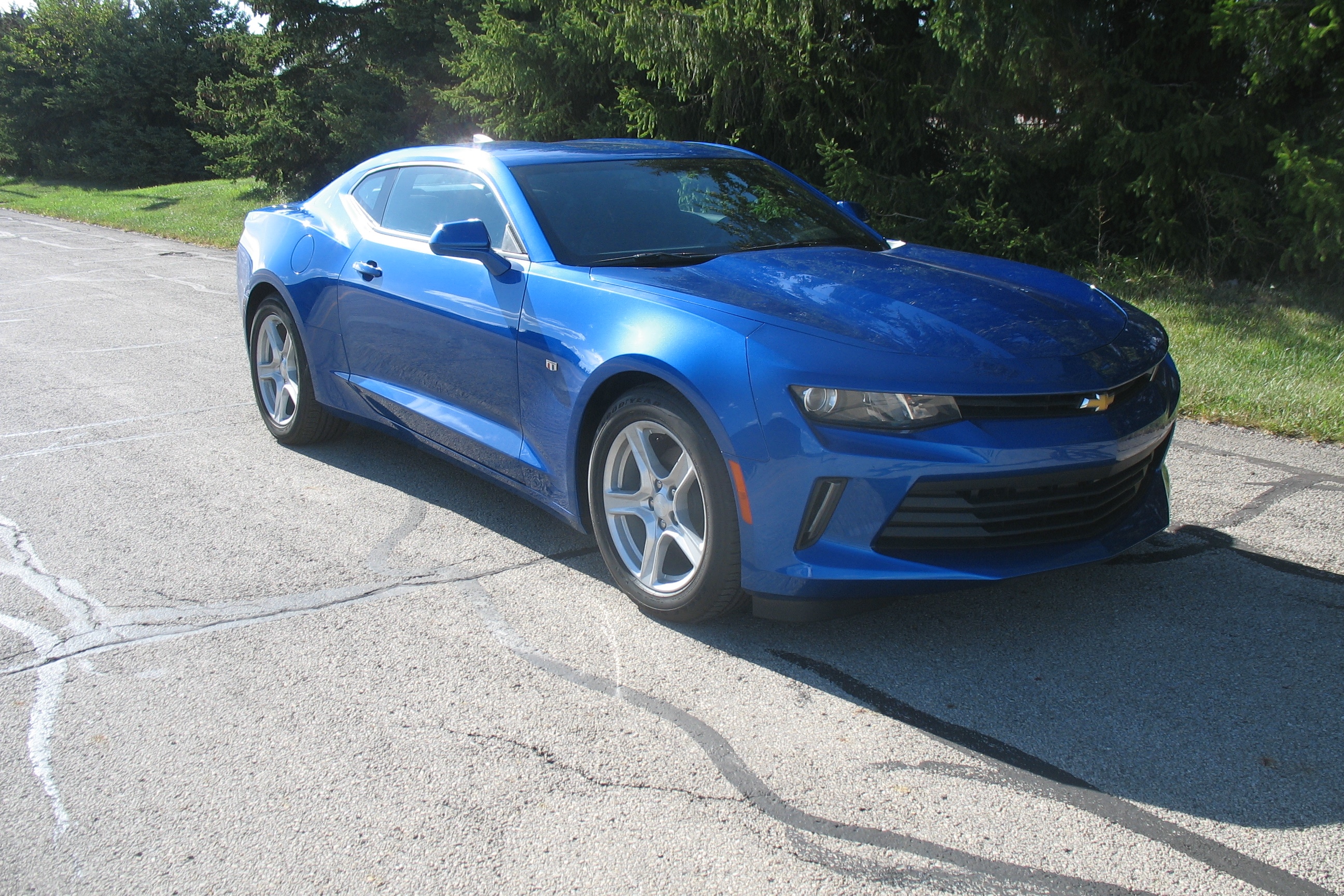
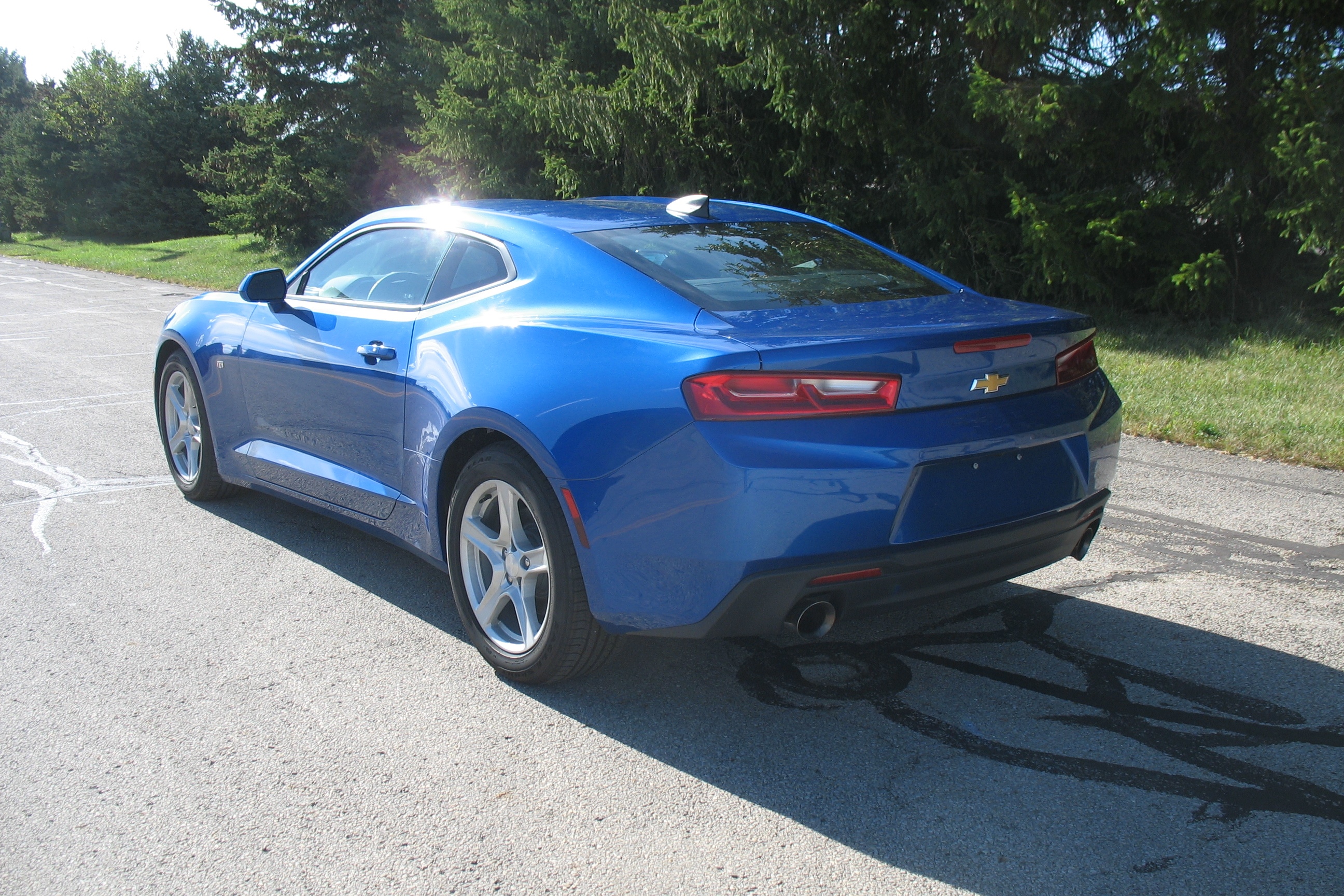
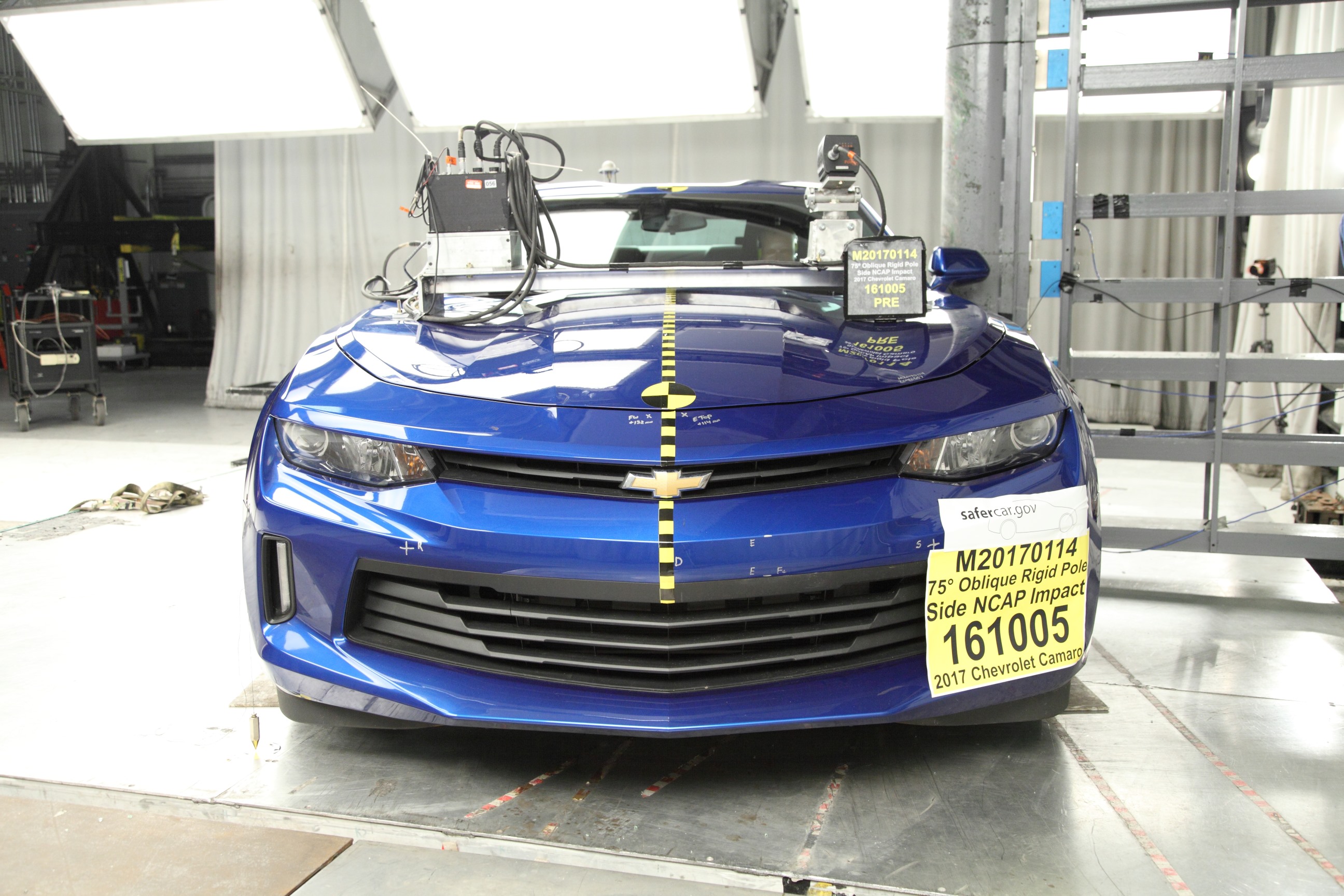
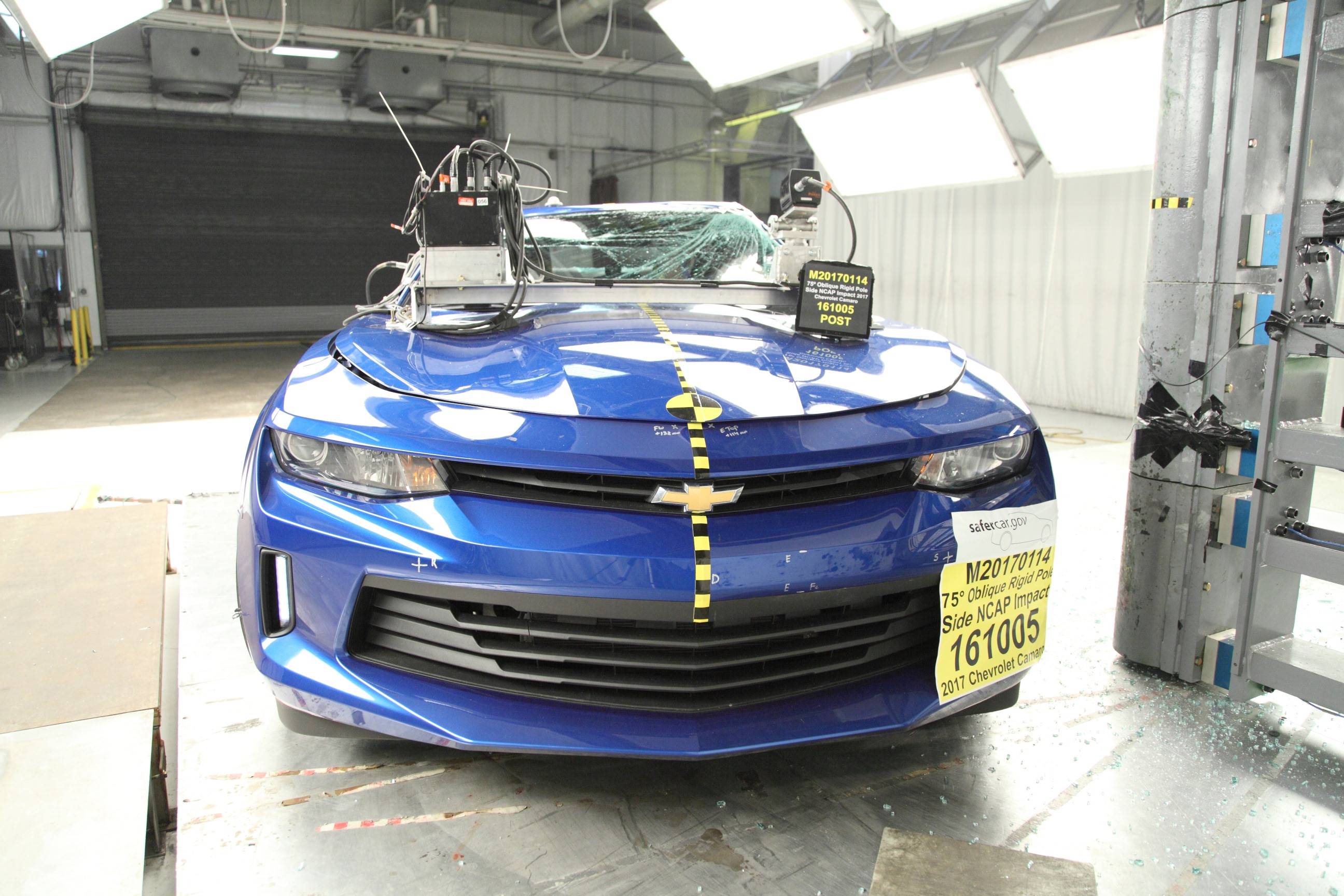

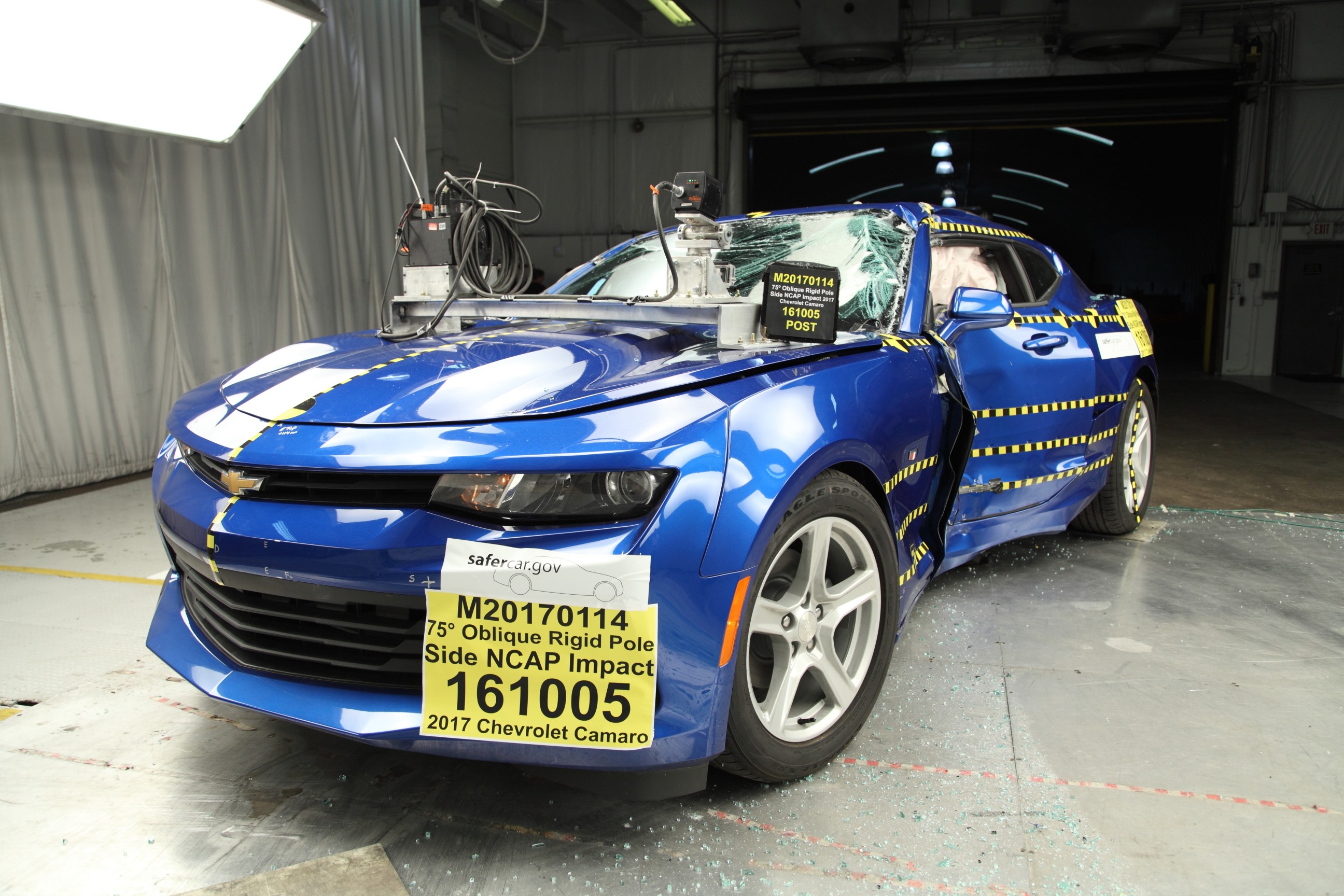
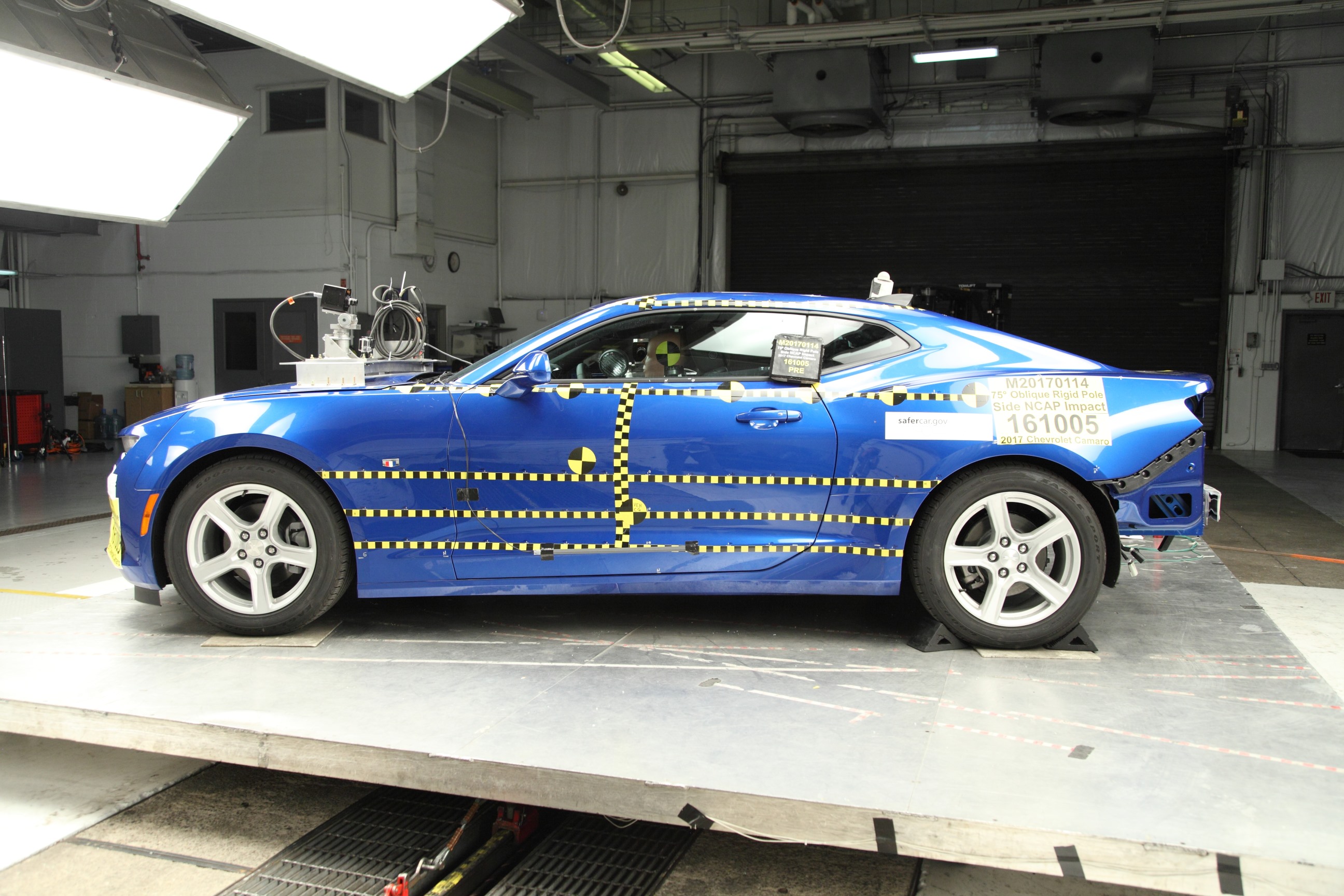
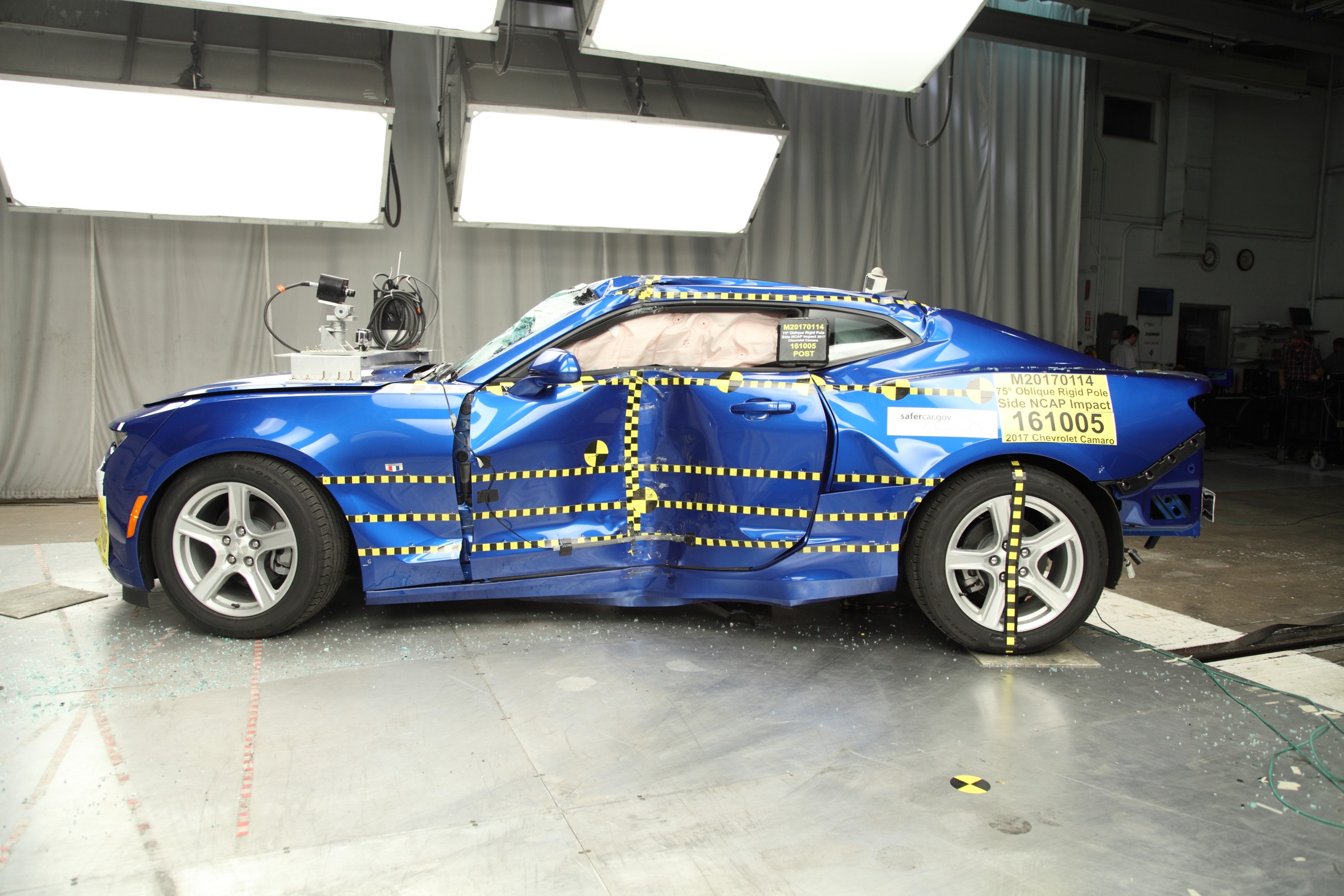
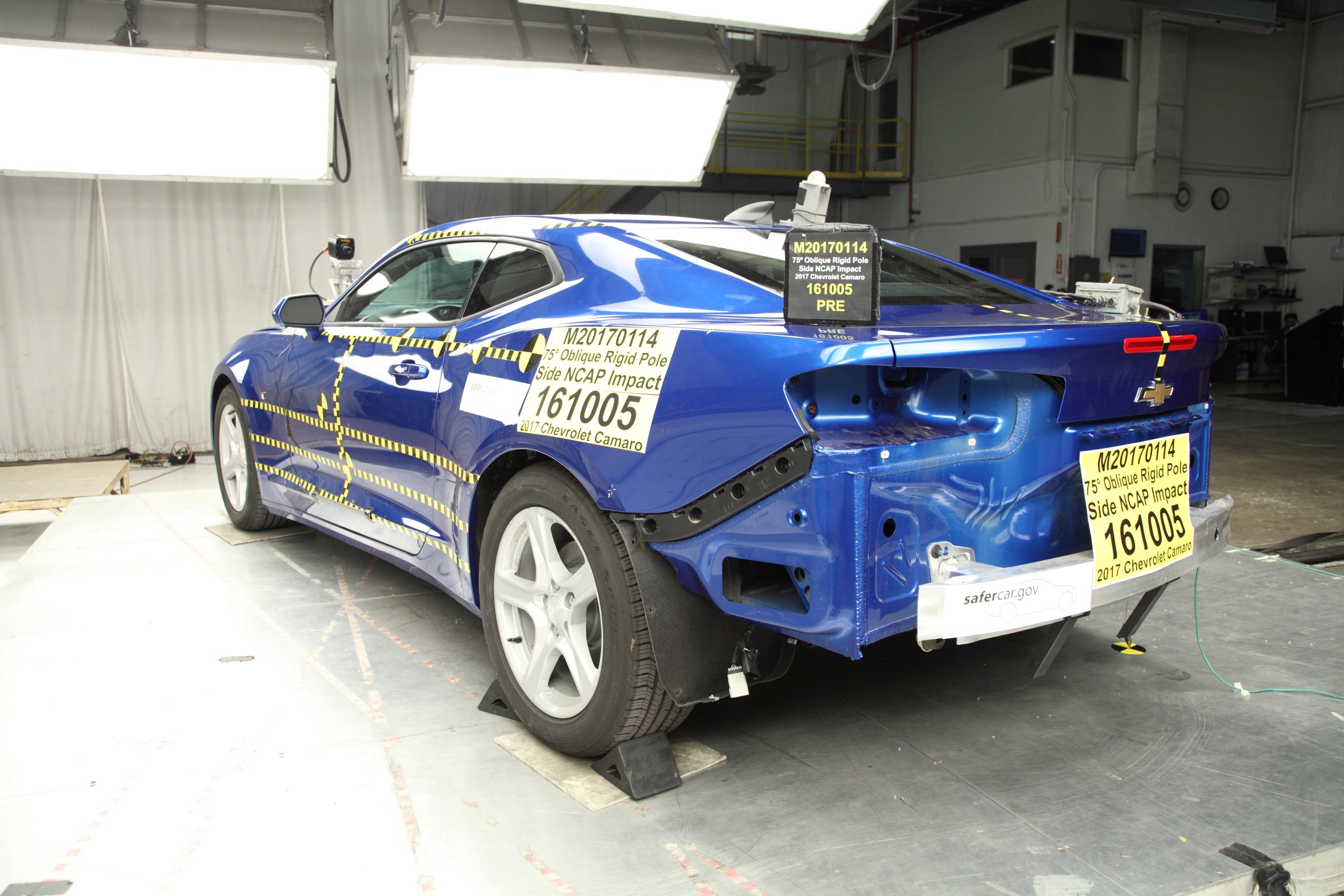
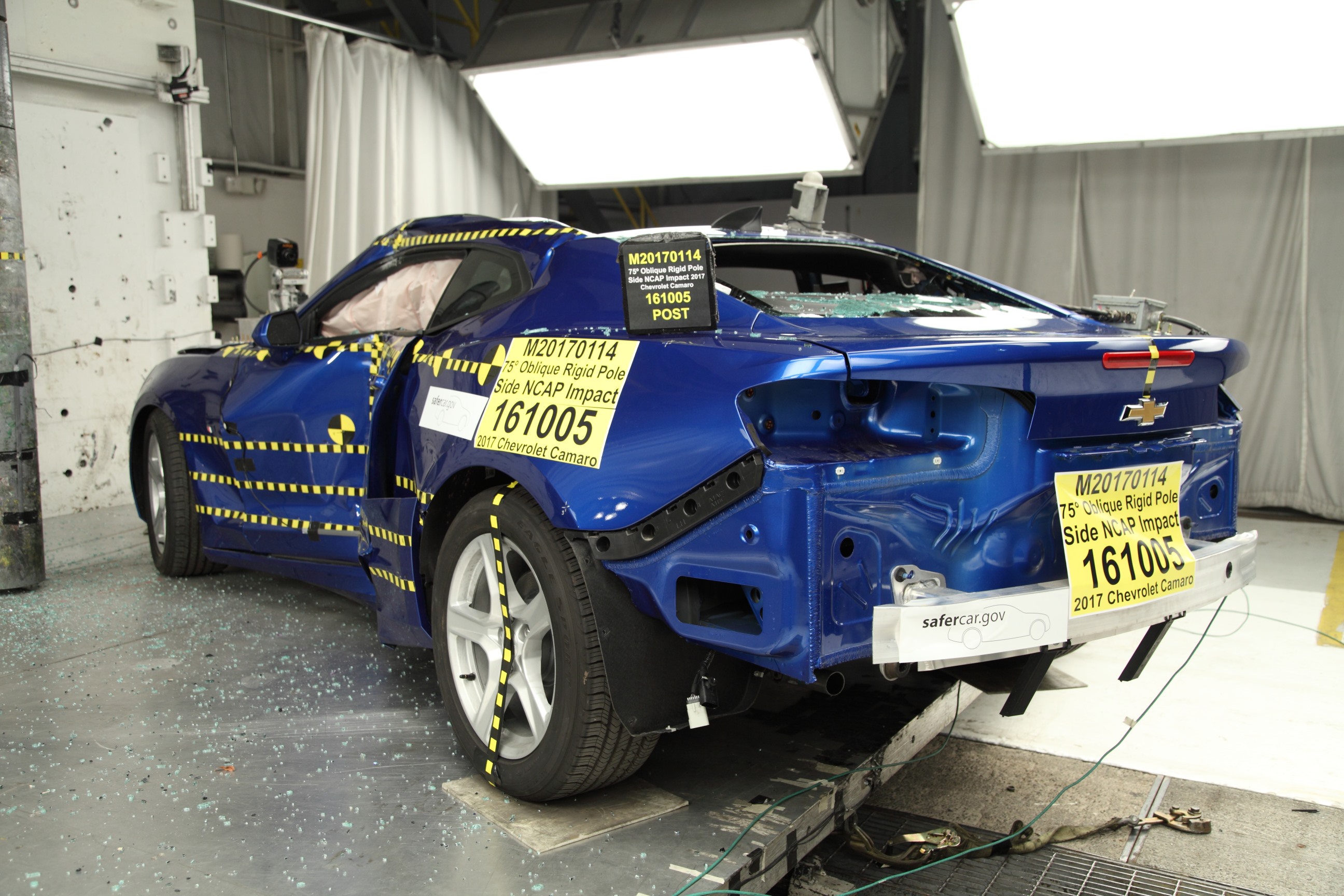
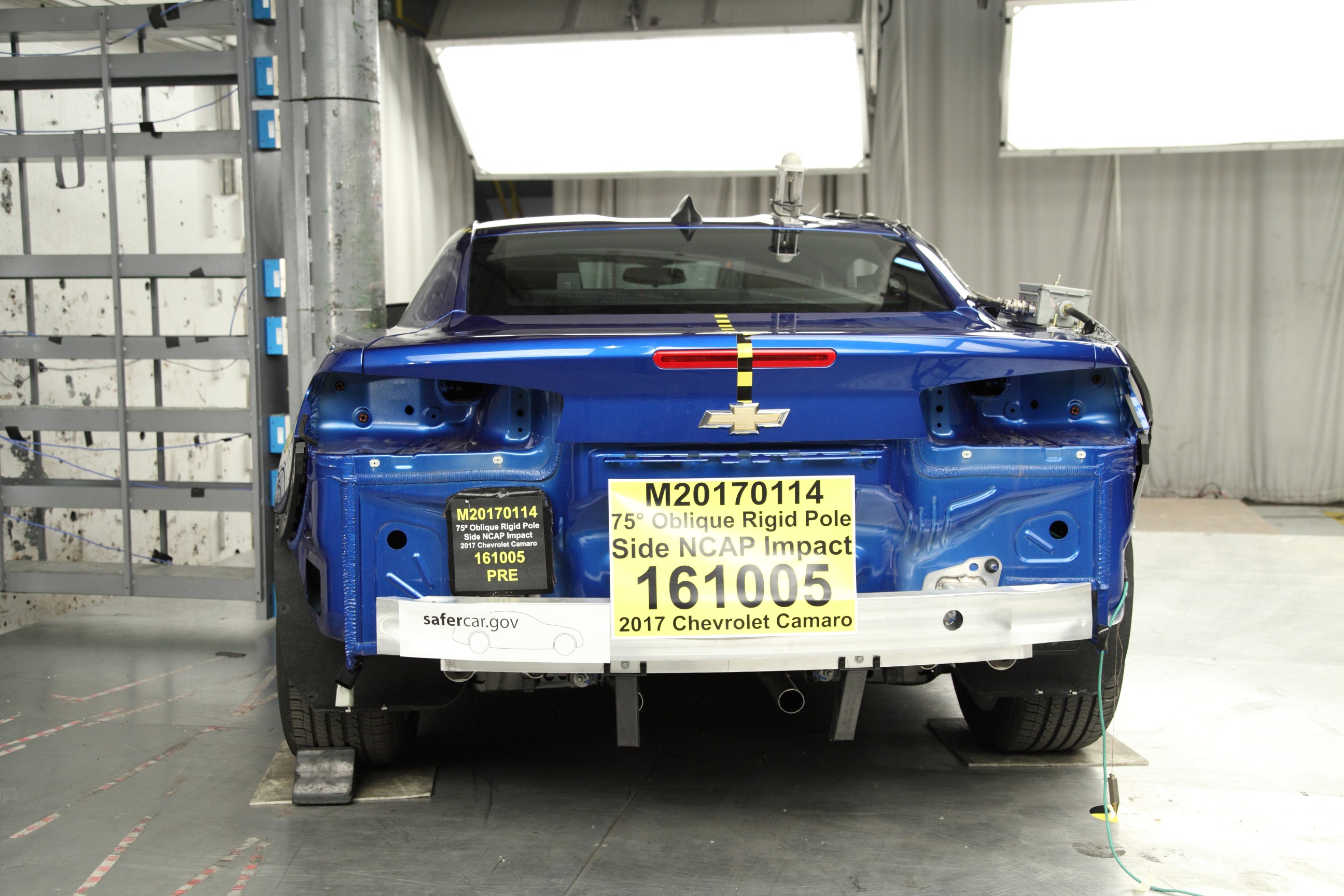
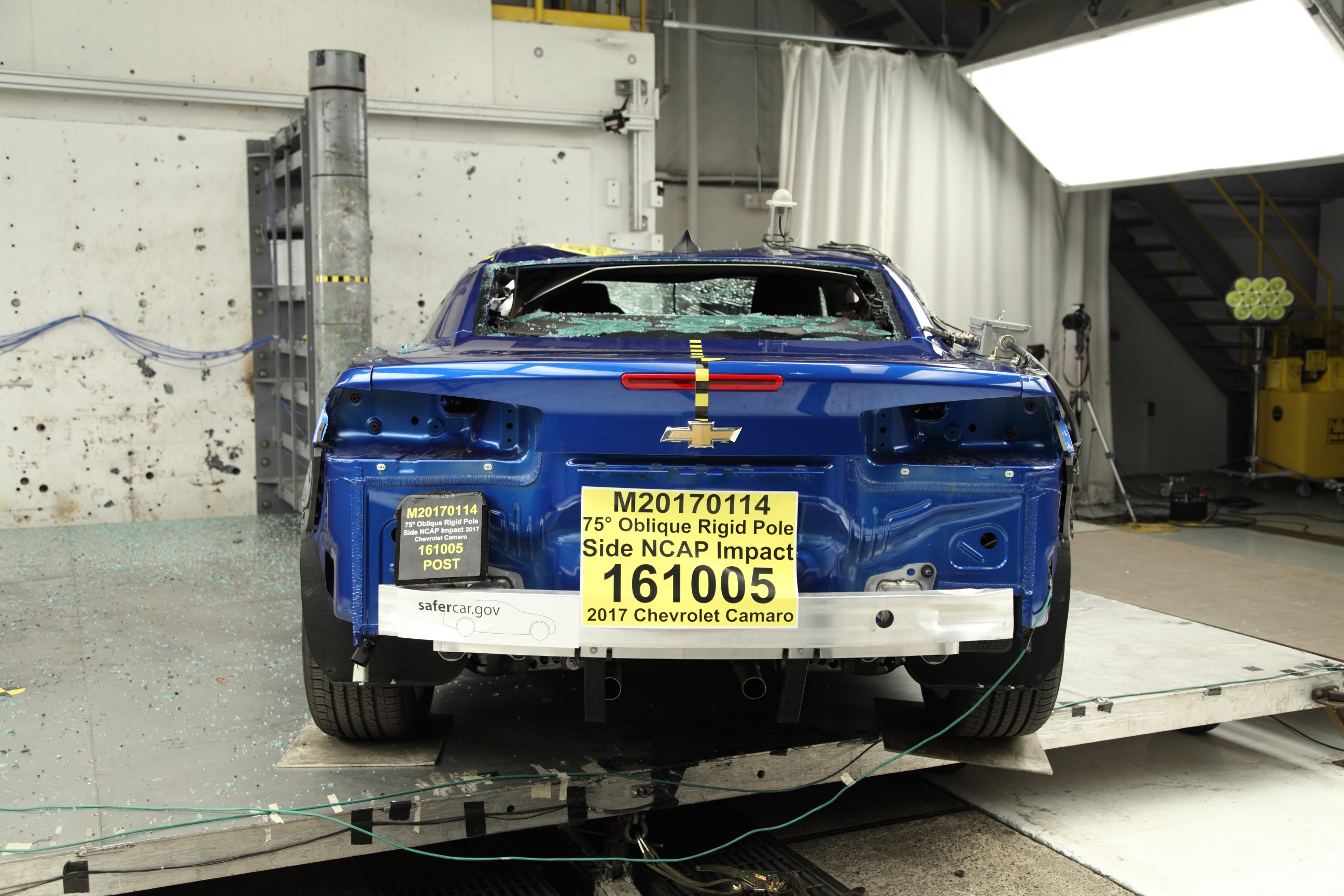
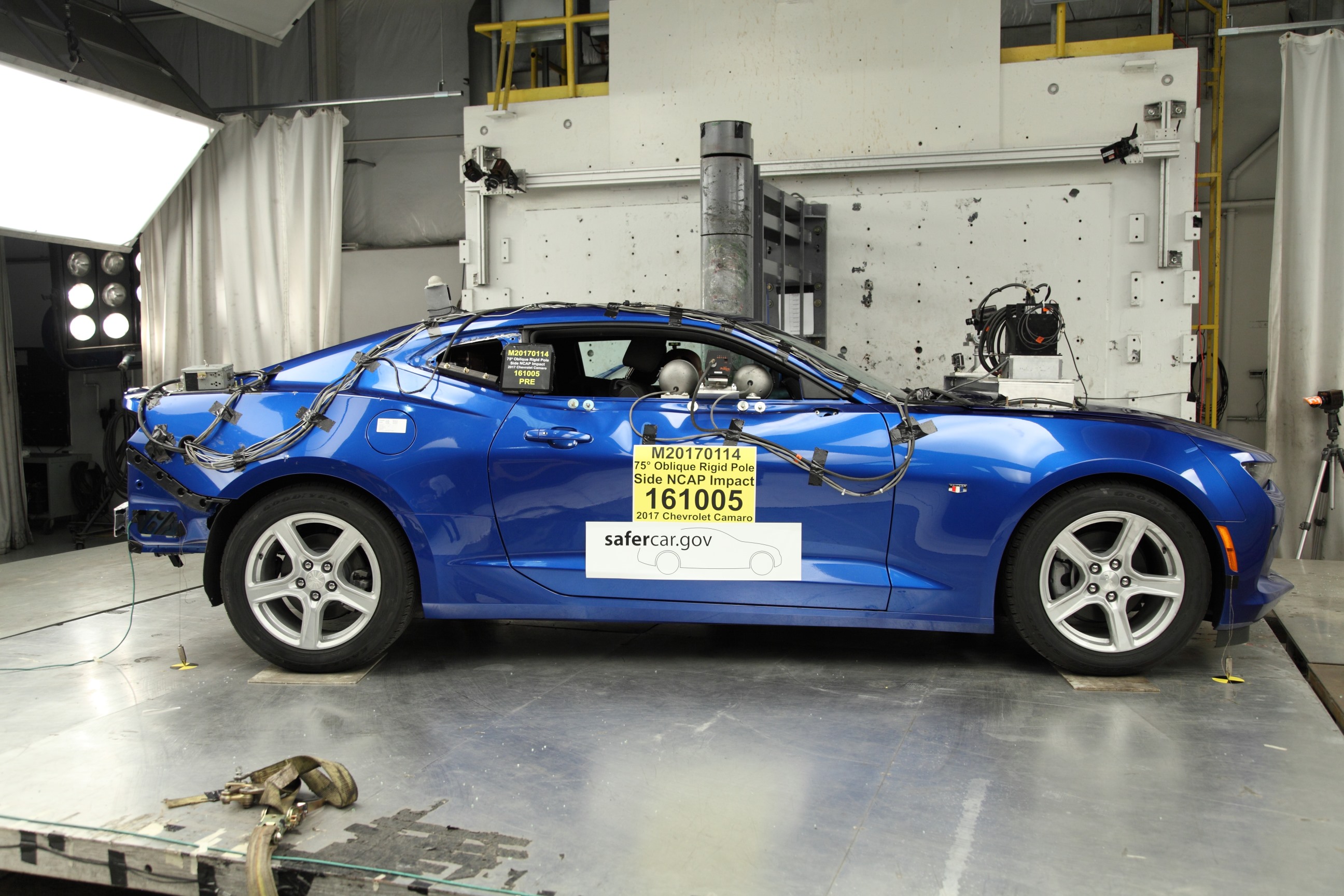
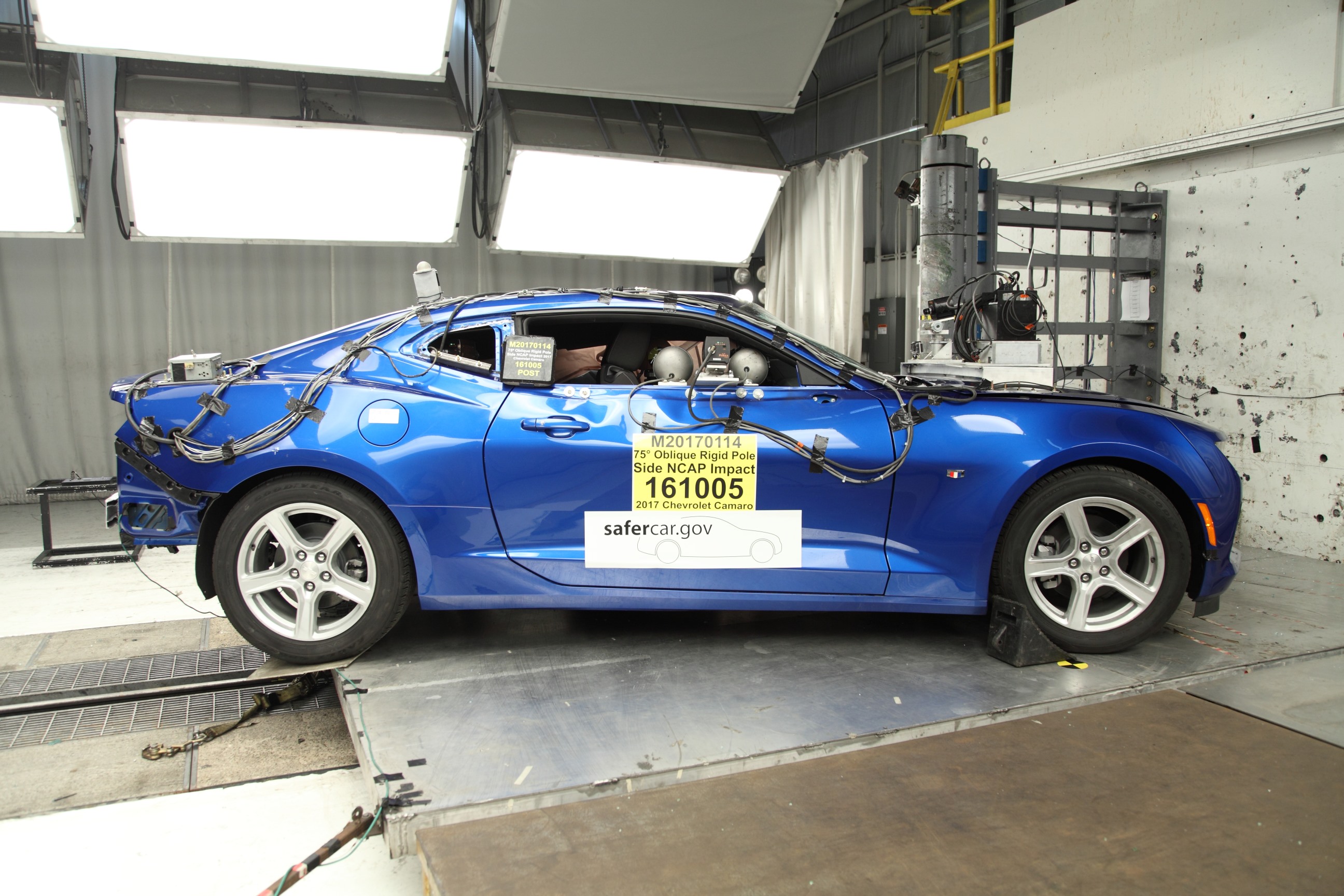
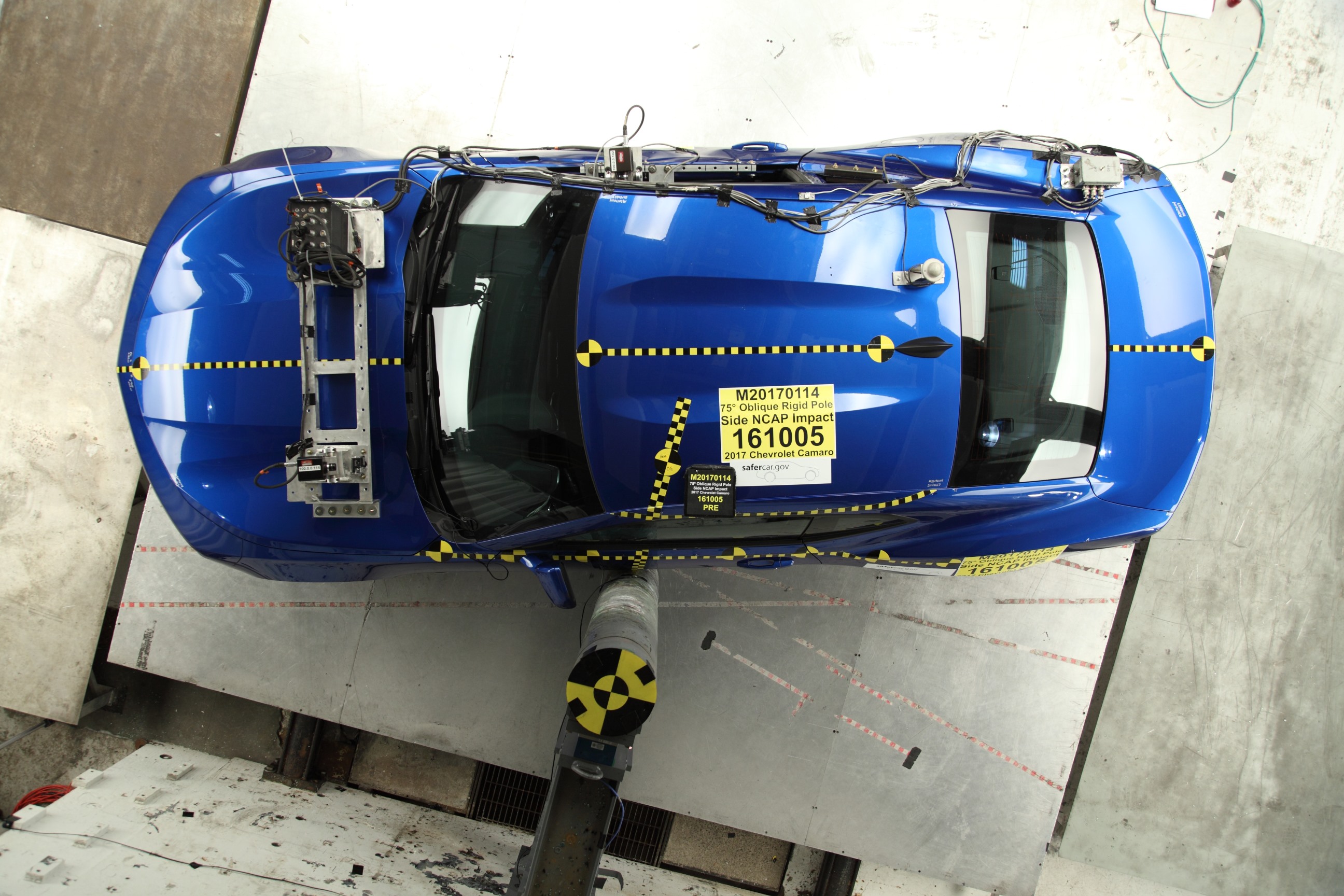
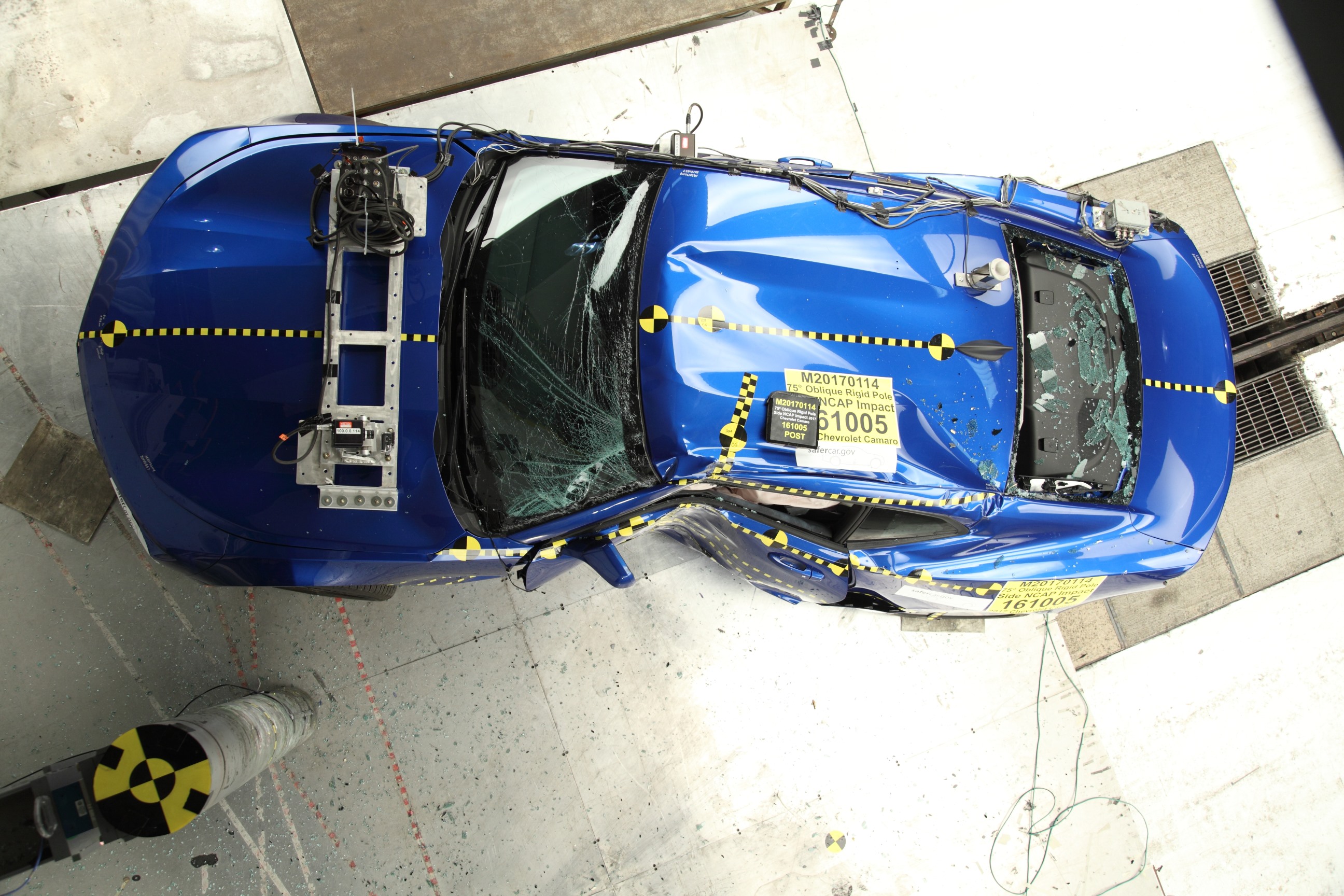
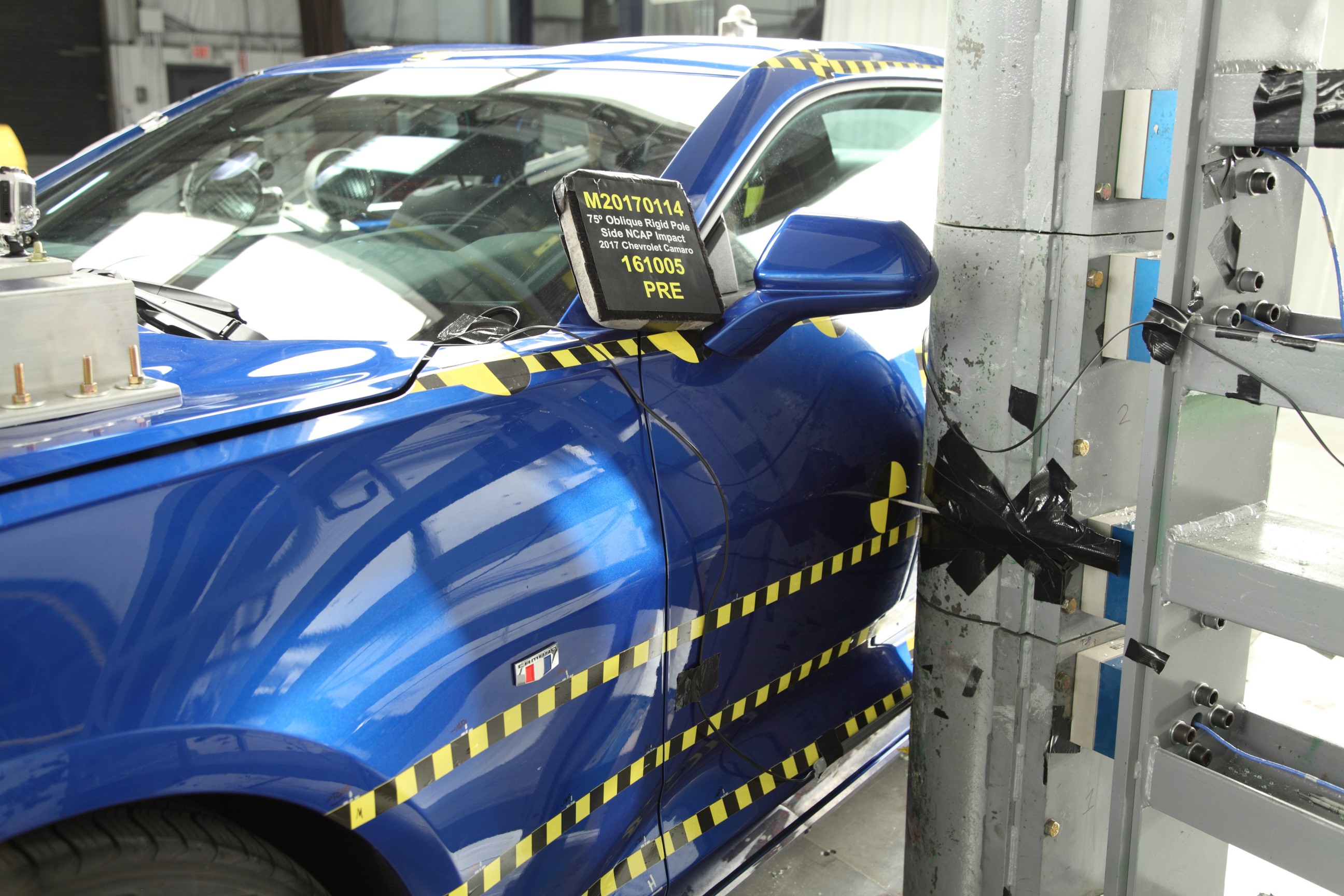
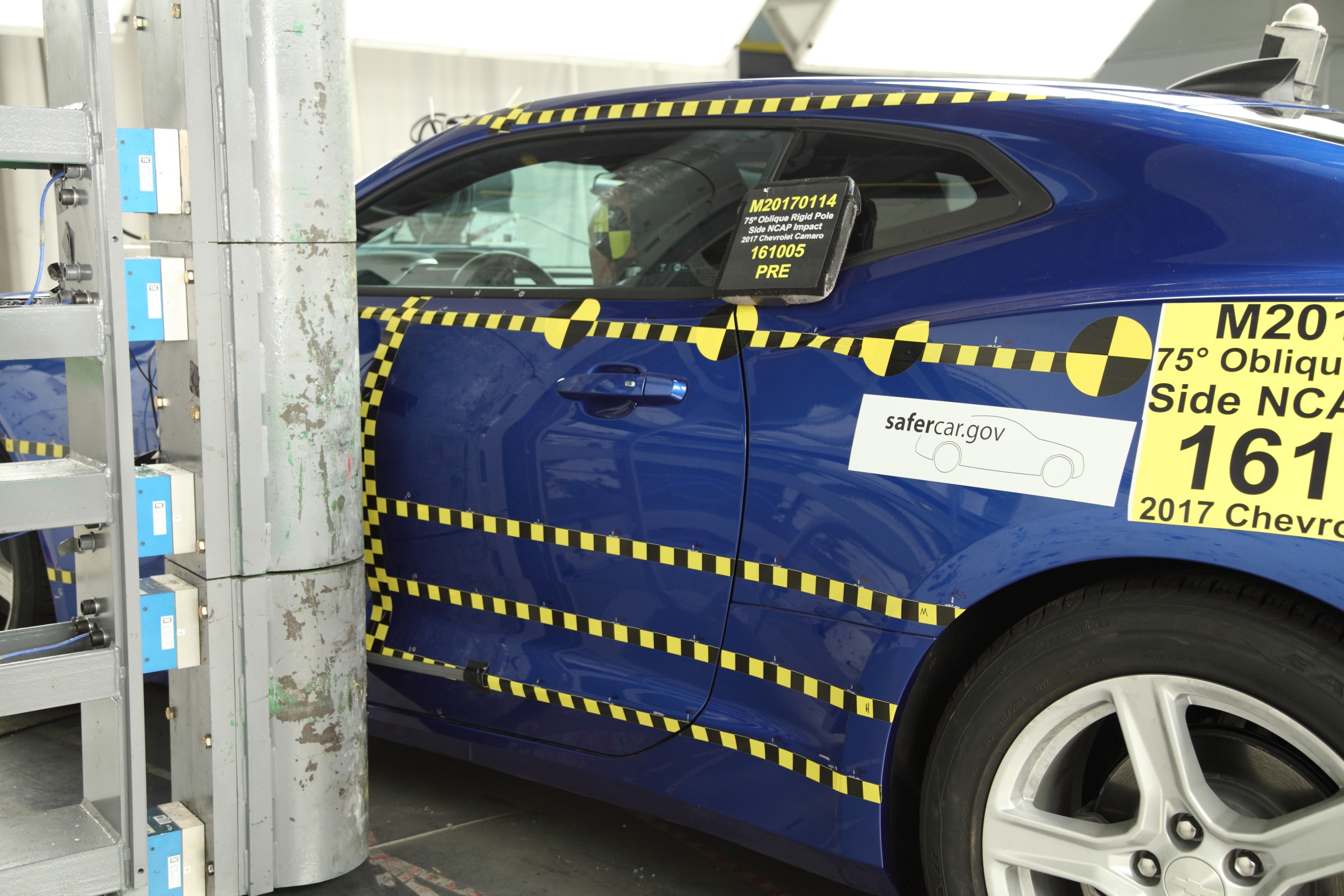
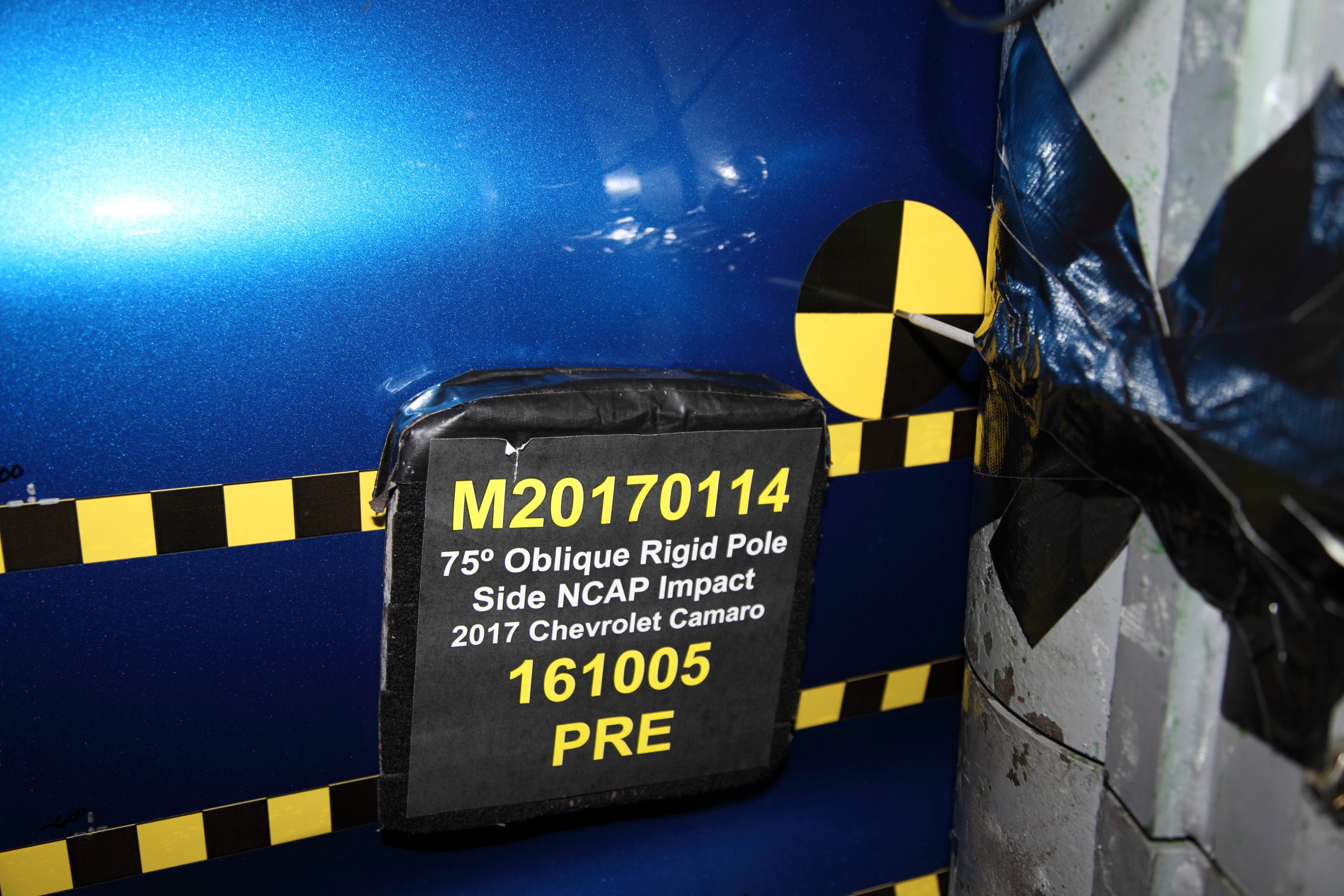

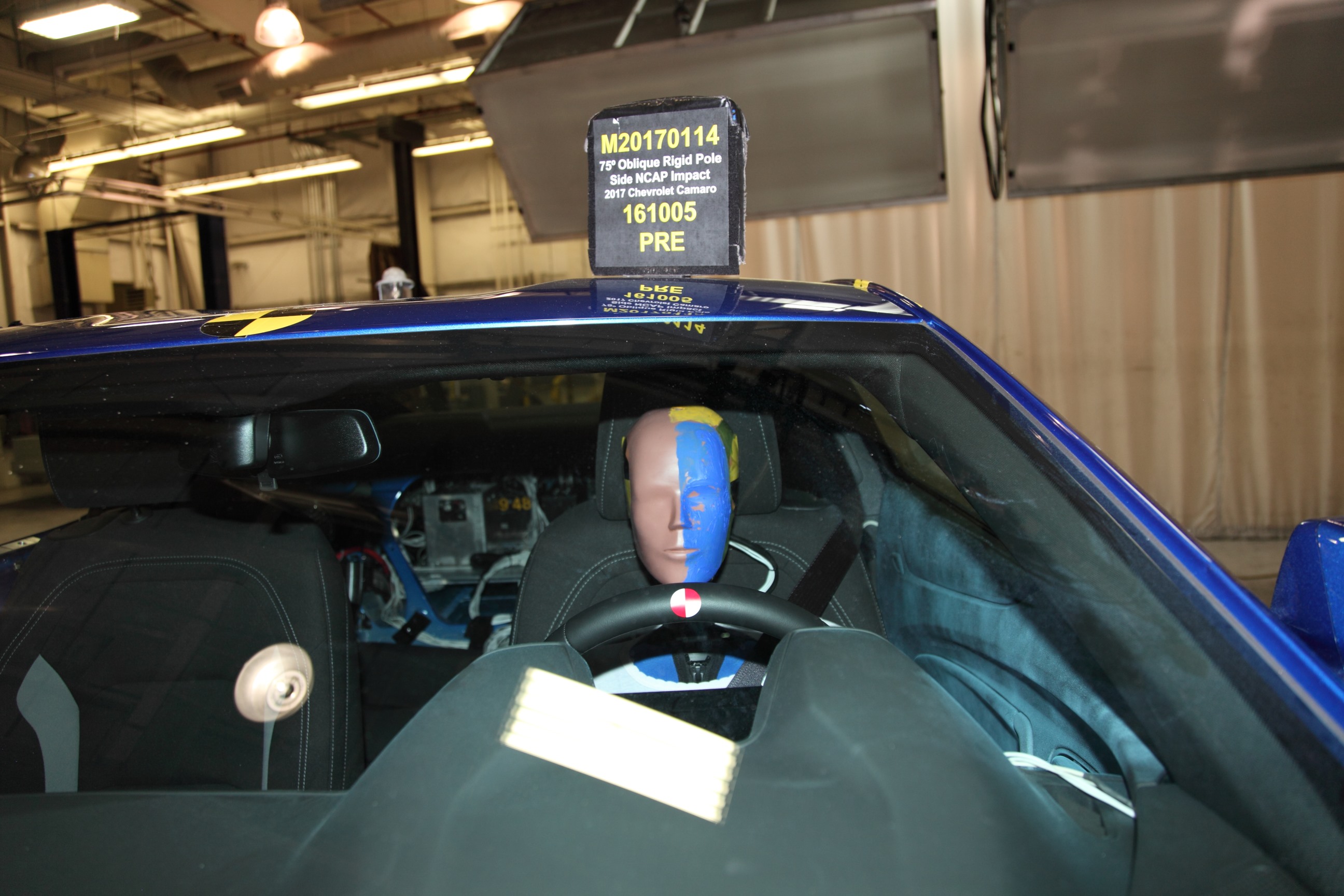
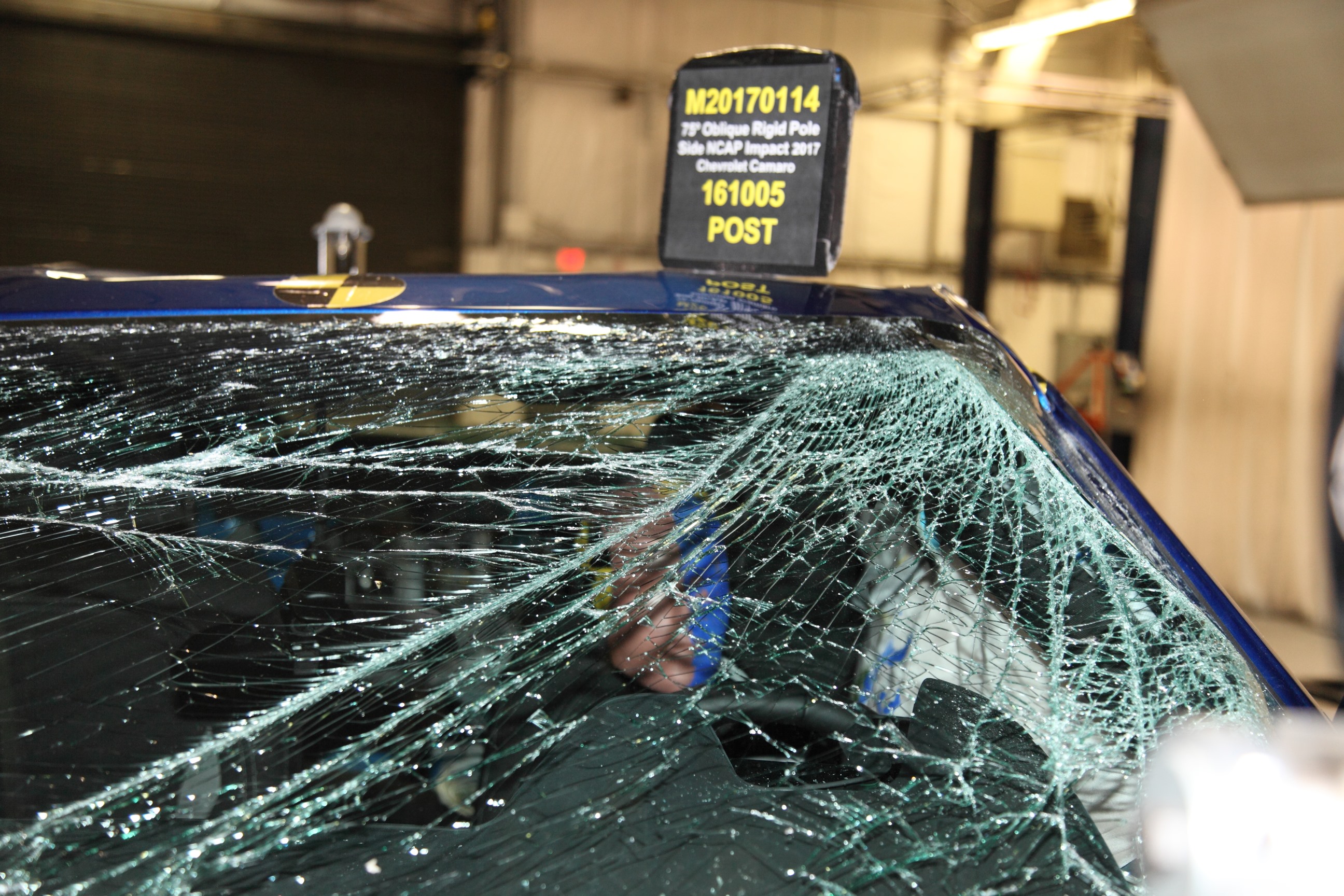
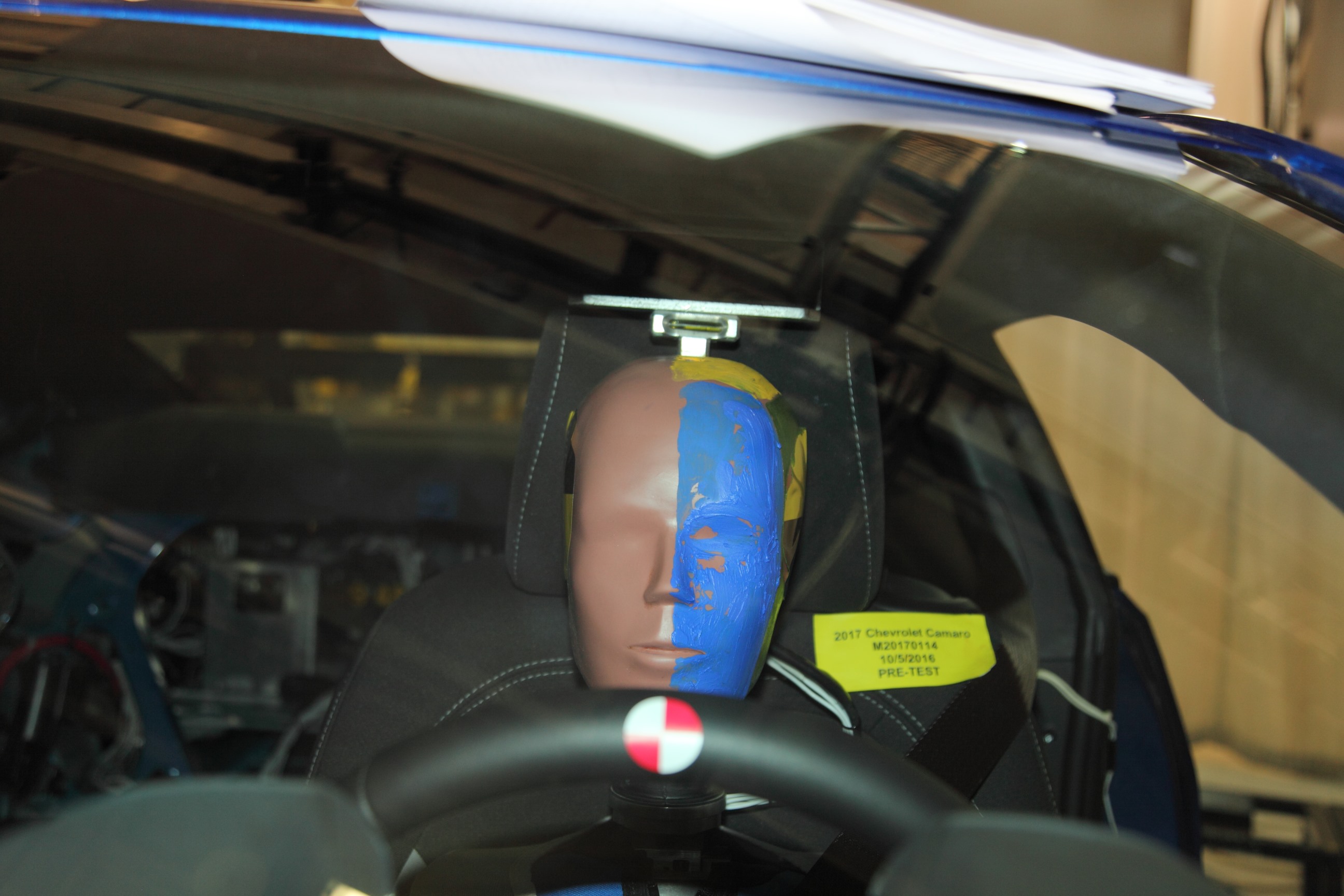
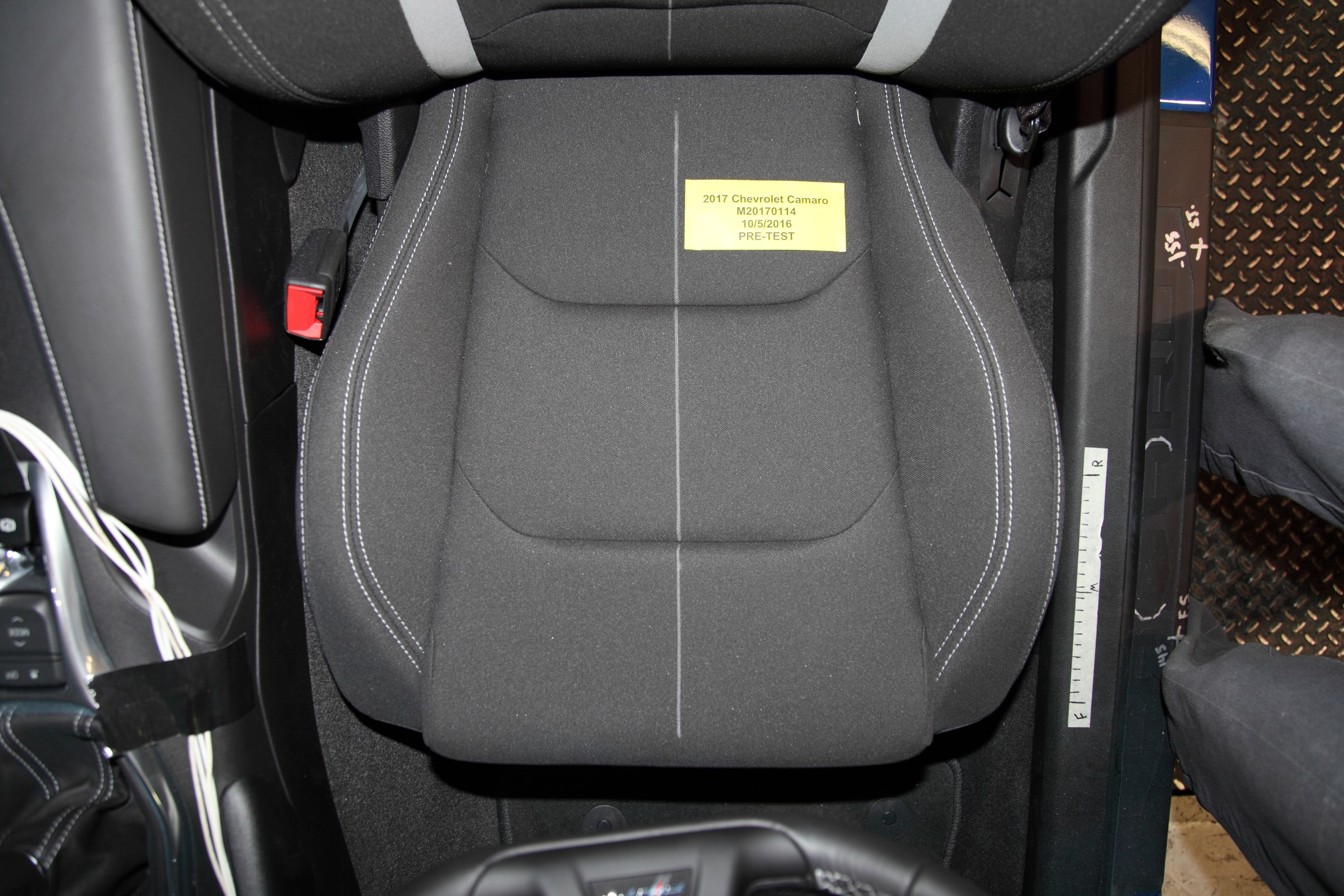
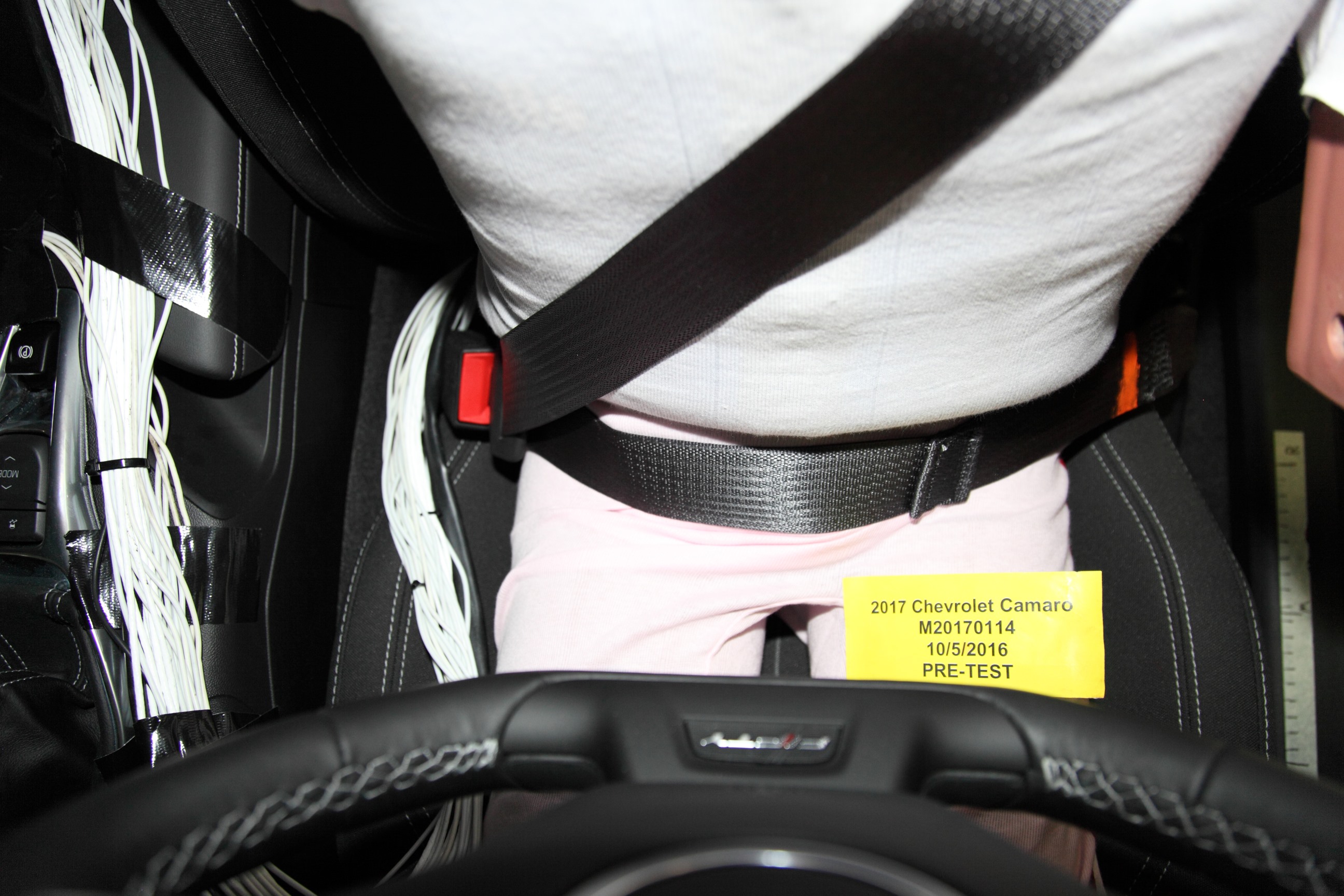
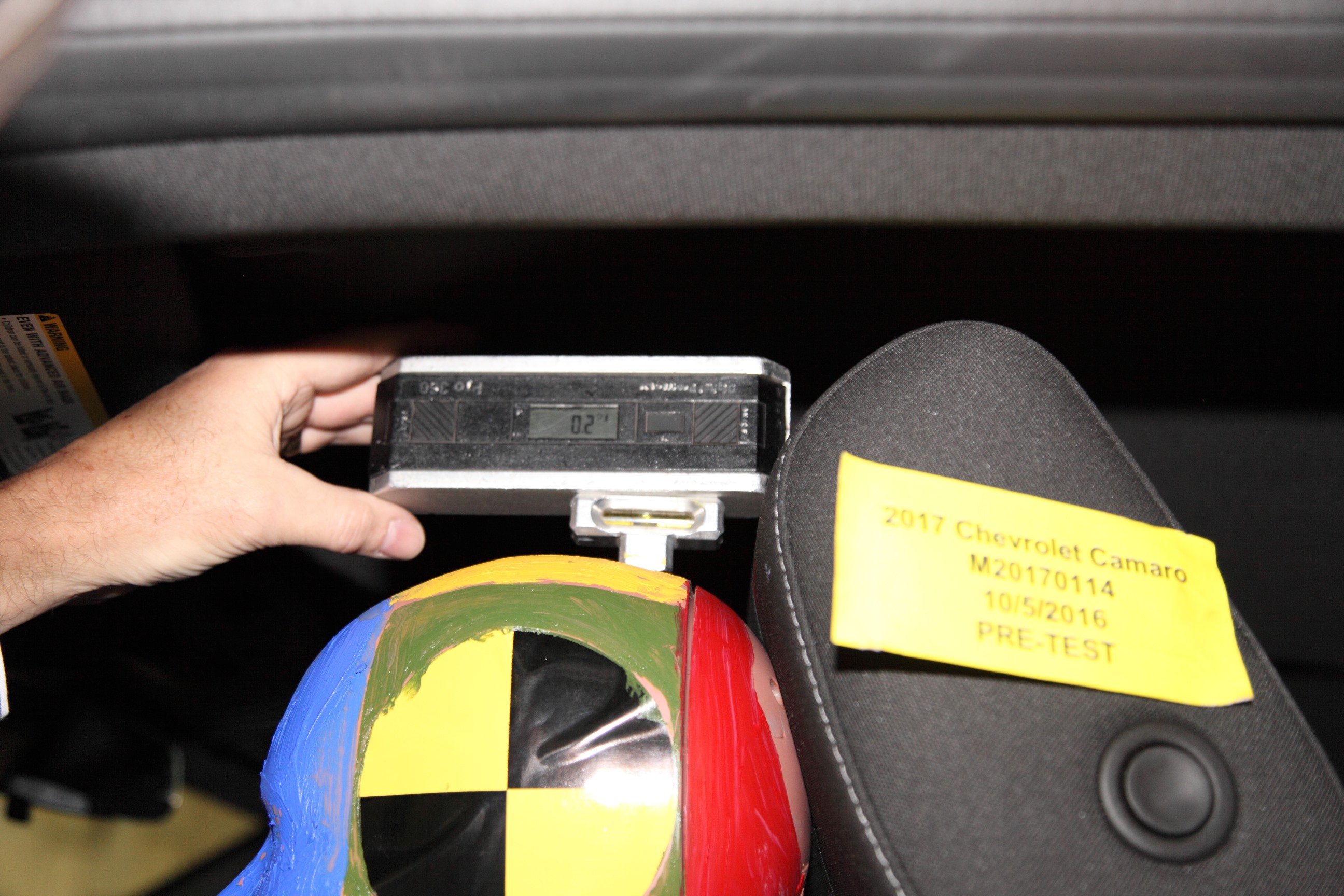
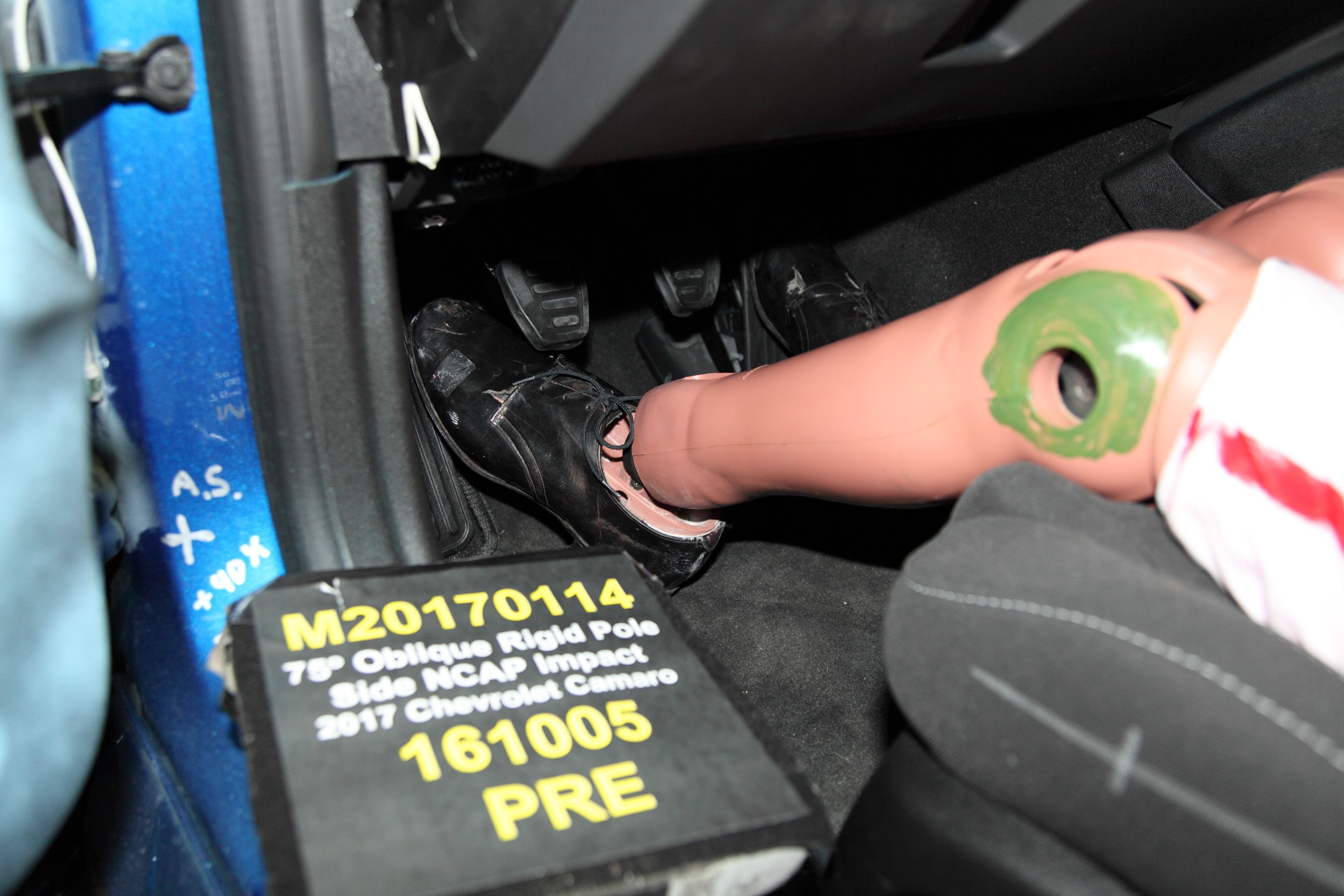
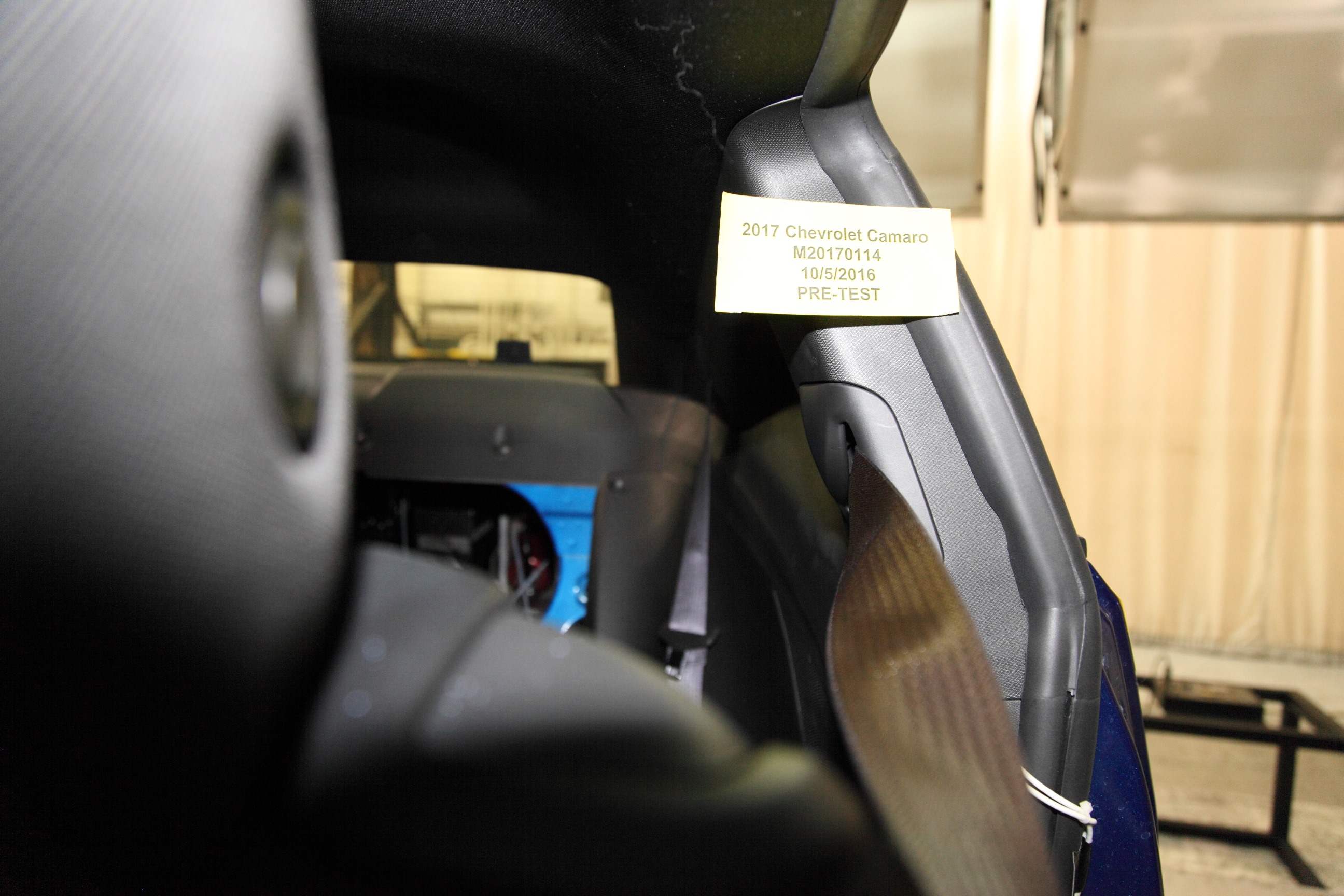
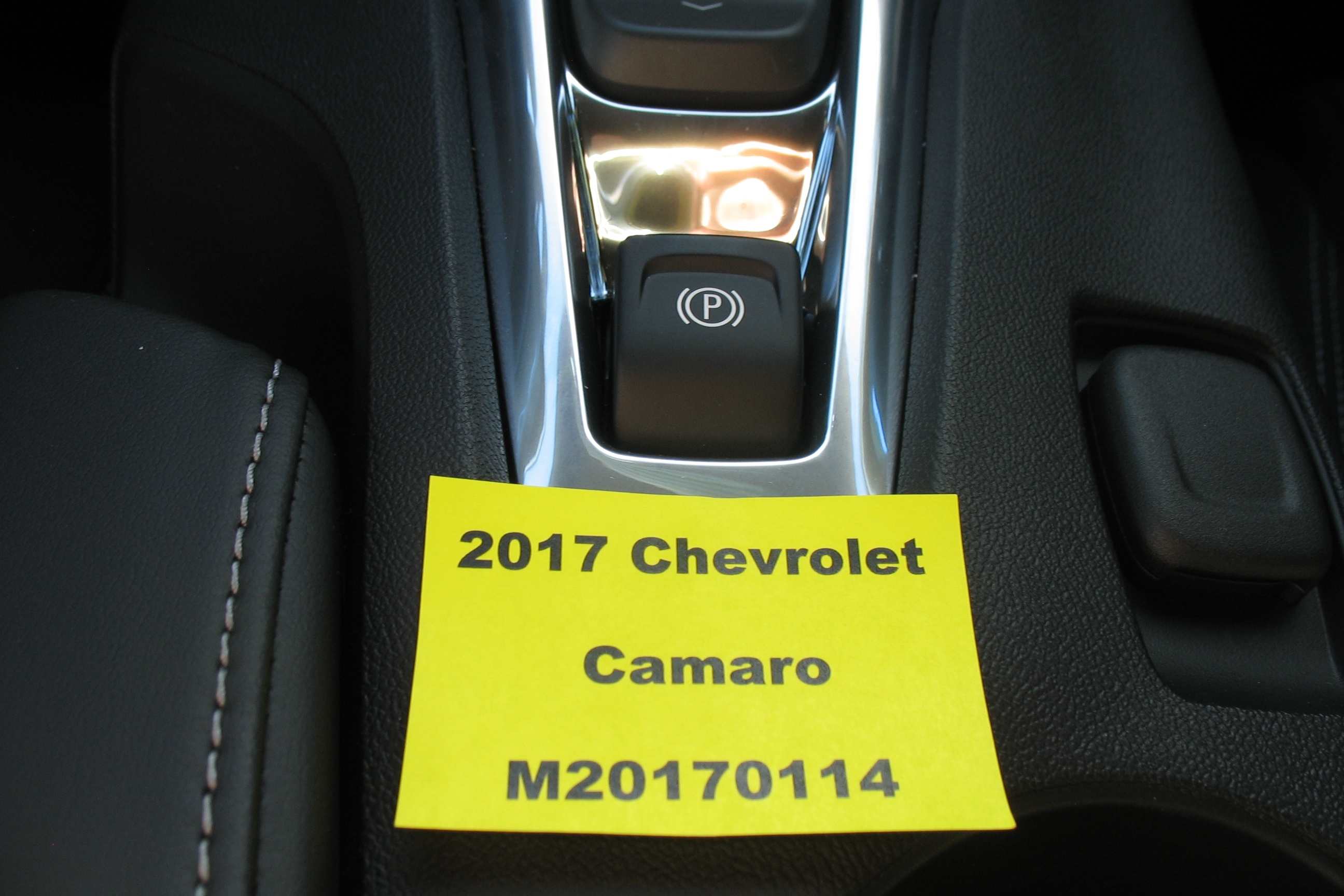
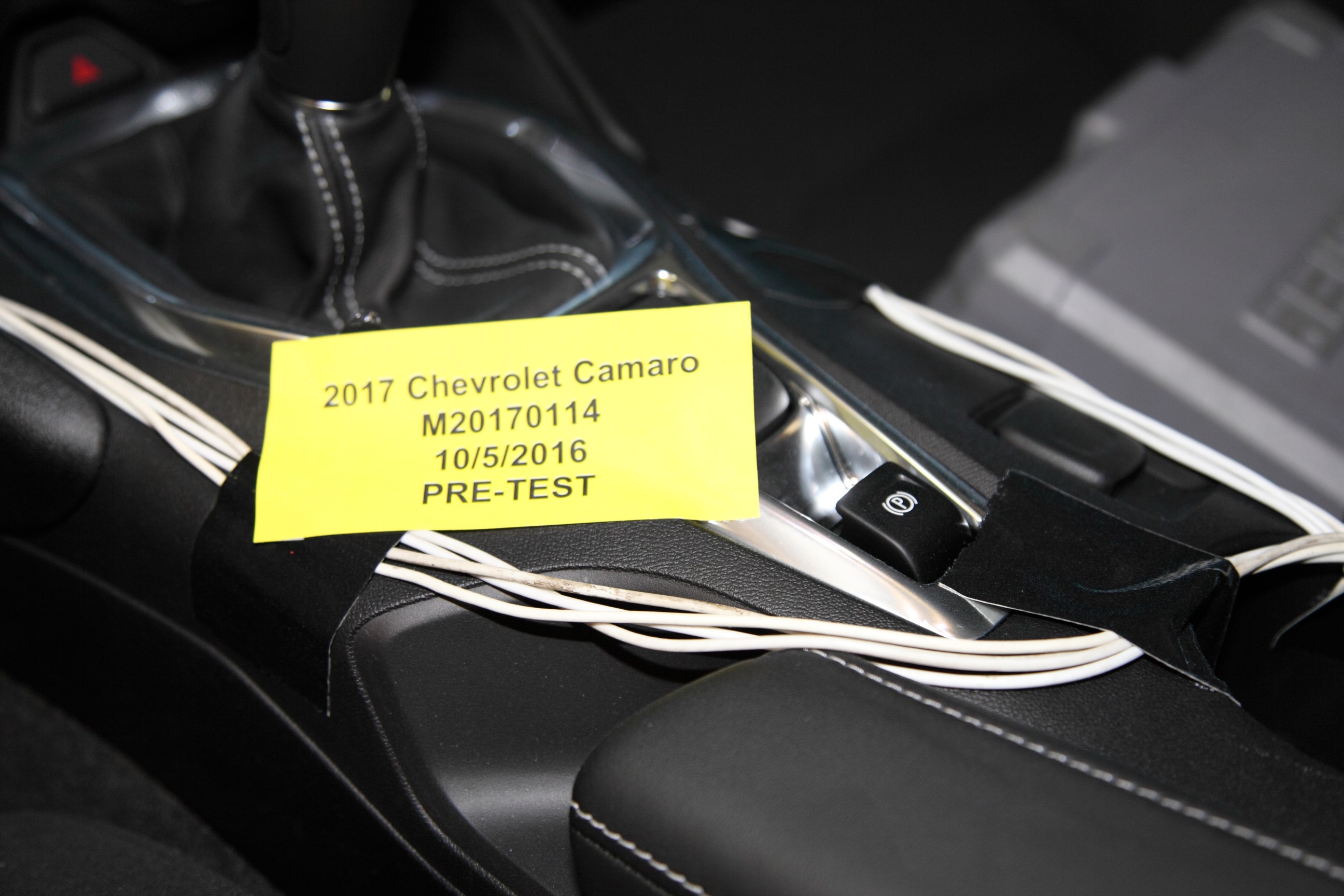
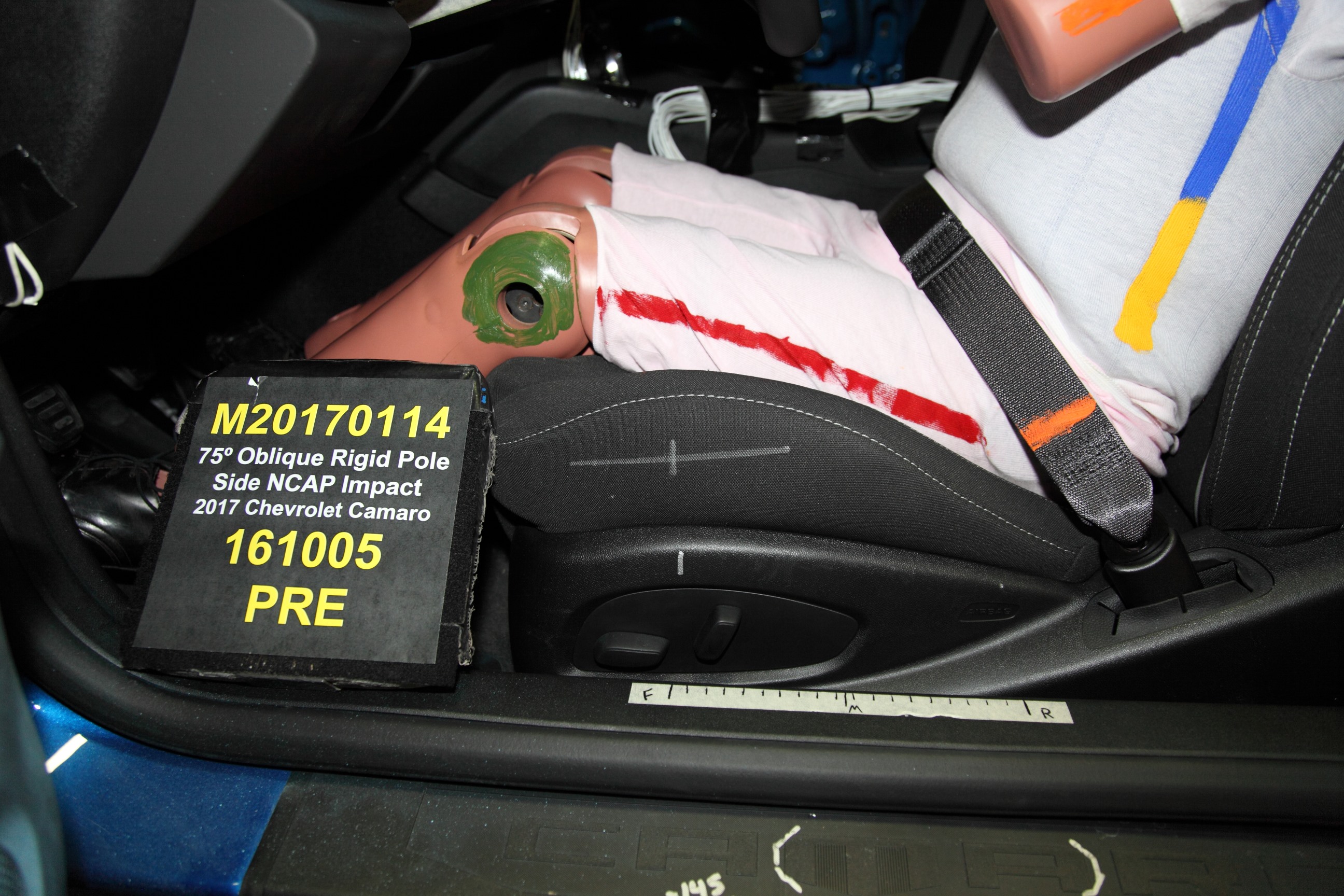
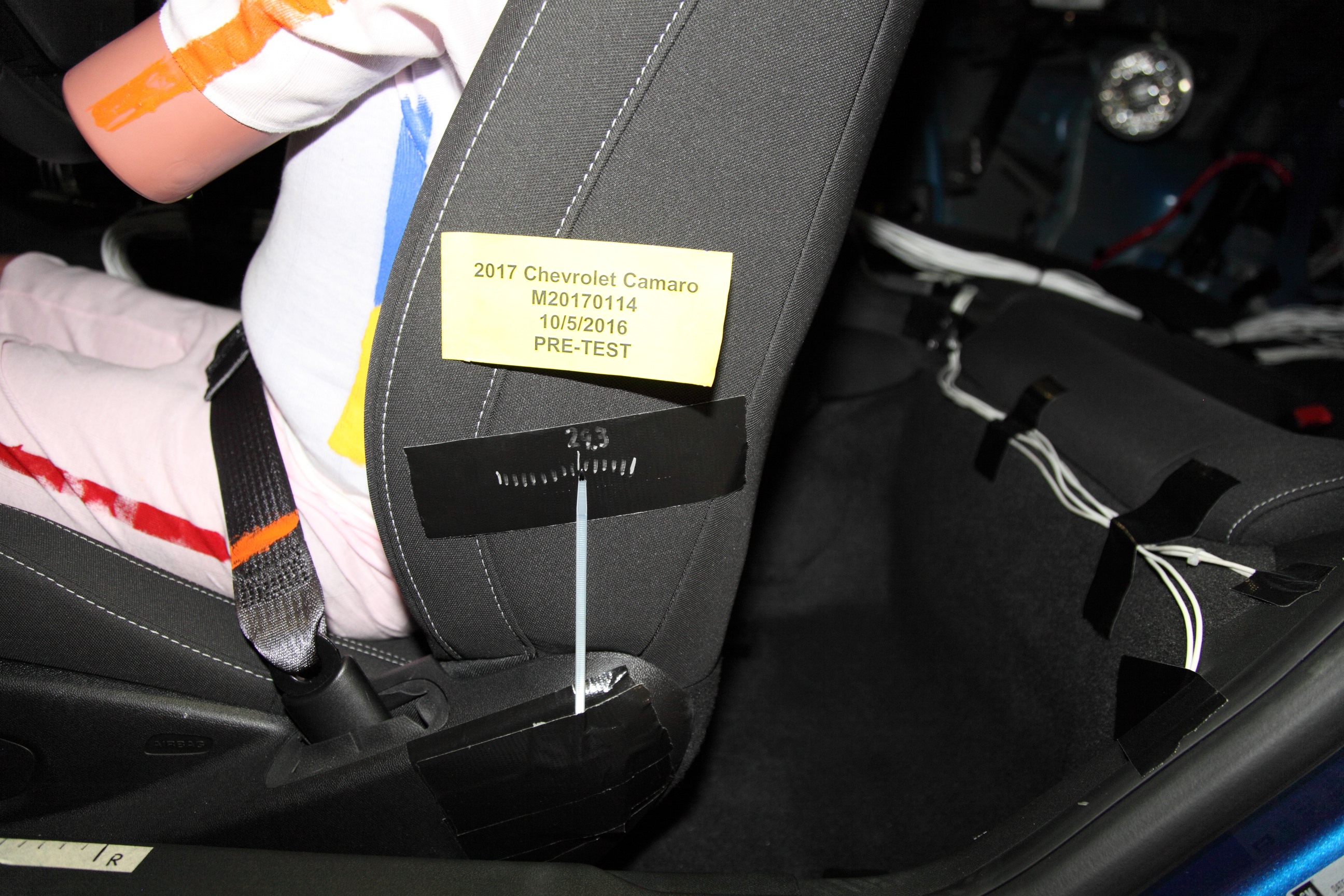
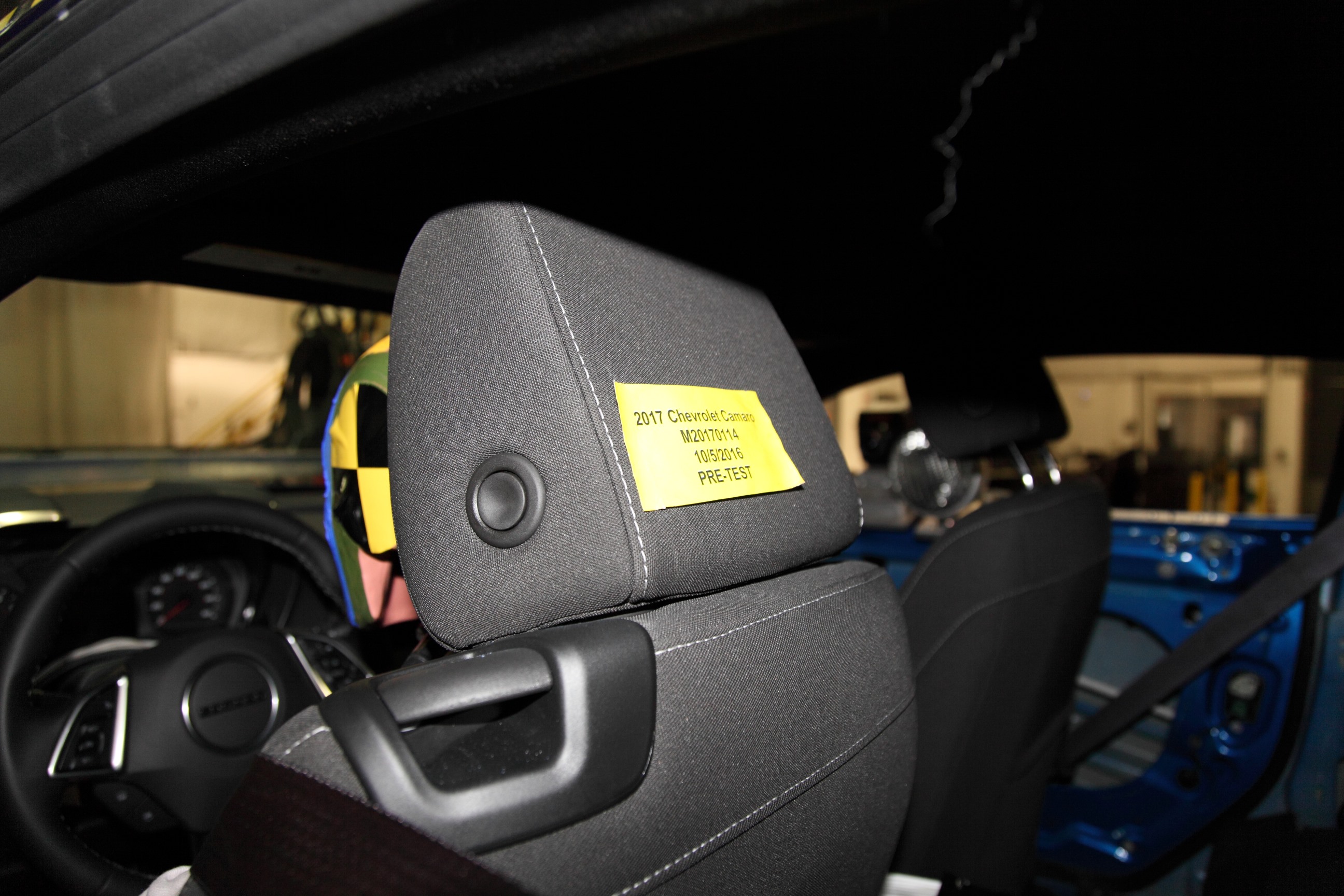
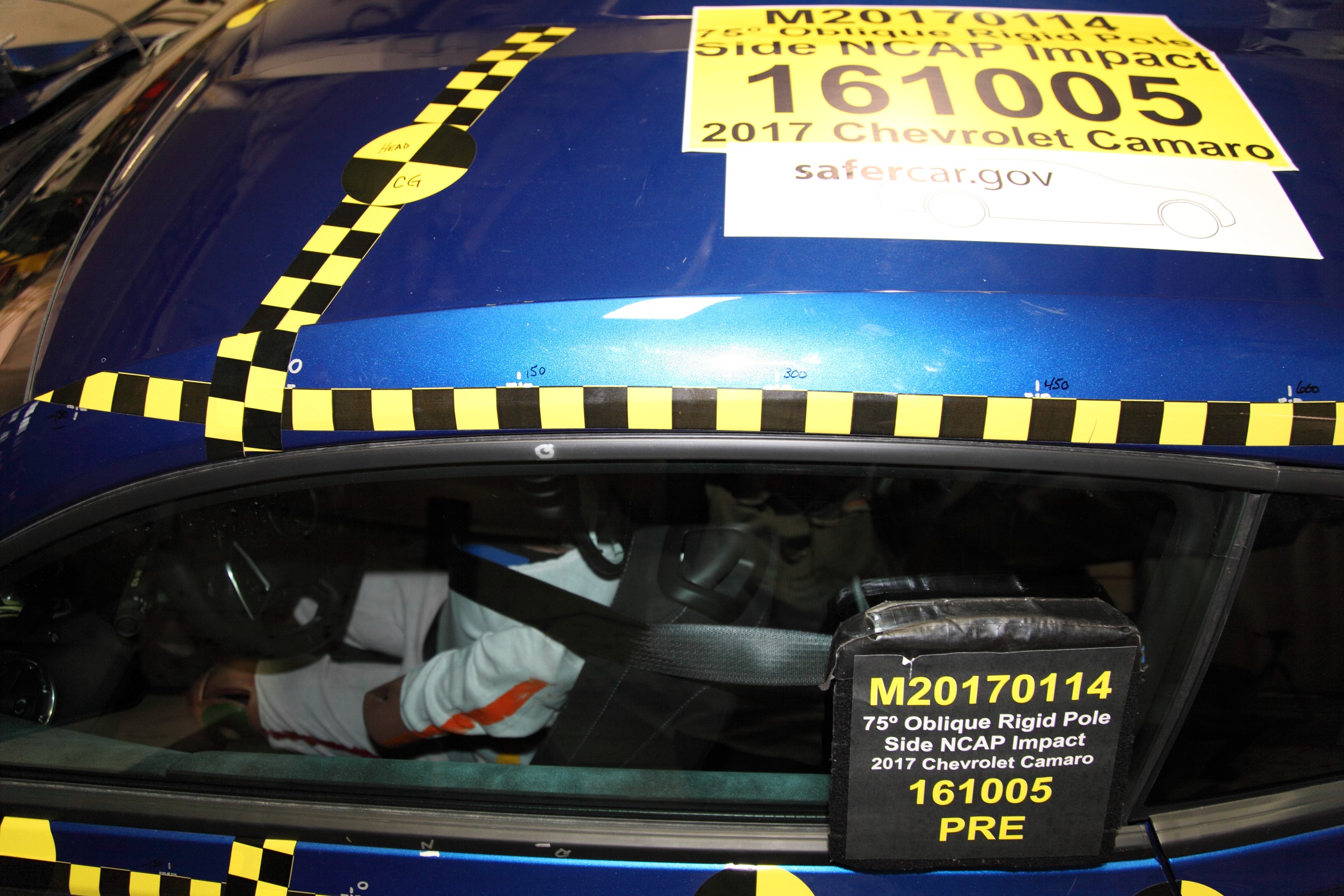
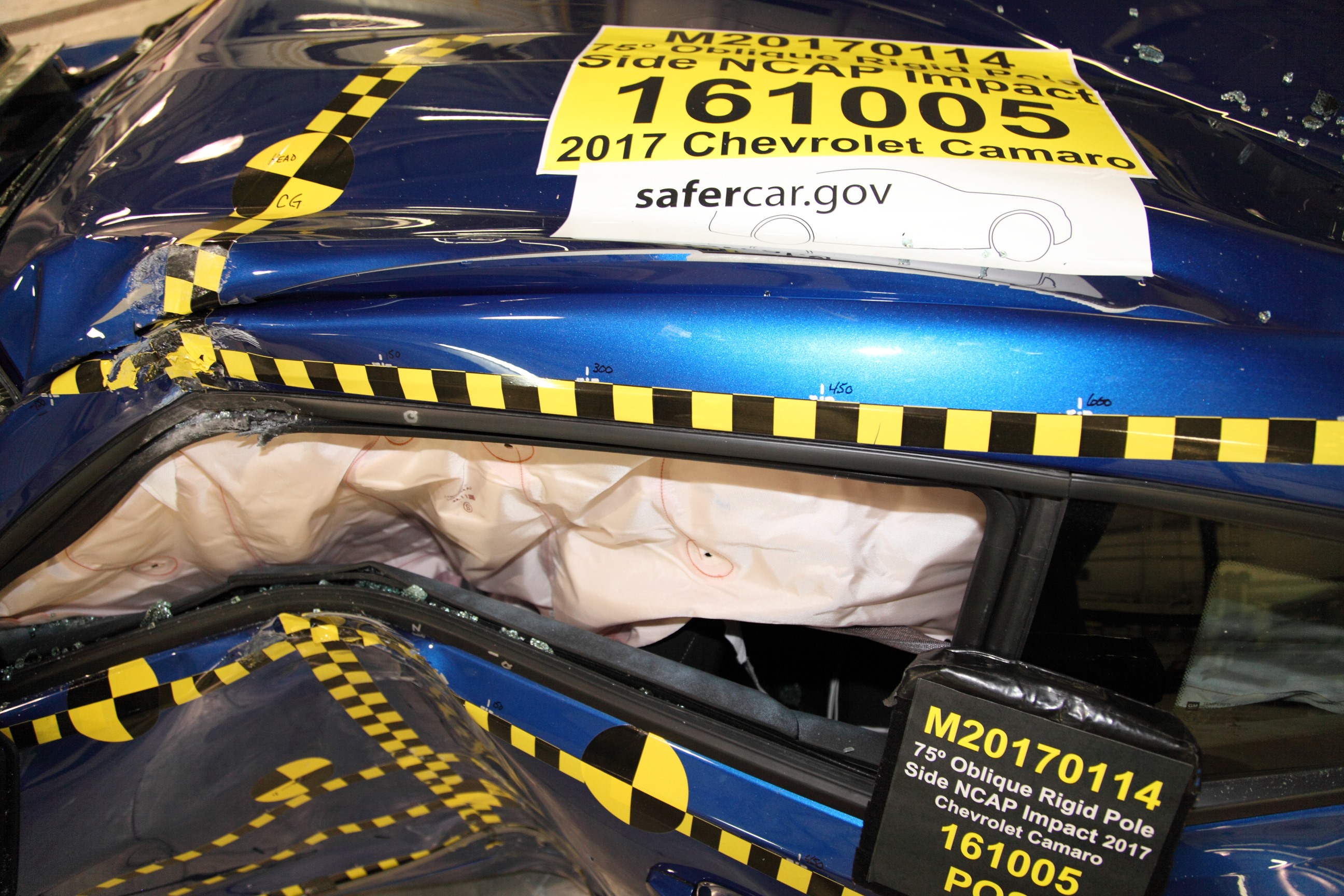
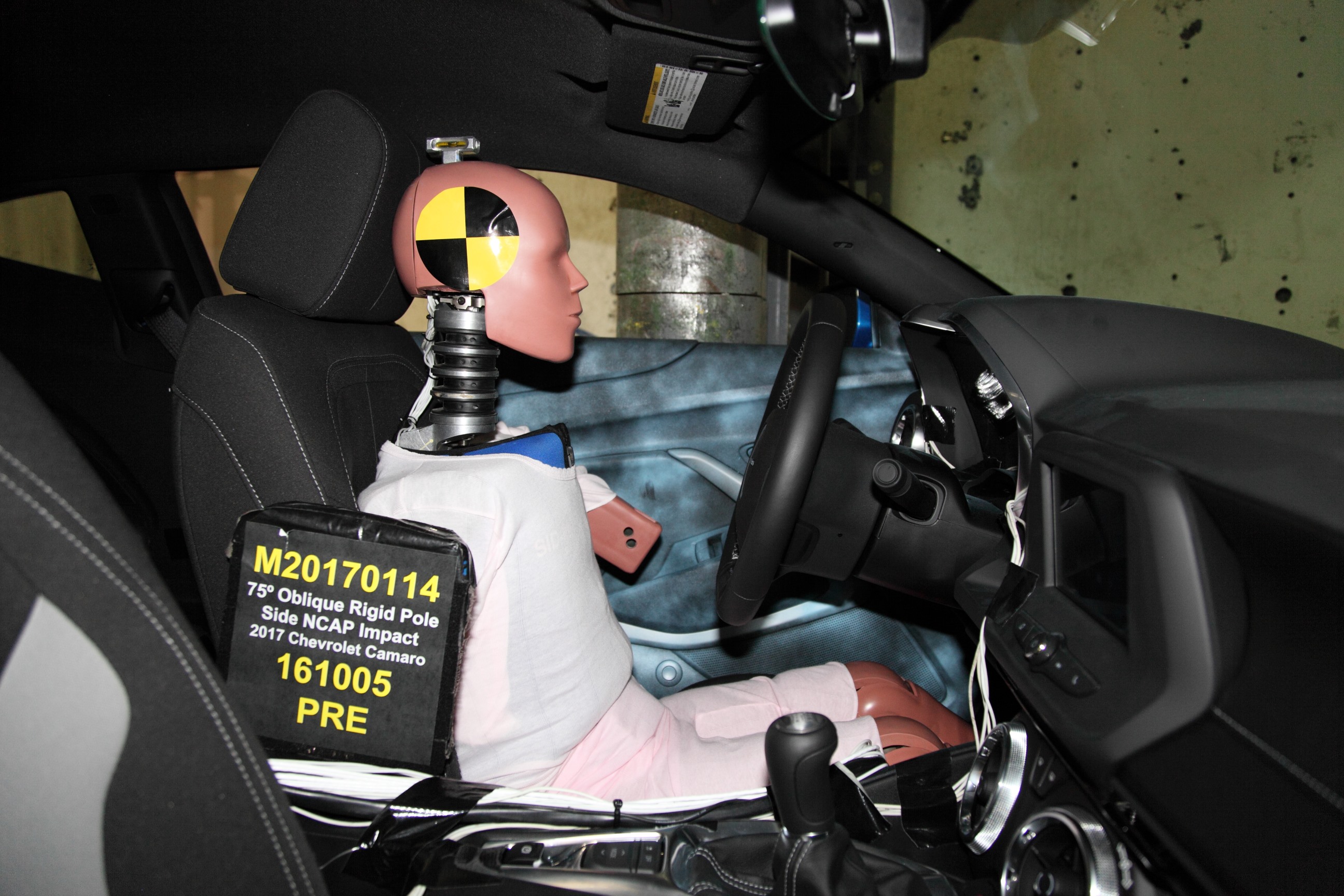
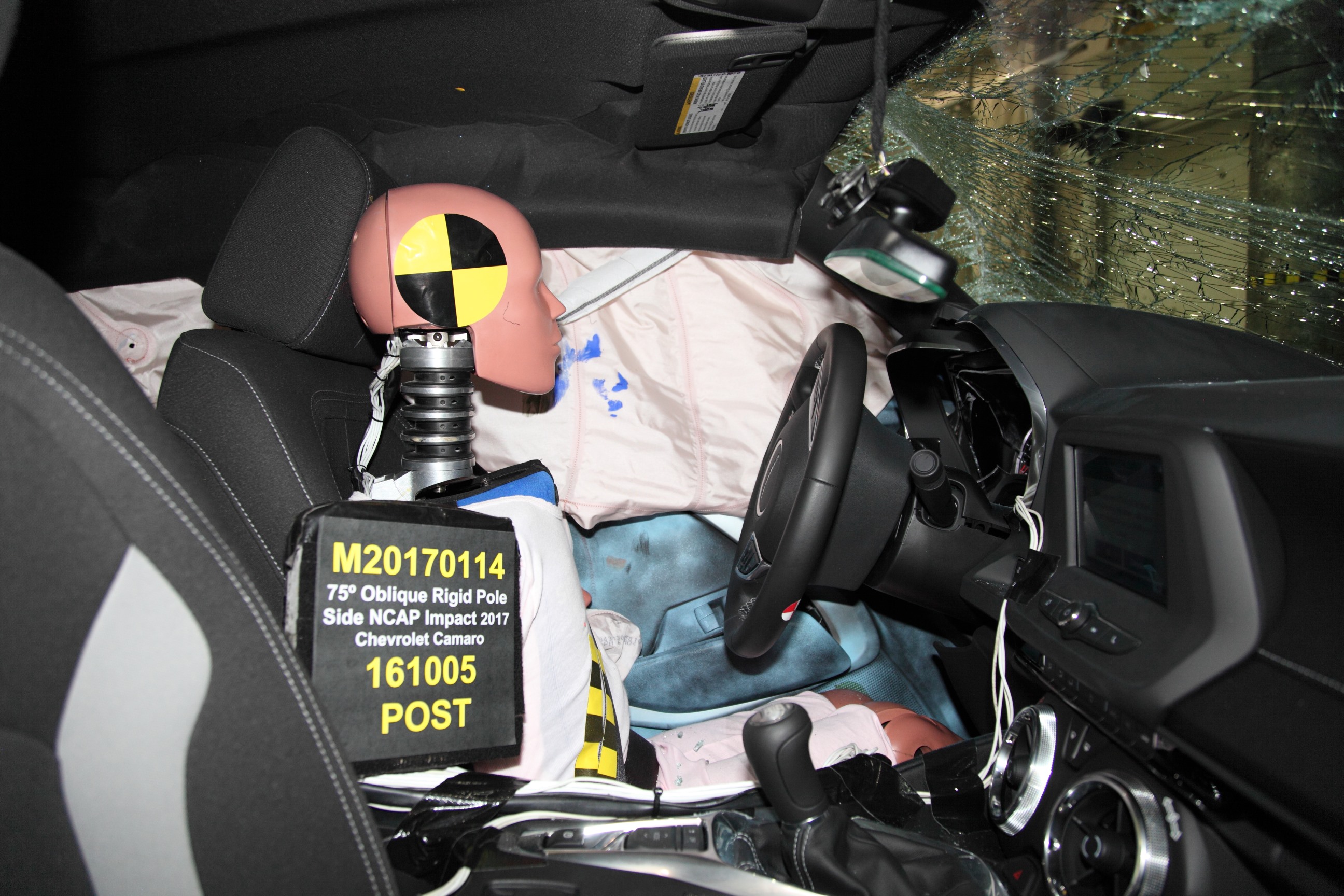
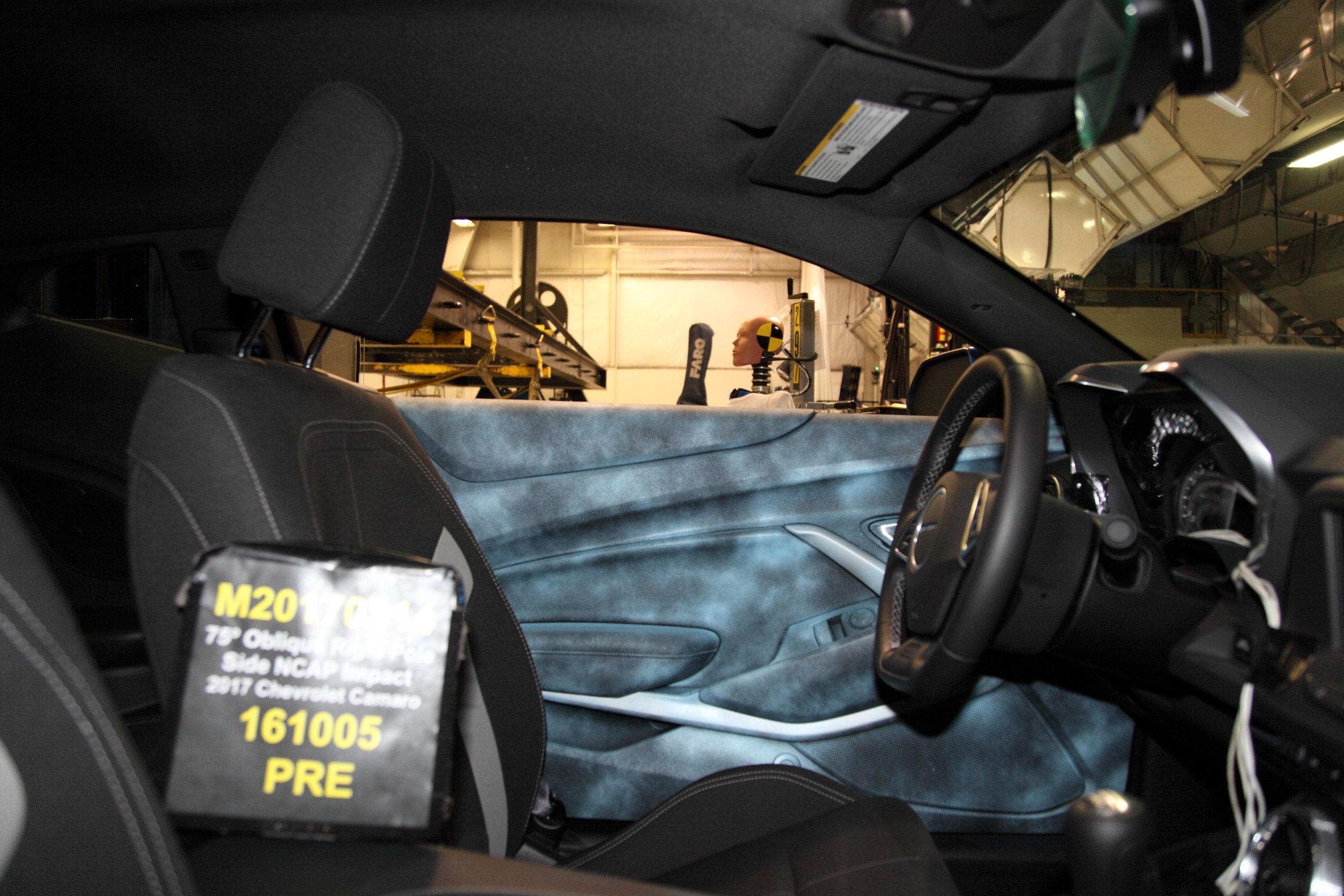
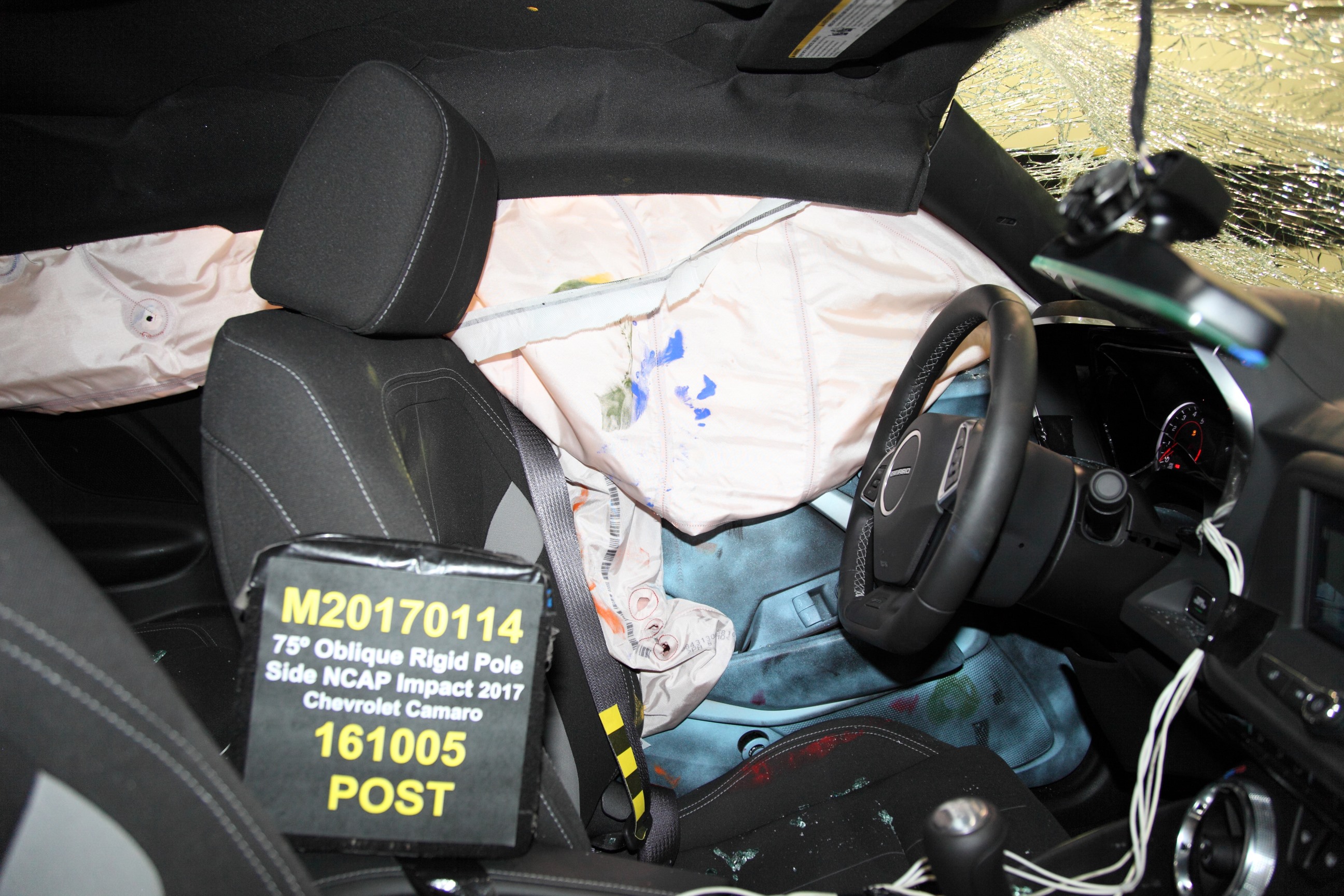
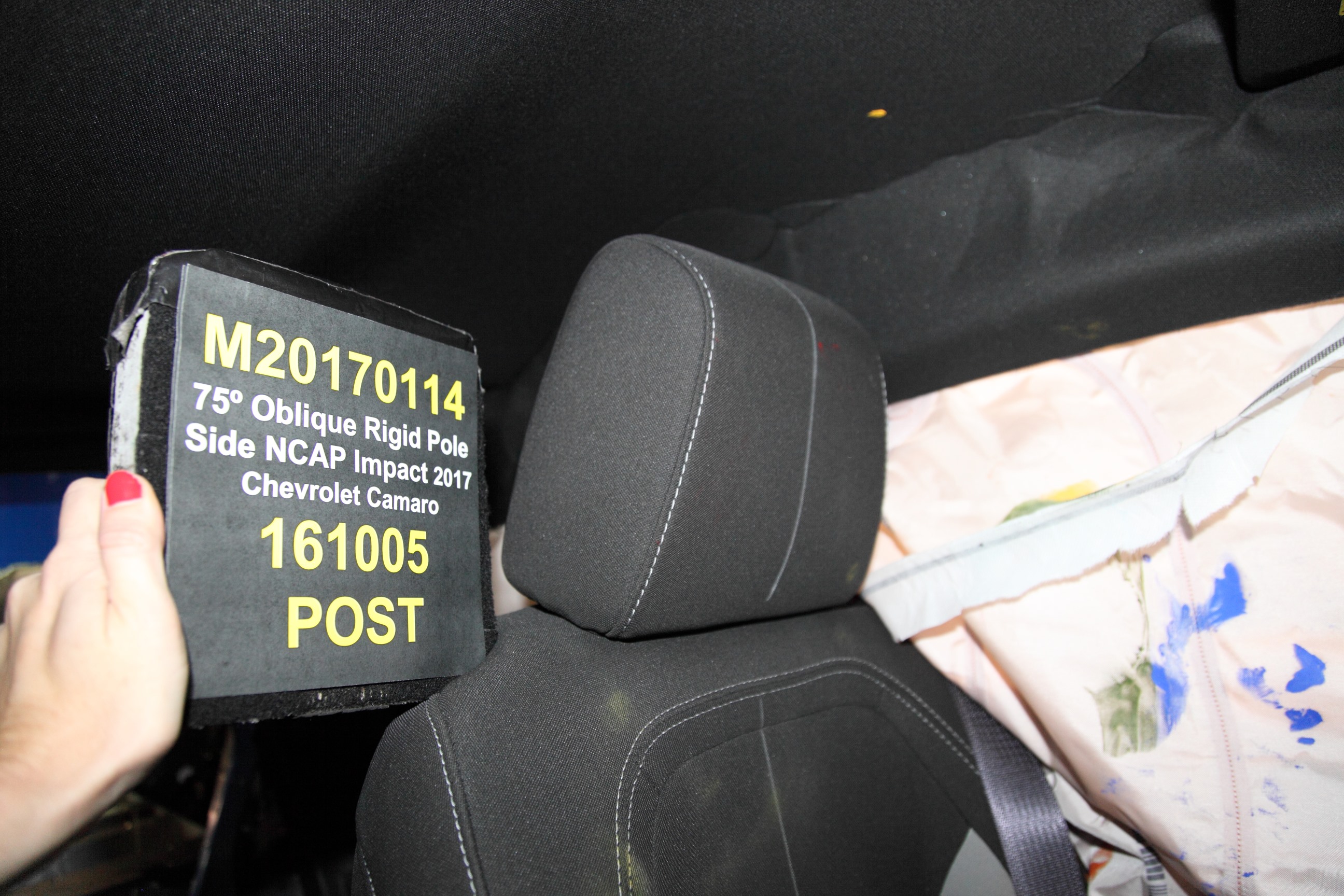
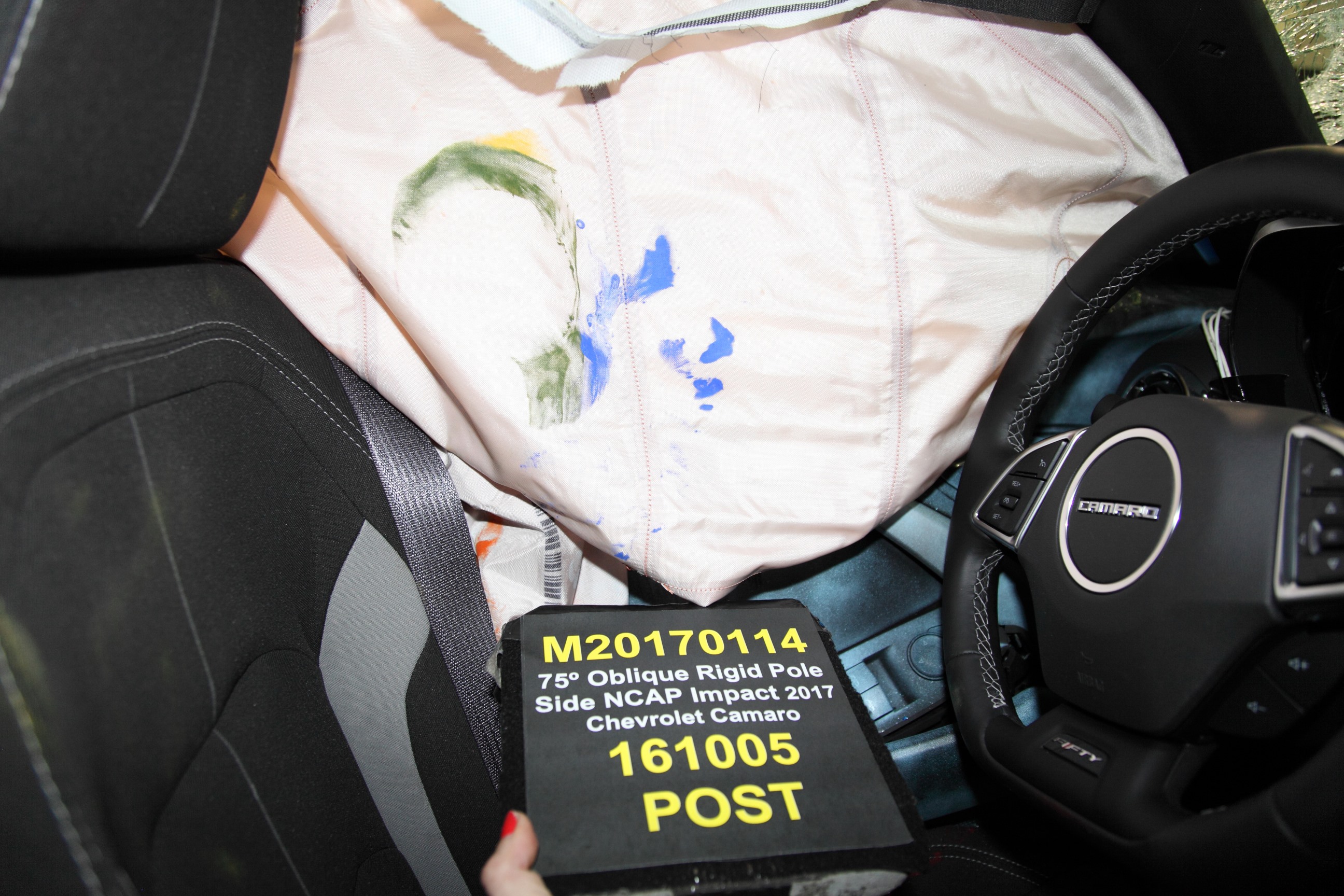
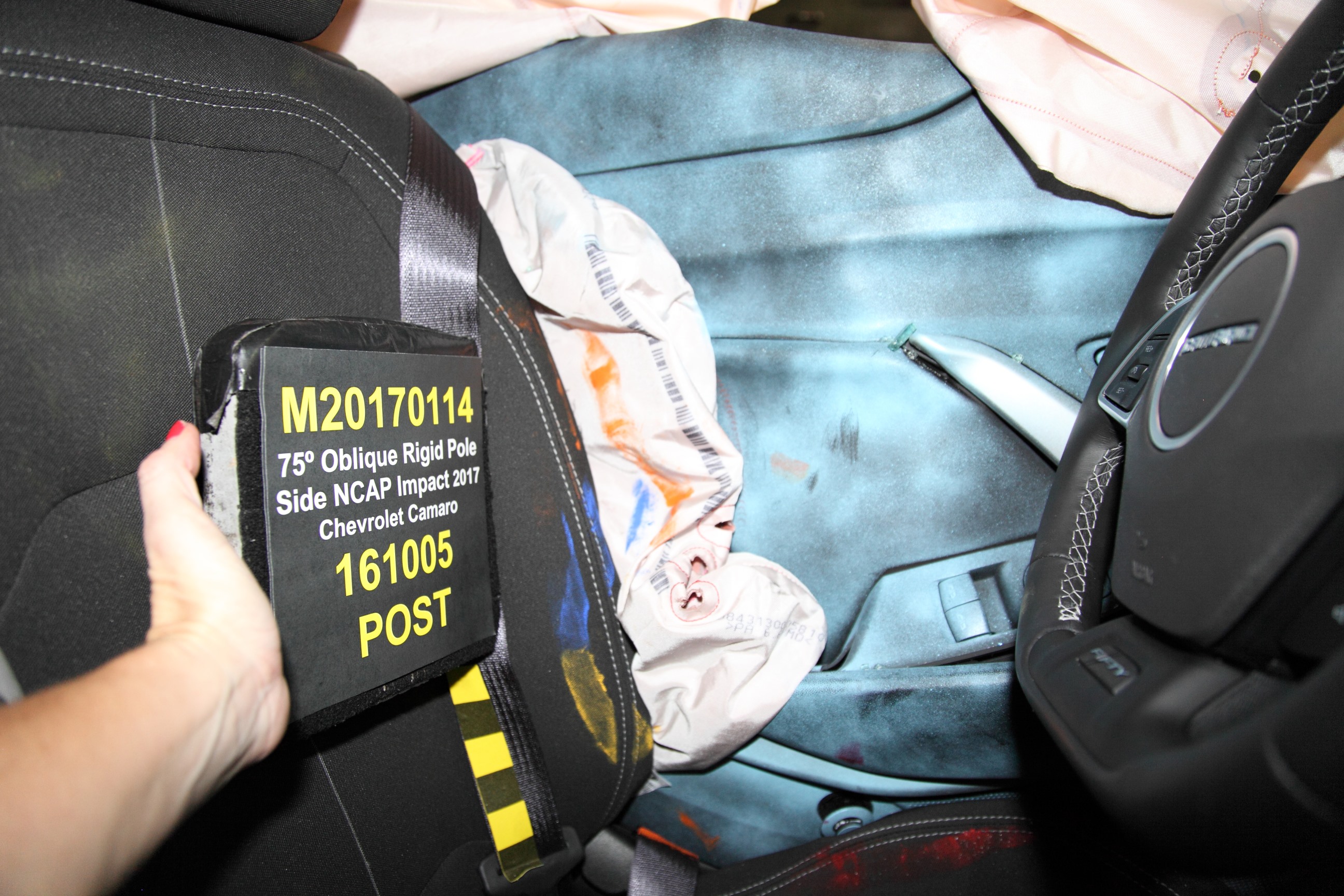
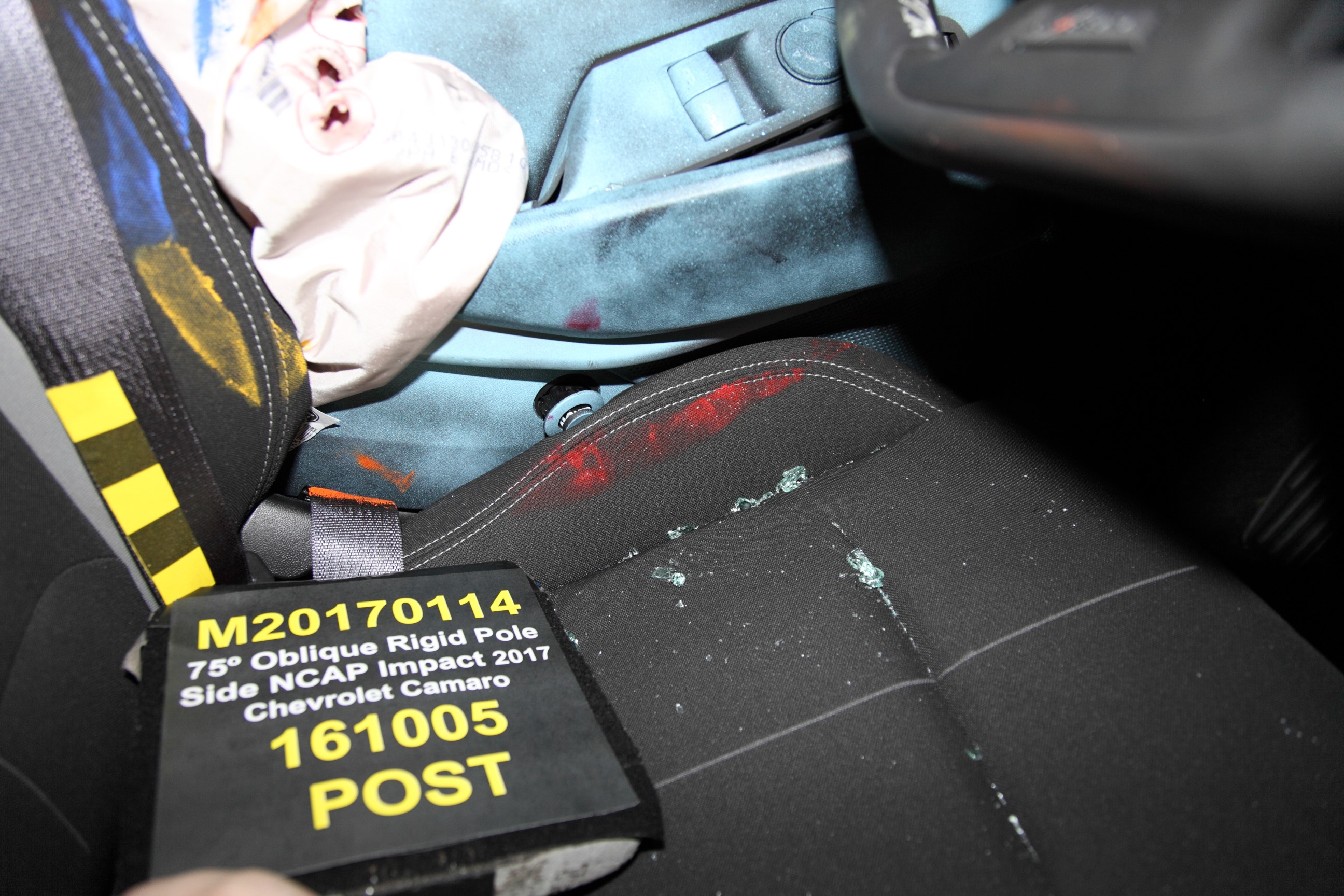

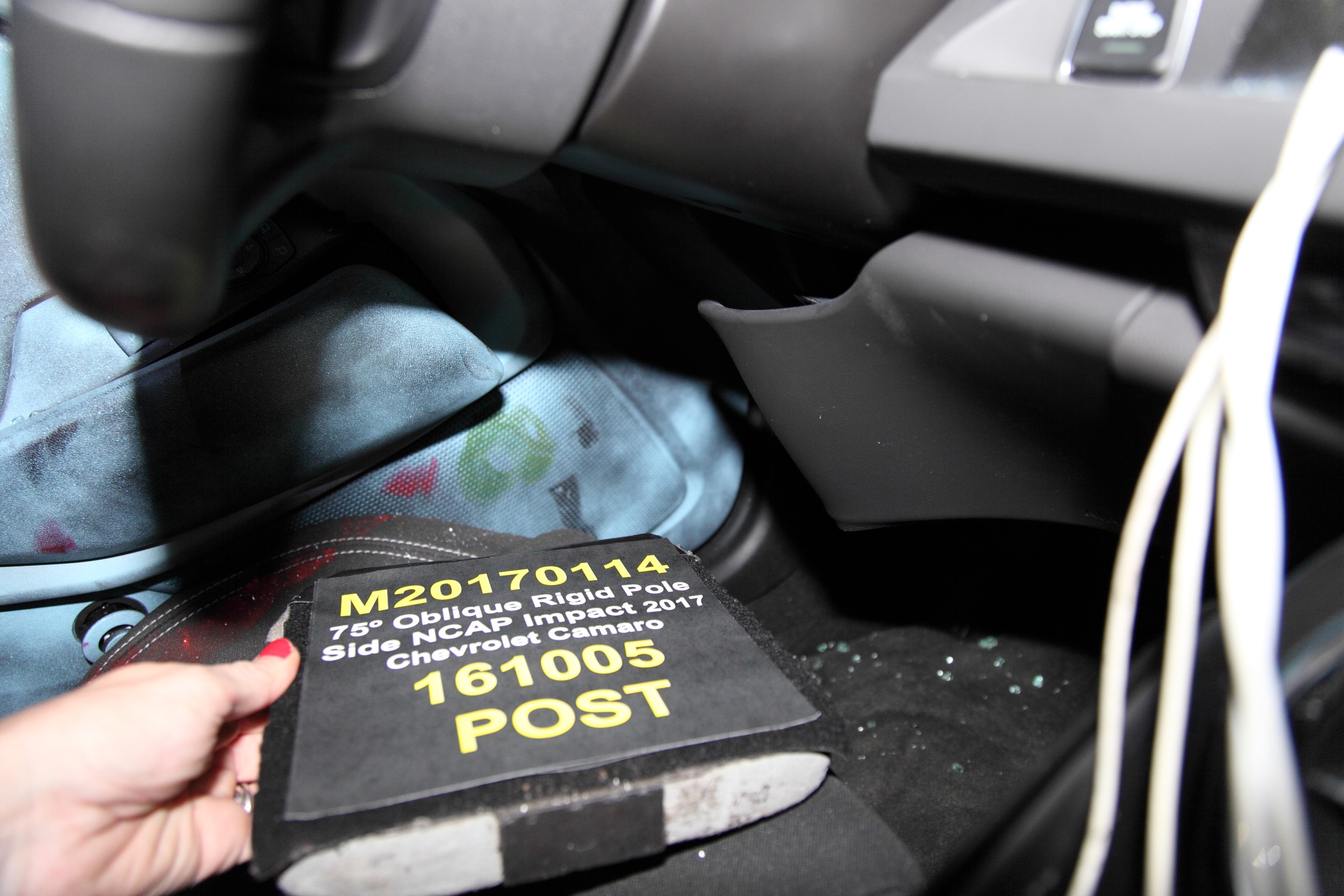
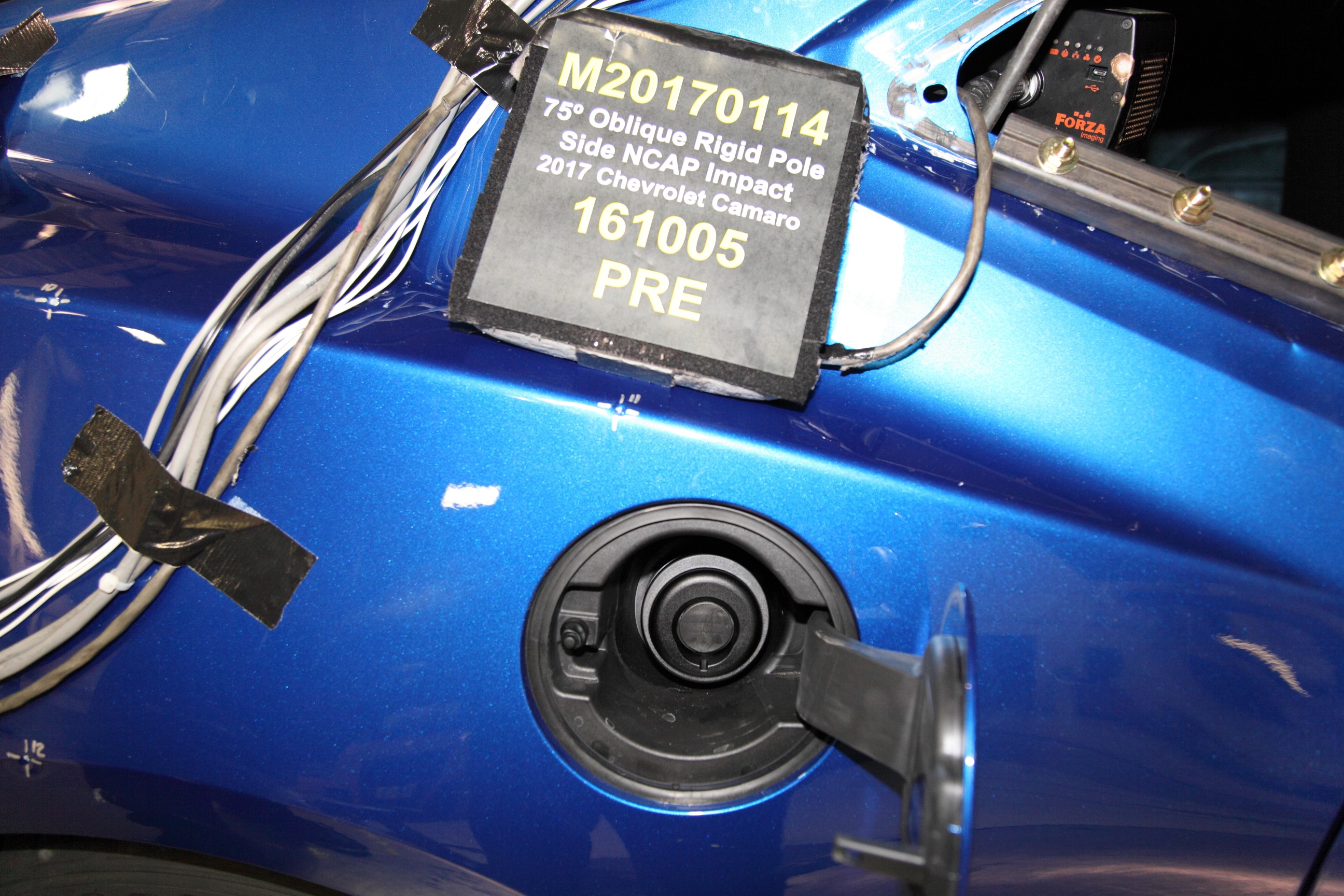
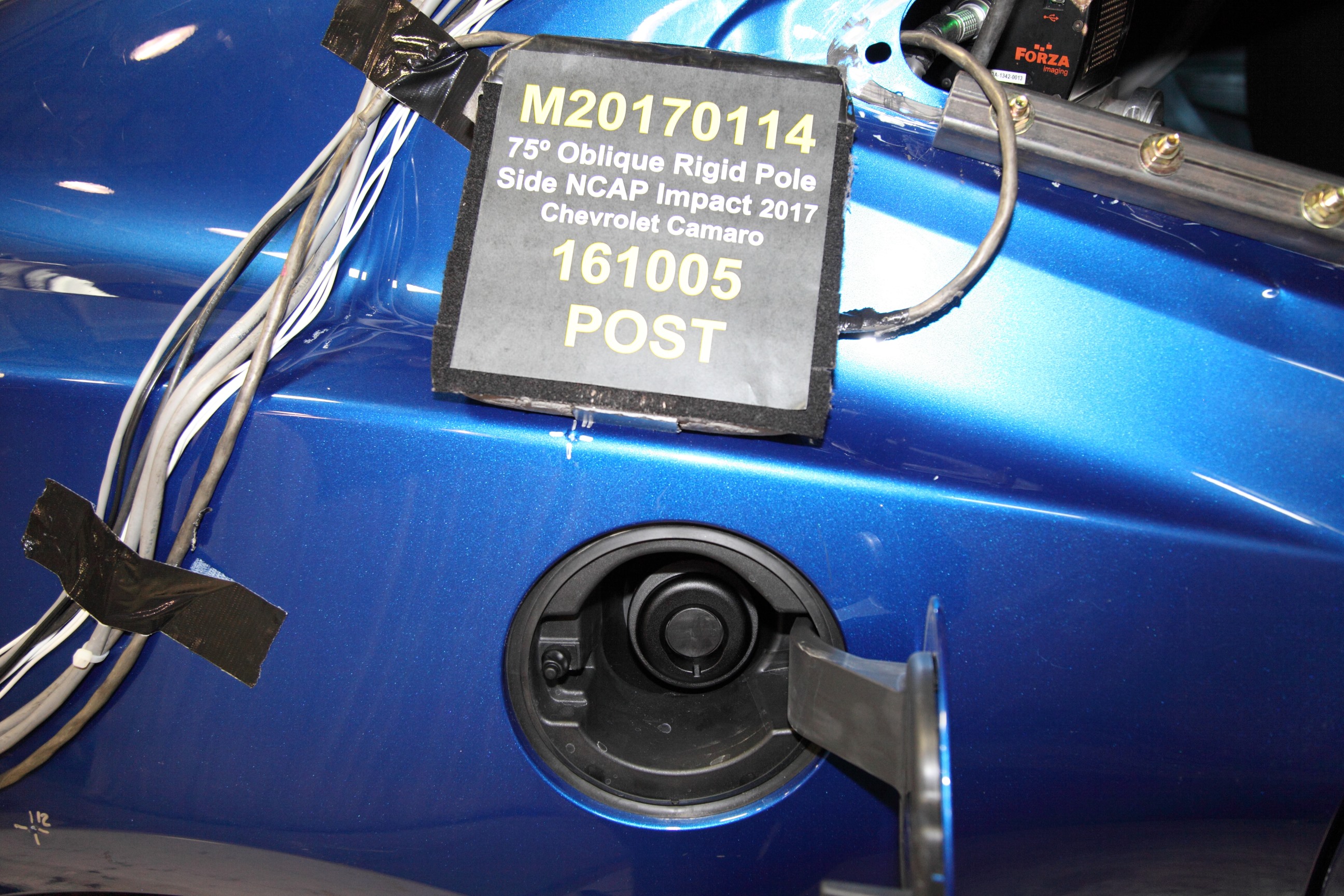
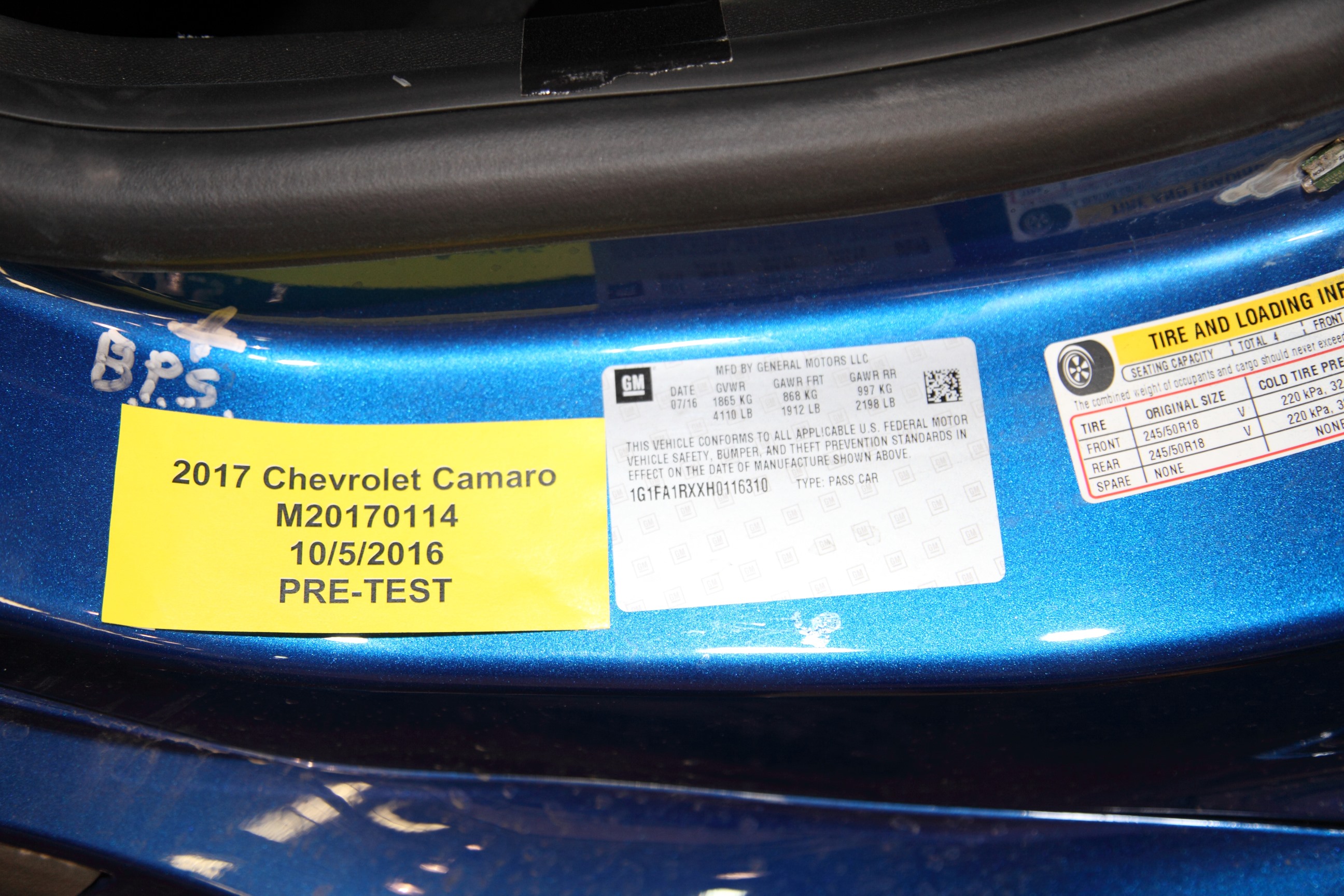
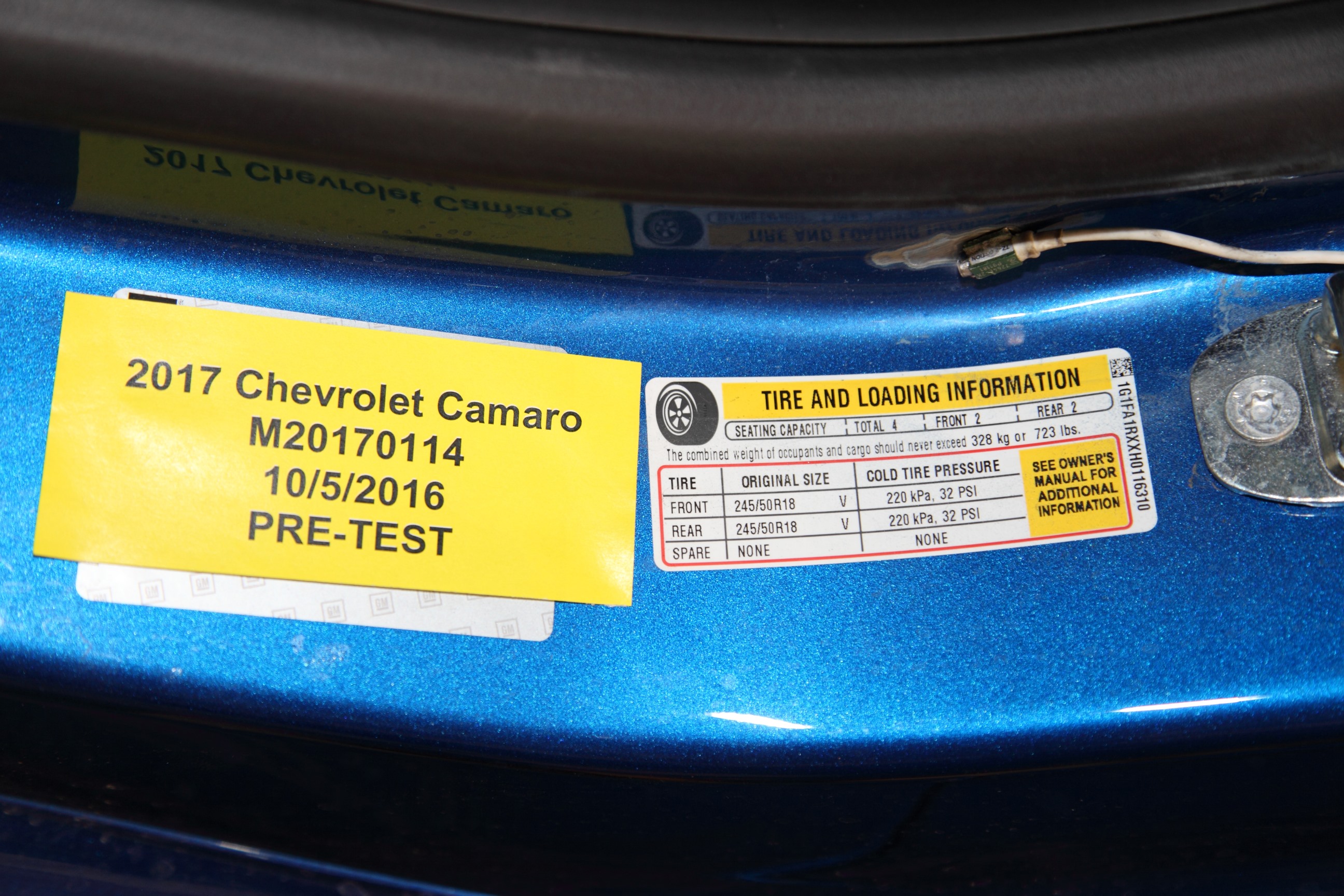
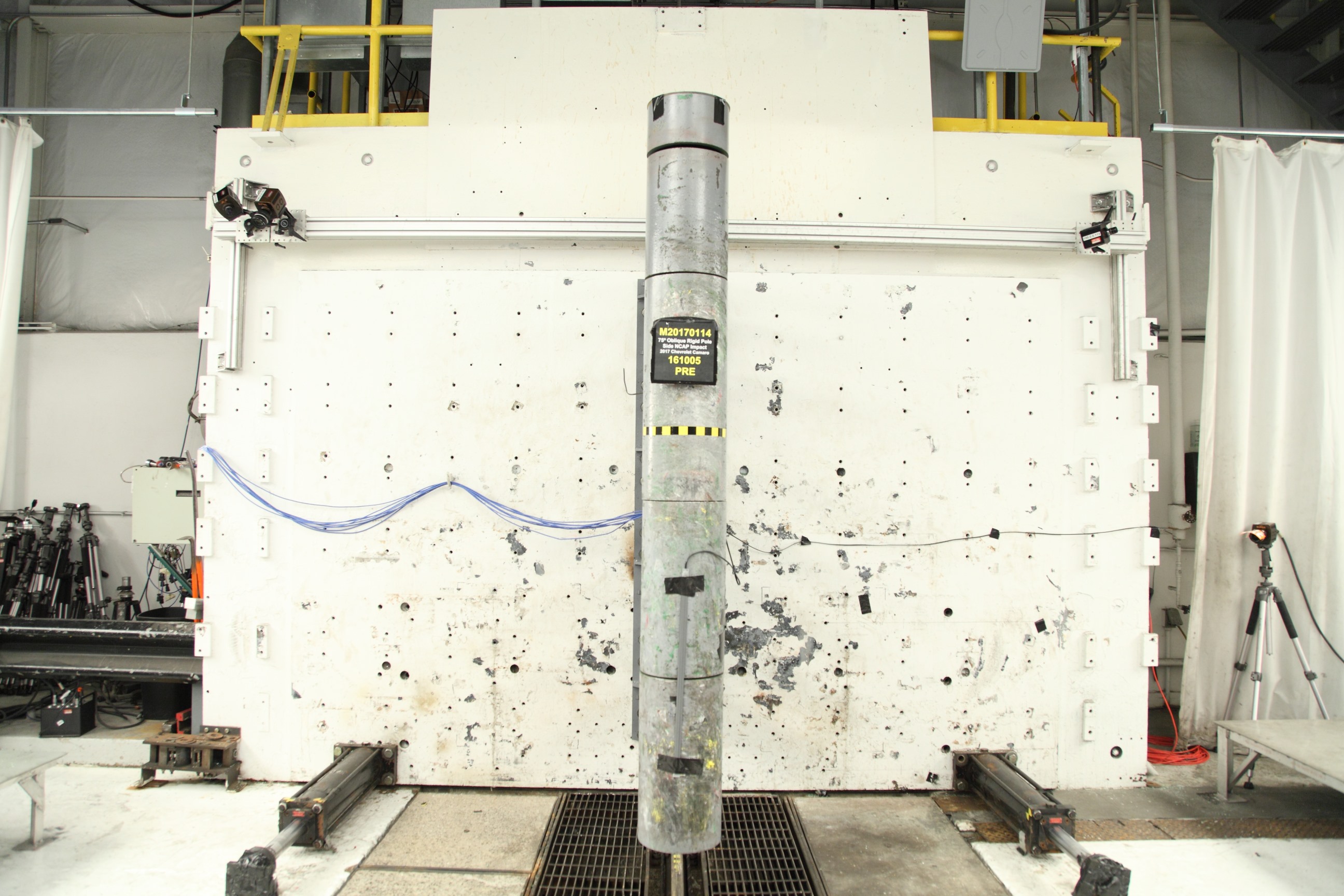
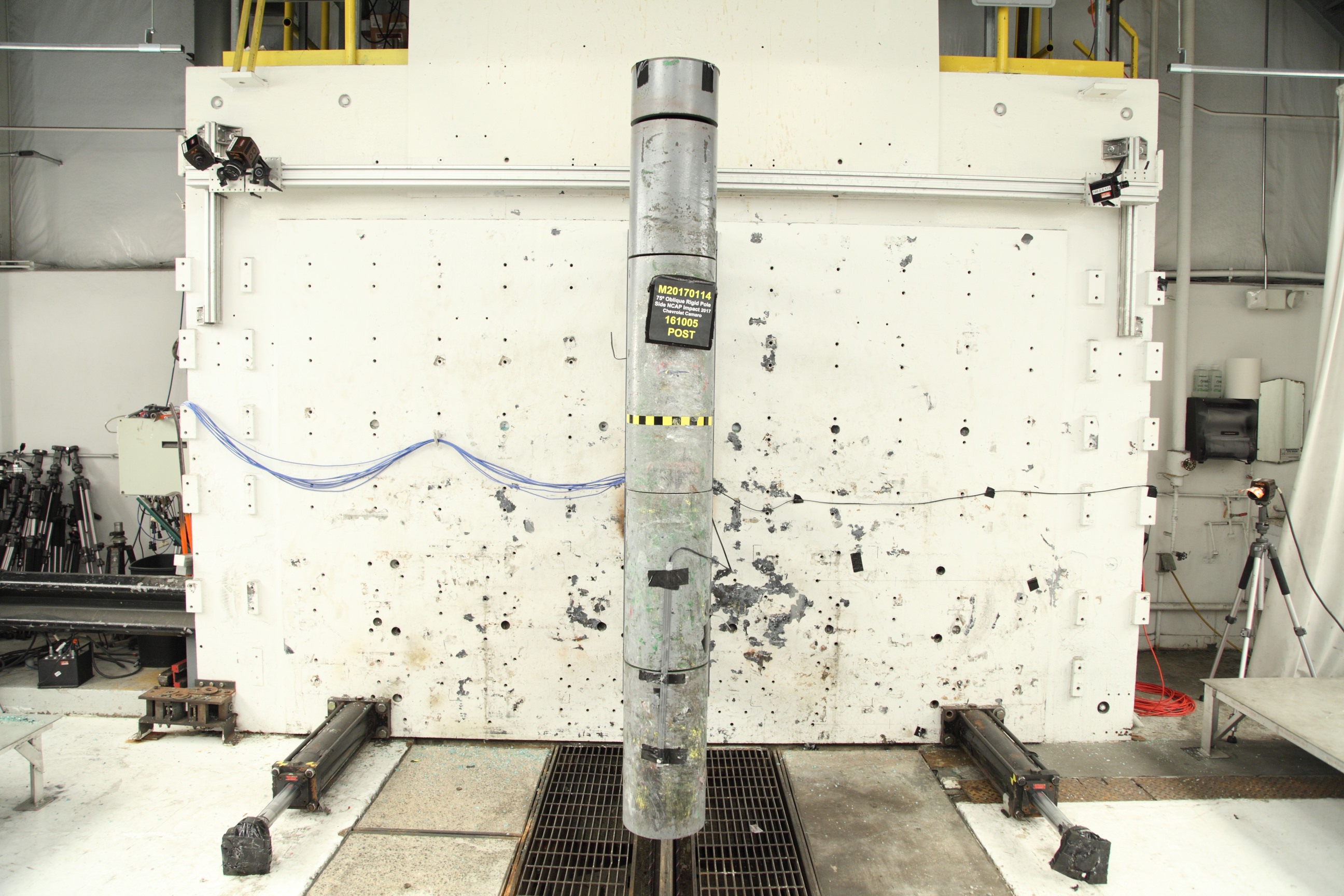
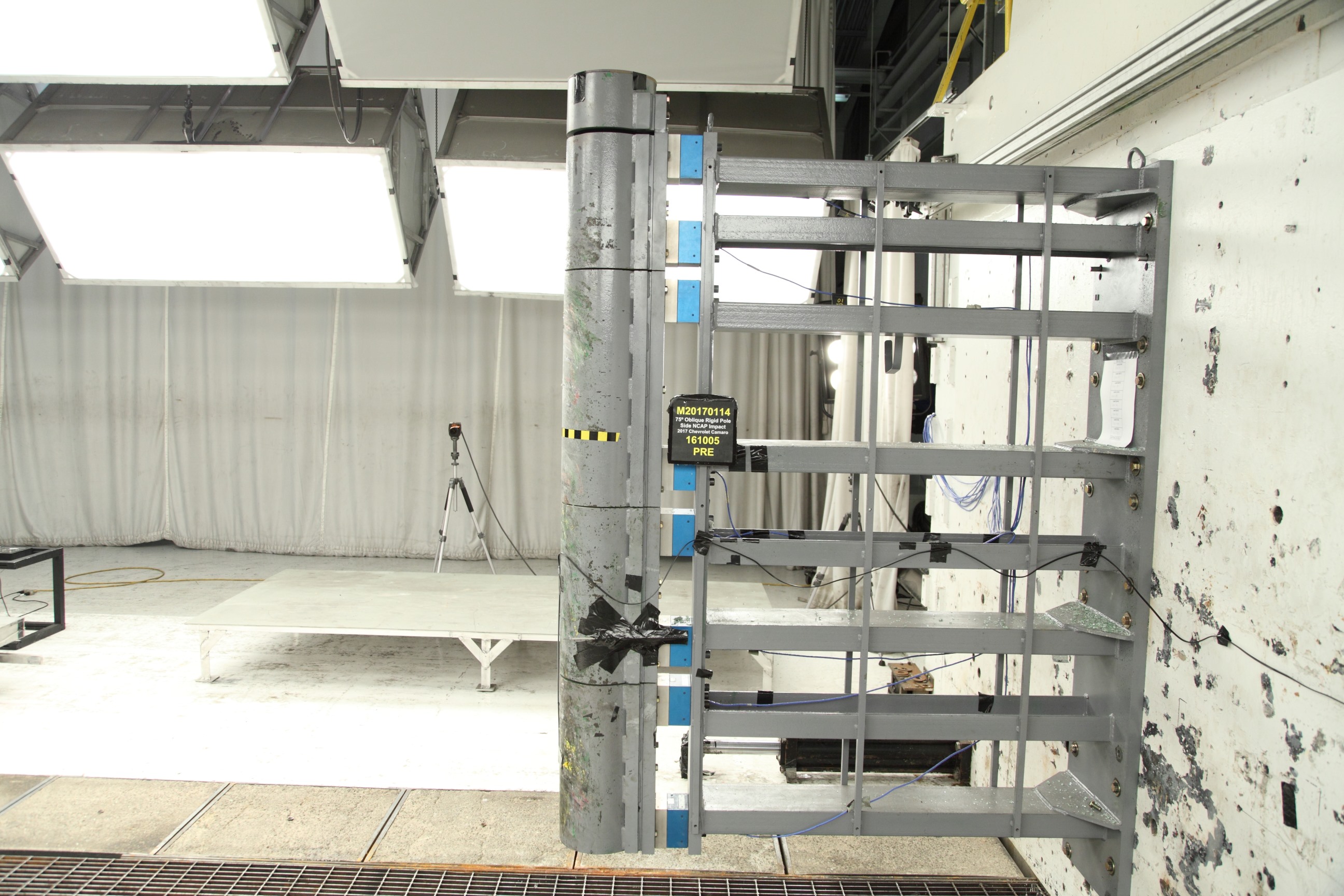
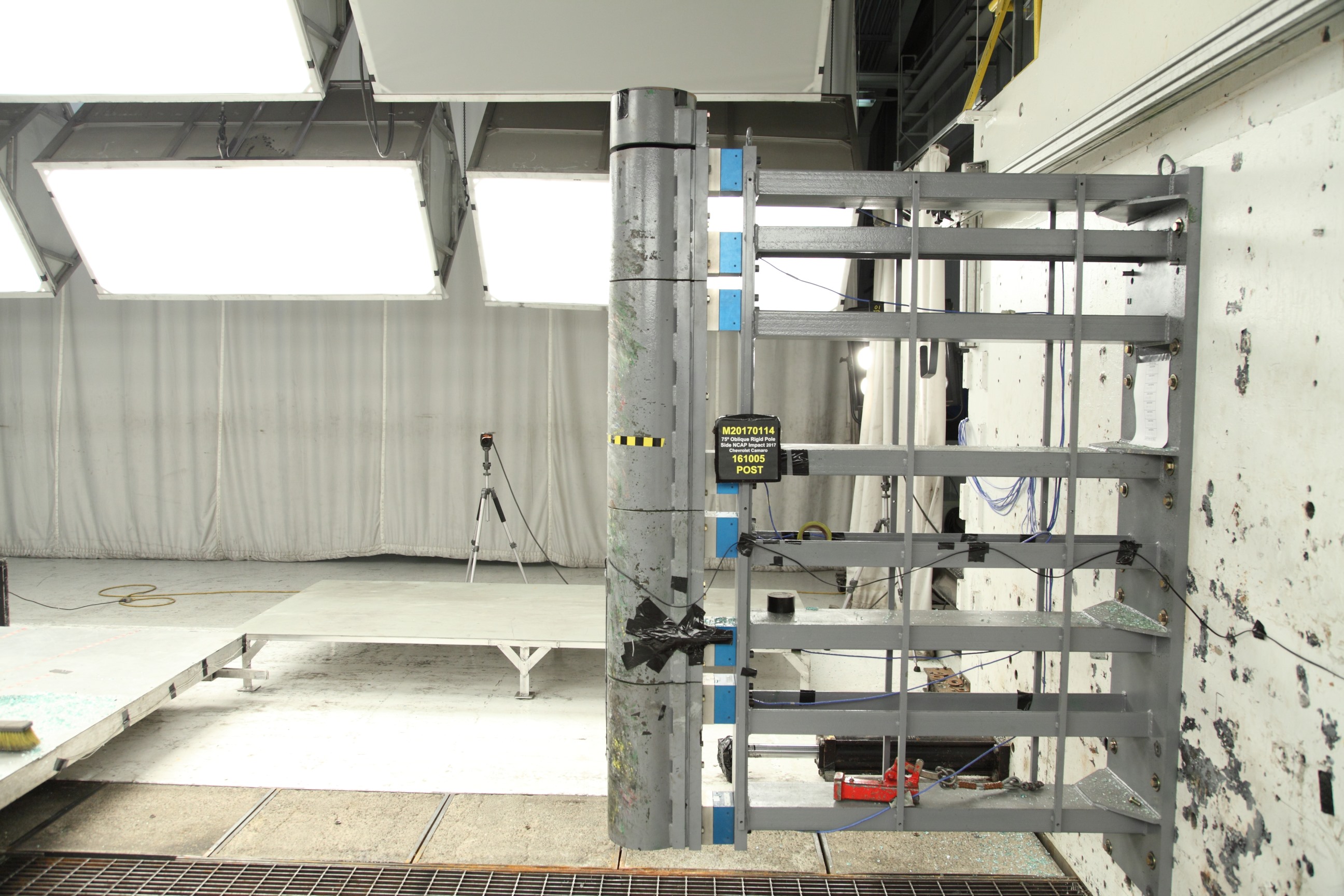
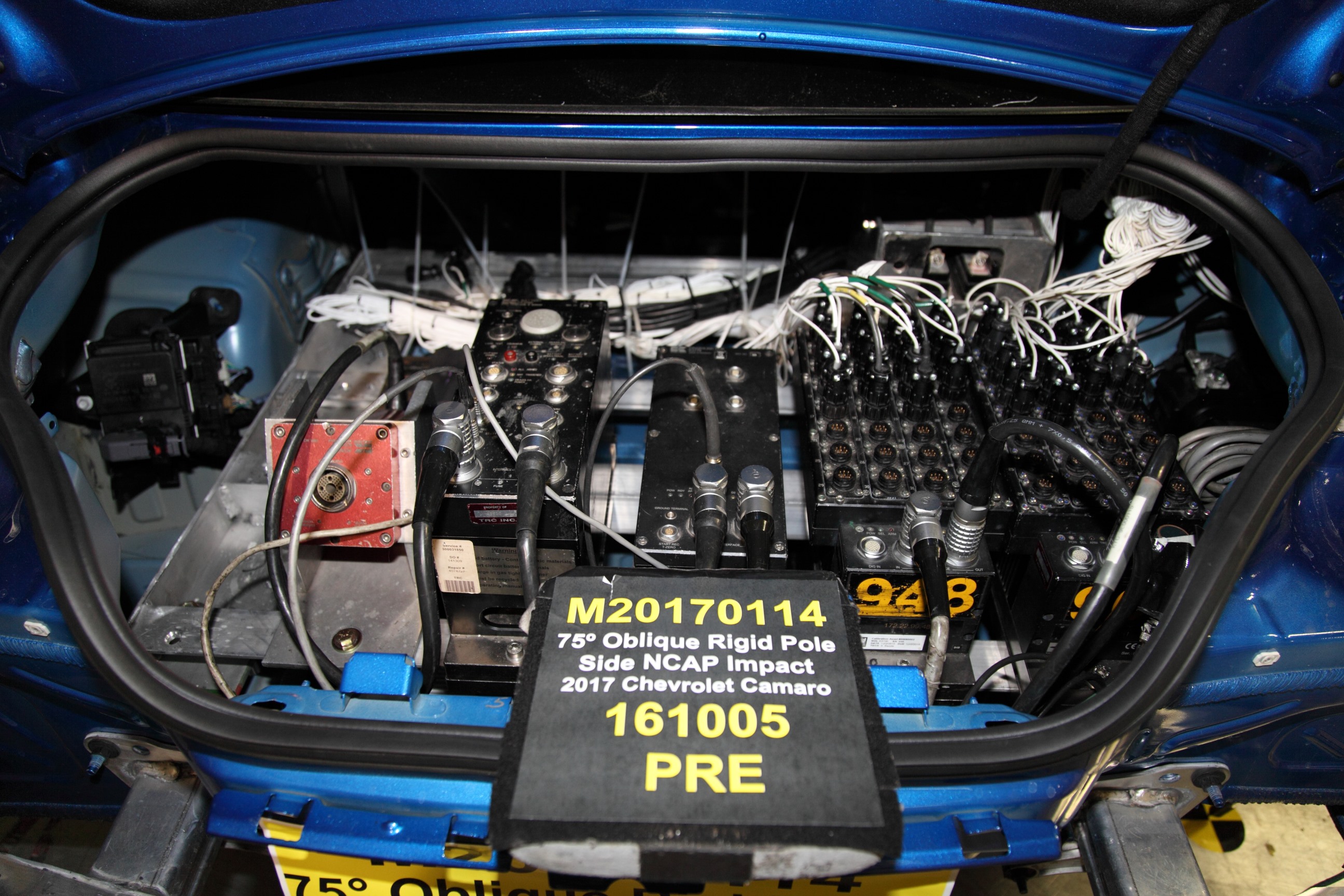

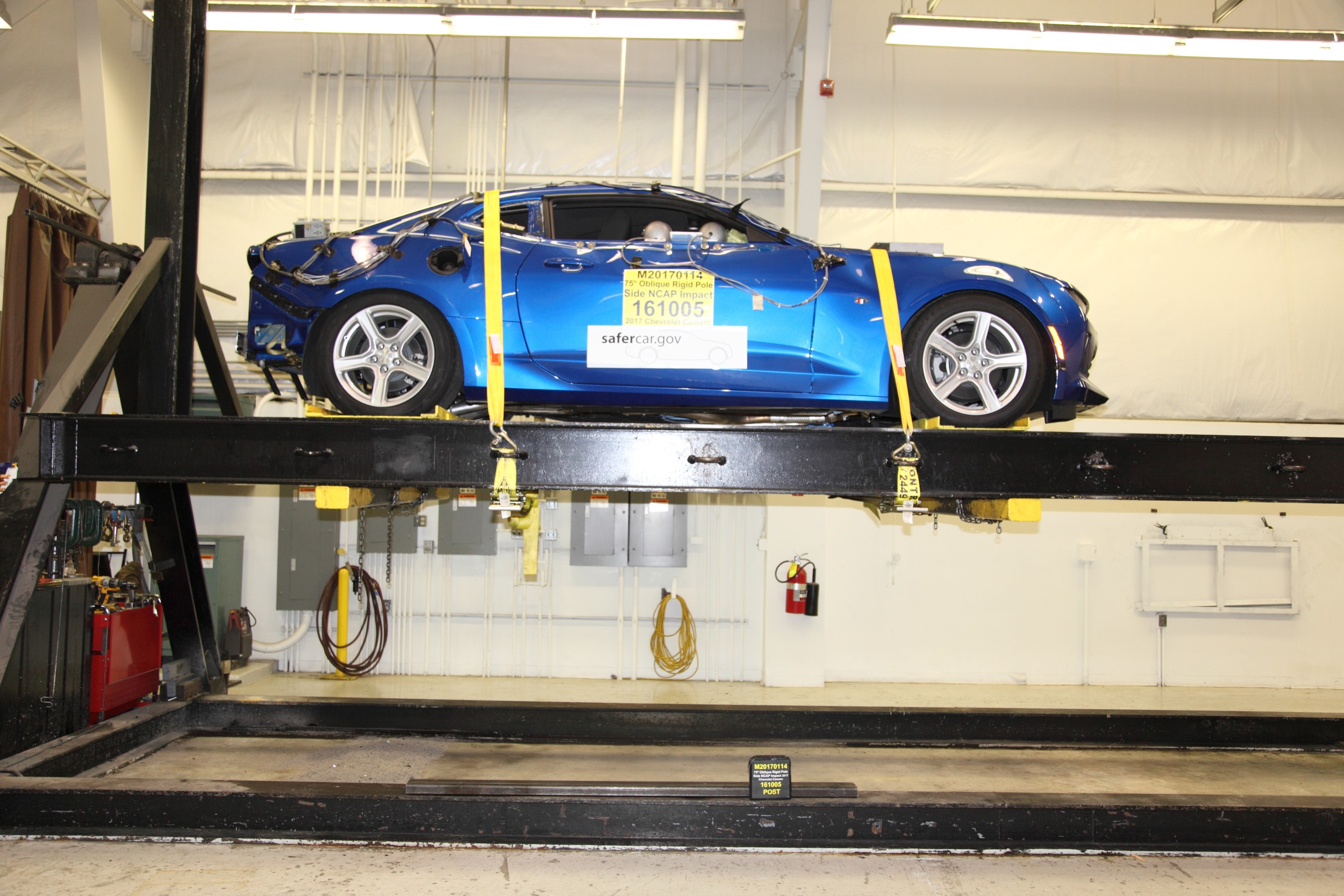

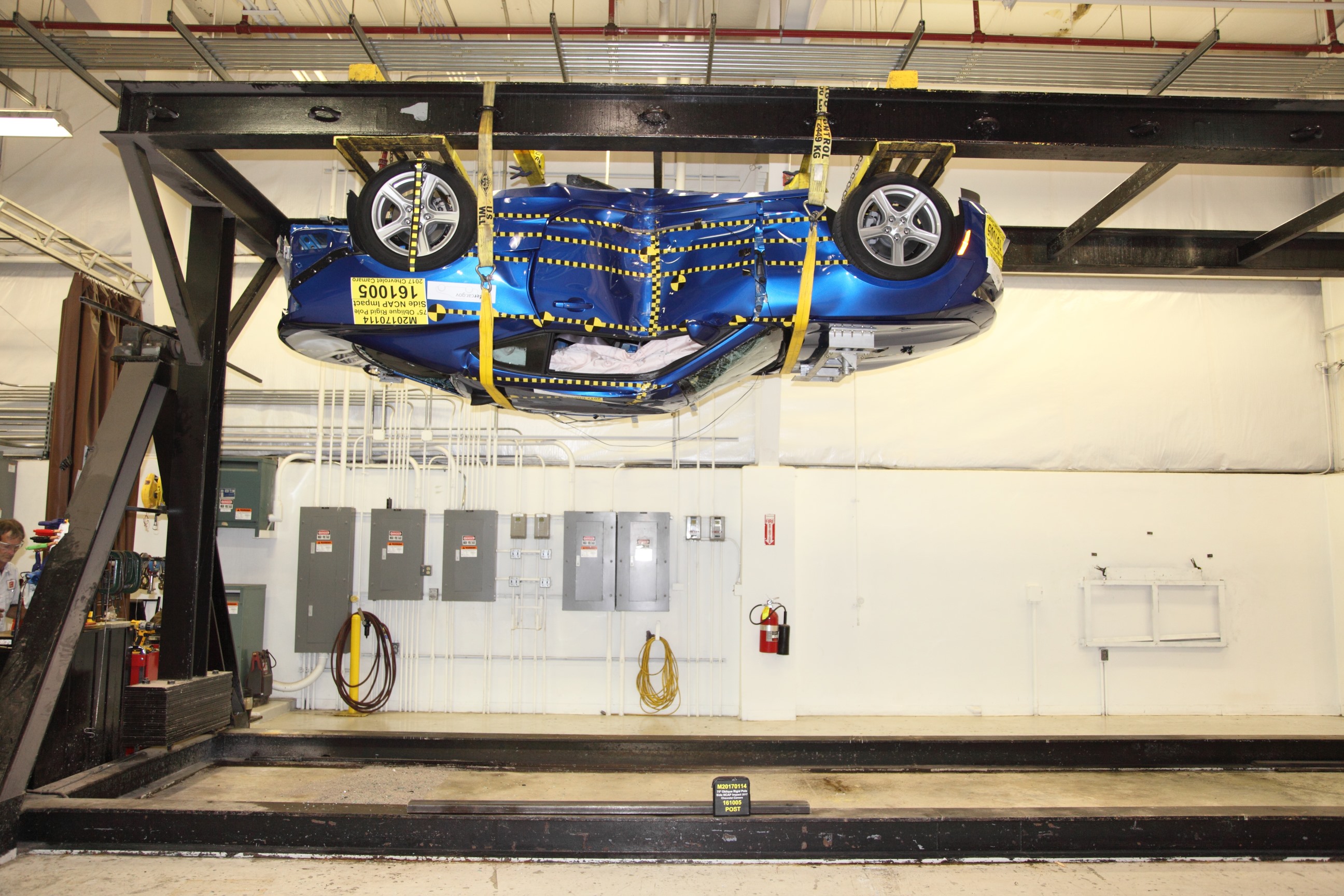
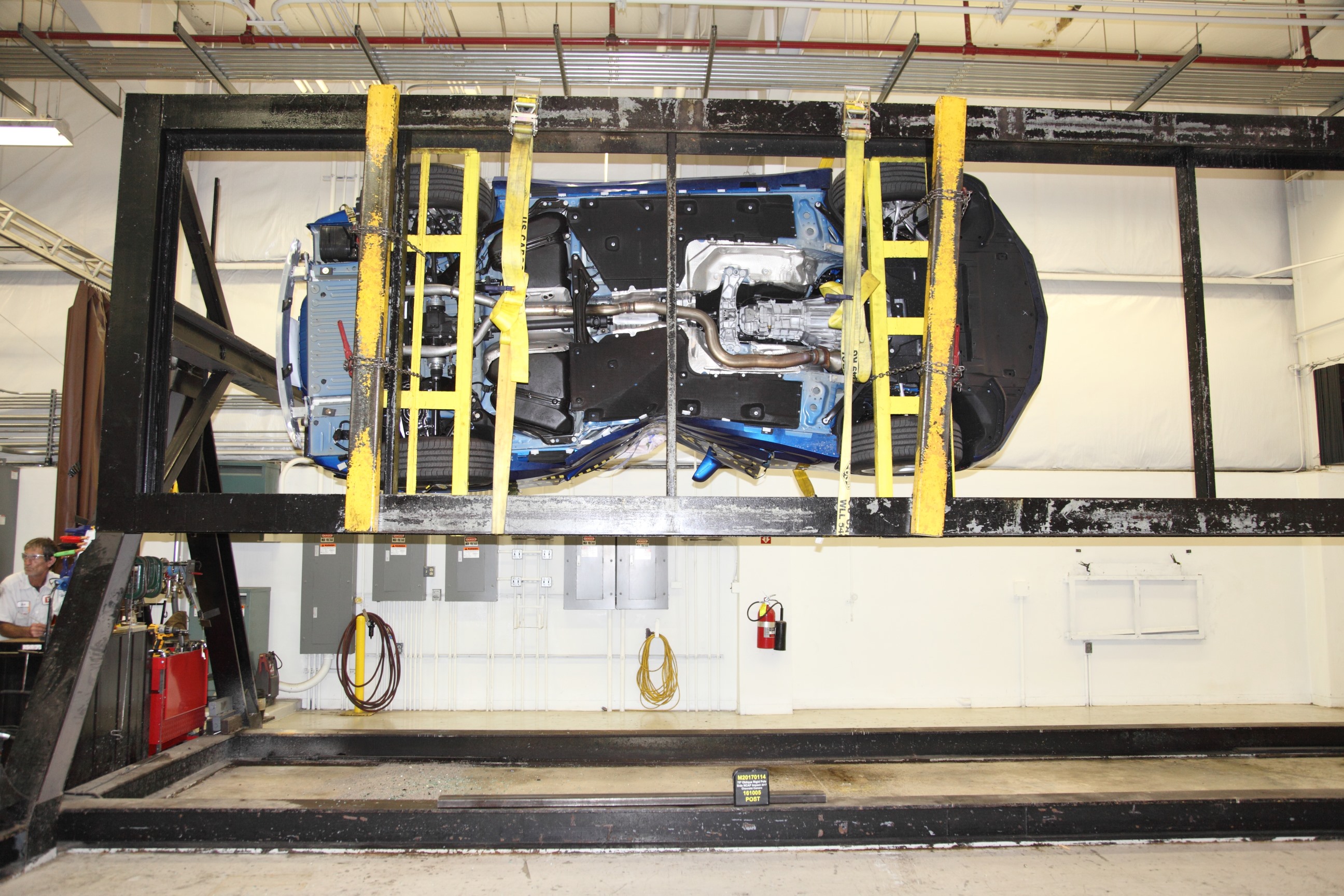
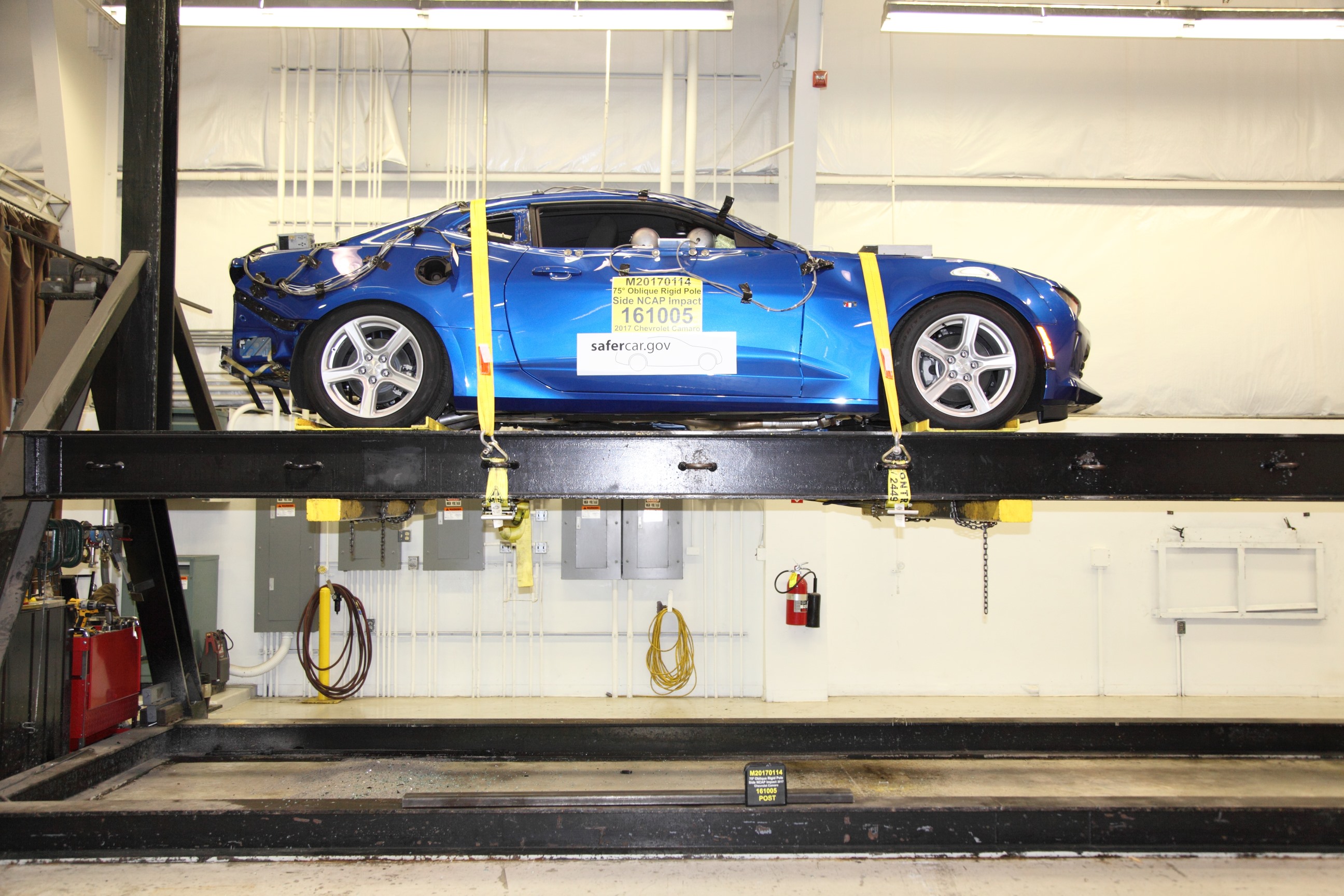
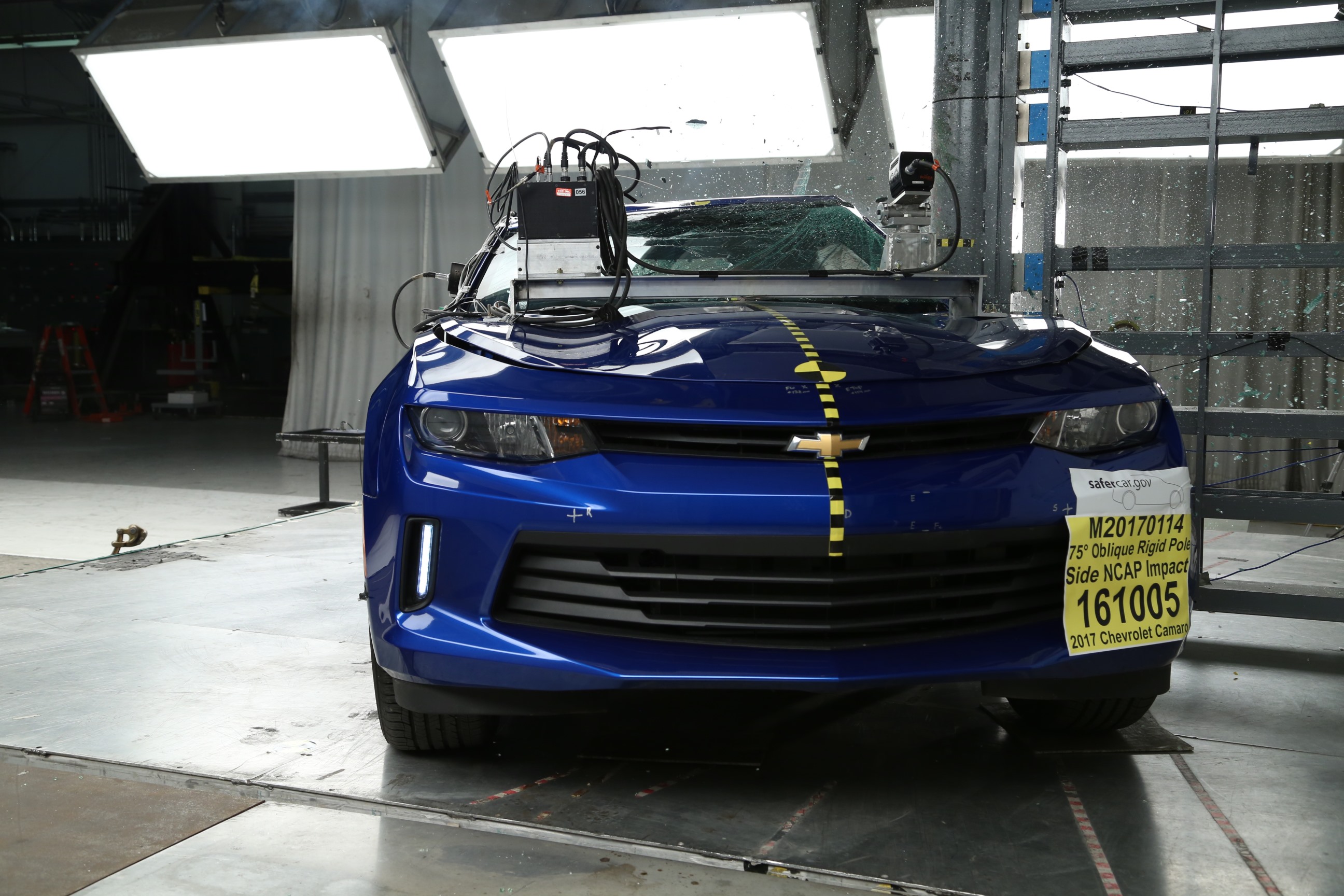


Crash test #2NHTSA test 9968
Full test report (PDF) ↗Crash-test footage is converted for smooth playback the first time someone requests it — usually under a minute.
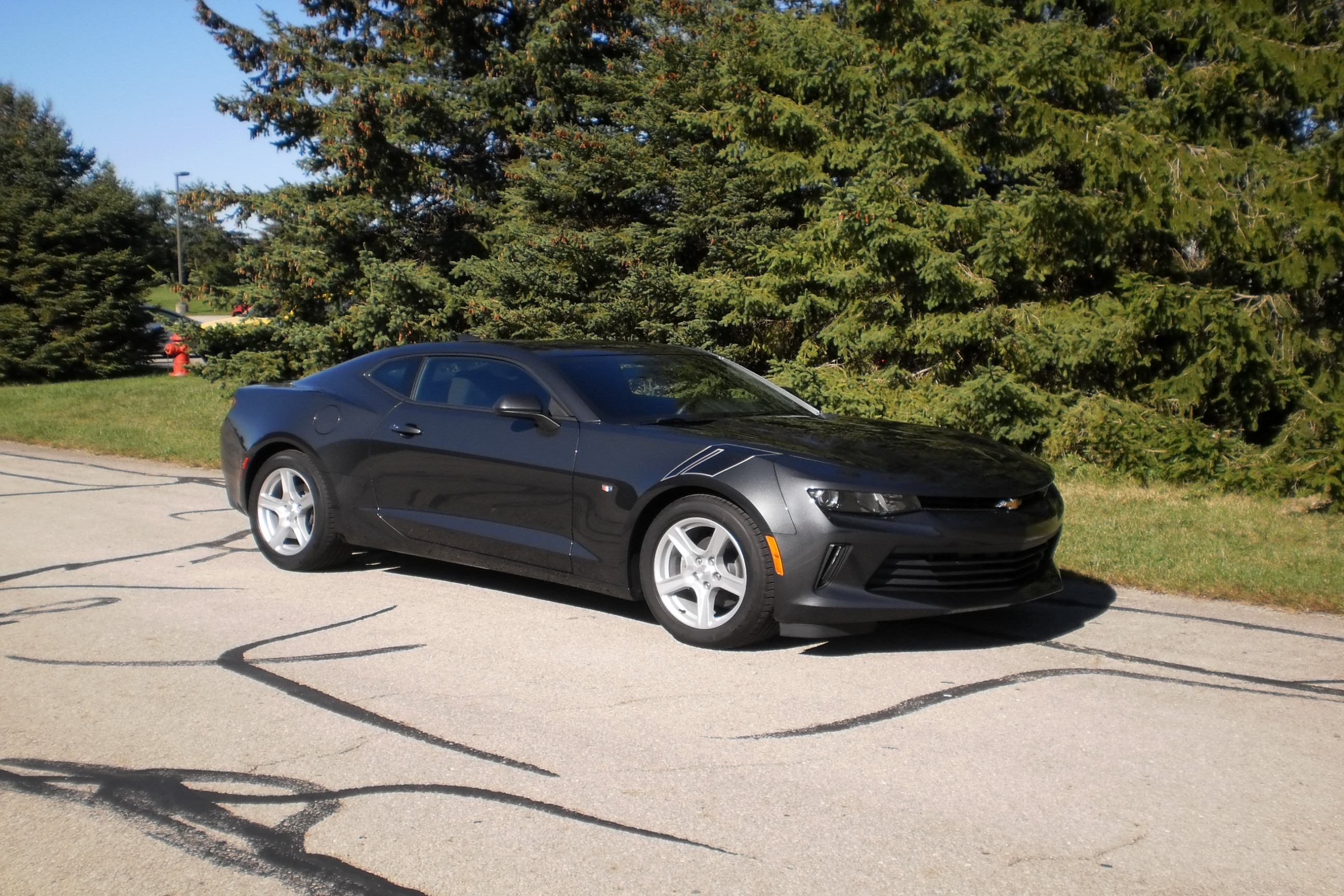
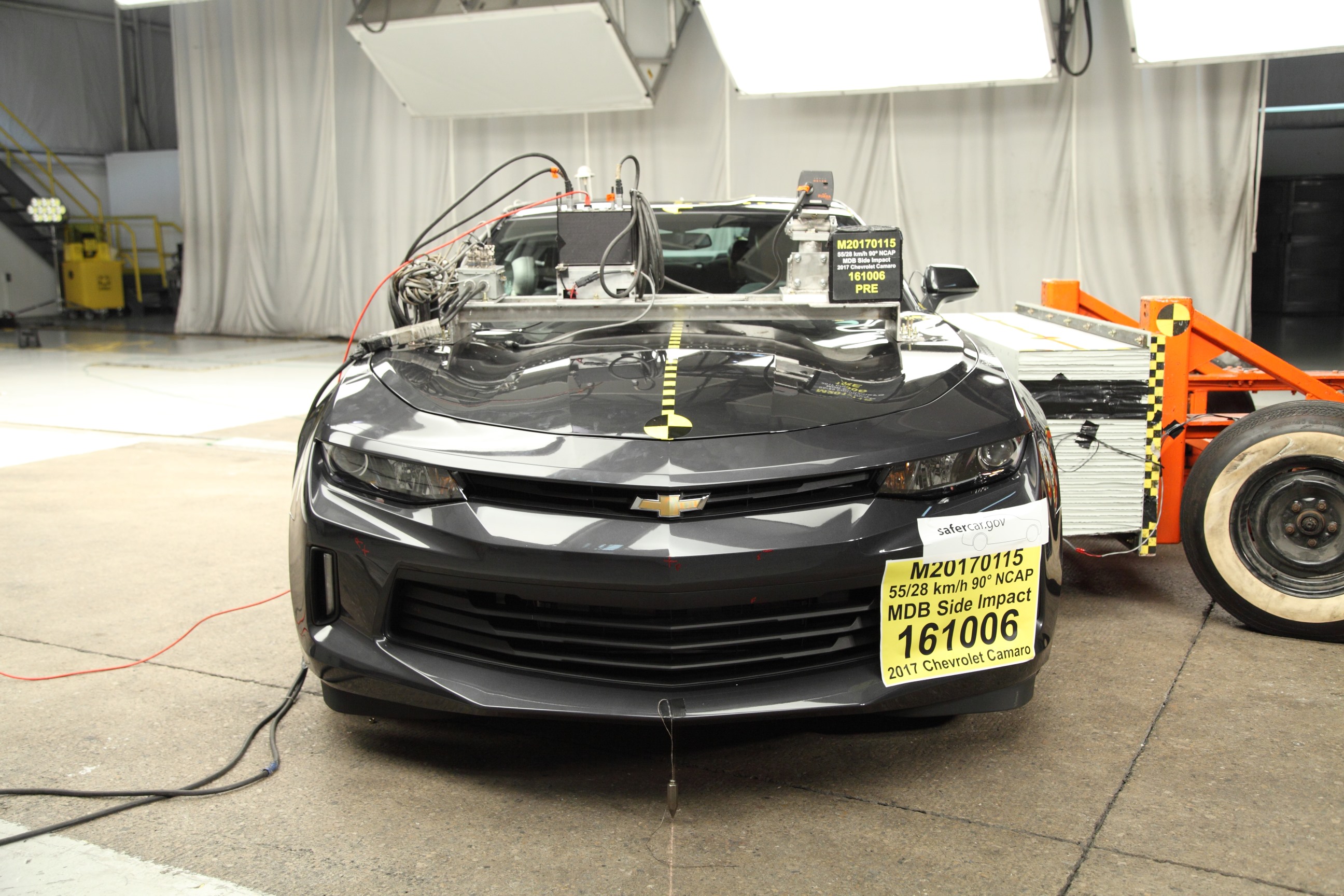
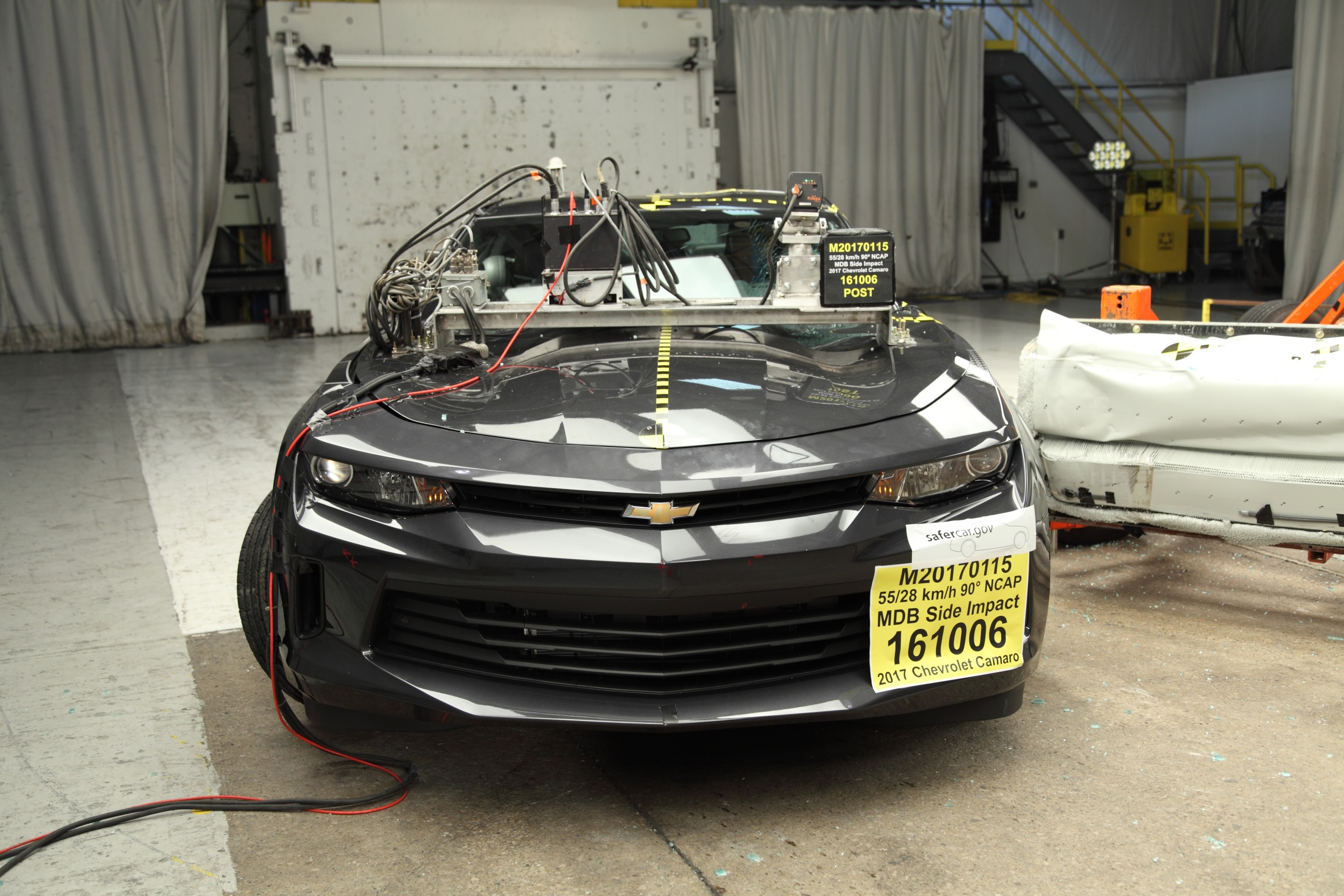
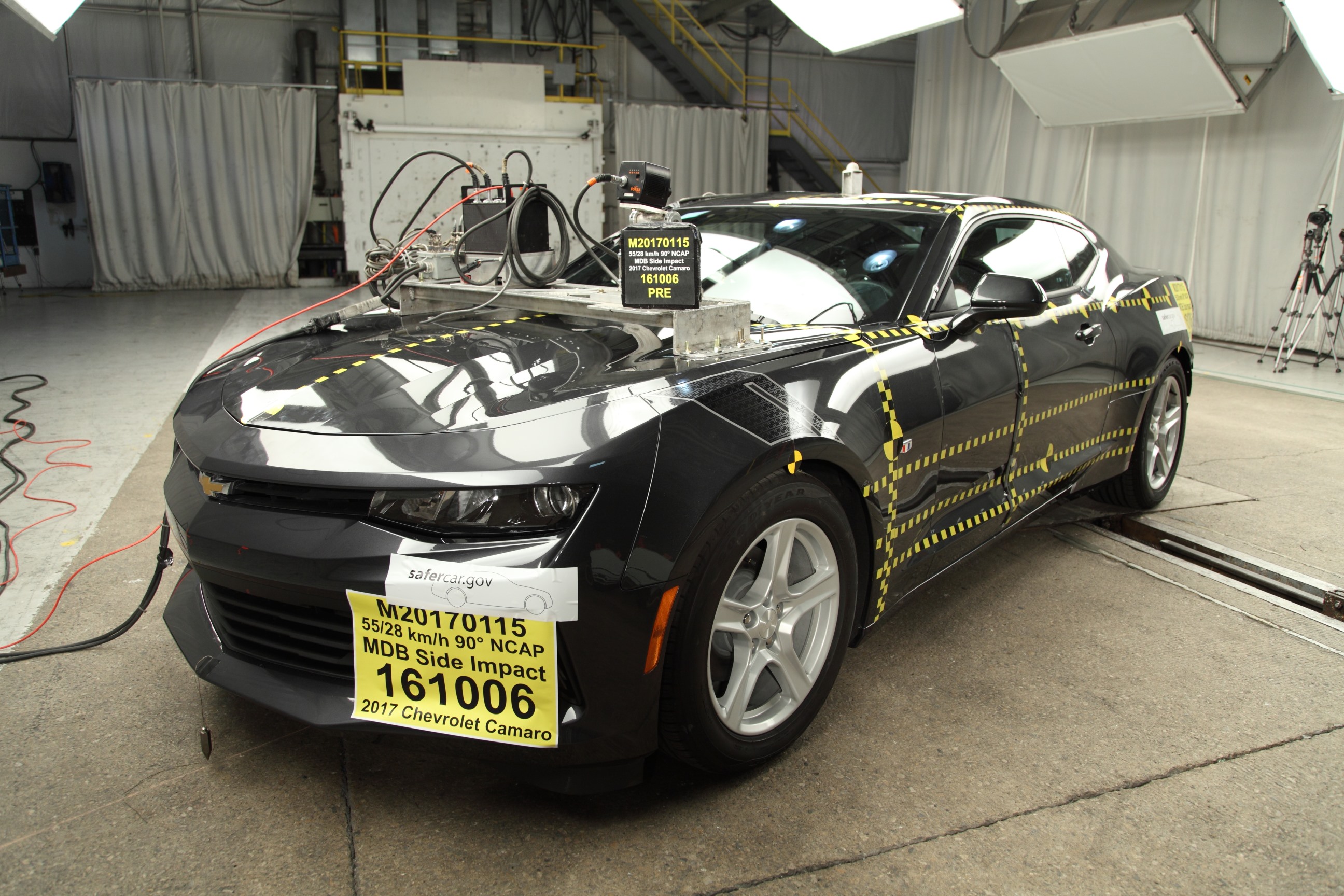
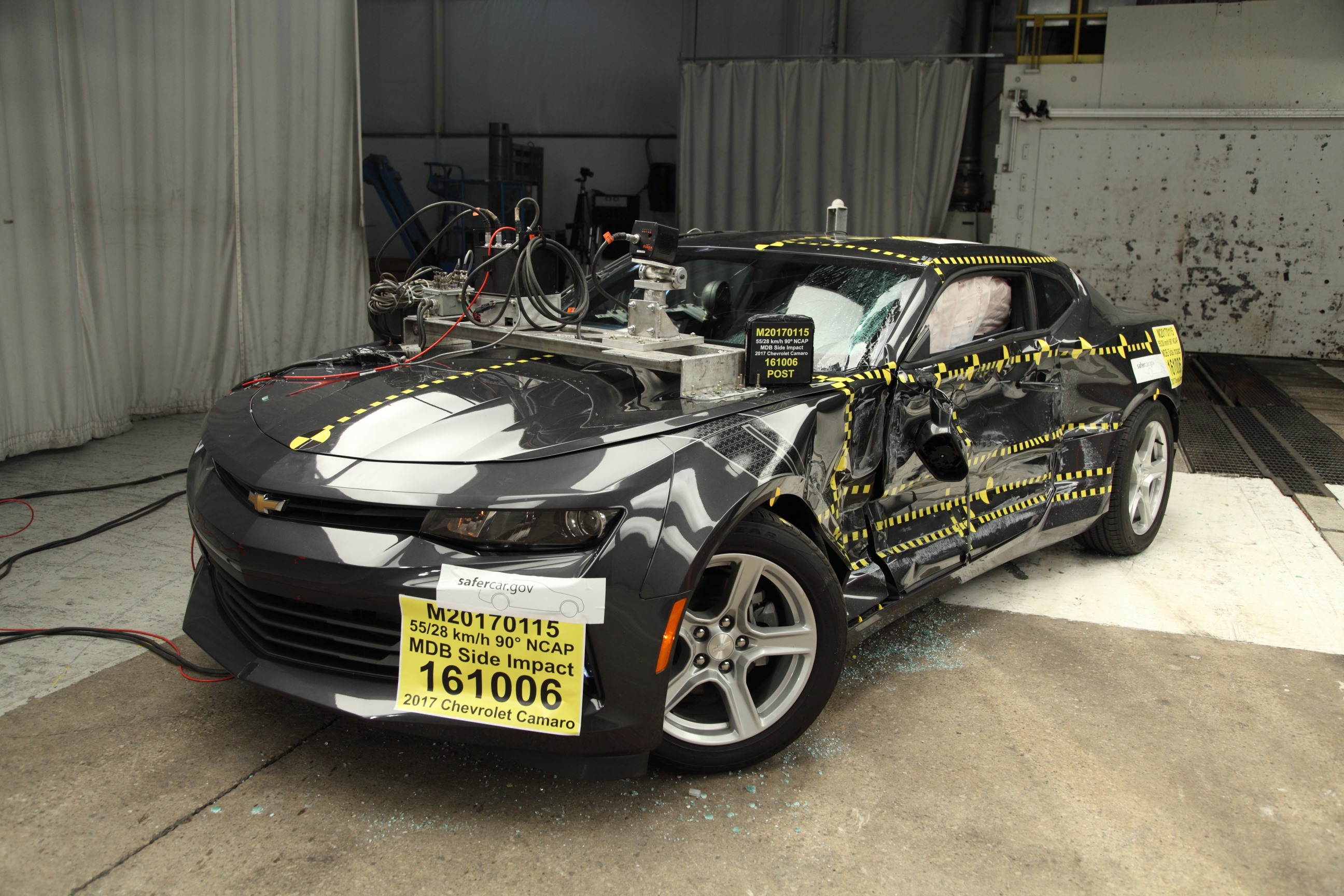
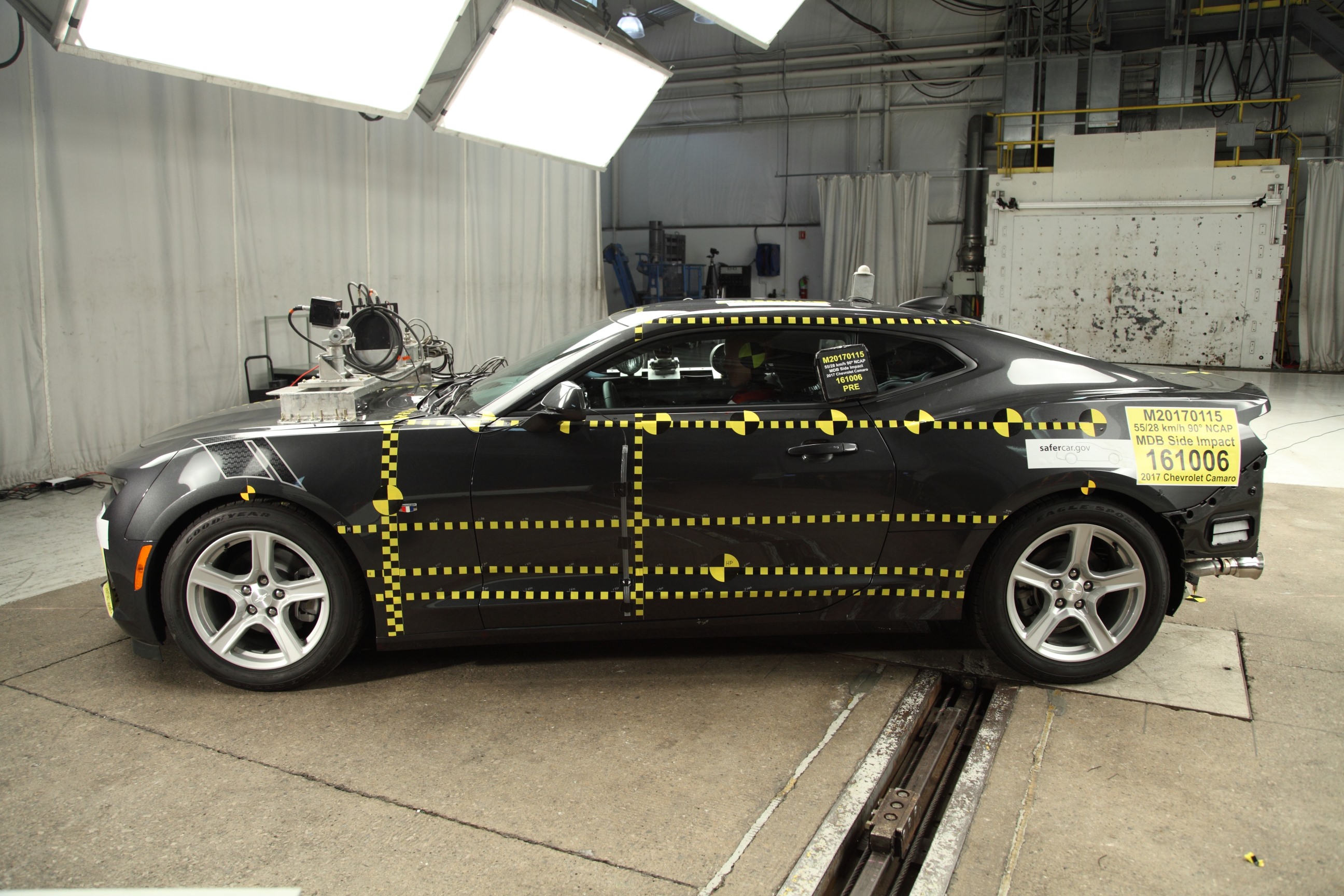
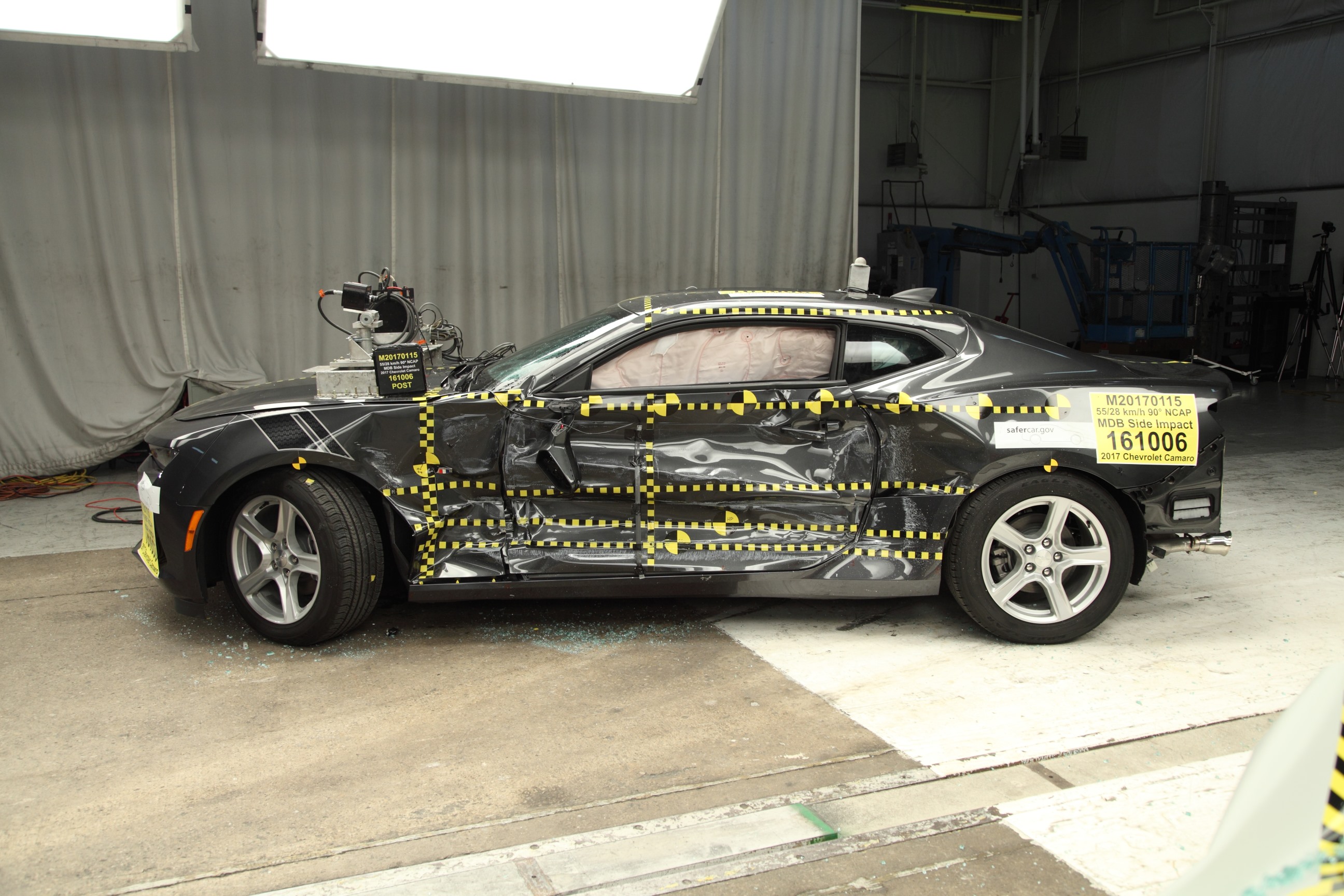
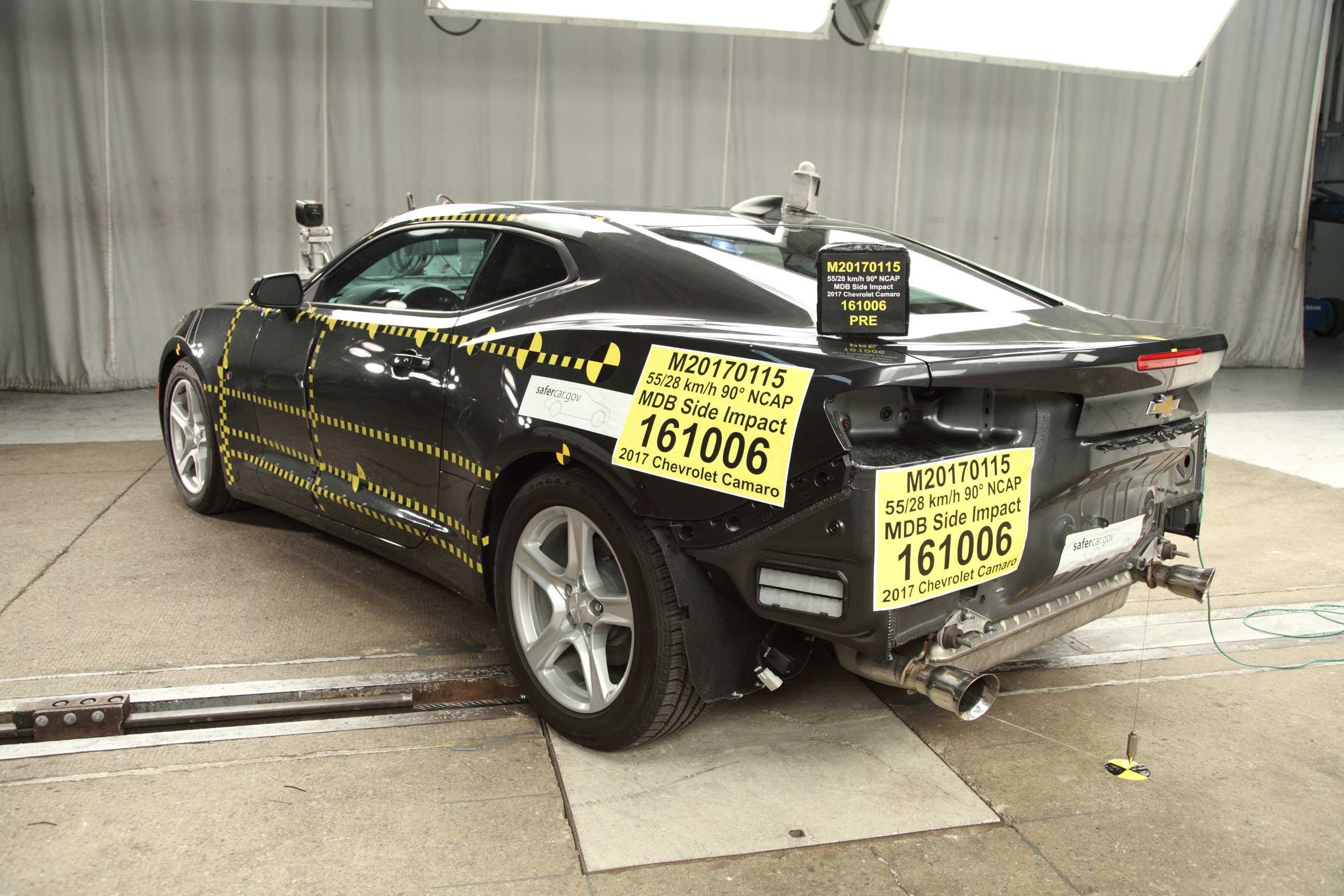
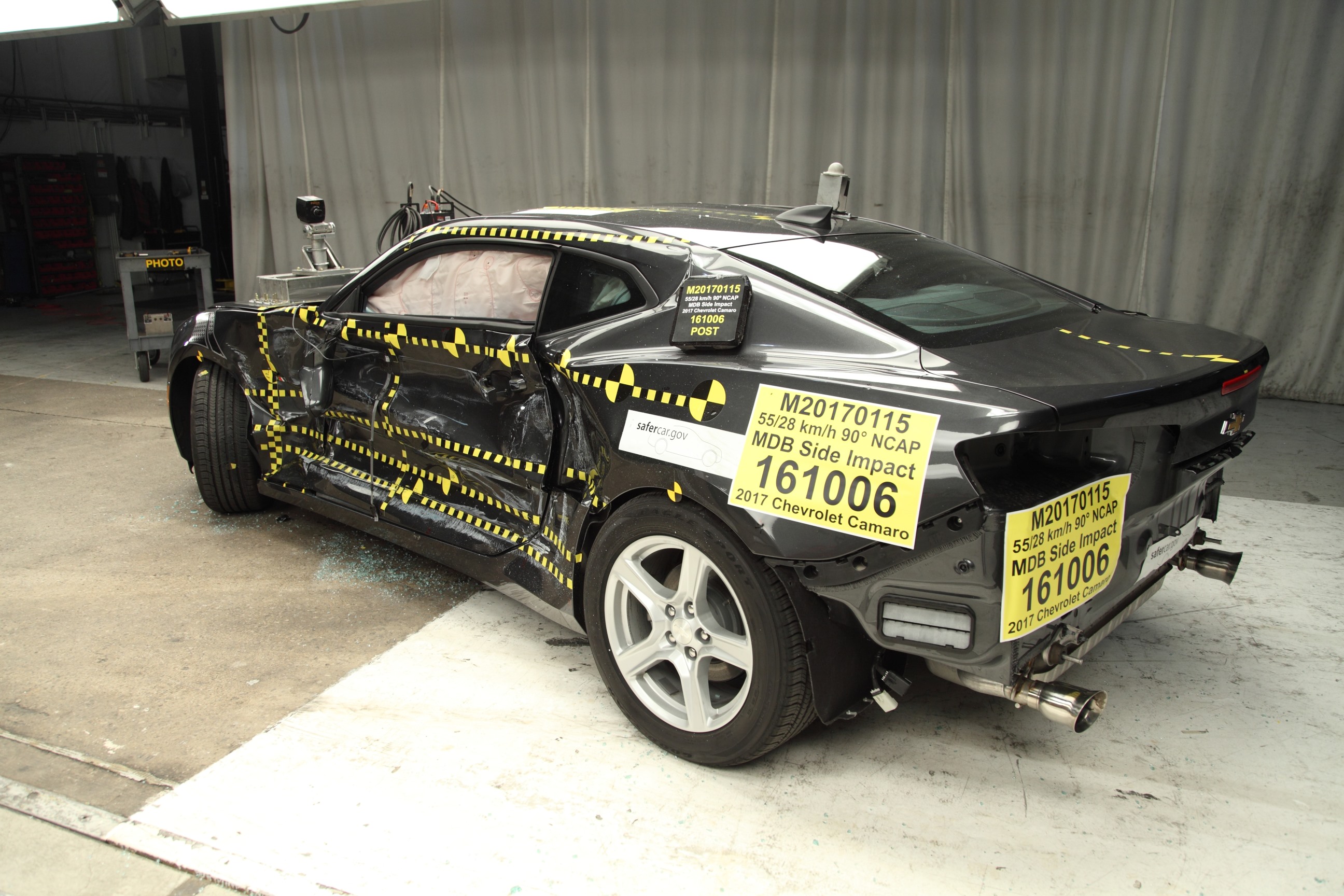
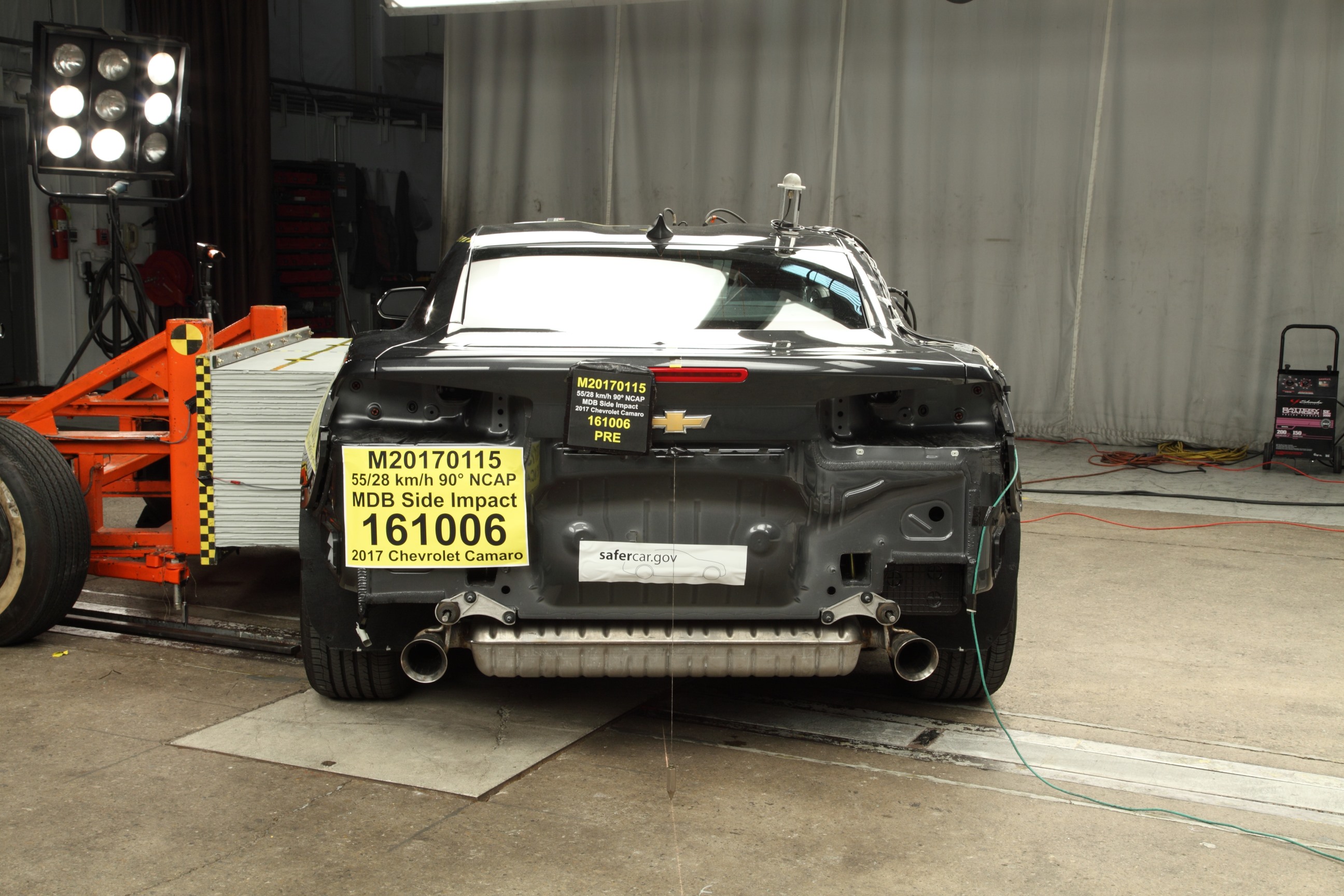
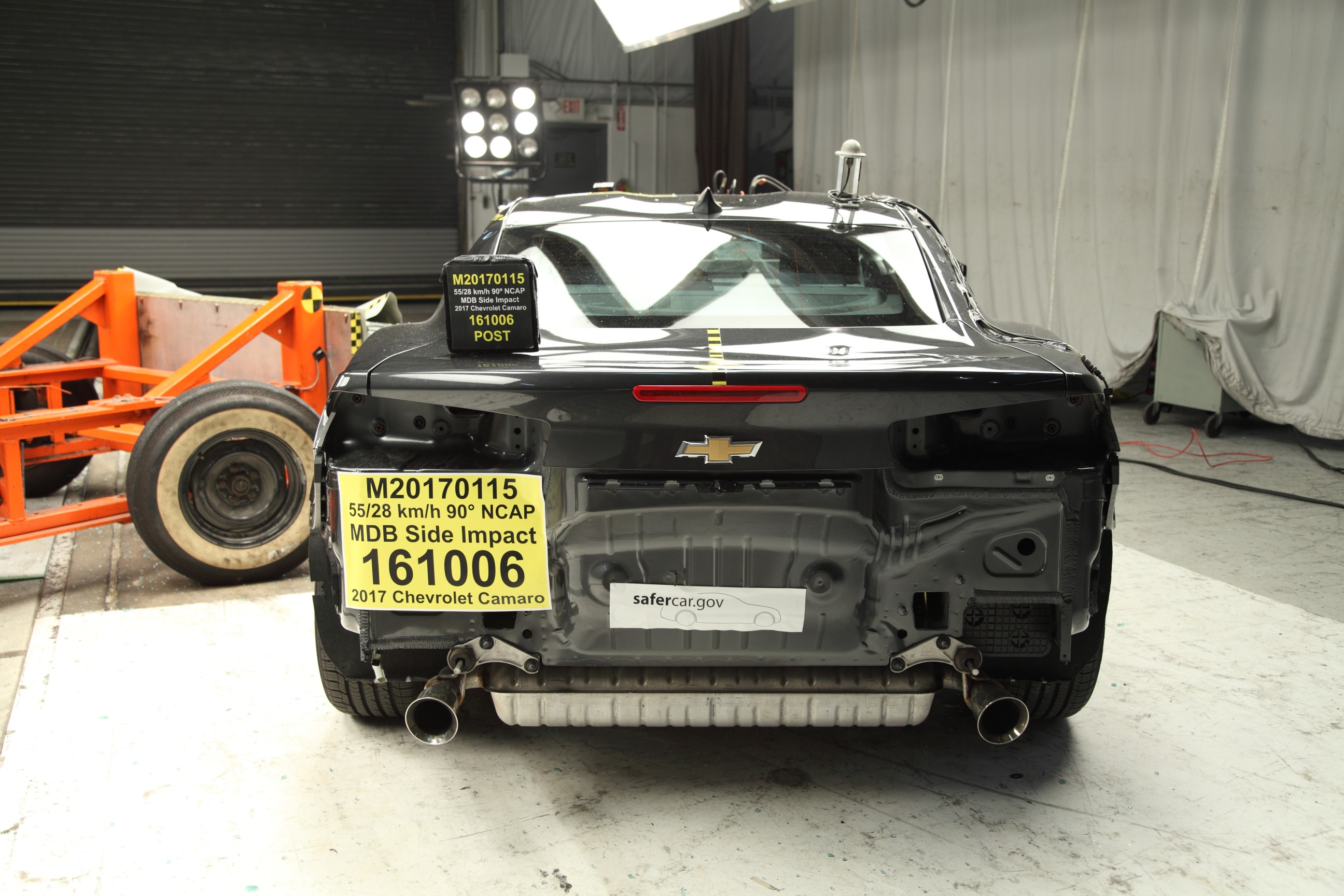
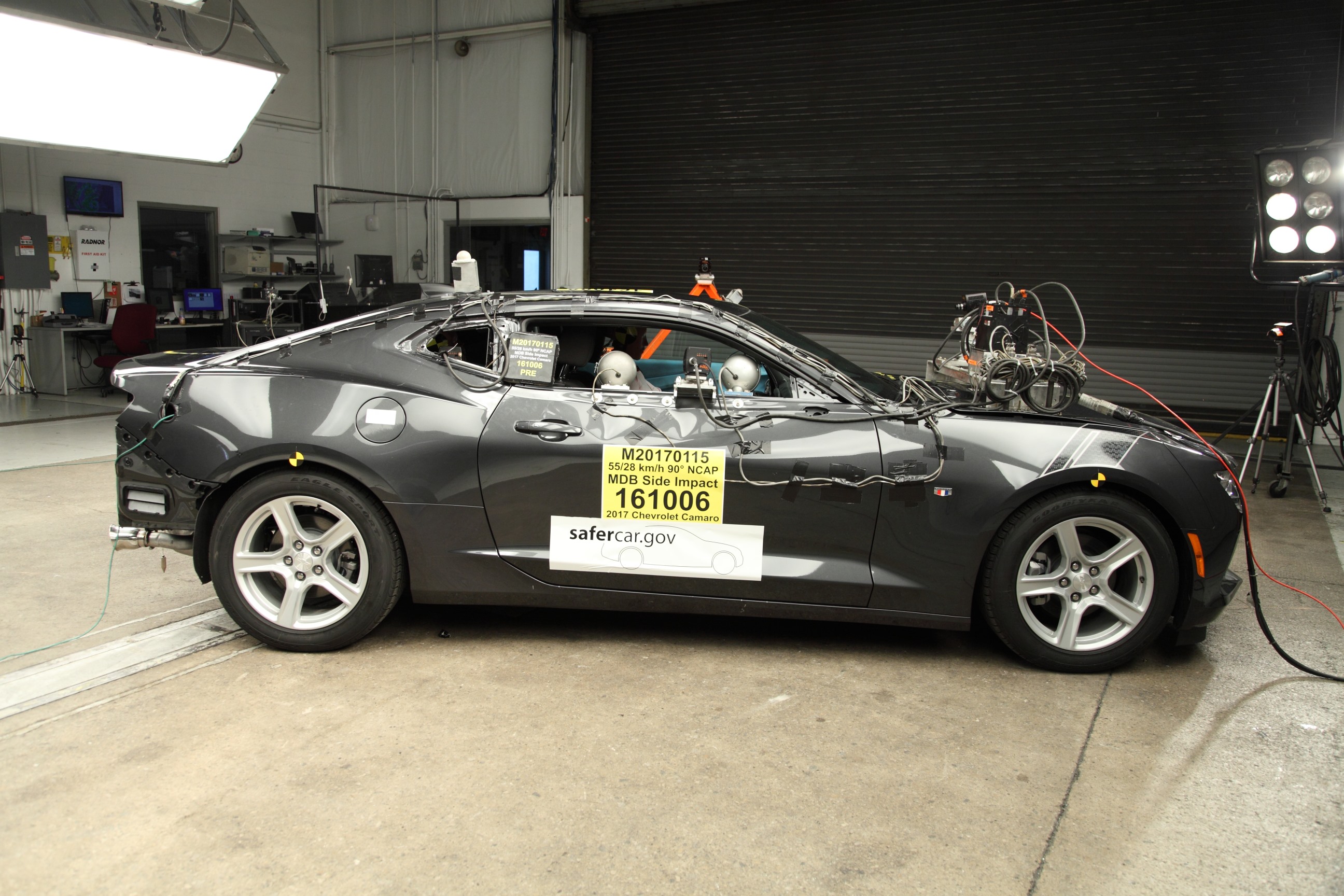
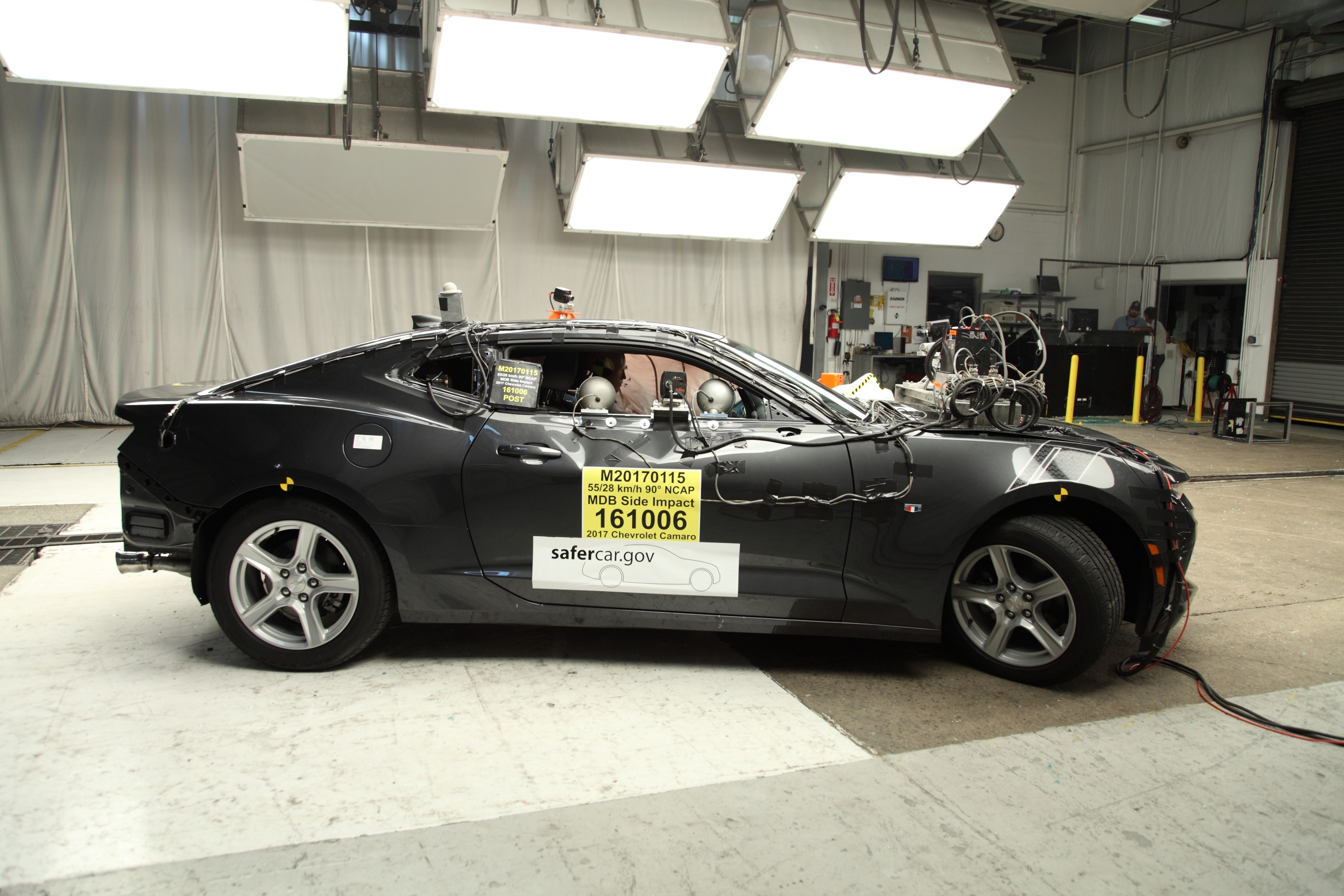
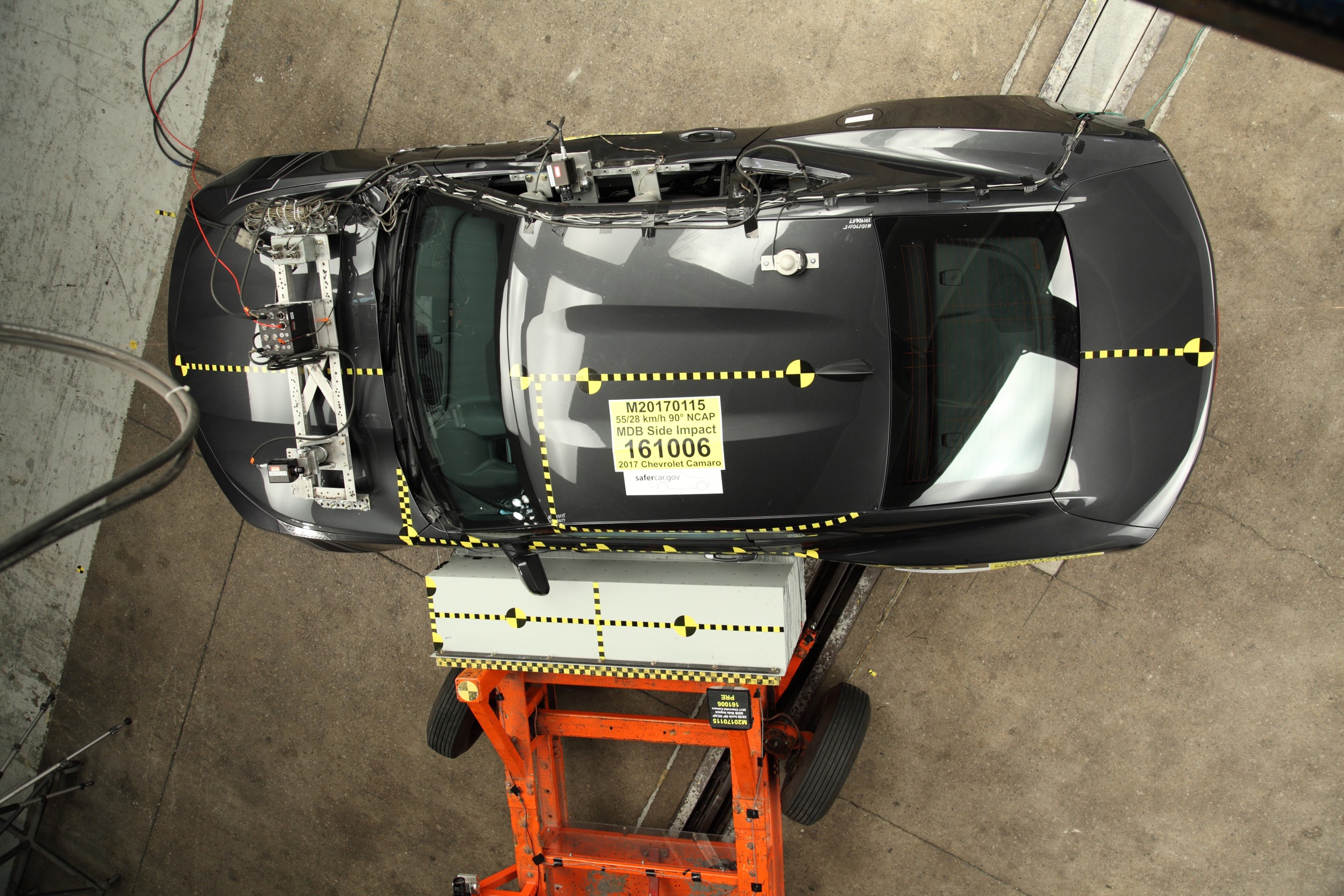
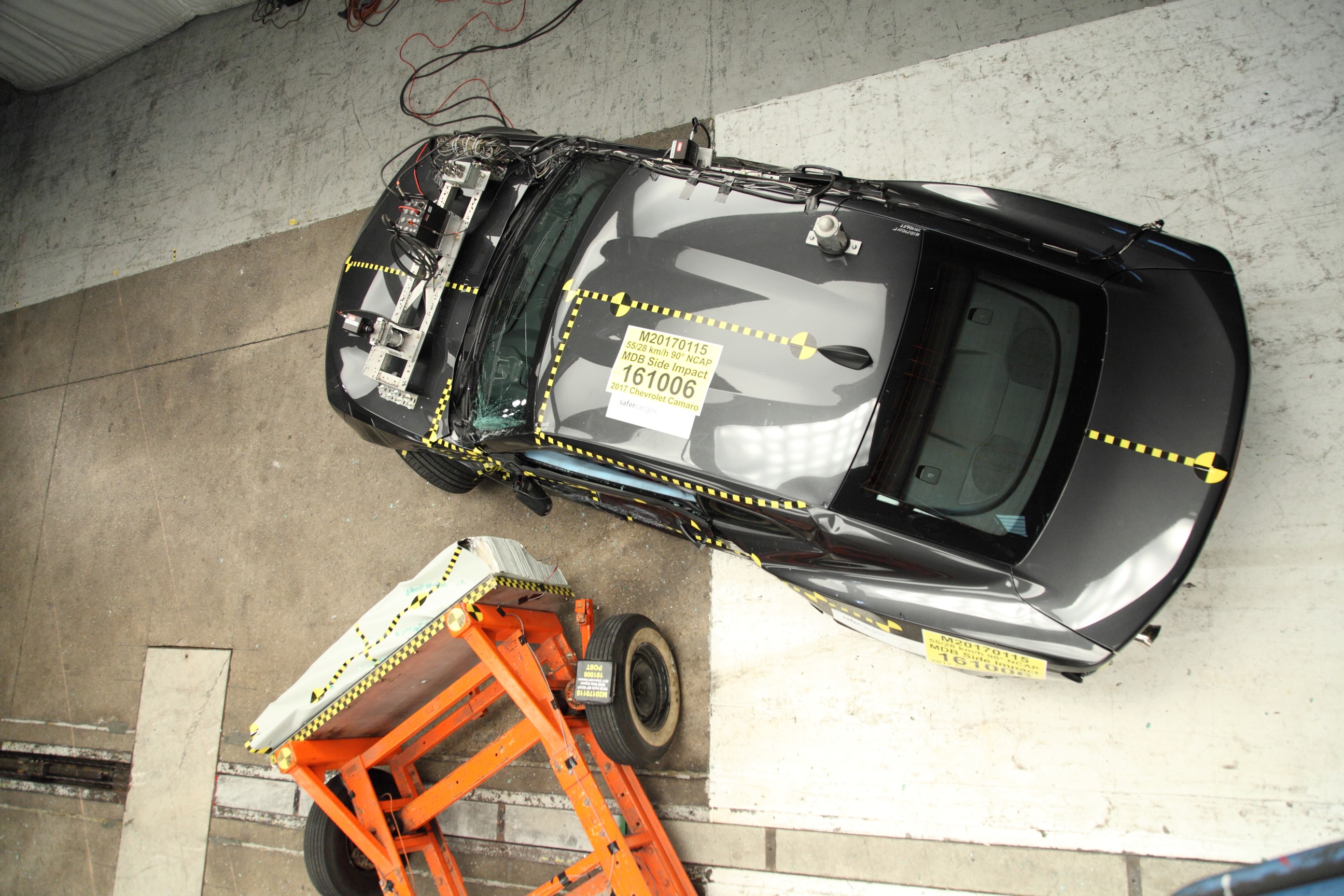
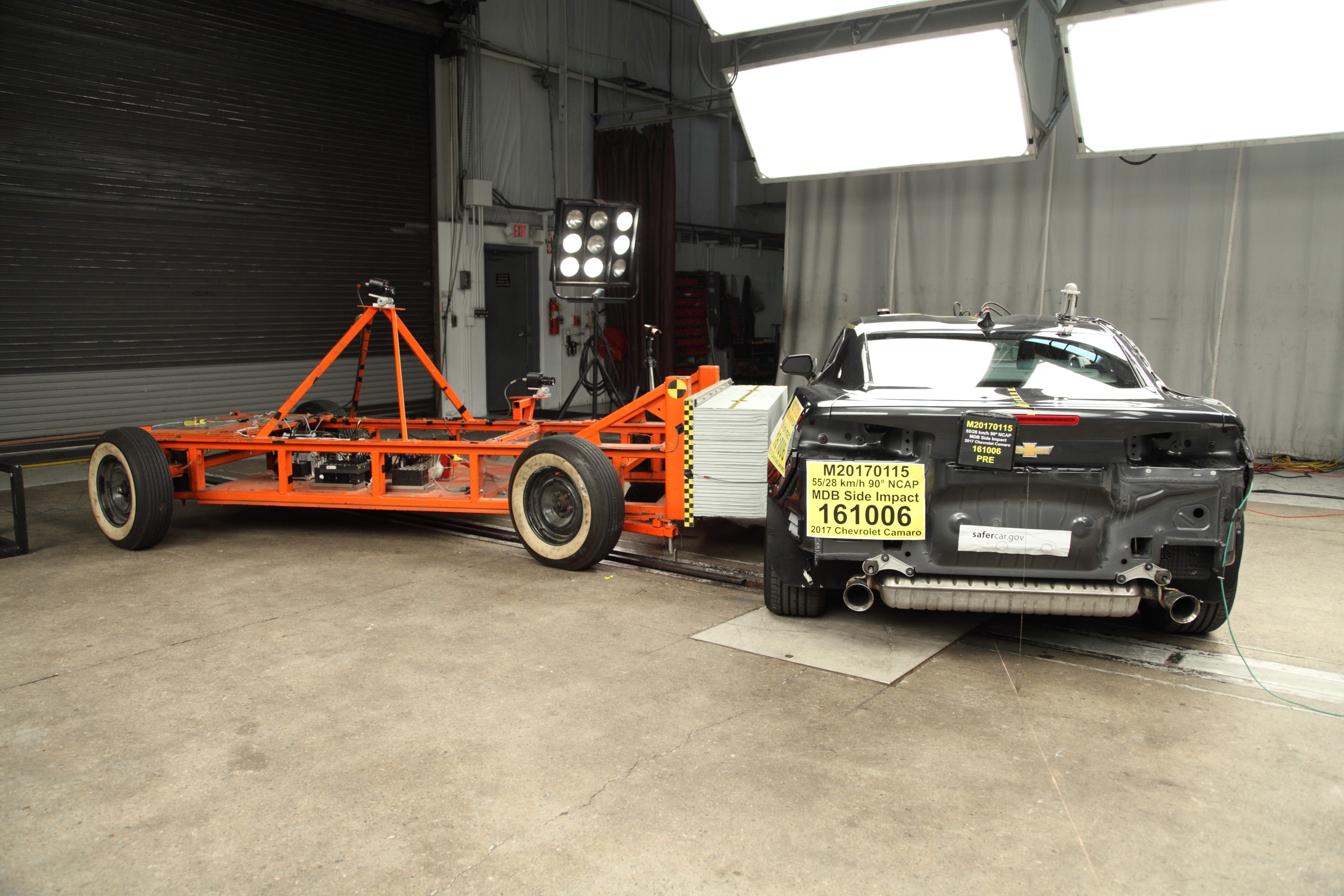
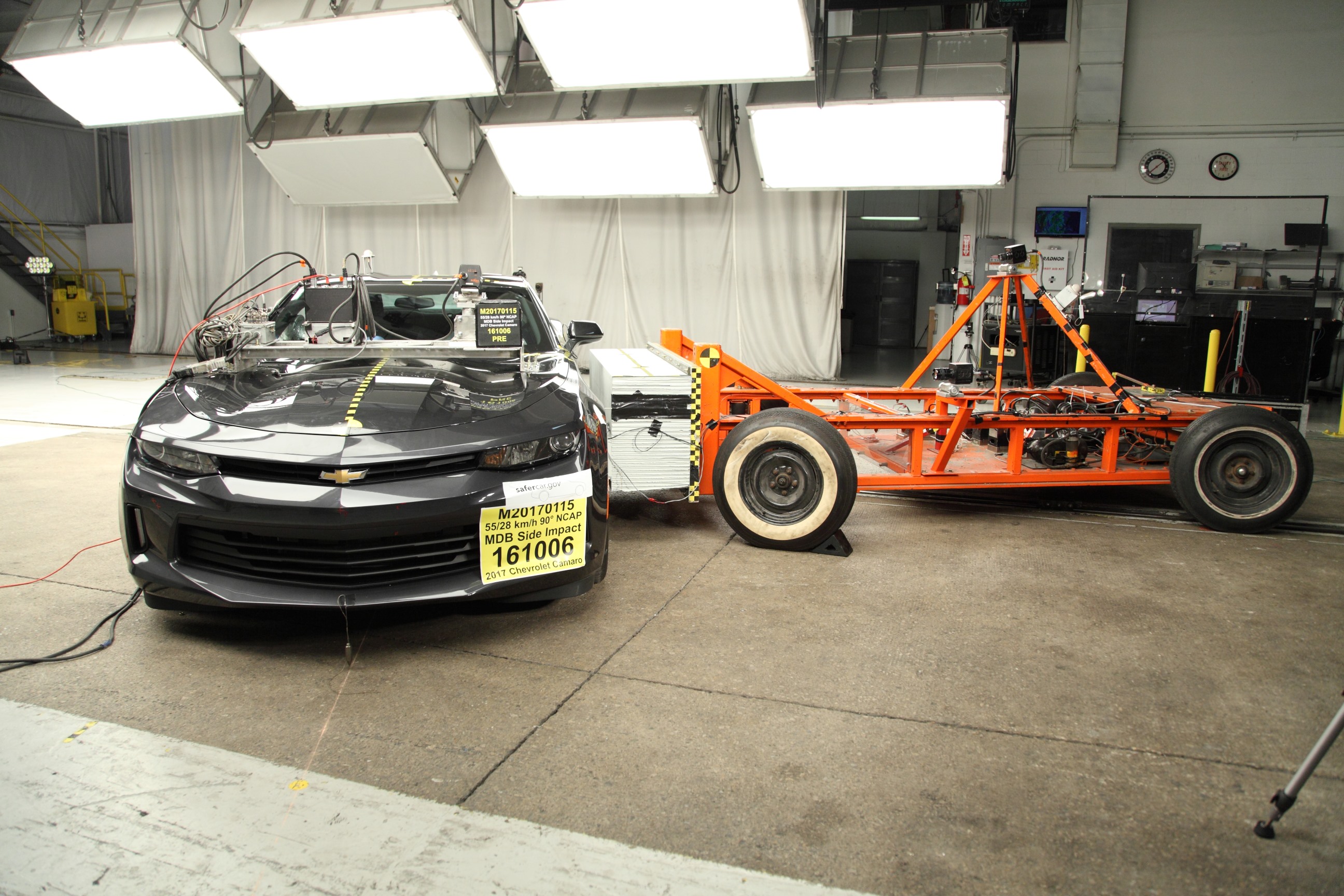
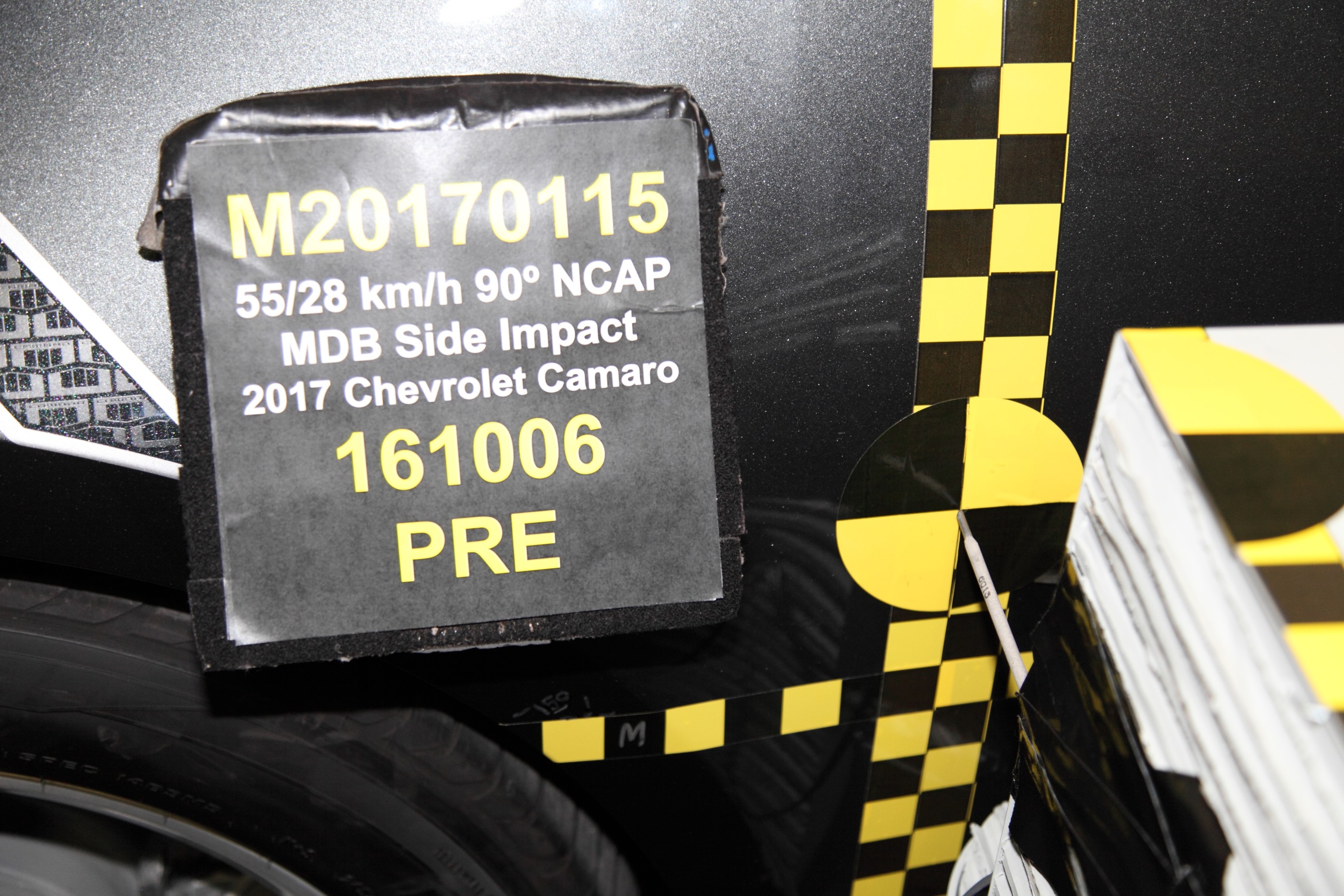
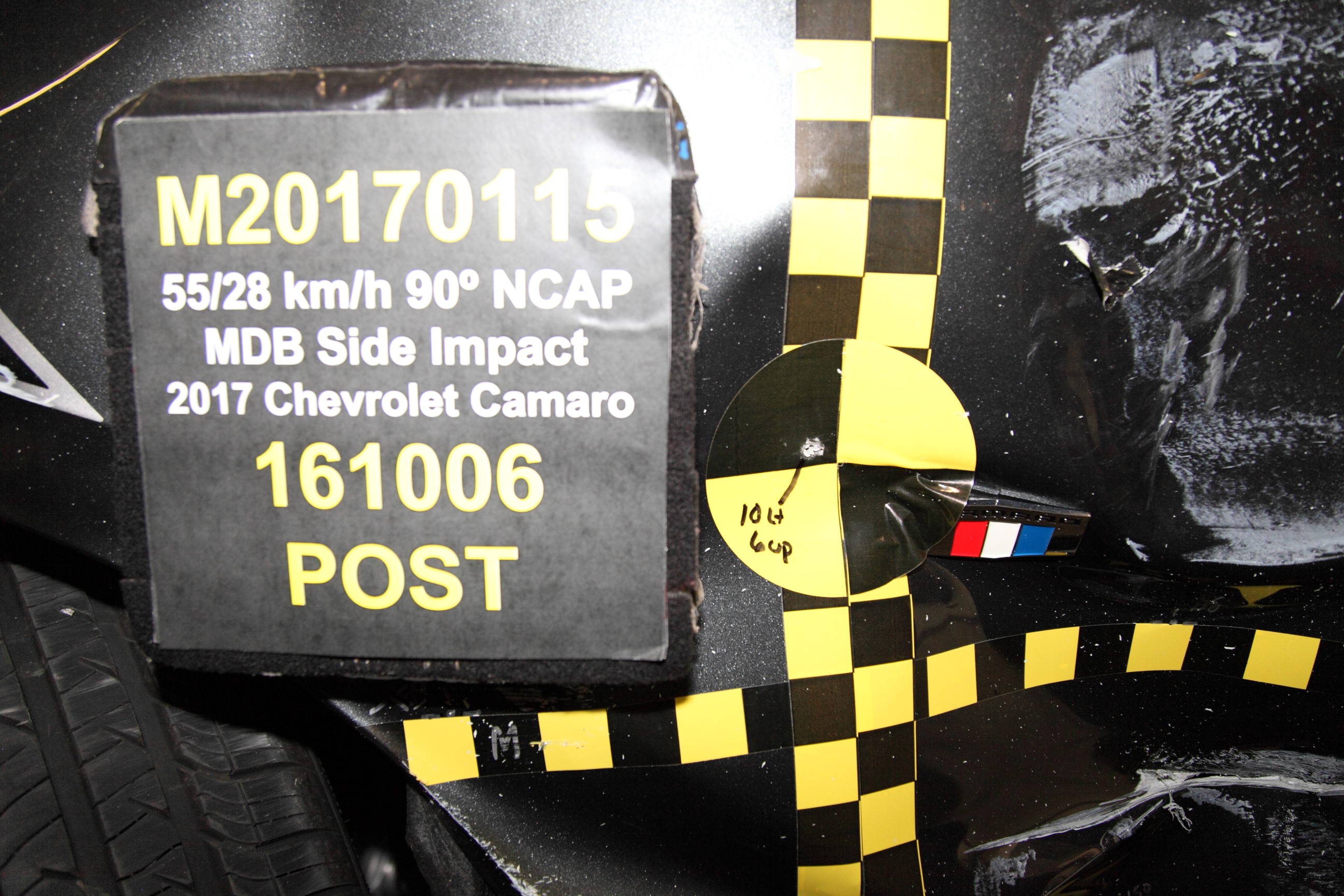
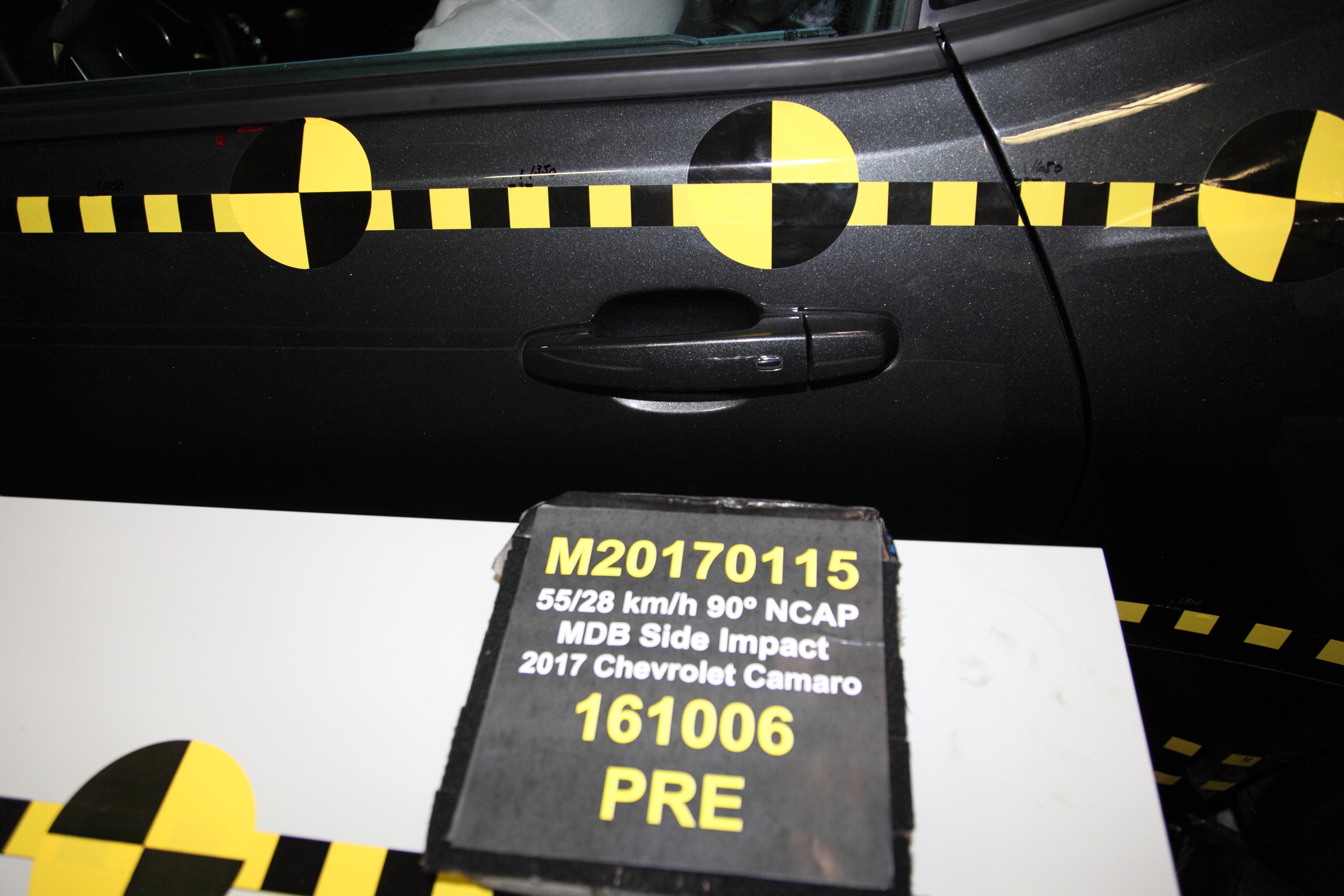
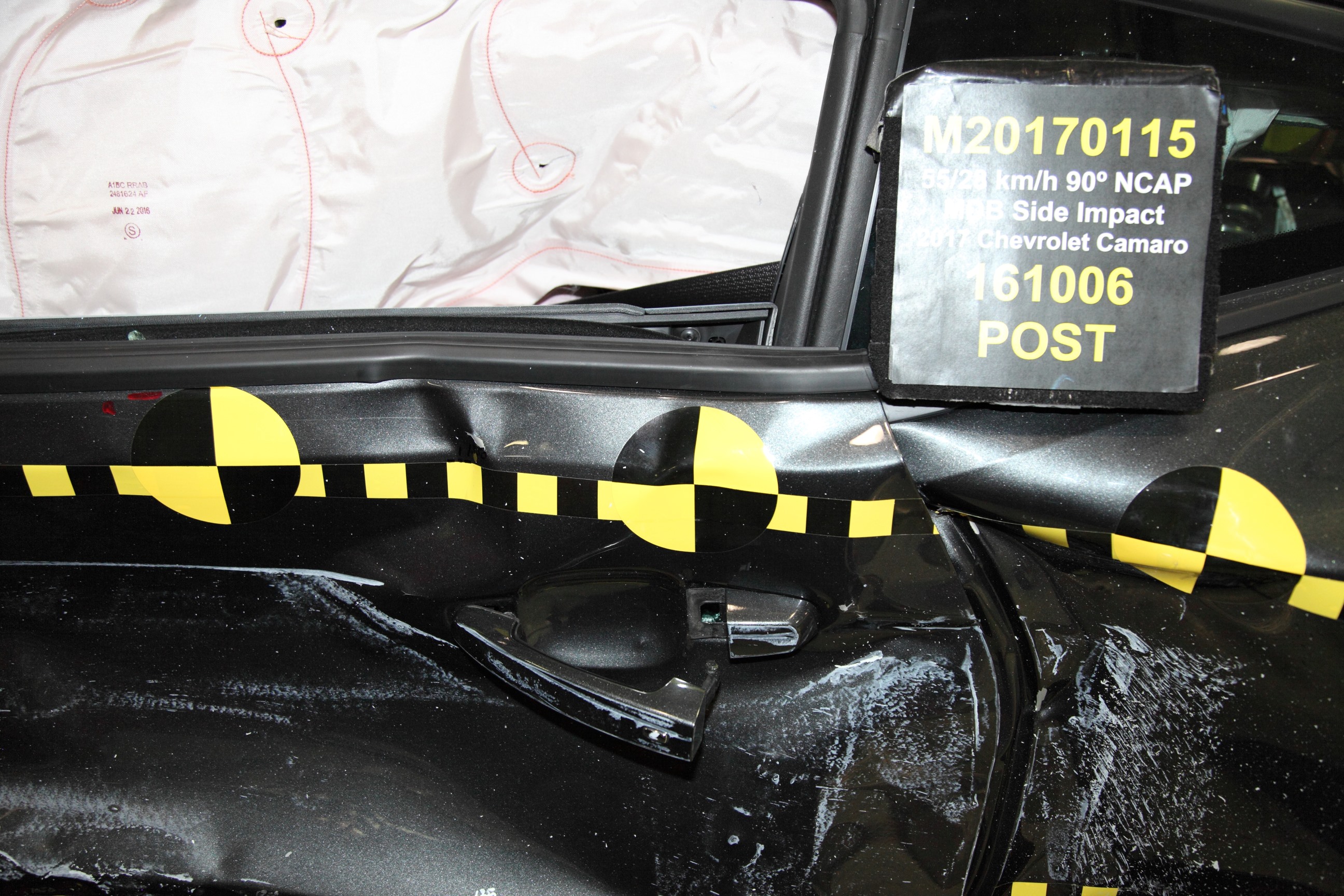


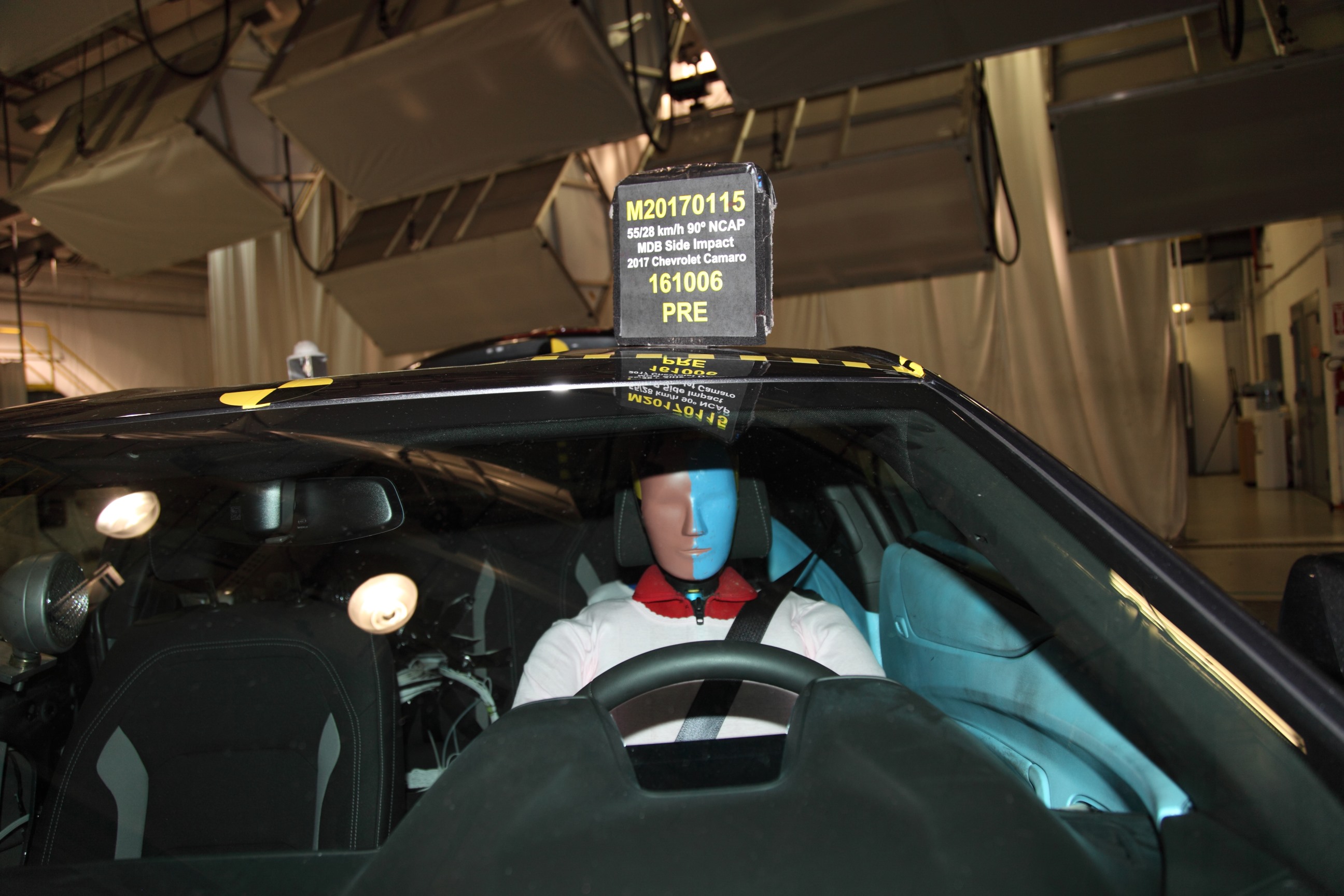
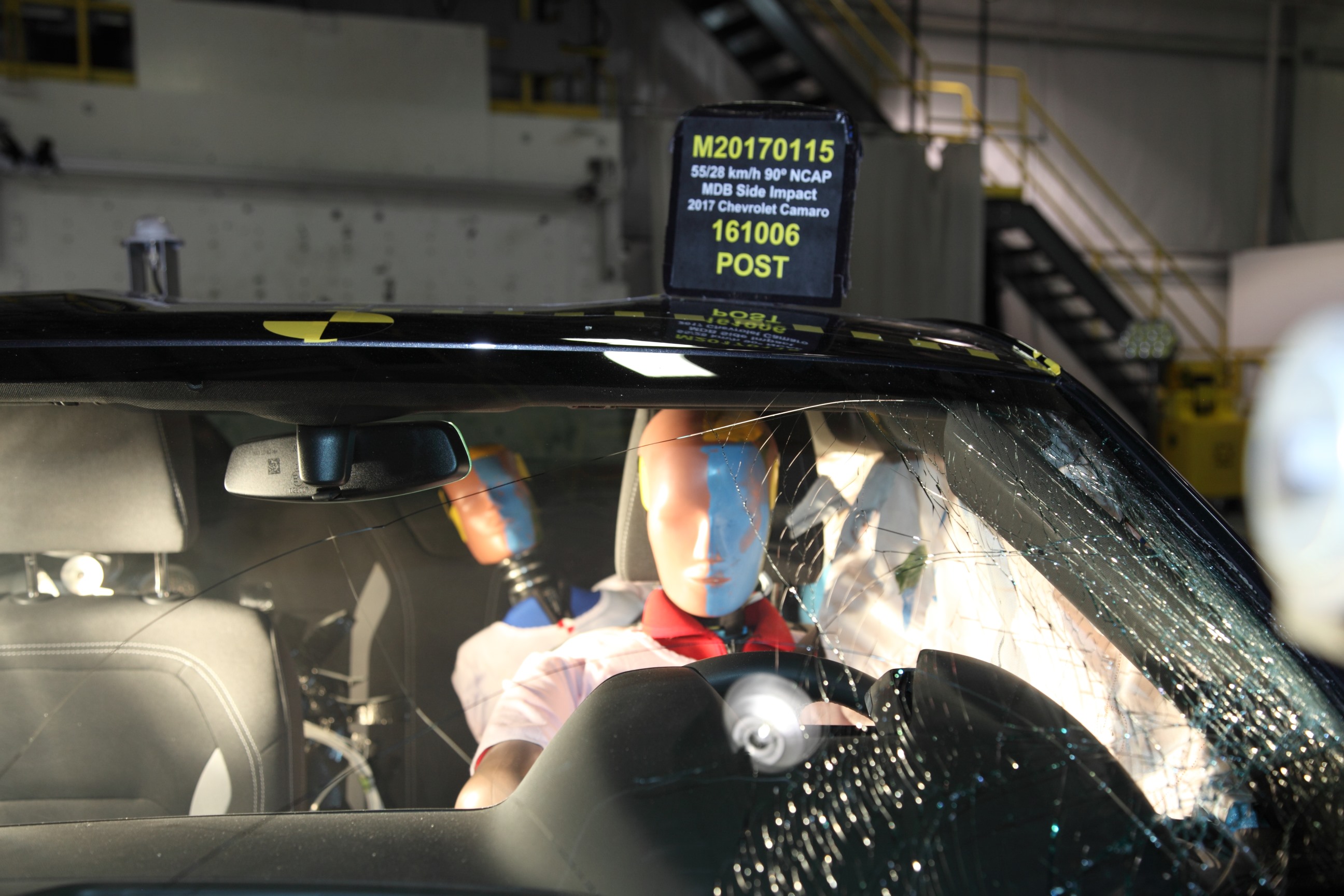

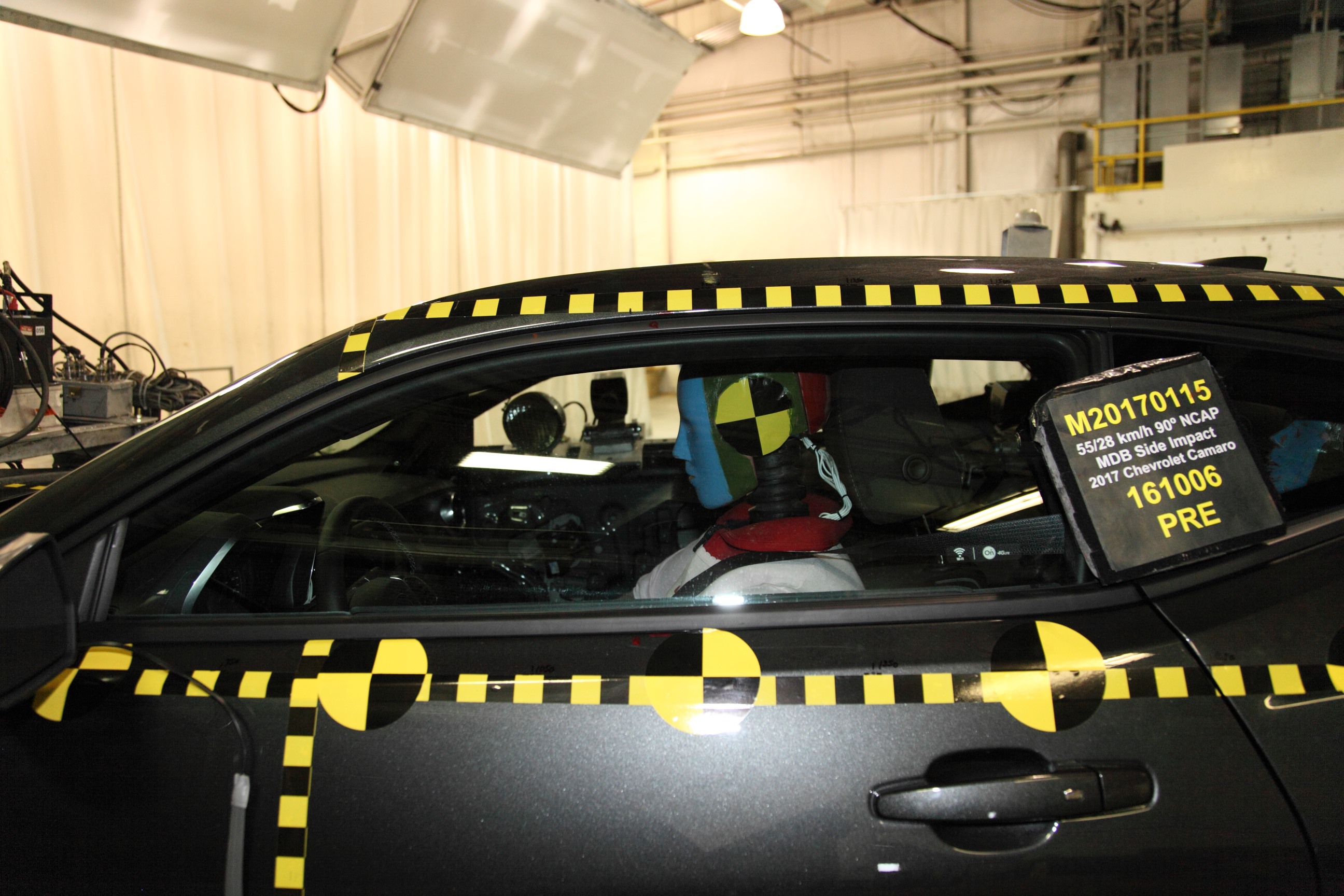
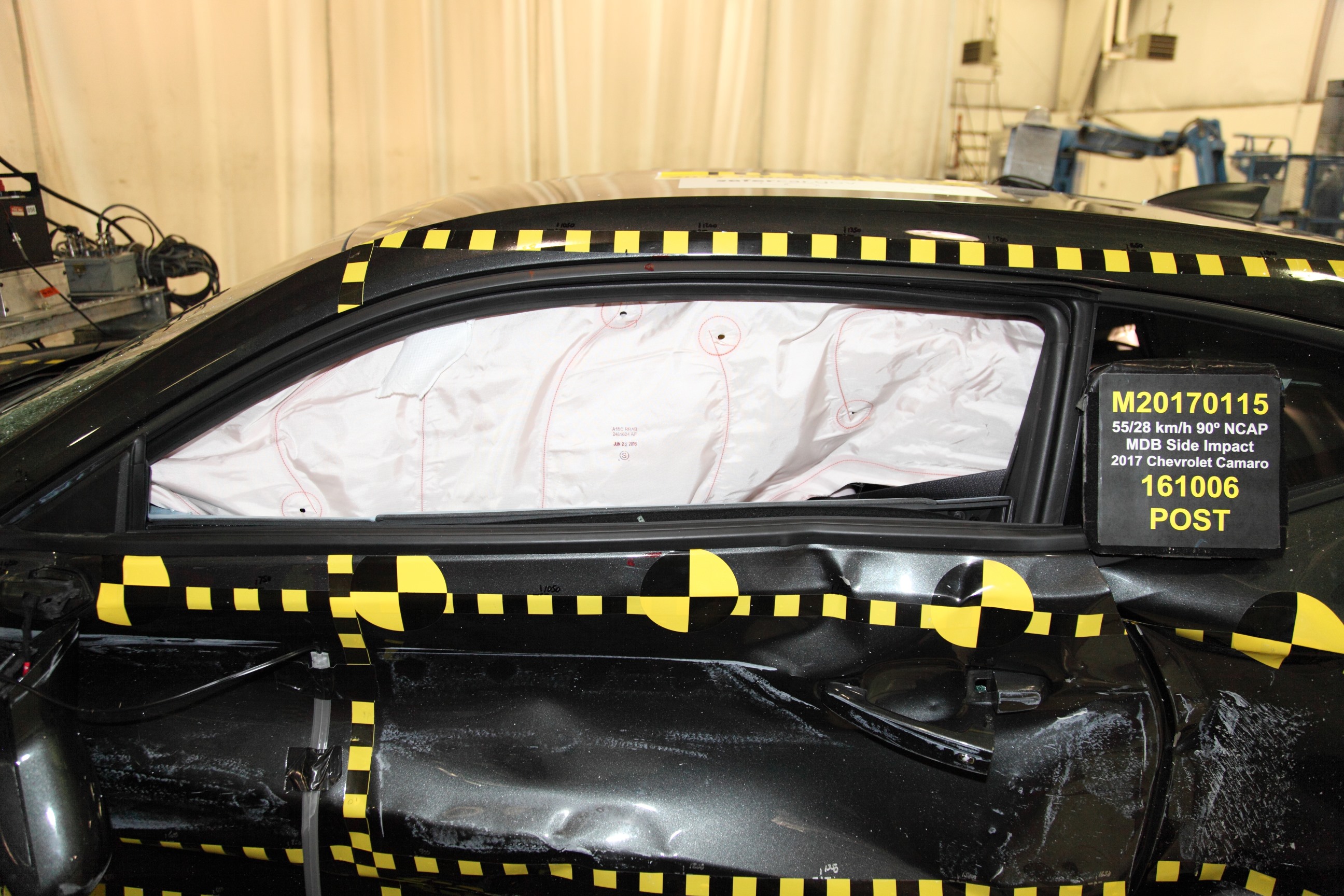
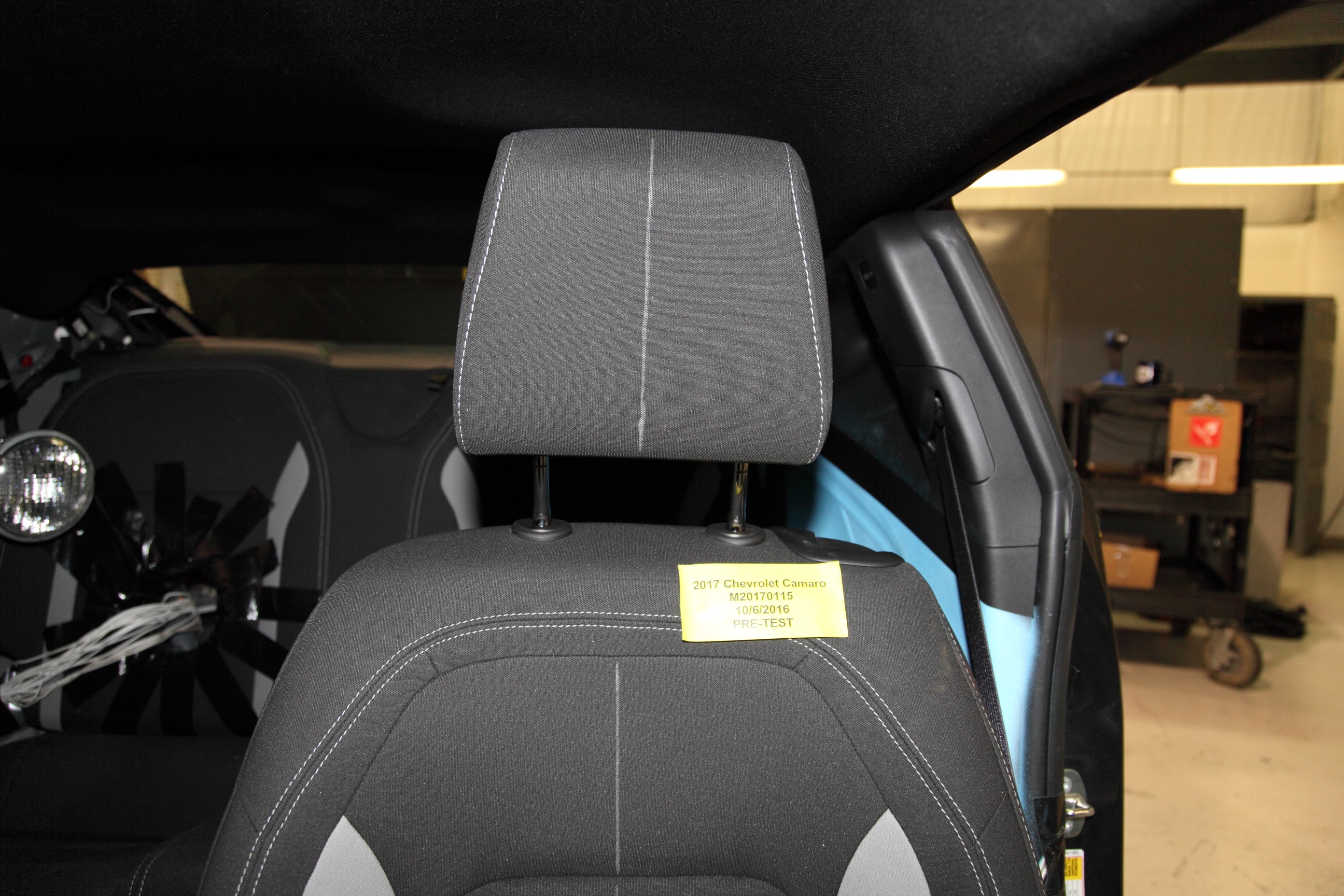
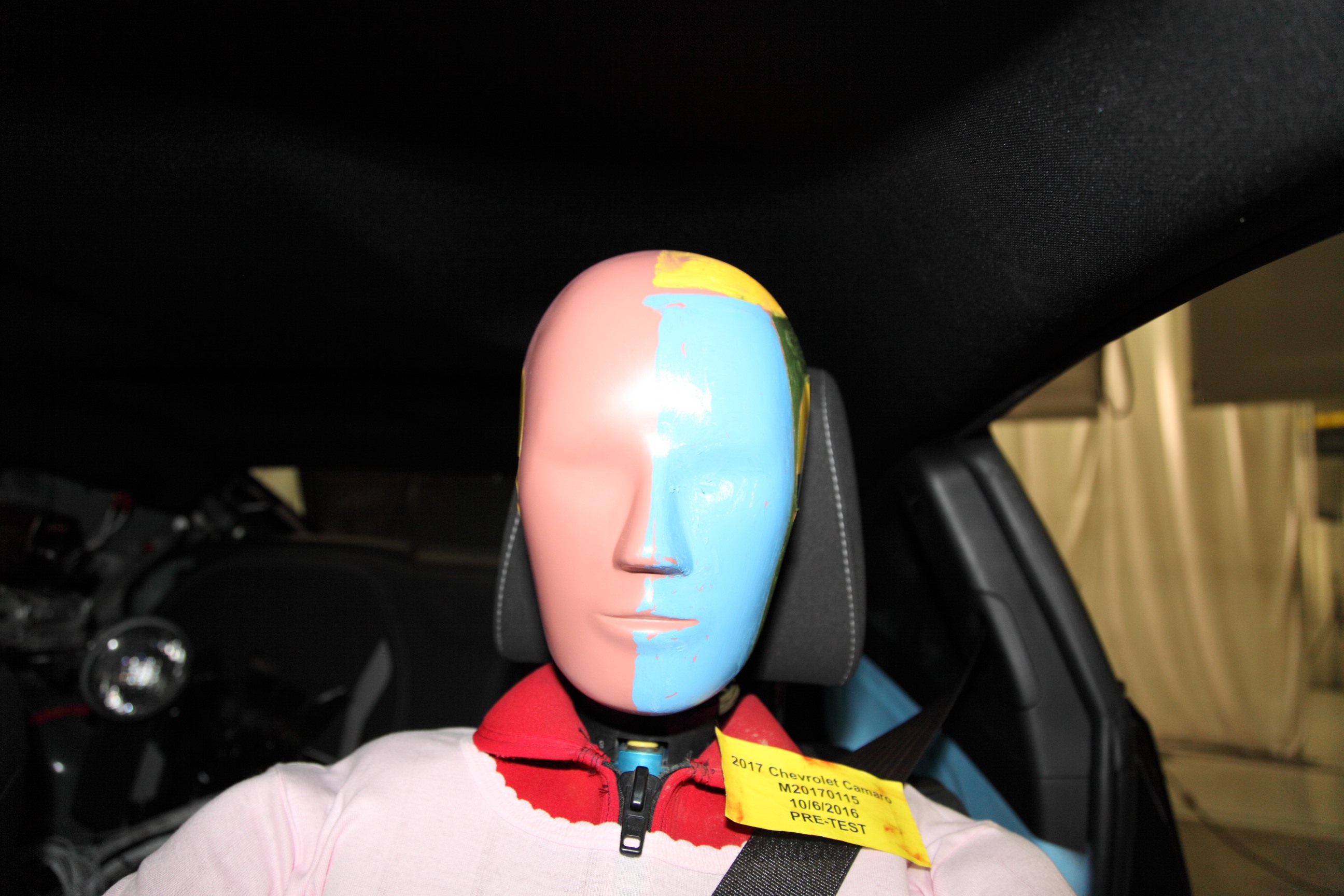
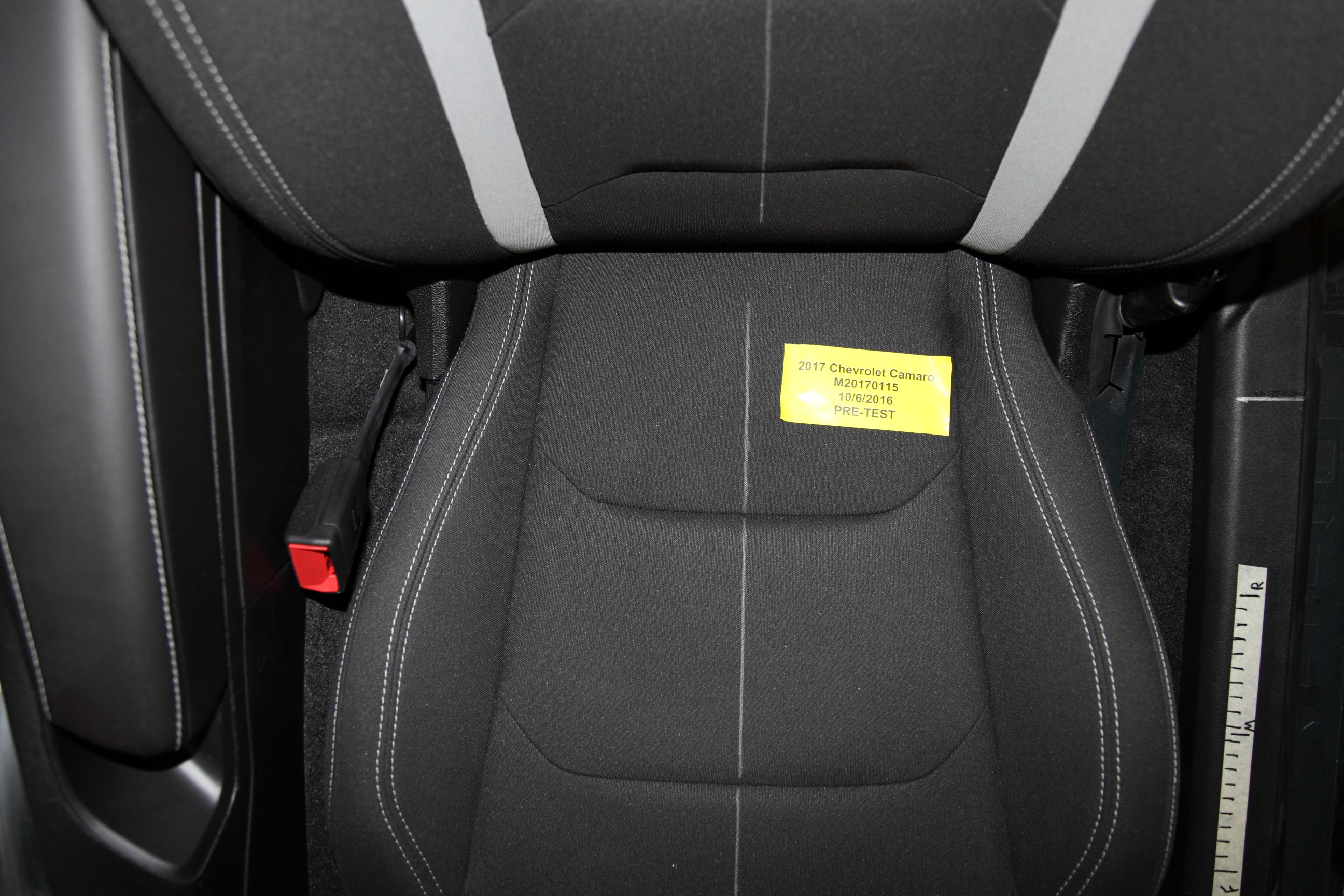
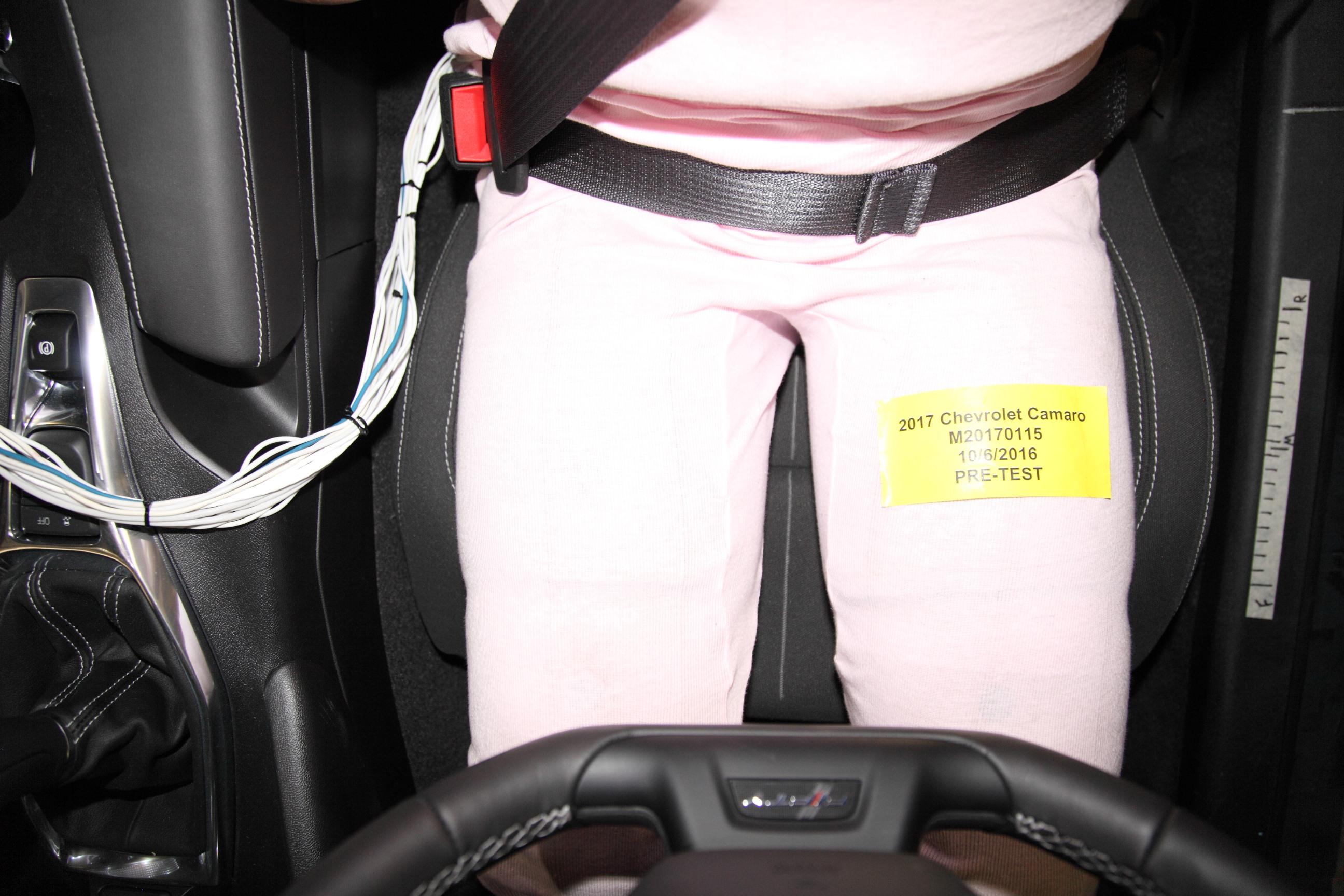
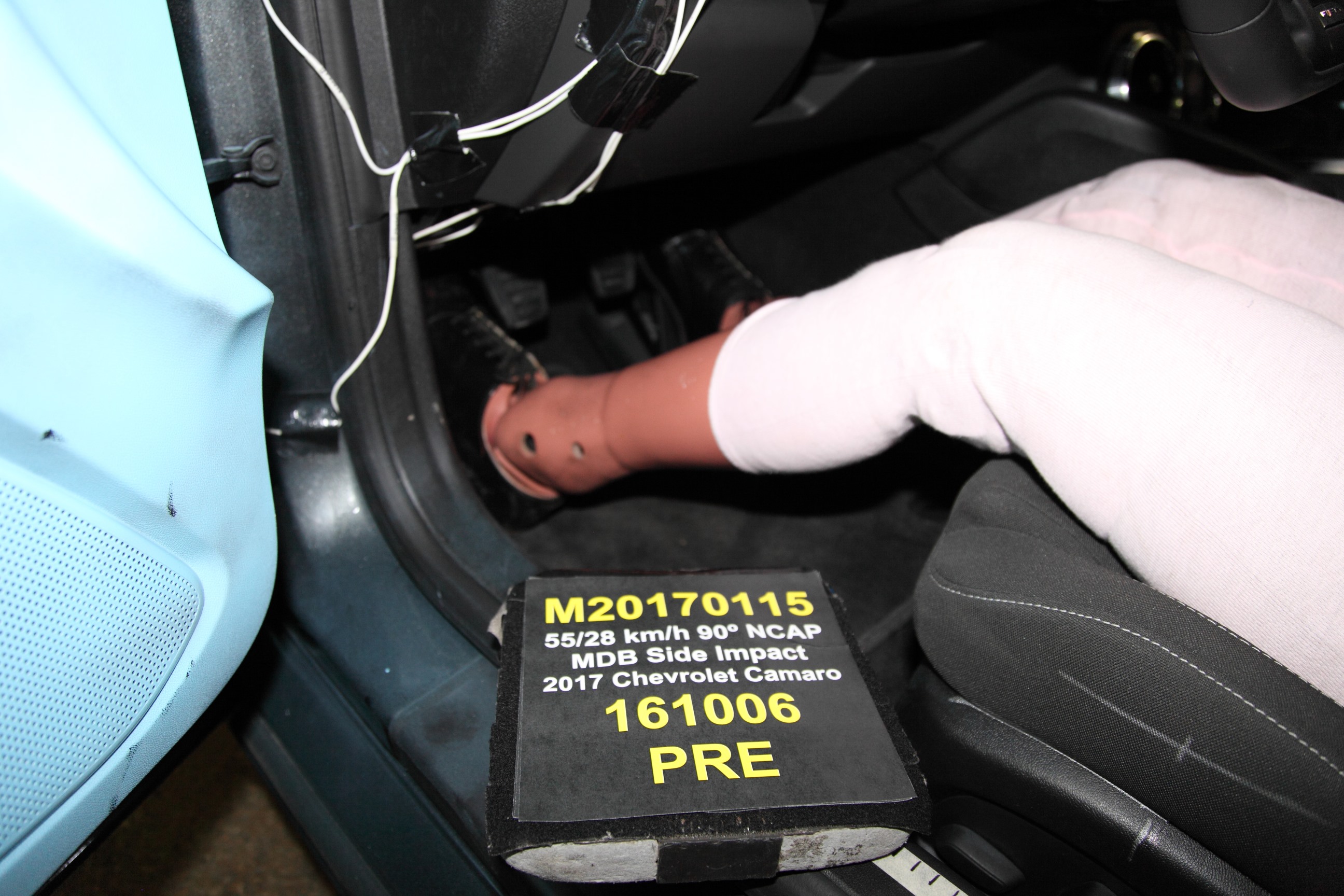

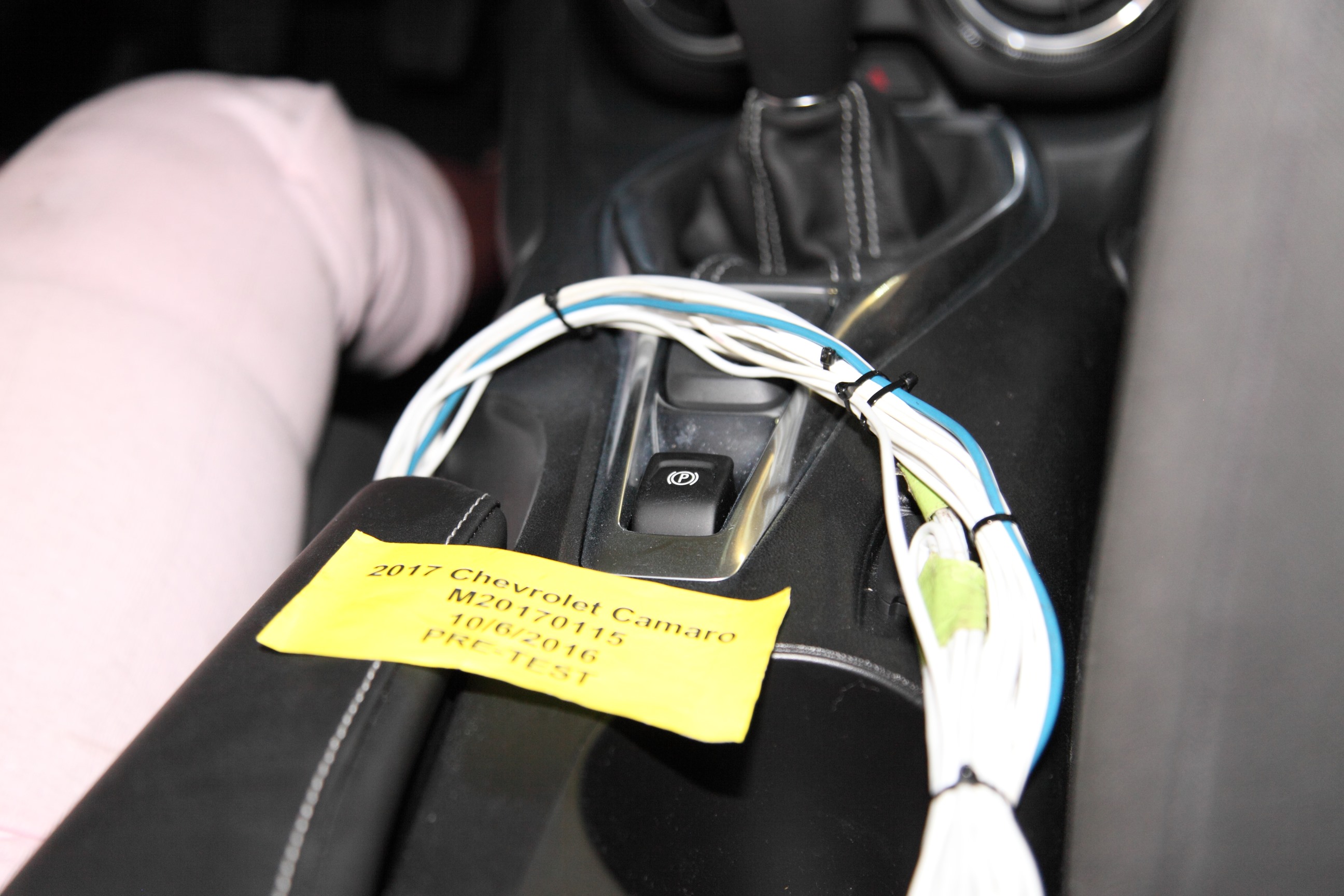
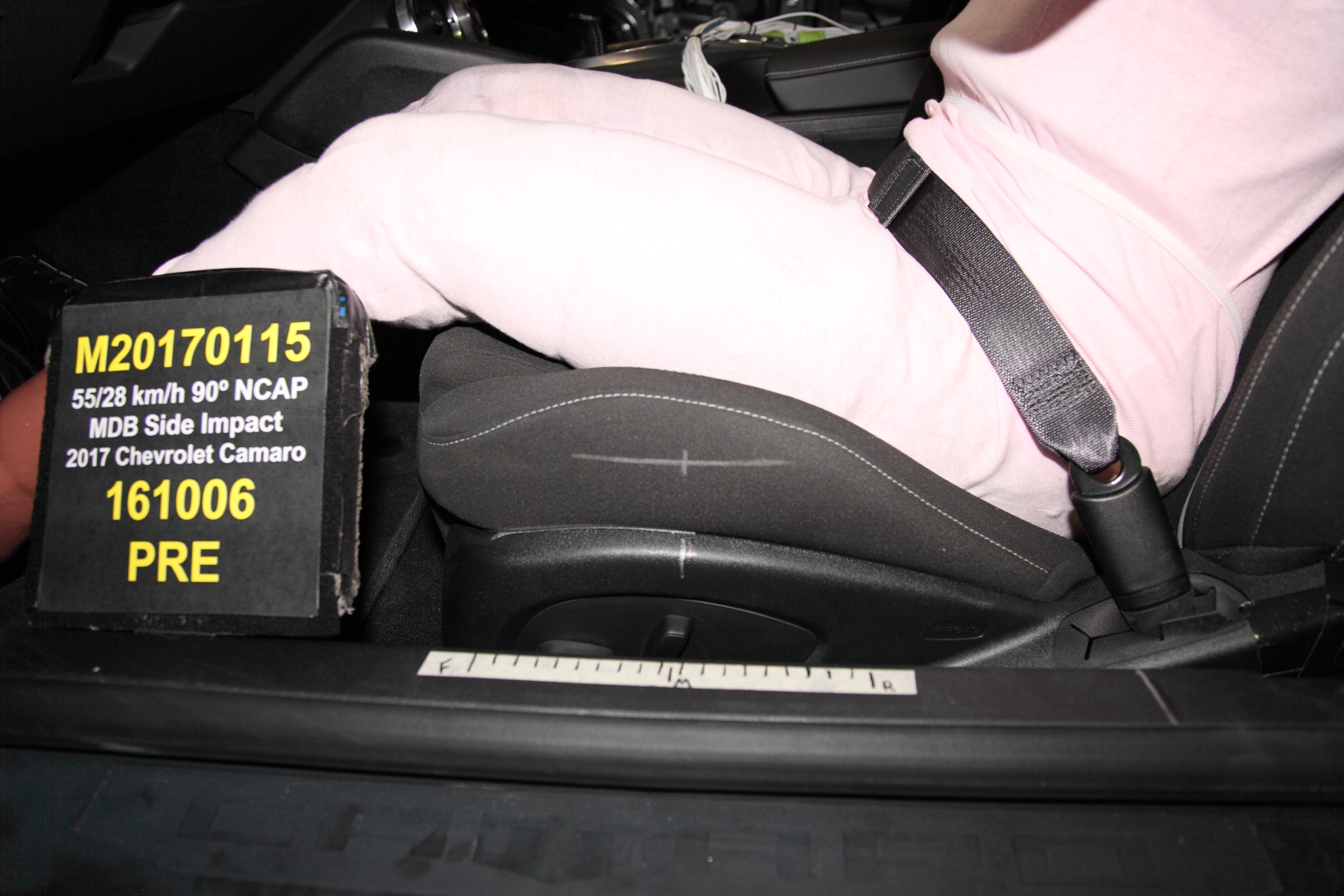
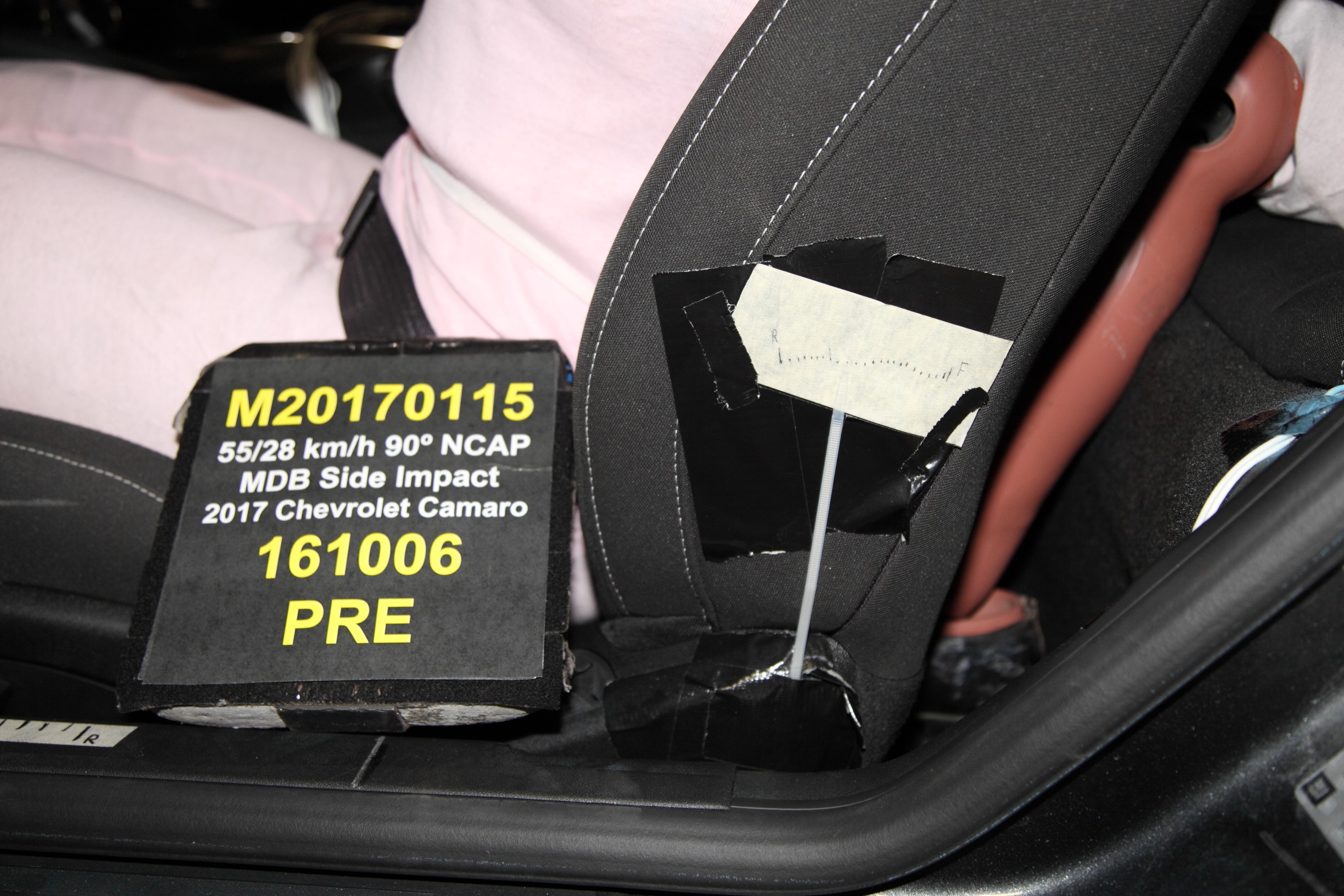
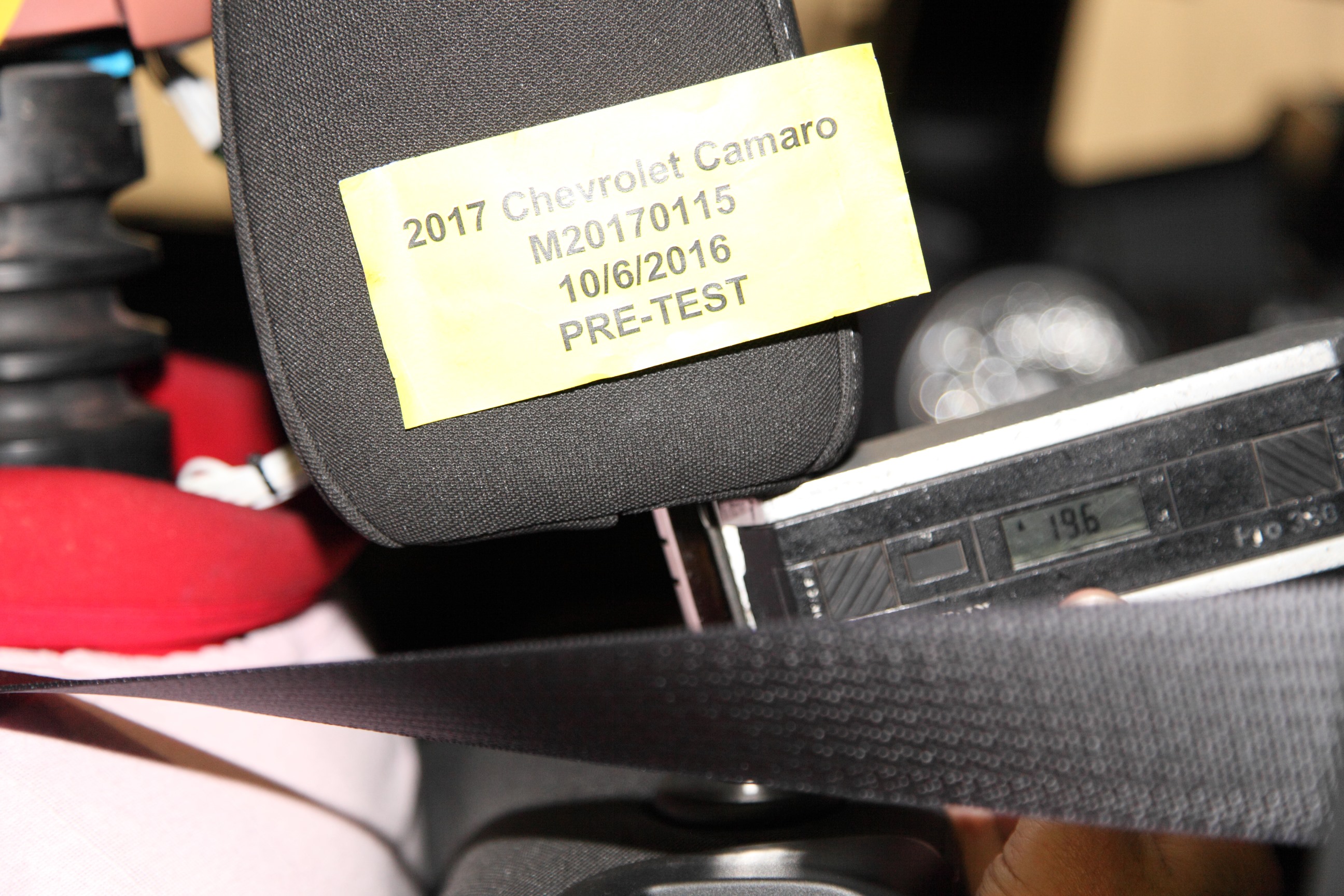
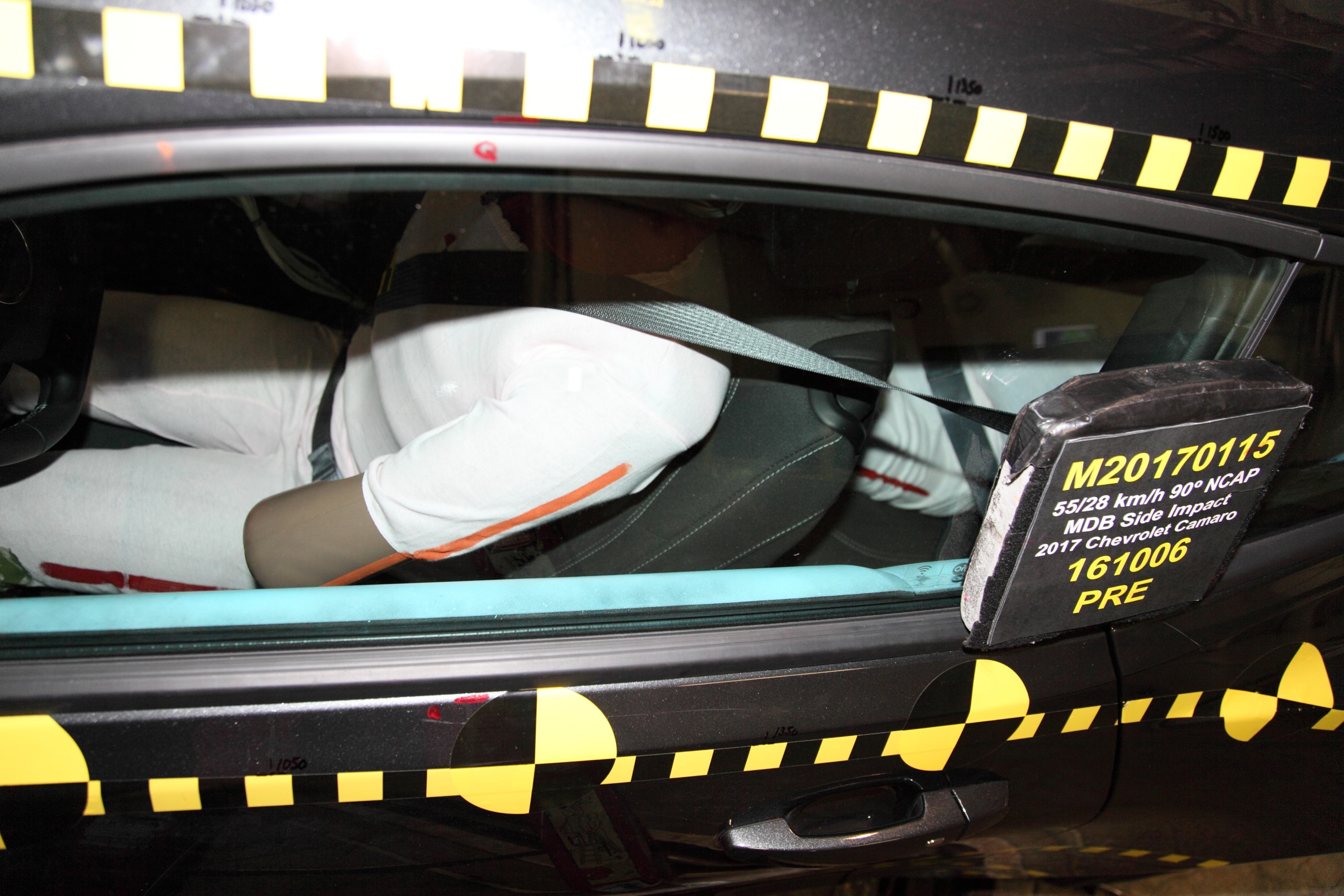
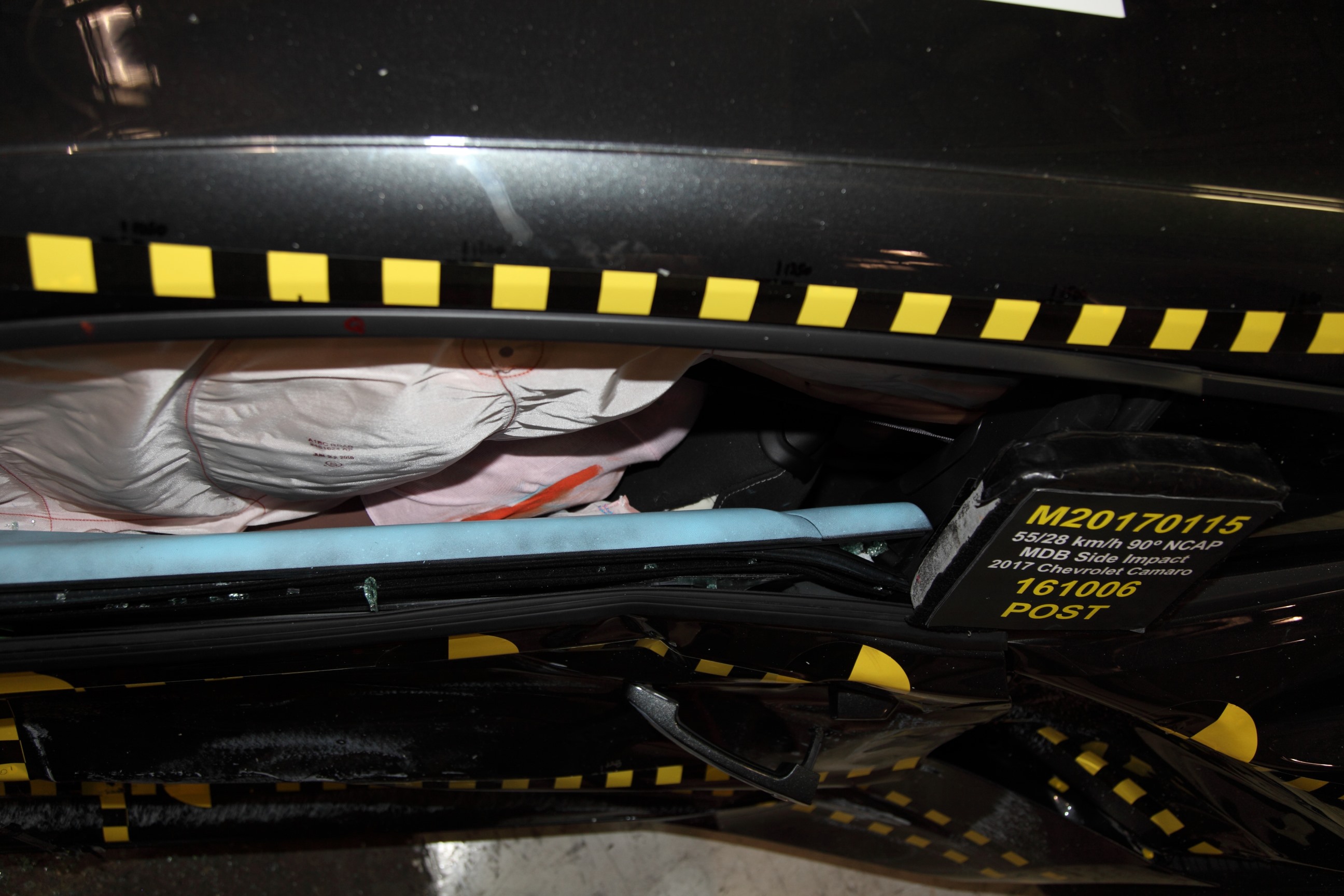
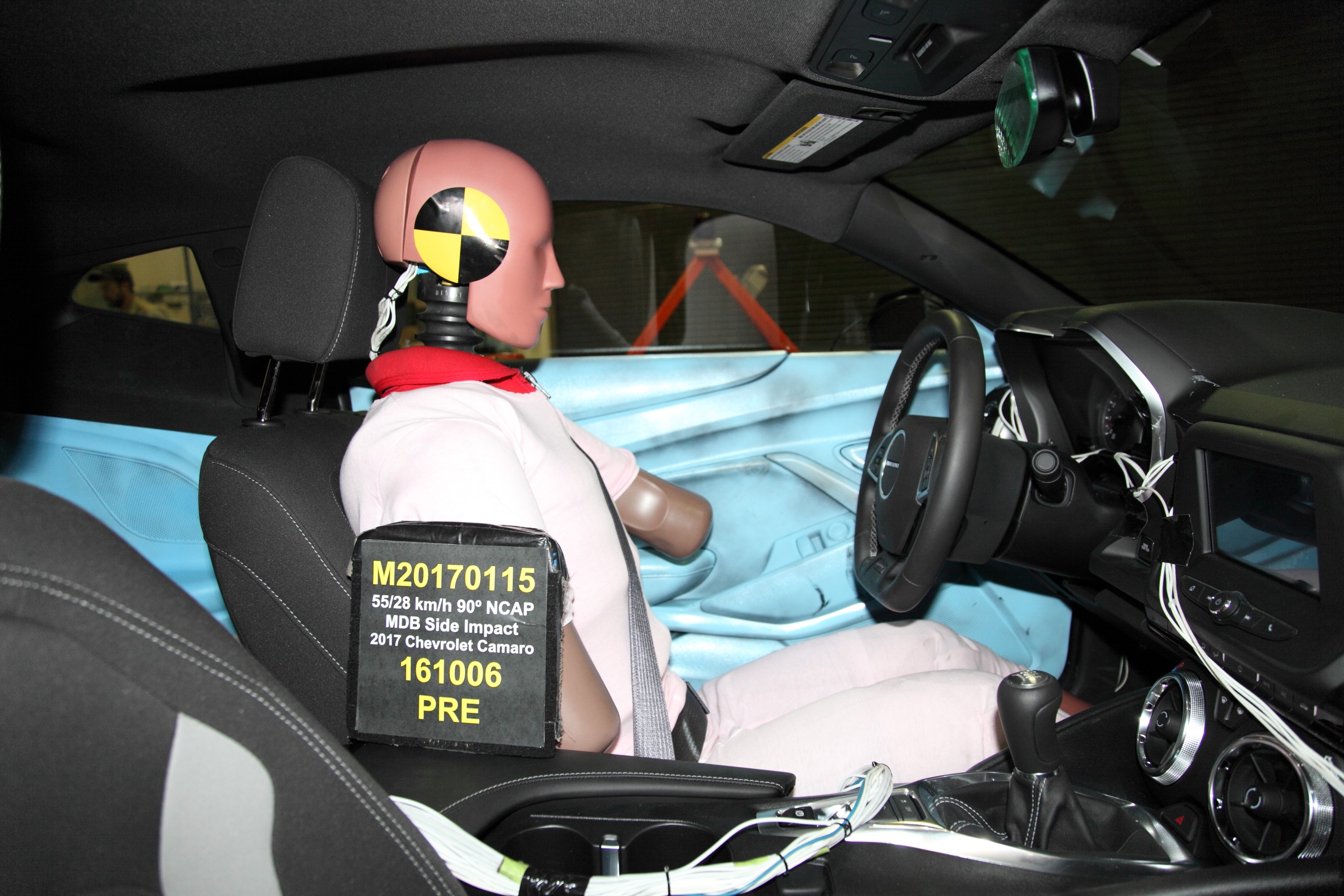
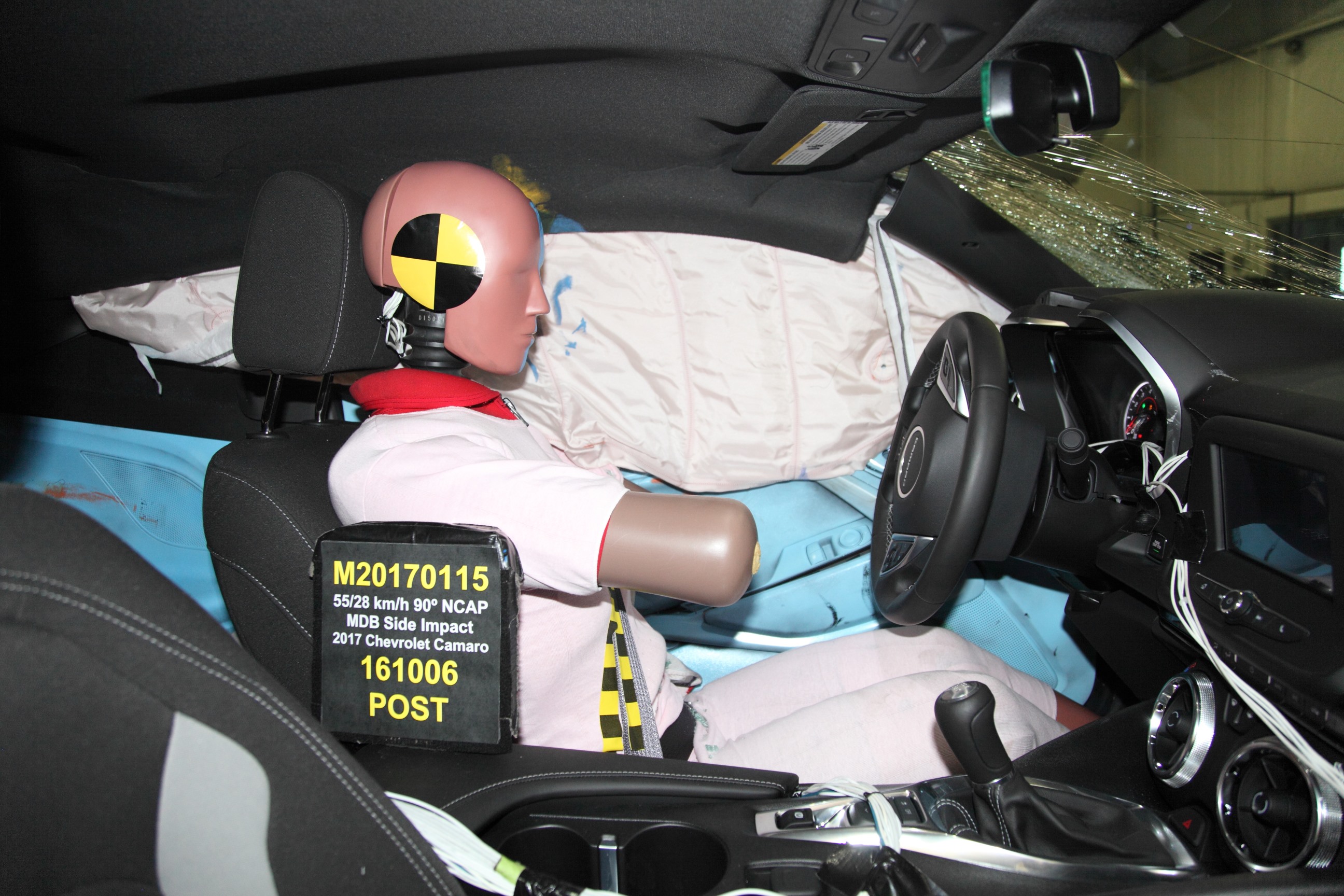
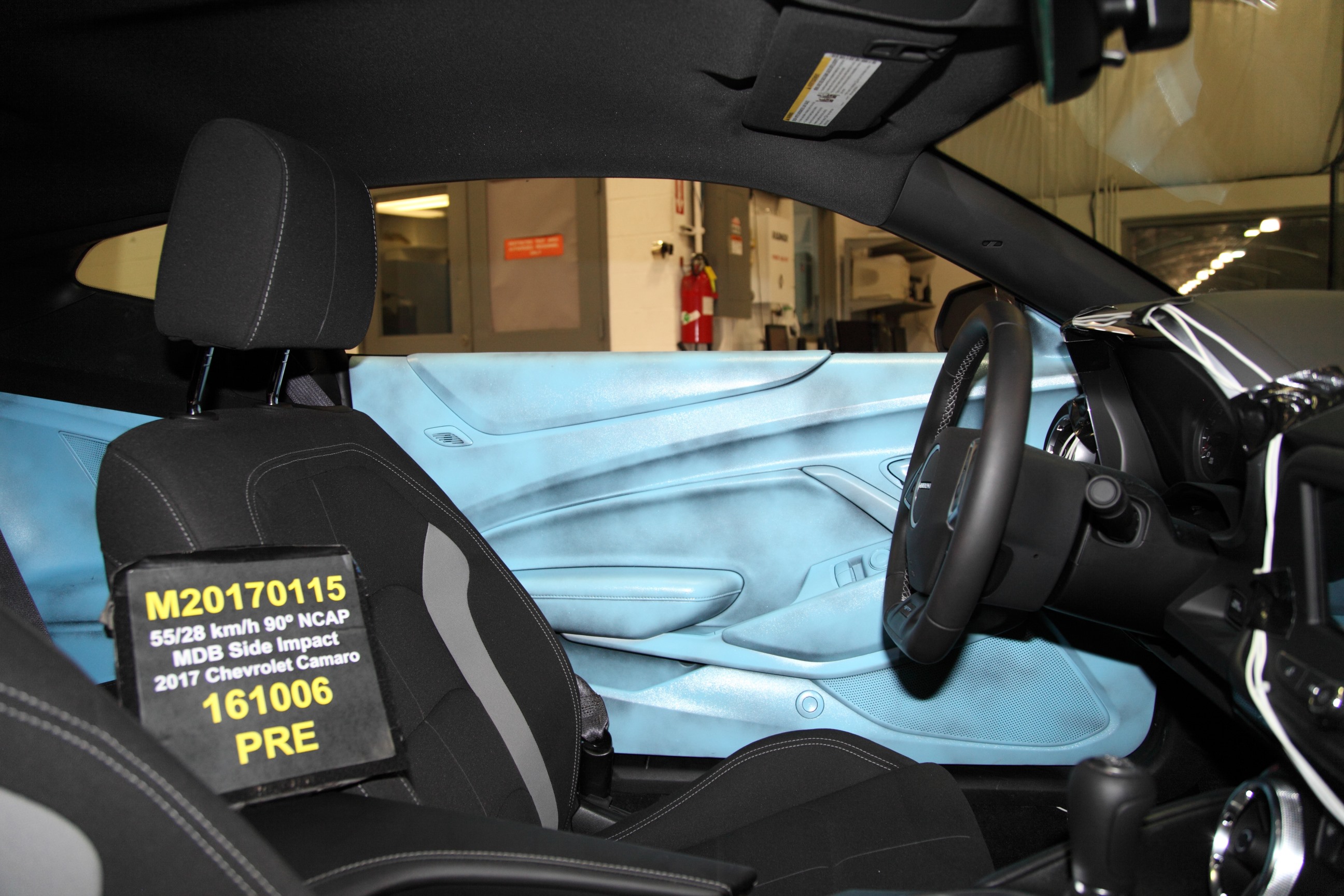
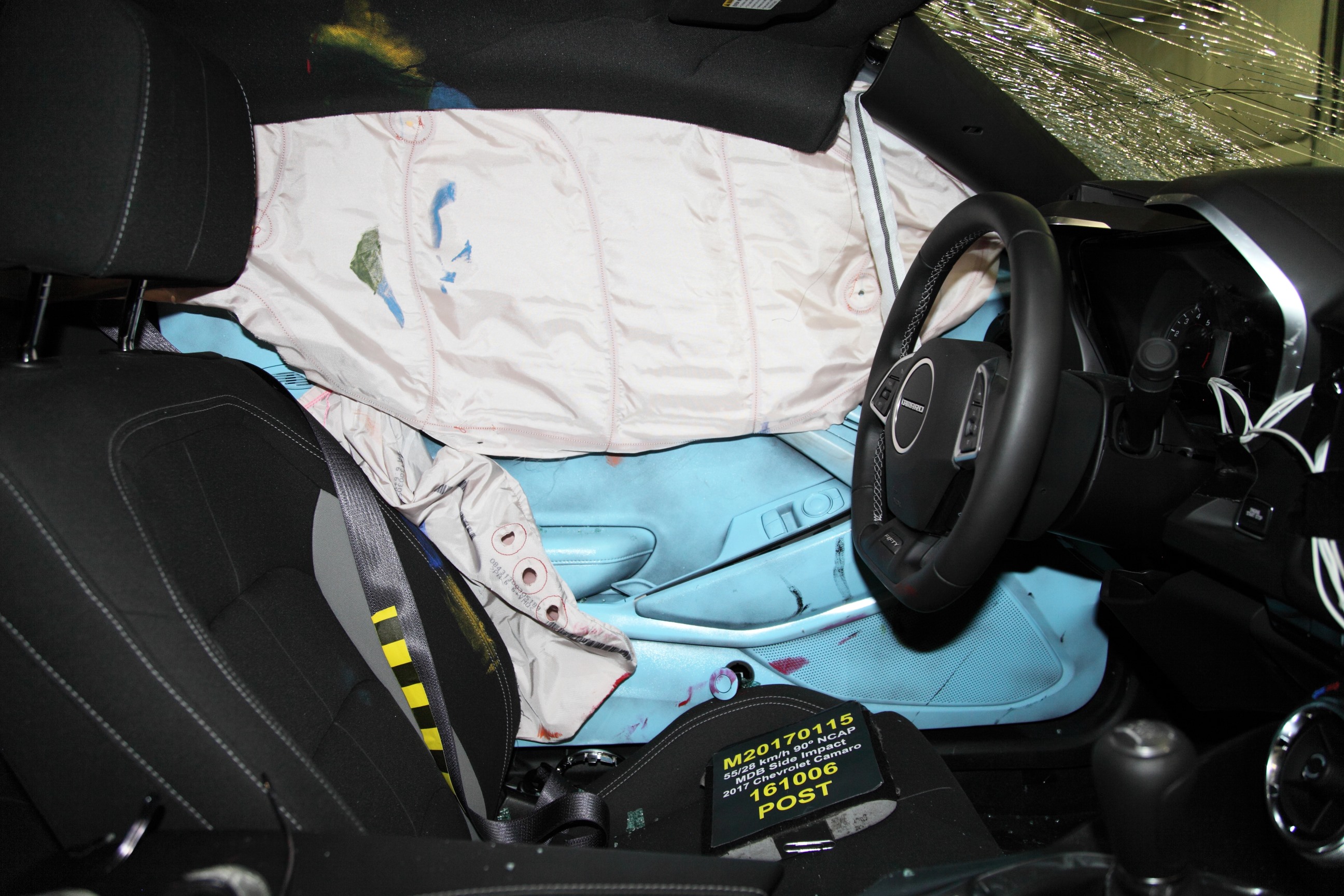
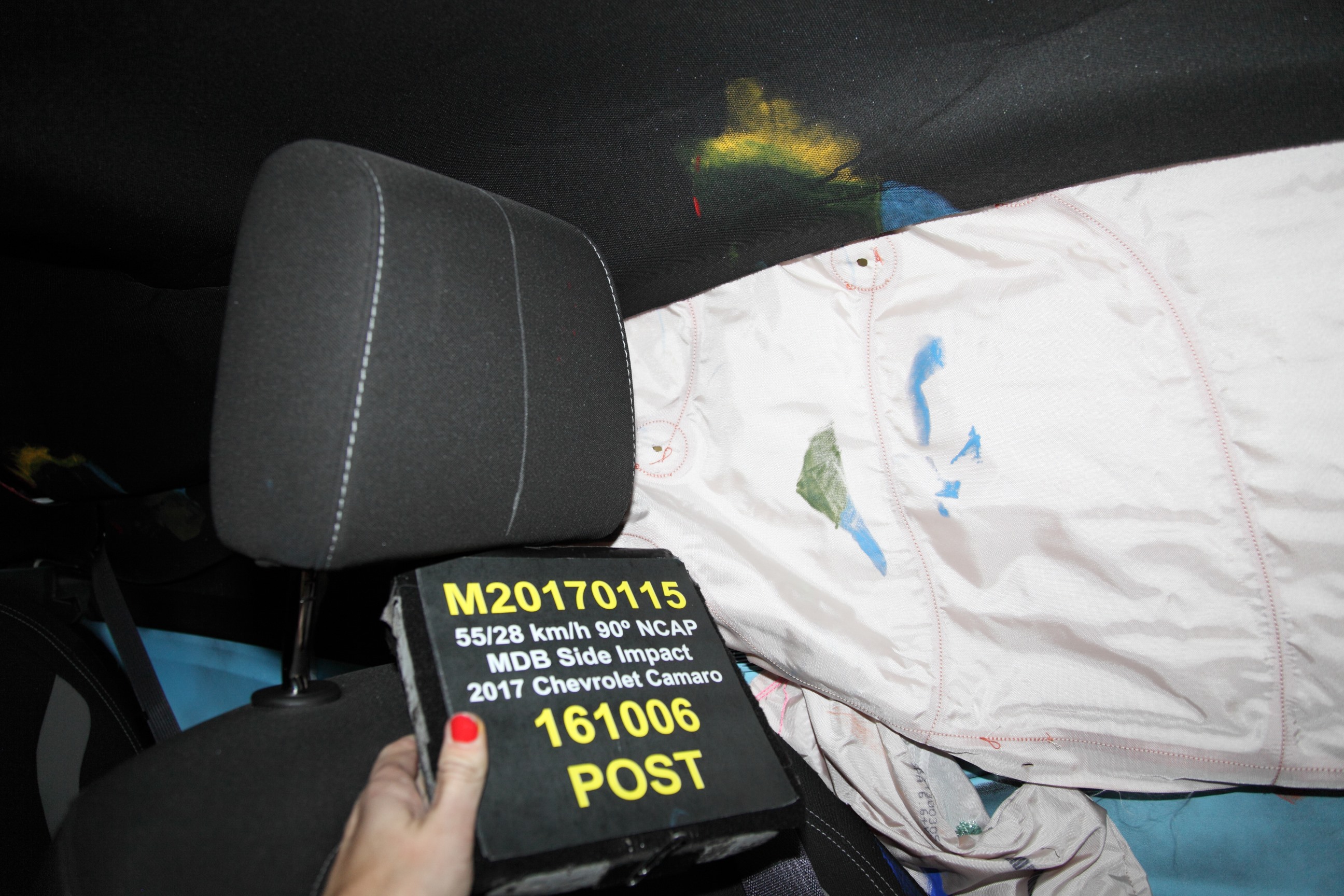
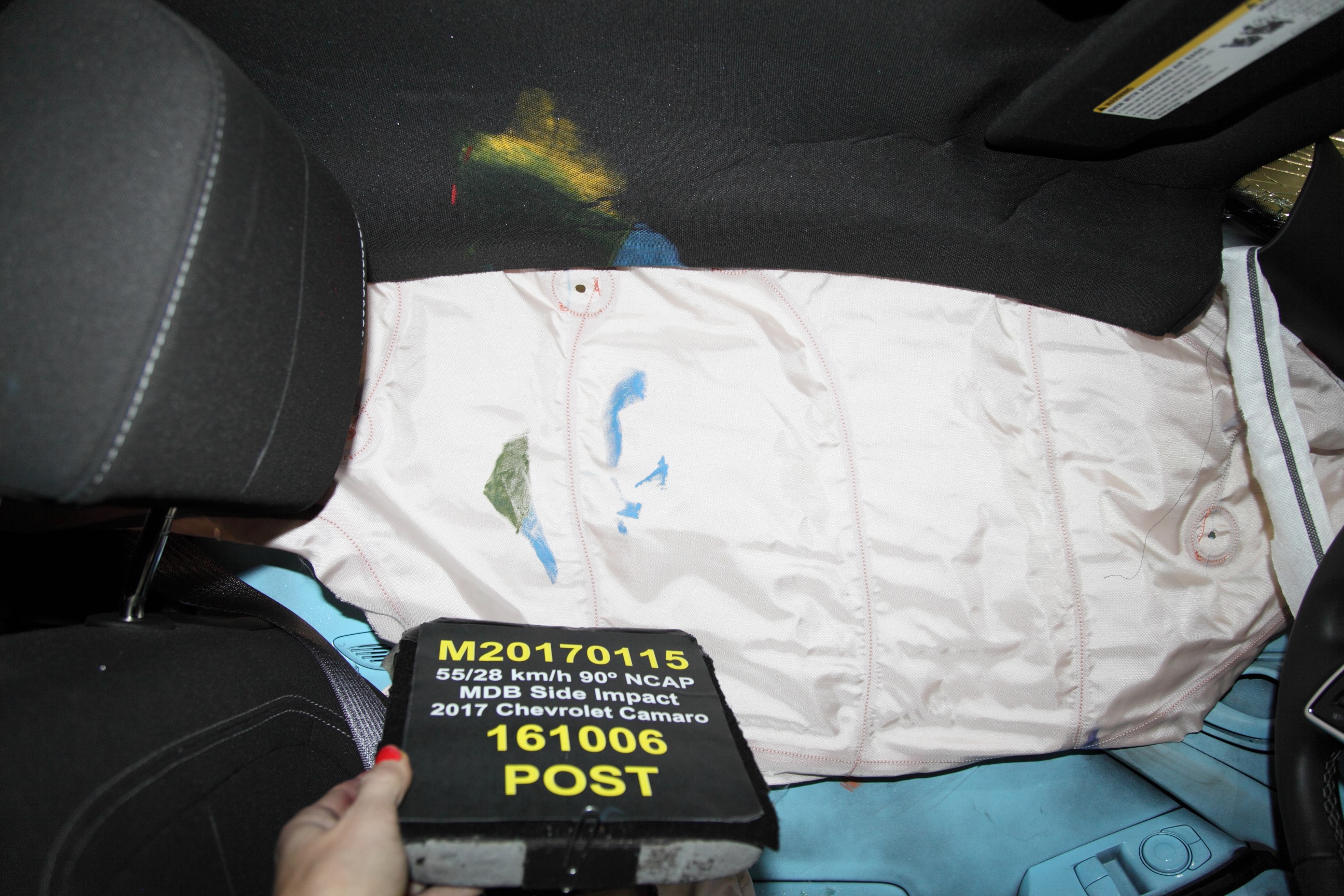
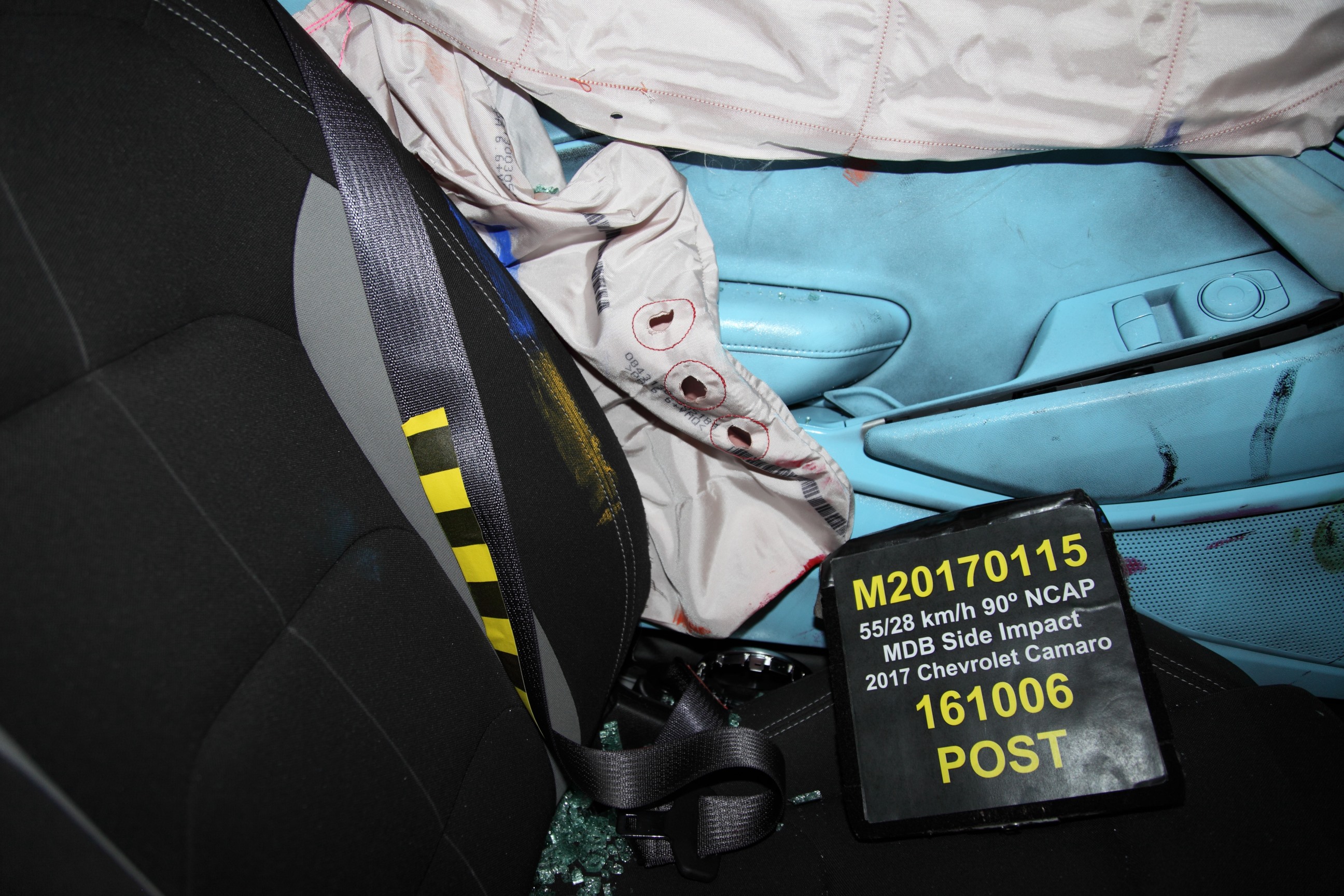

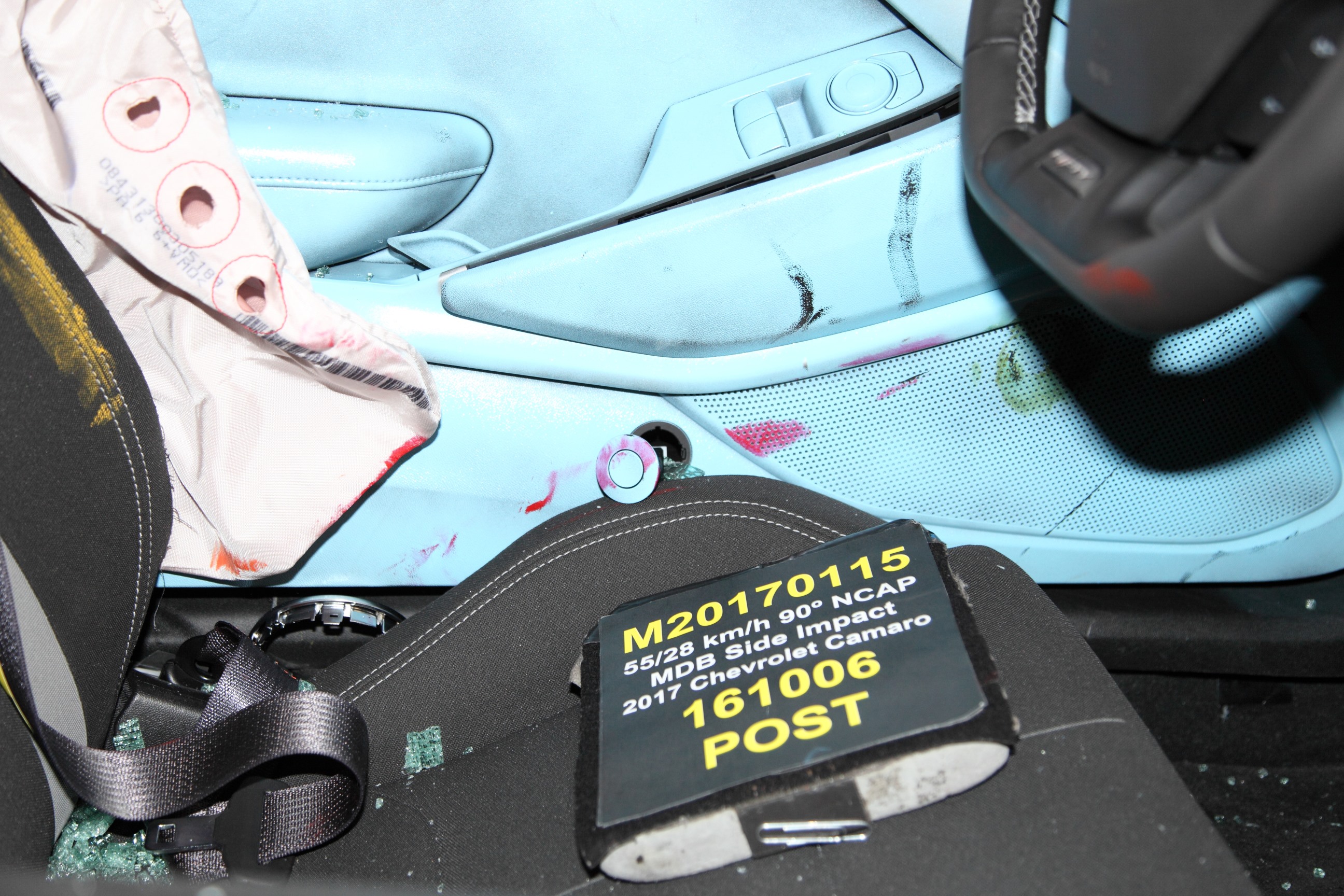
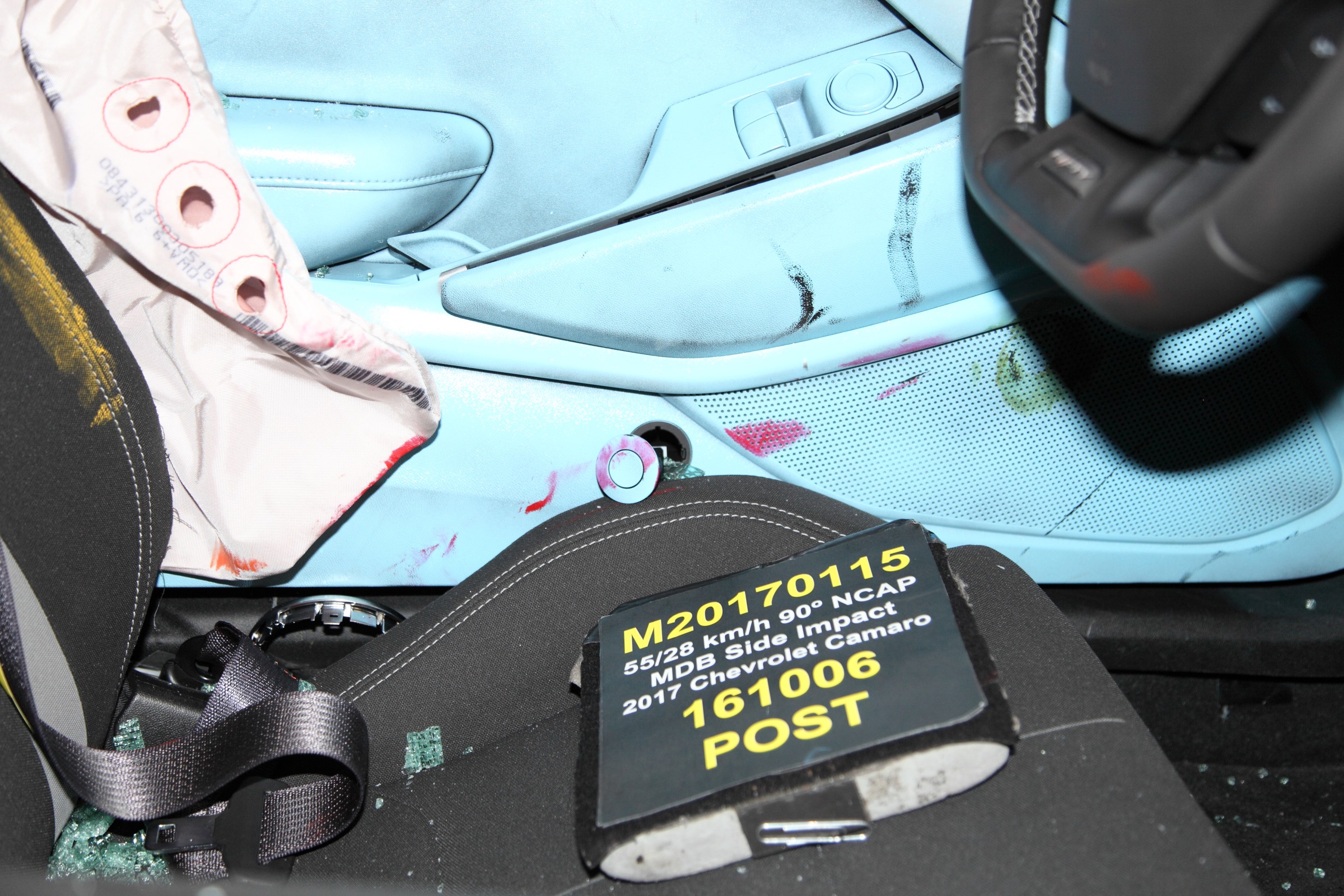
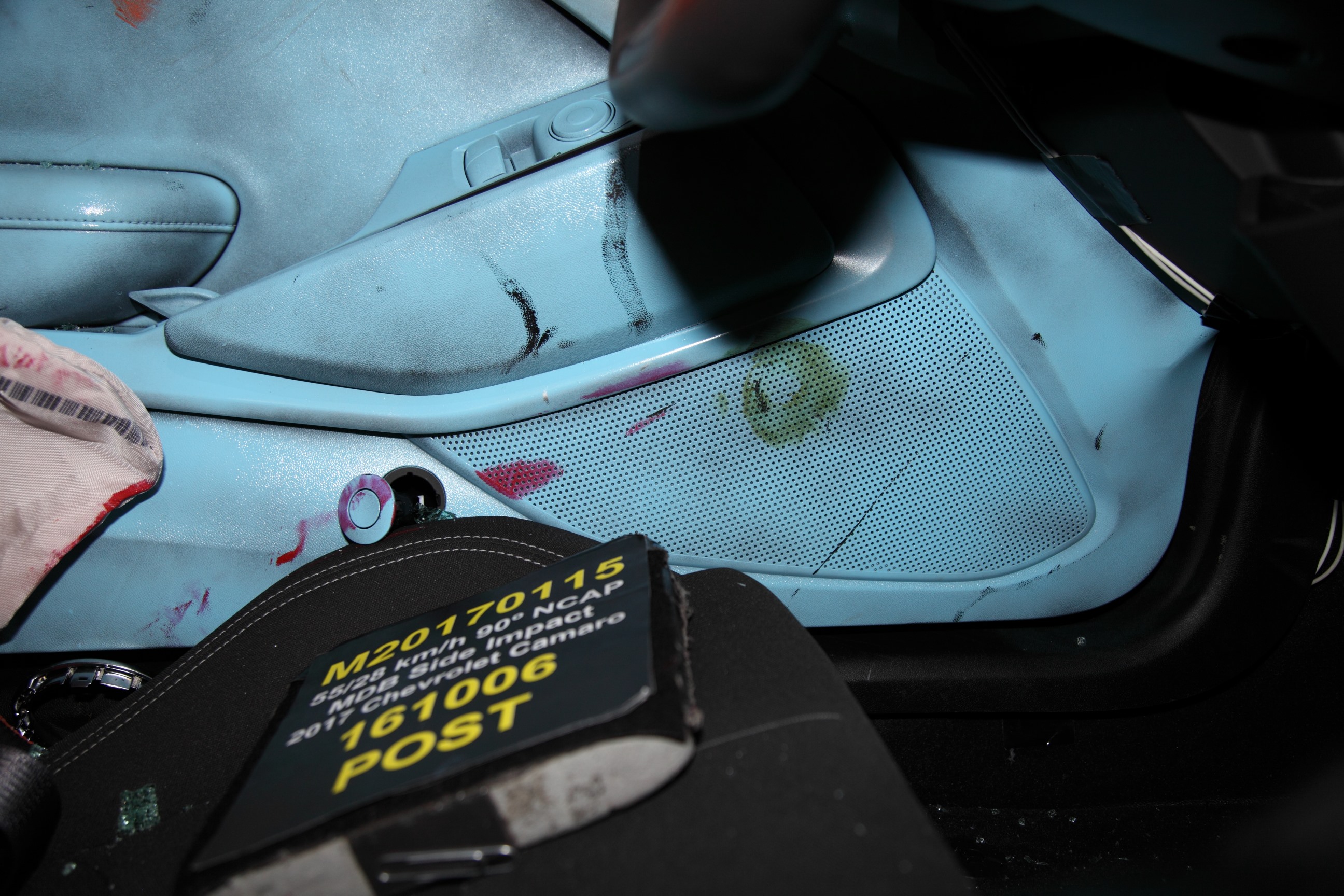

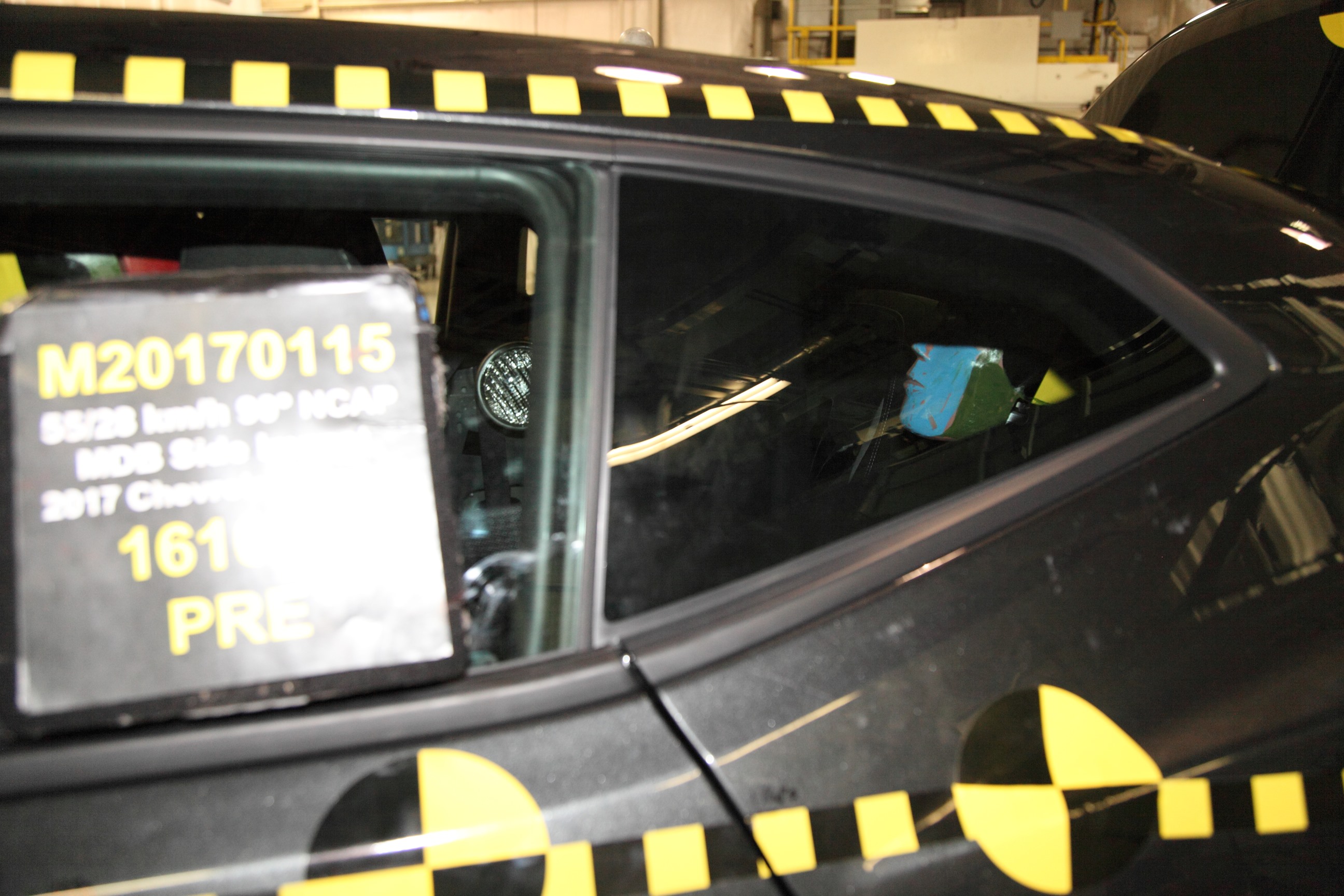

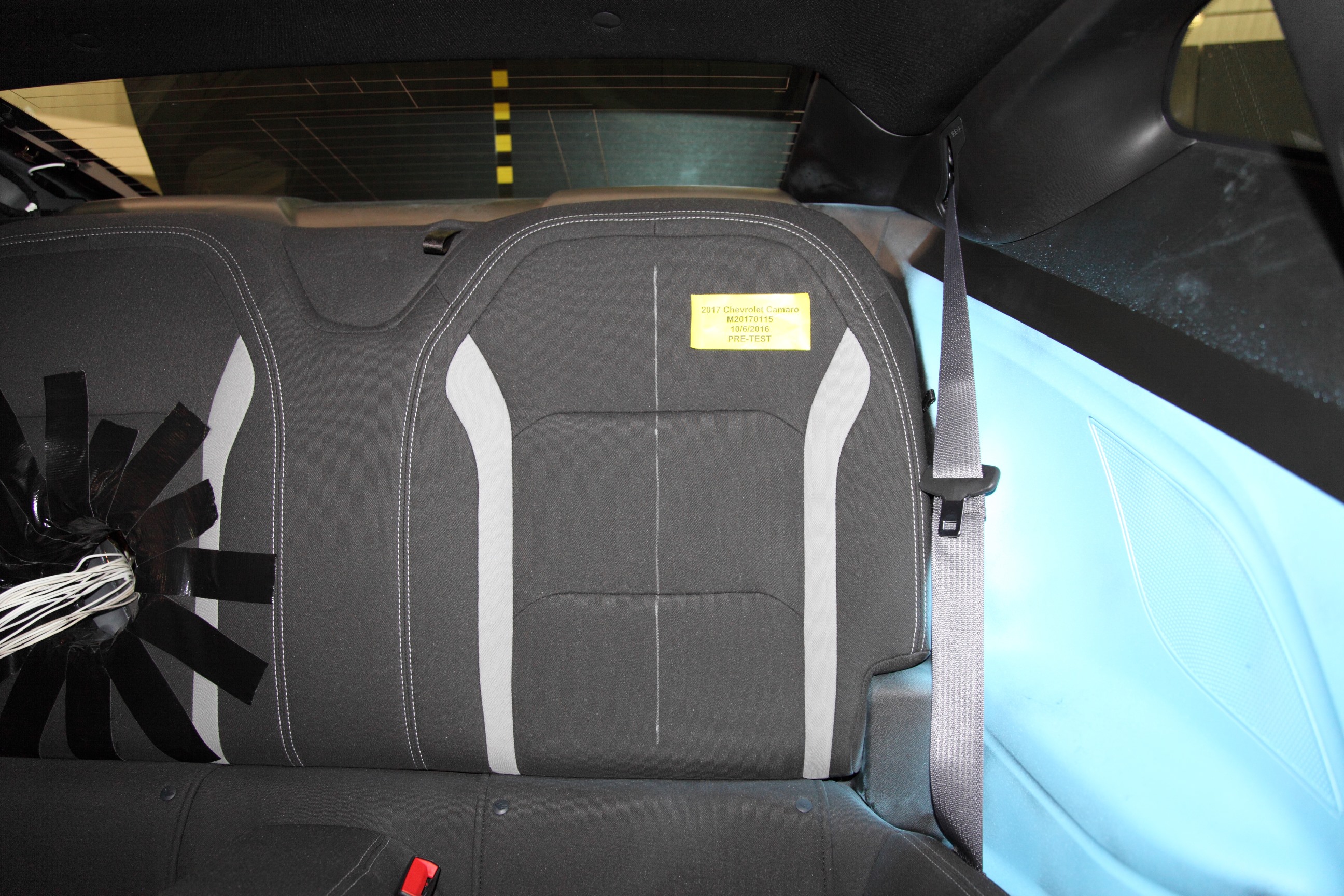
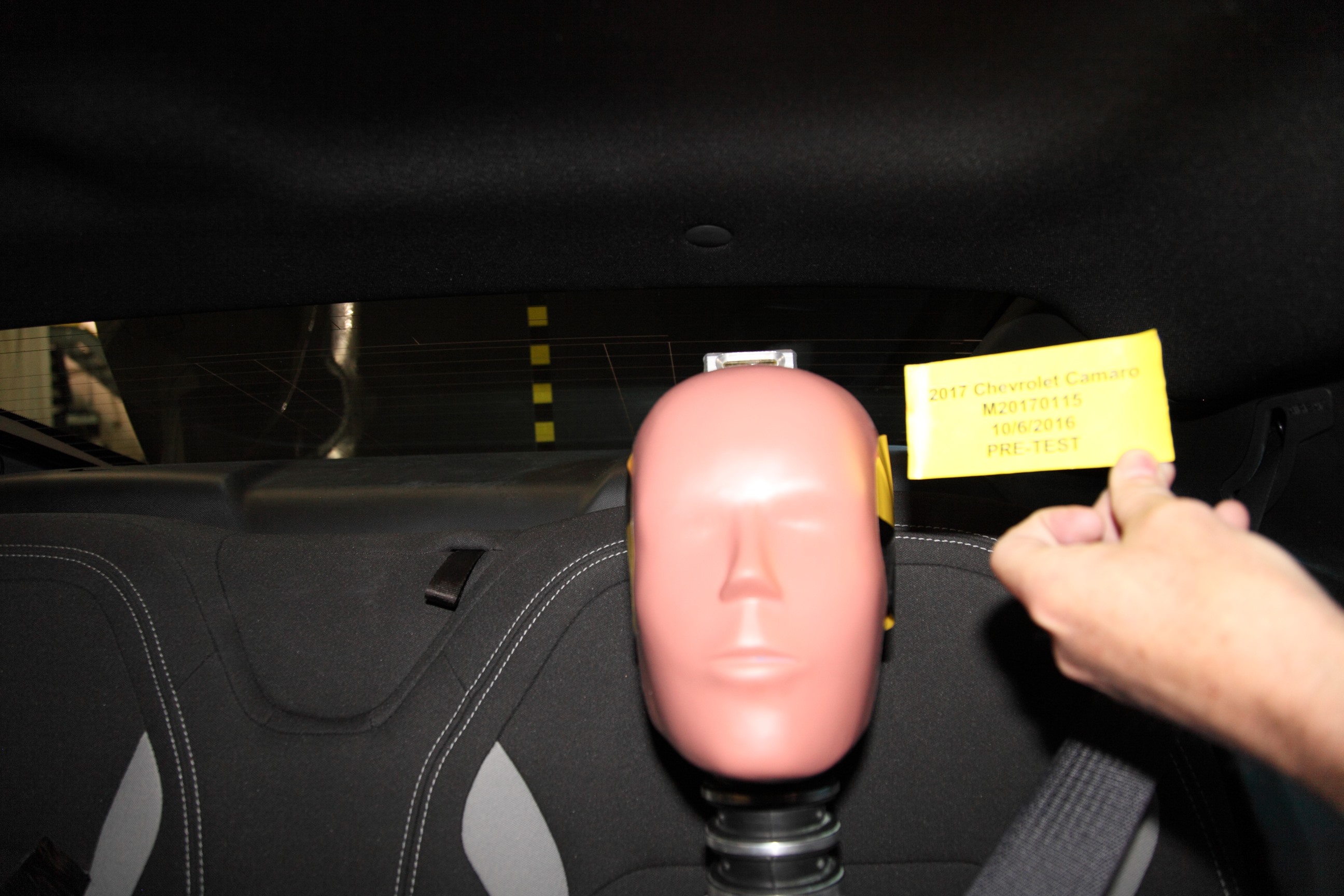
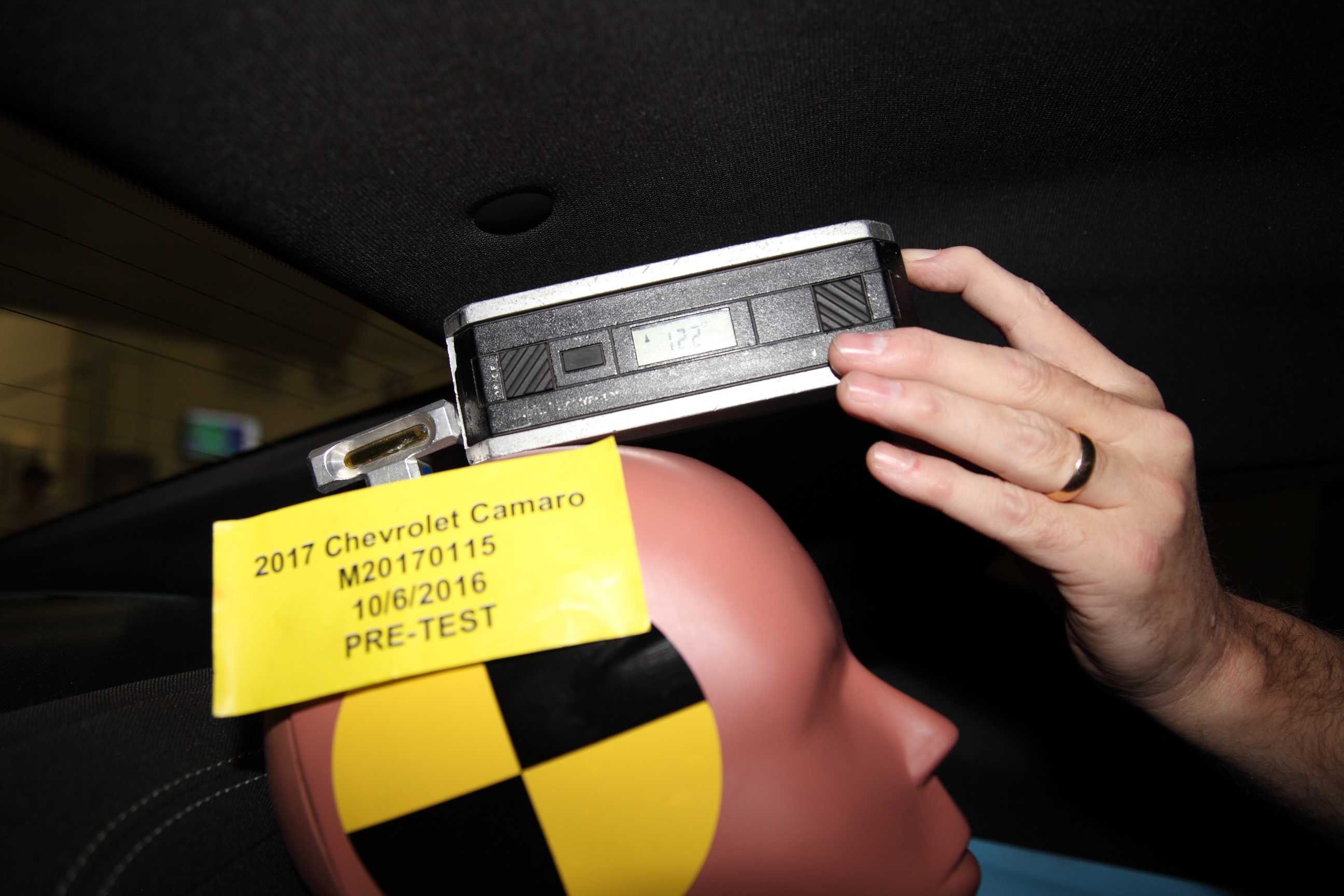
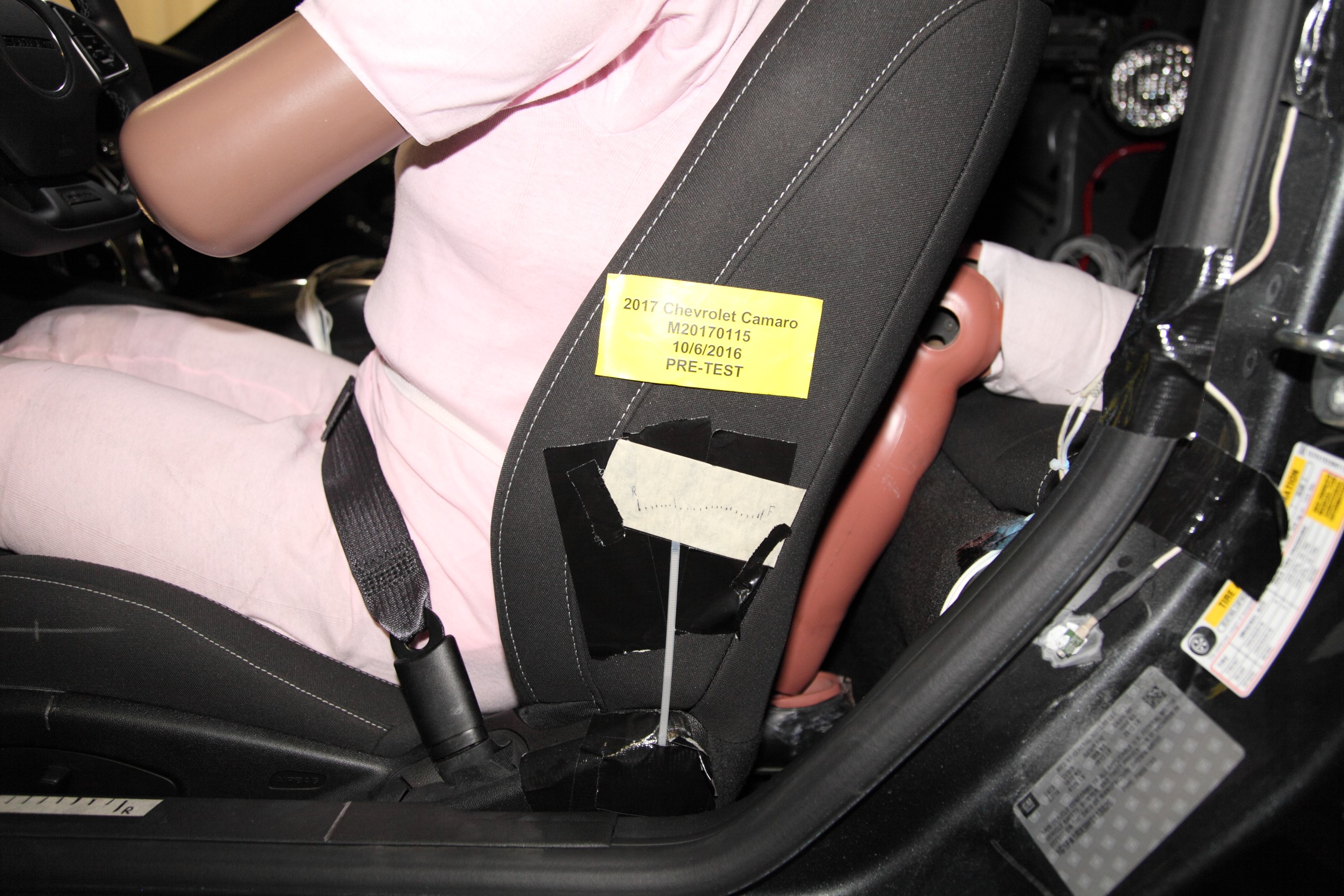
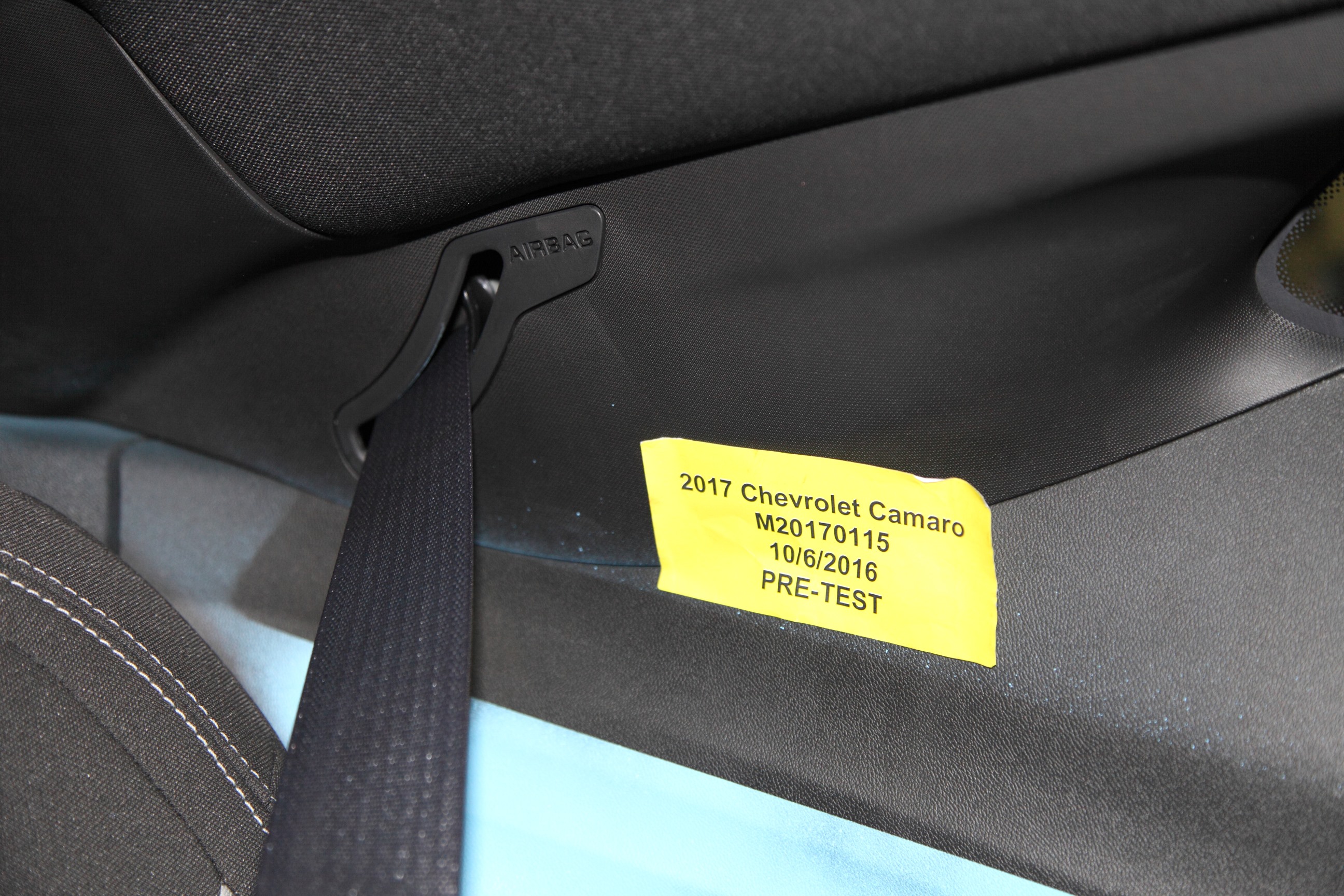


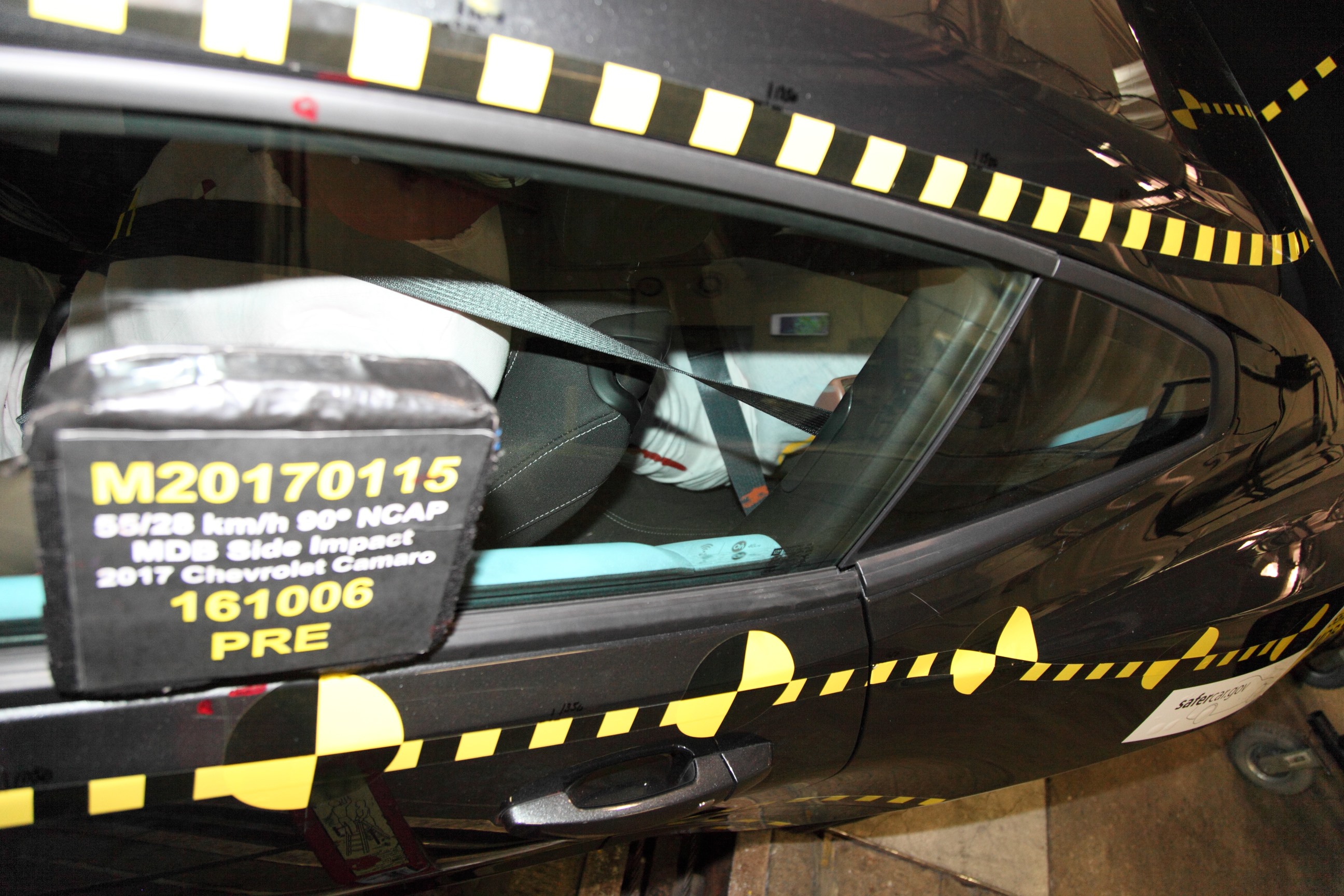
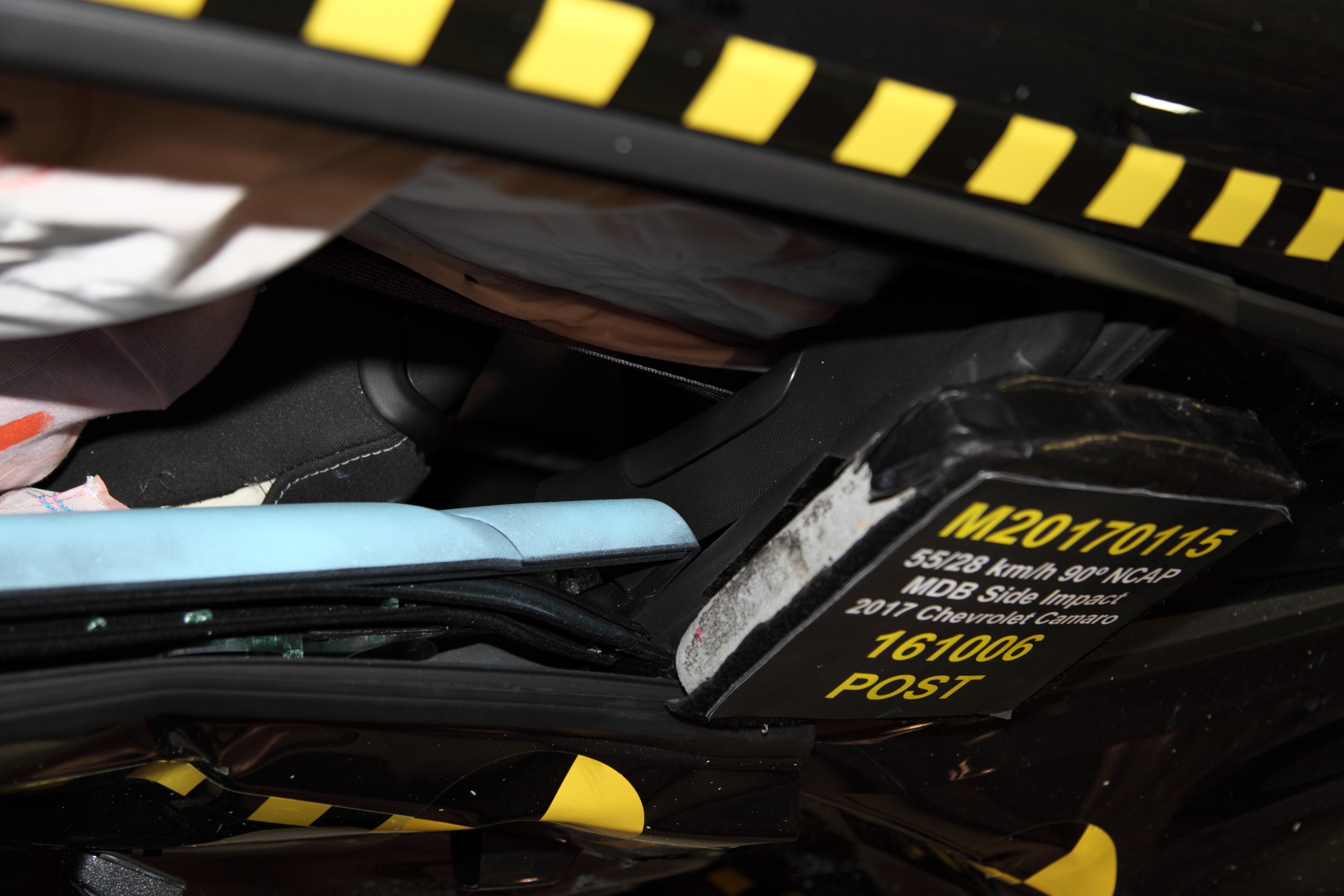
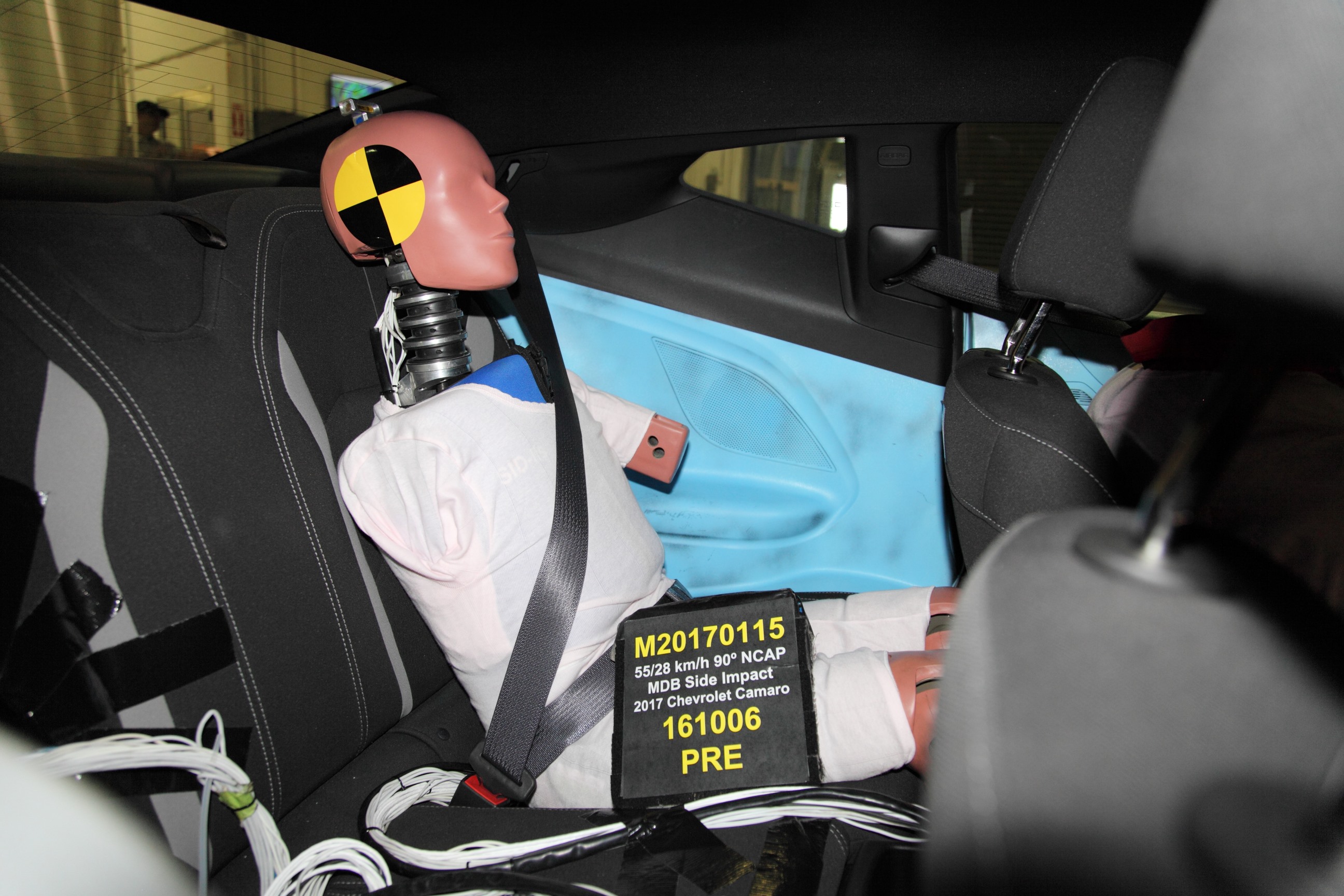
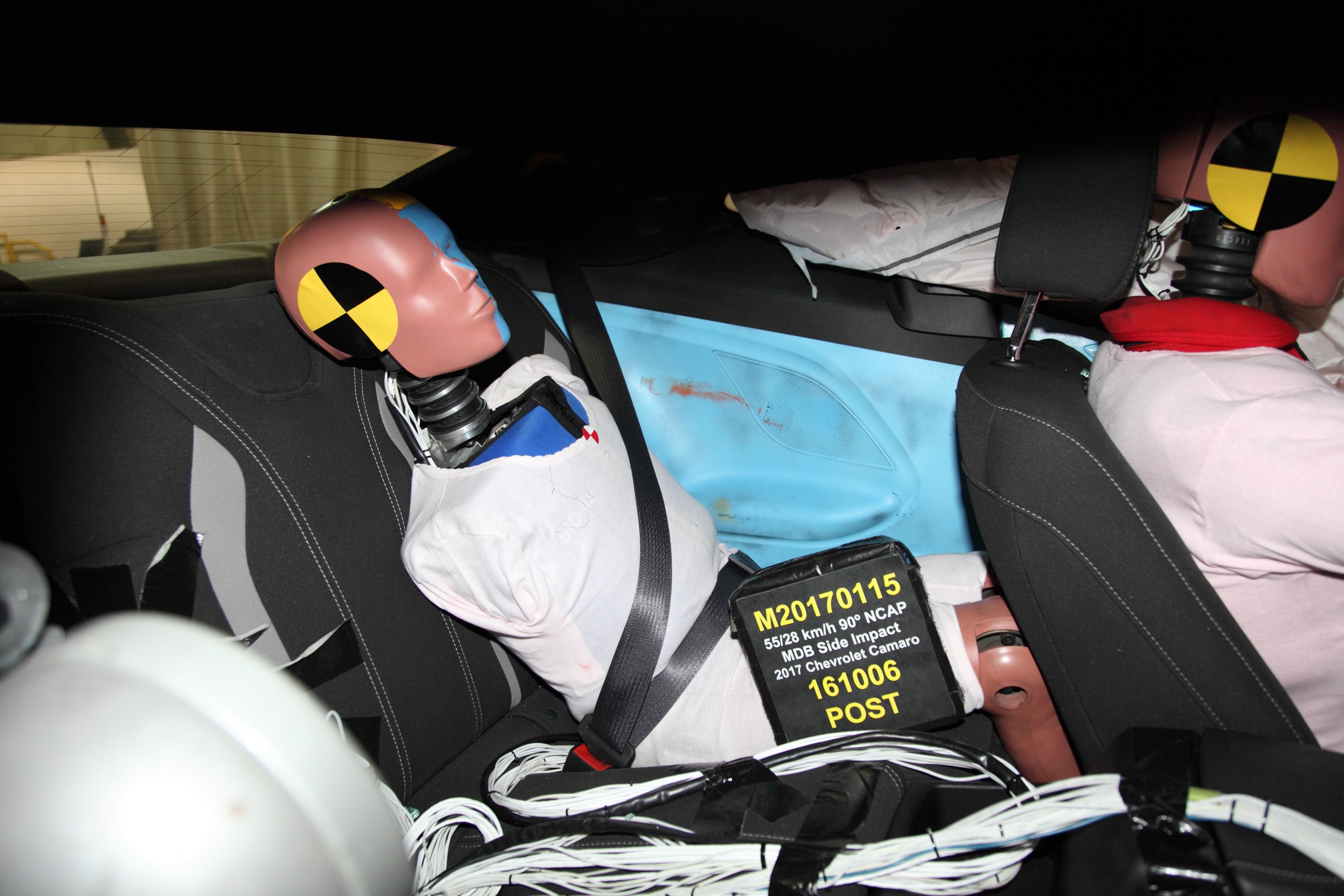
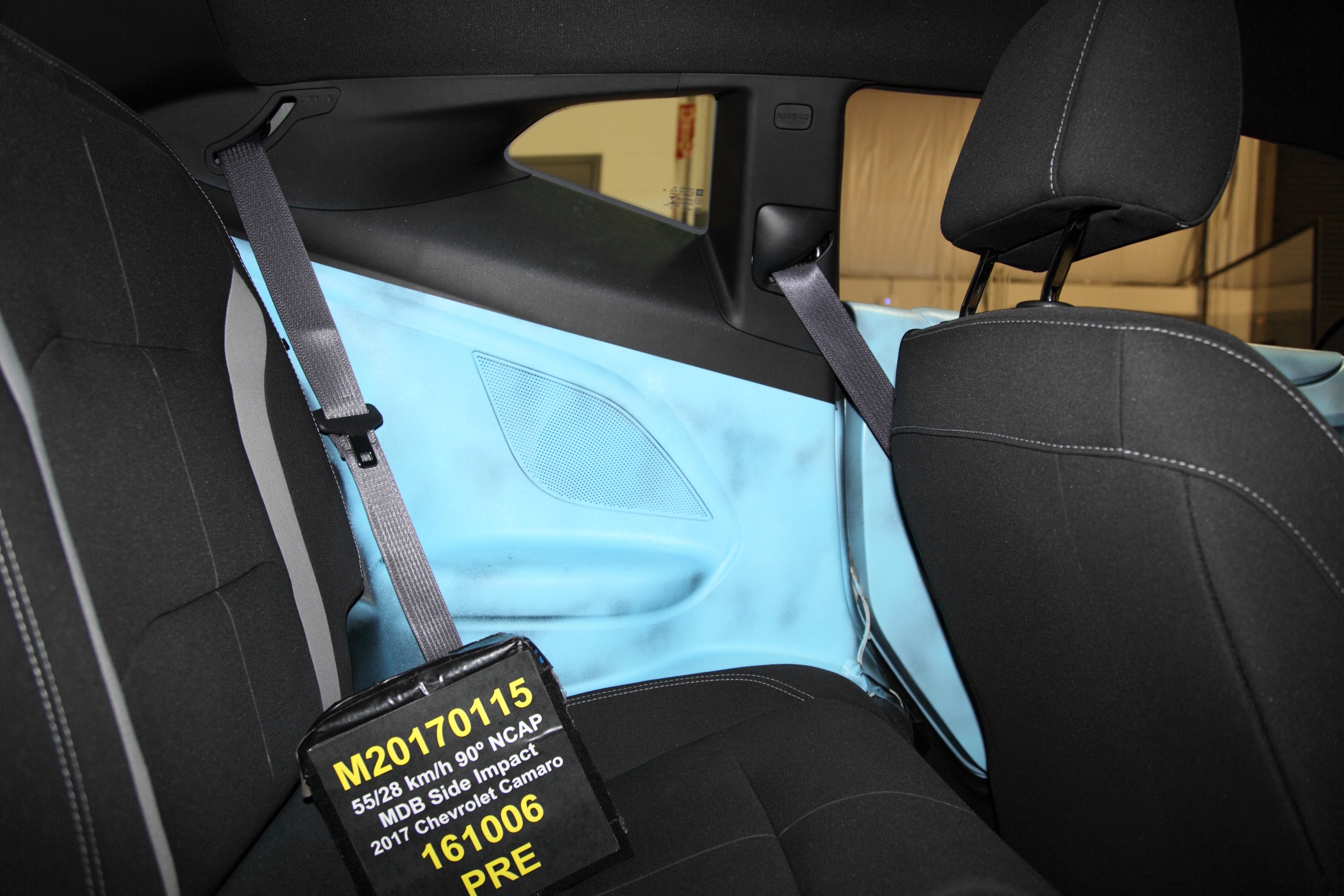
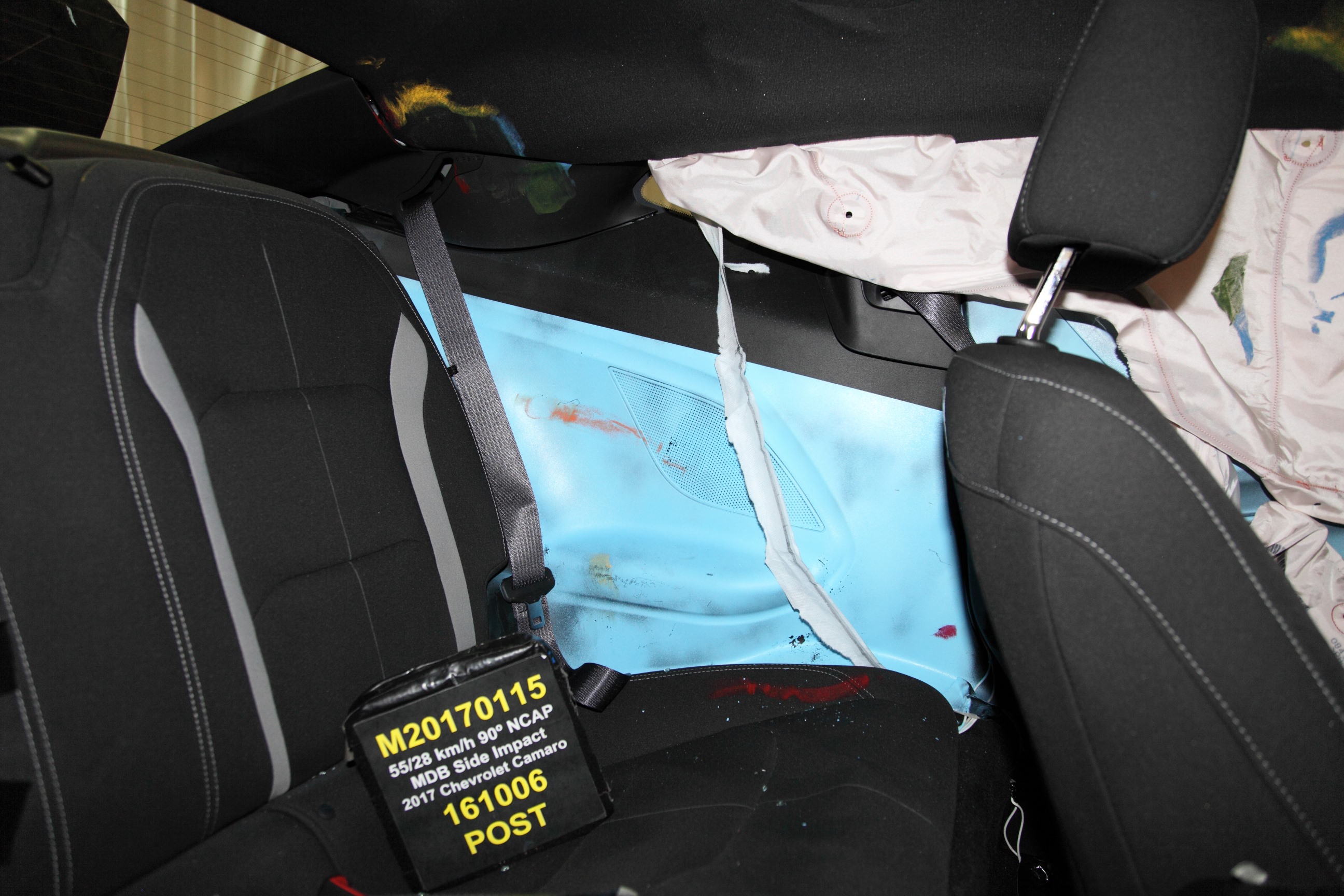
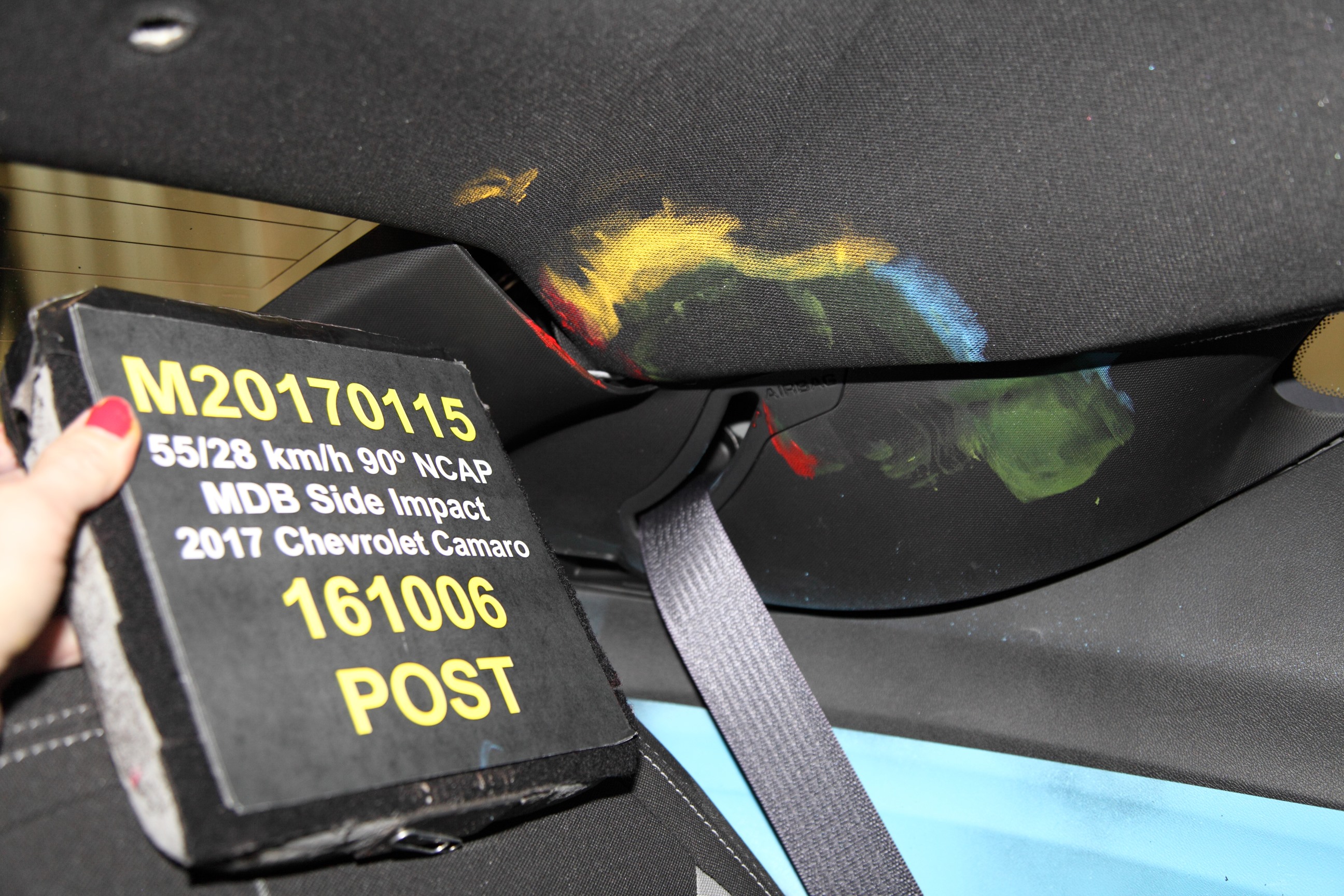

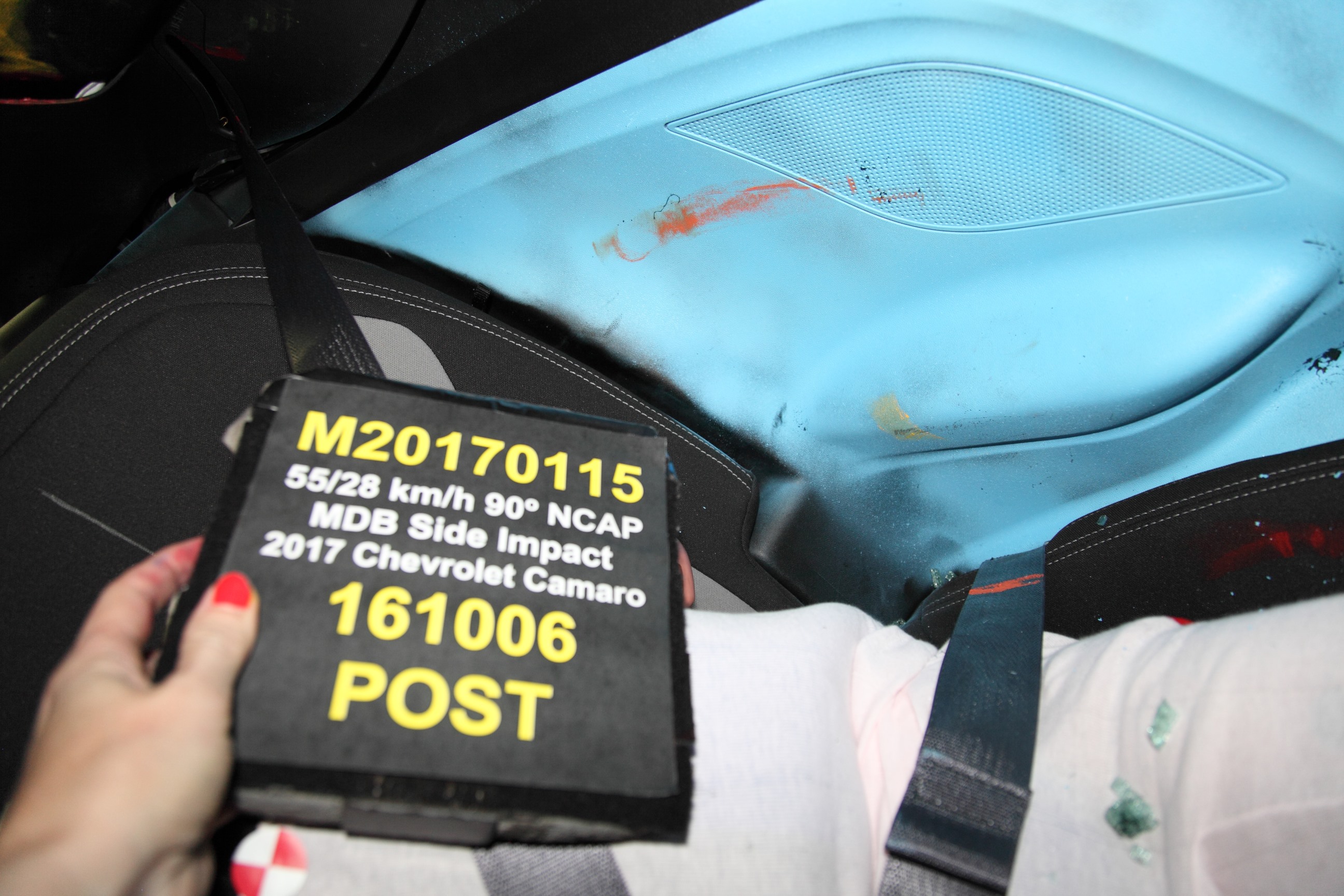

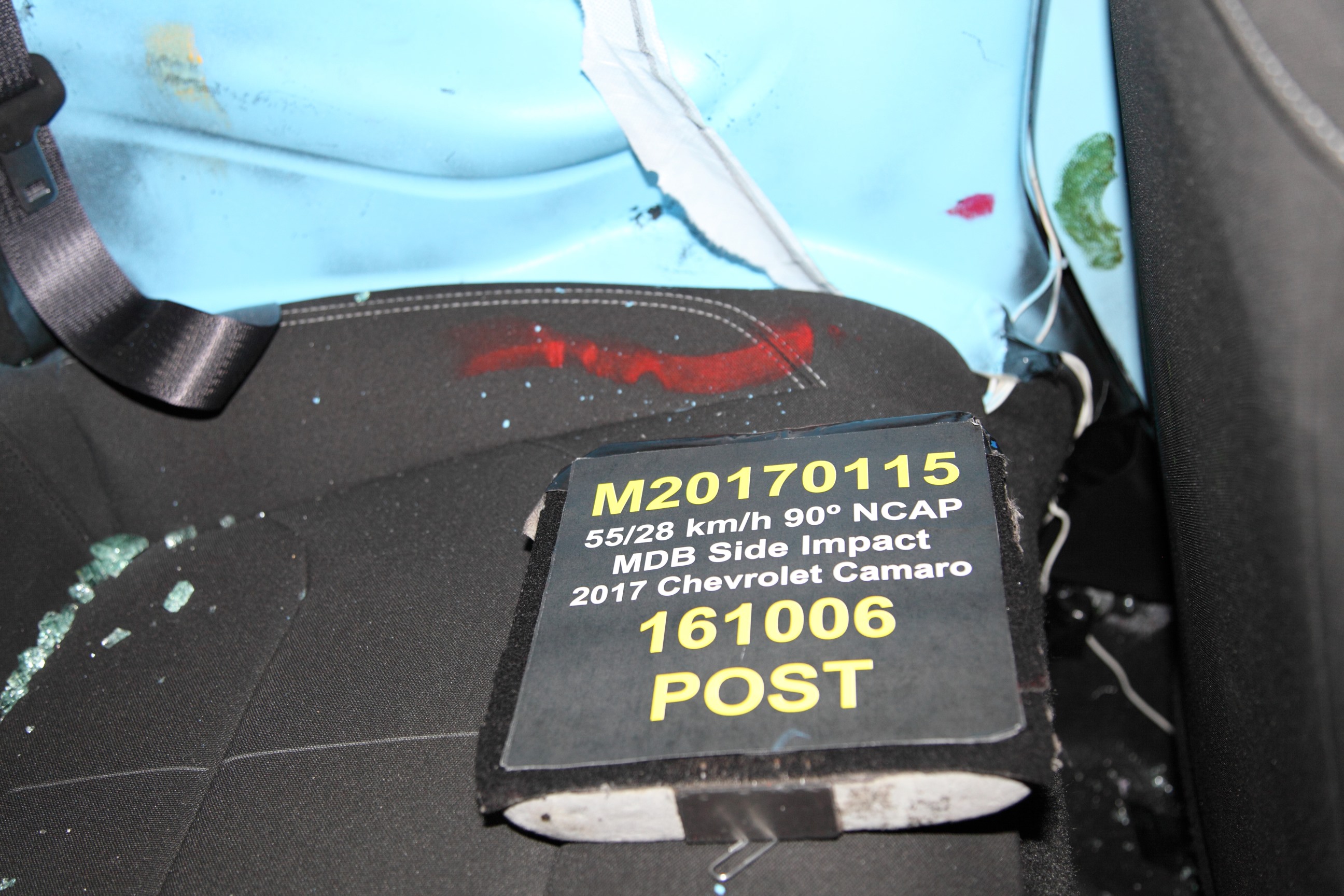

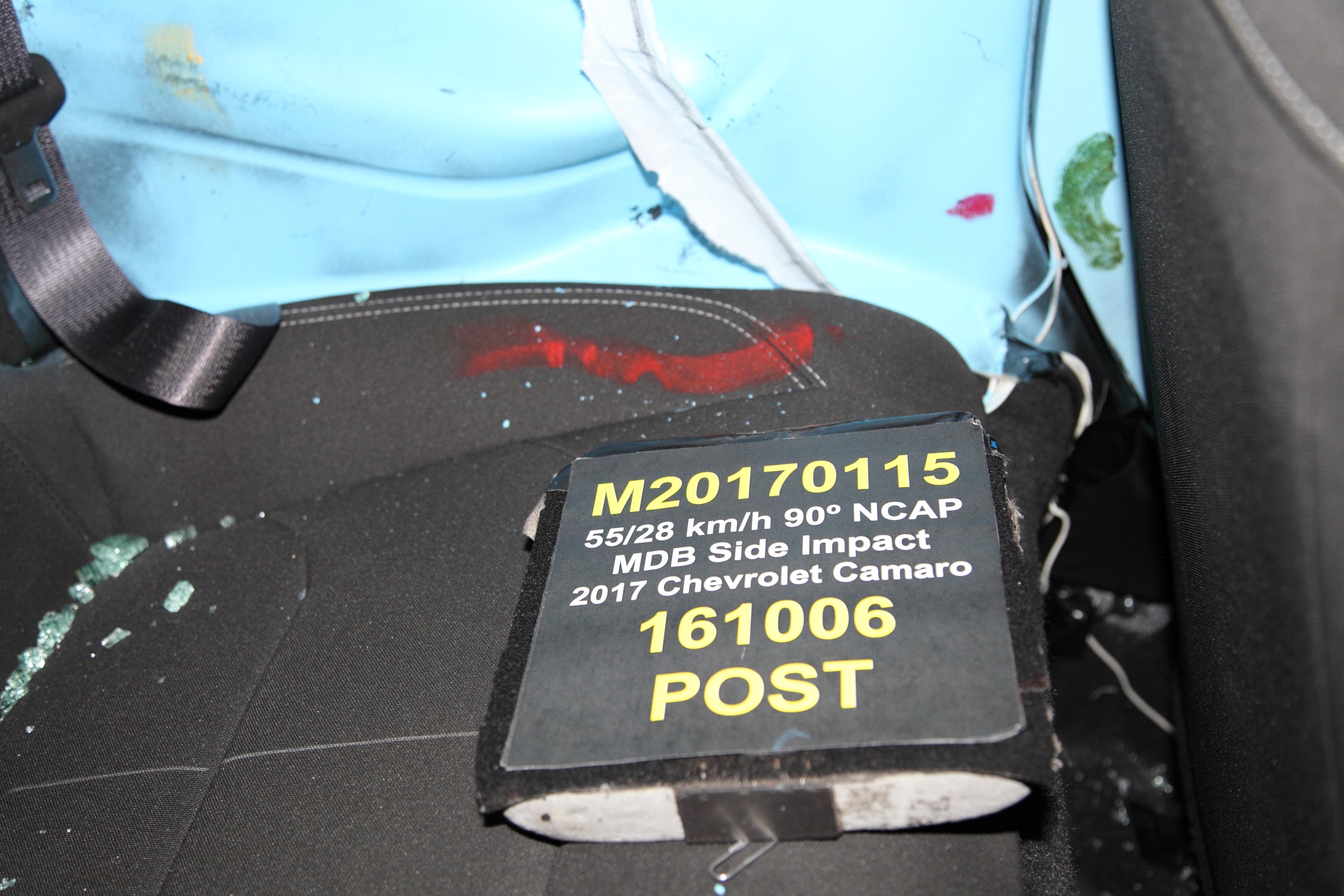
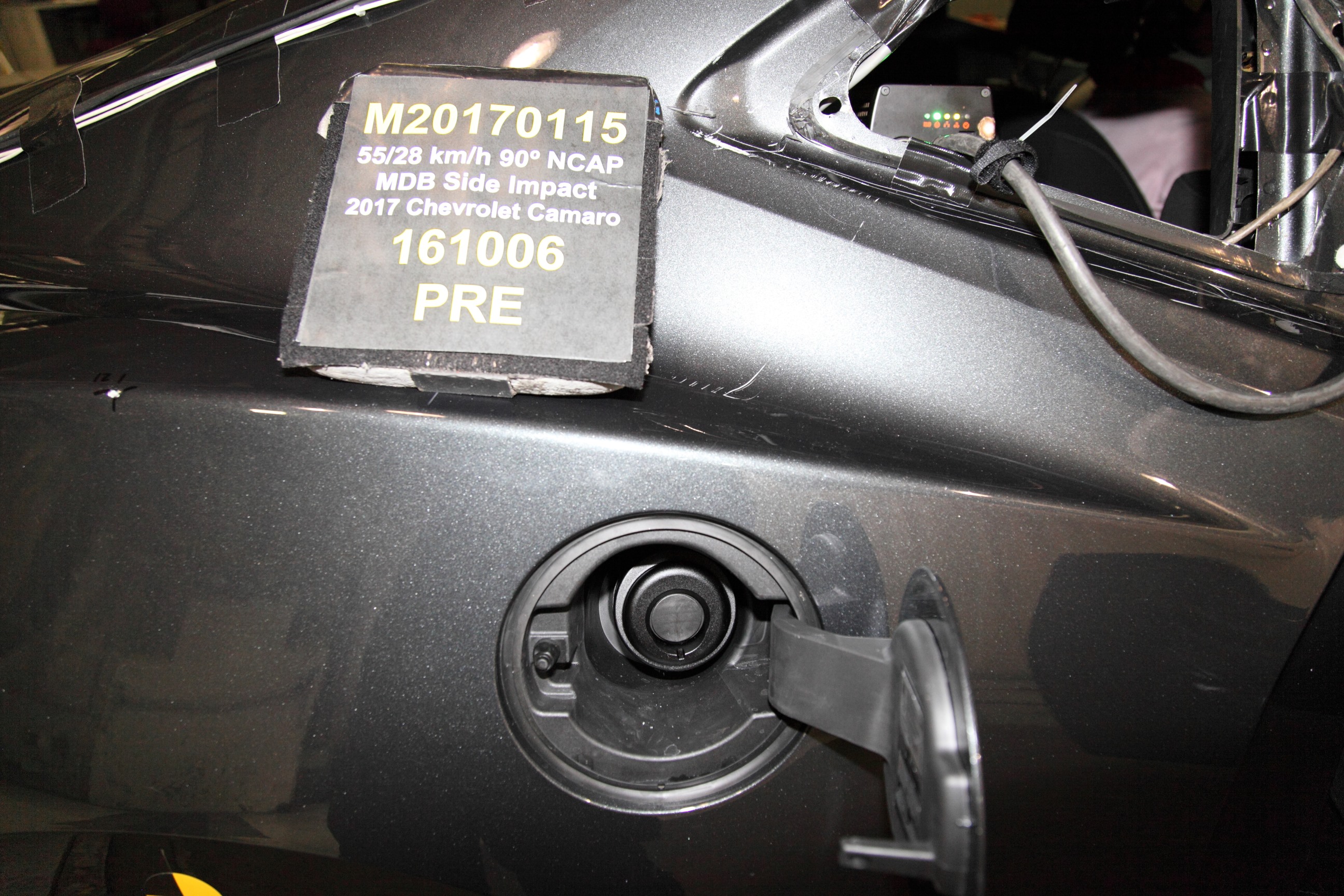
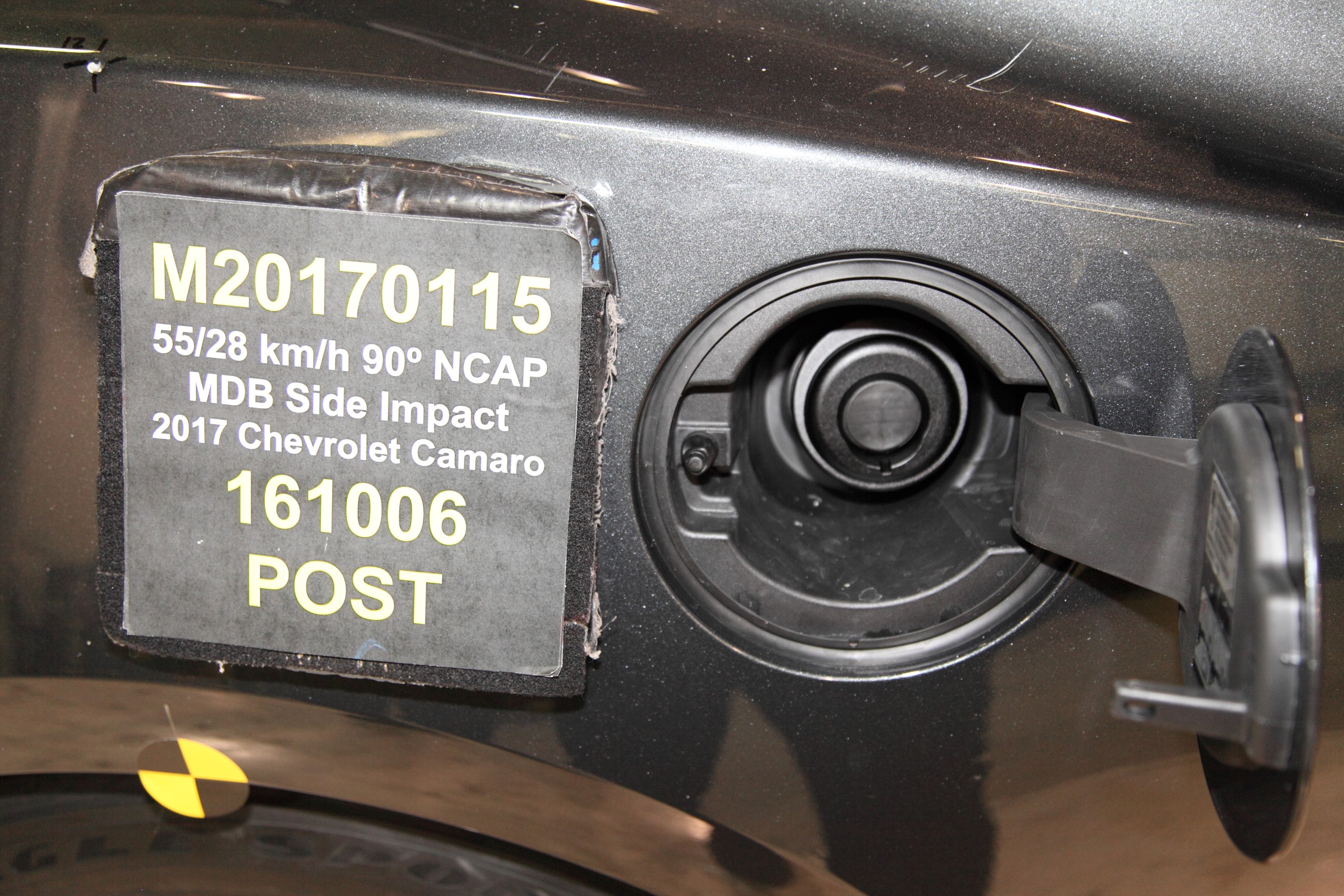
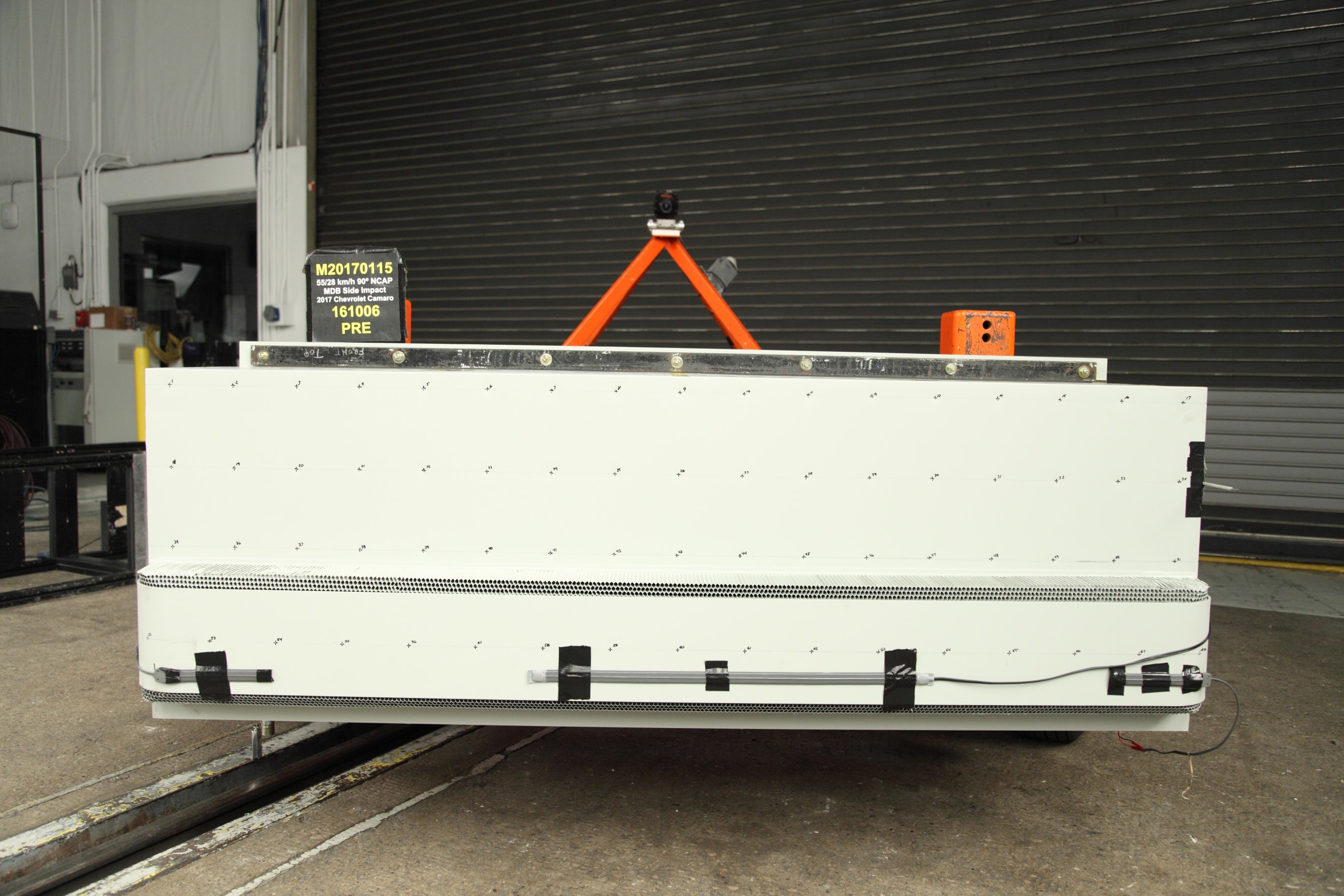
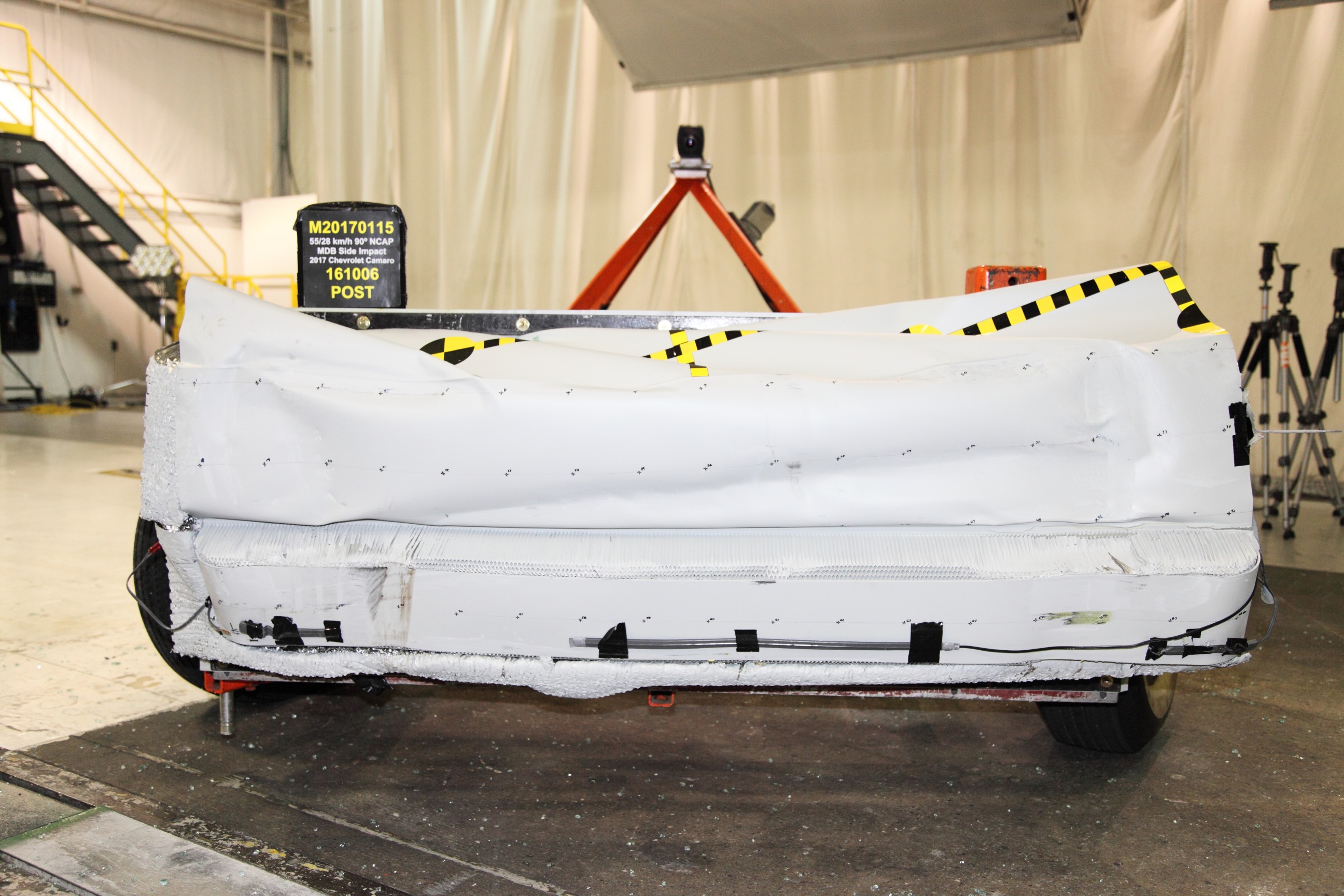
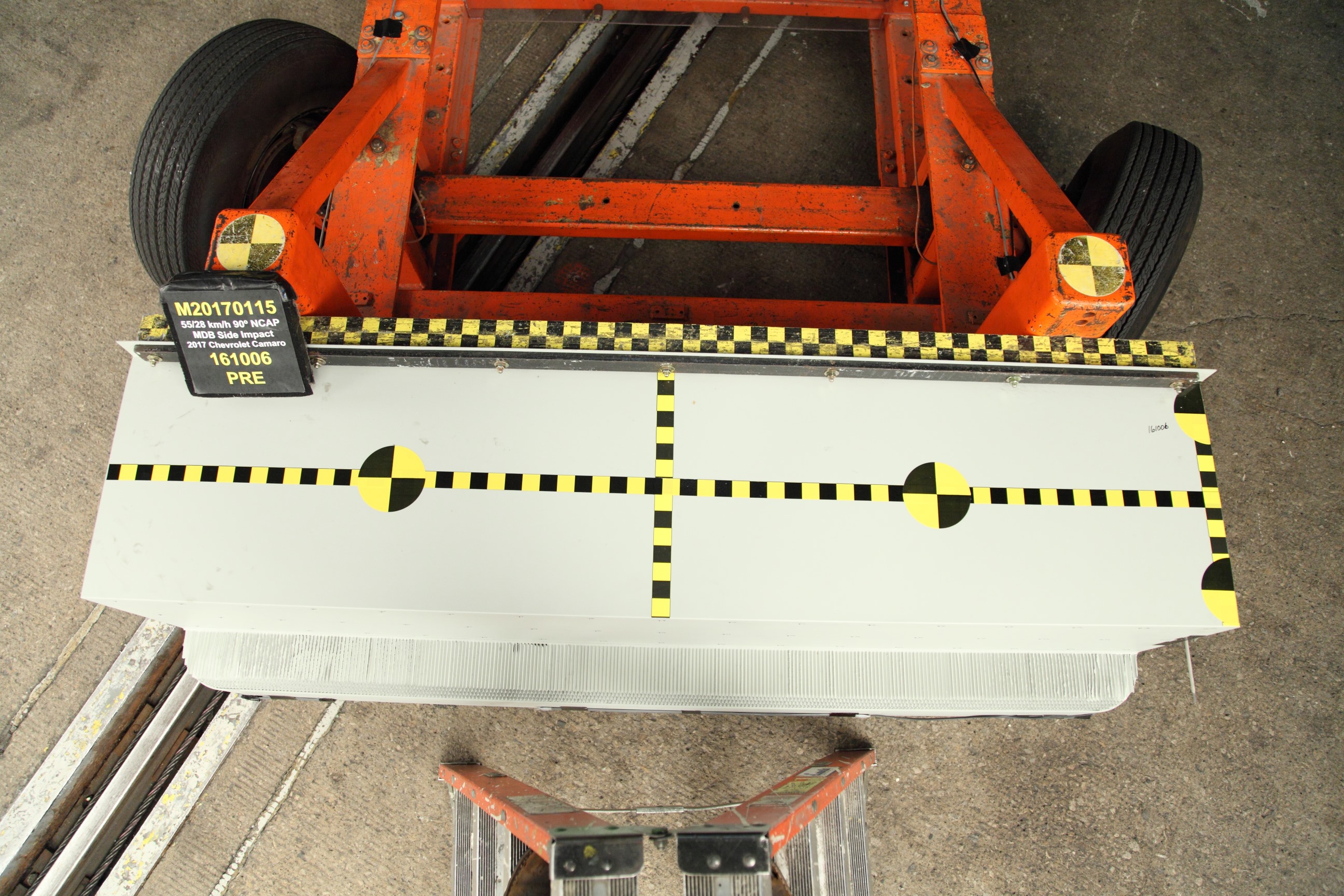
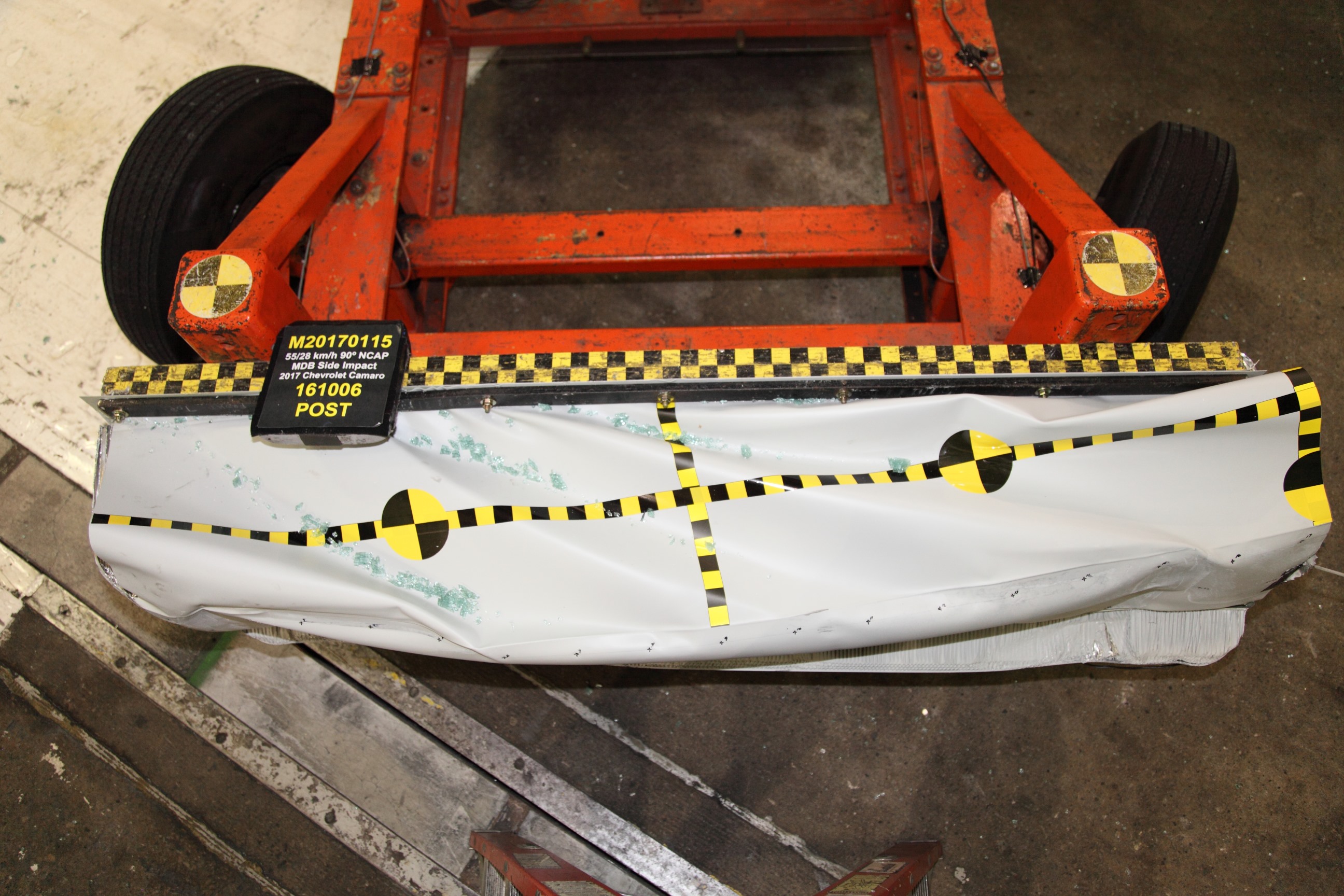
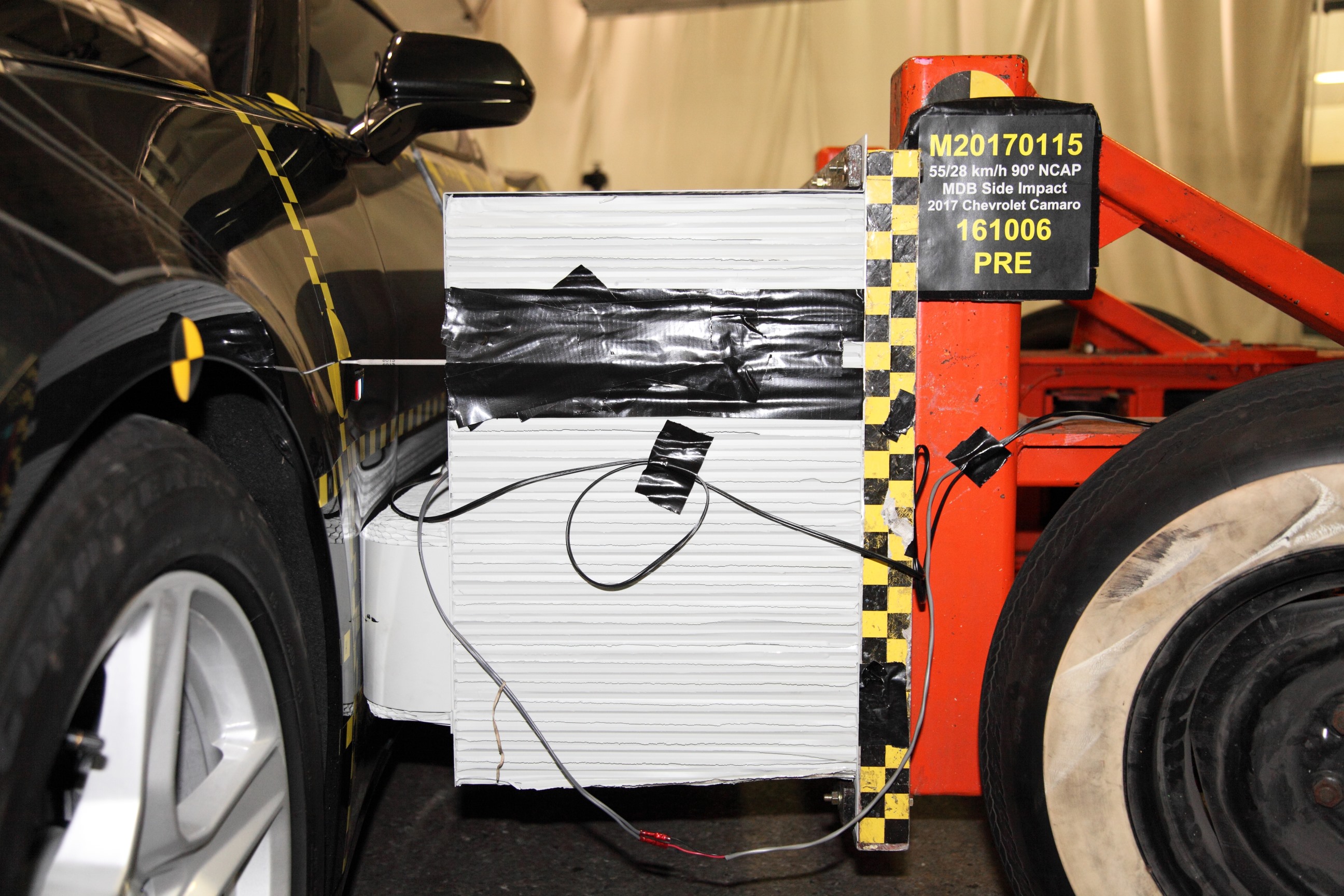
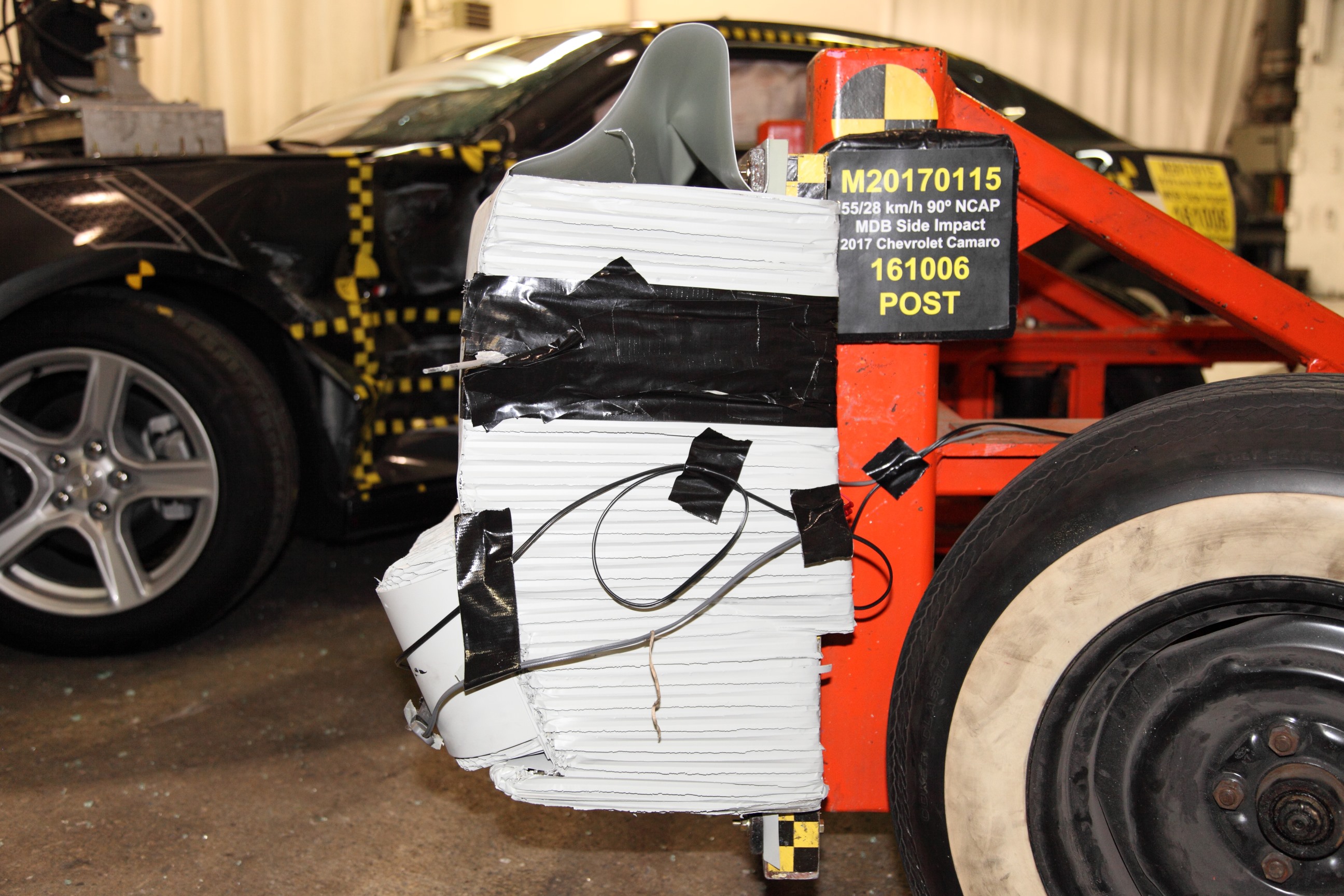
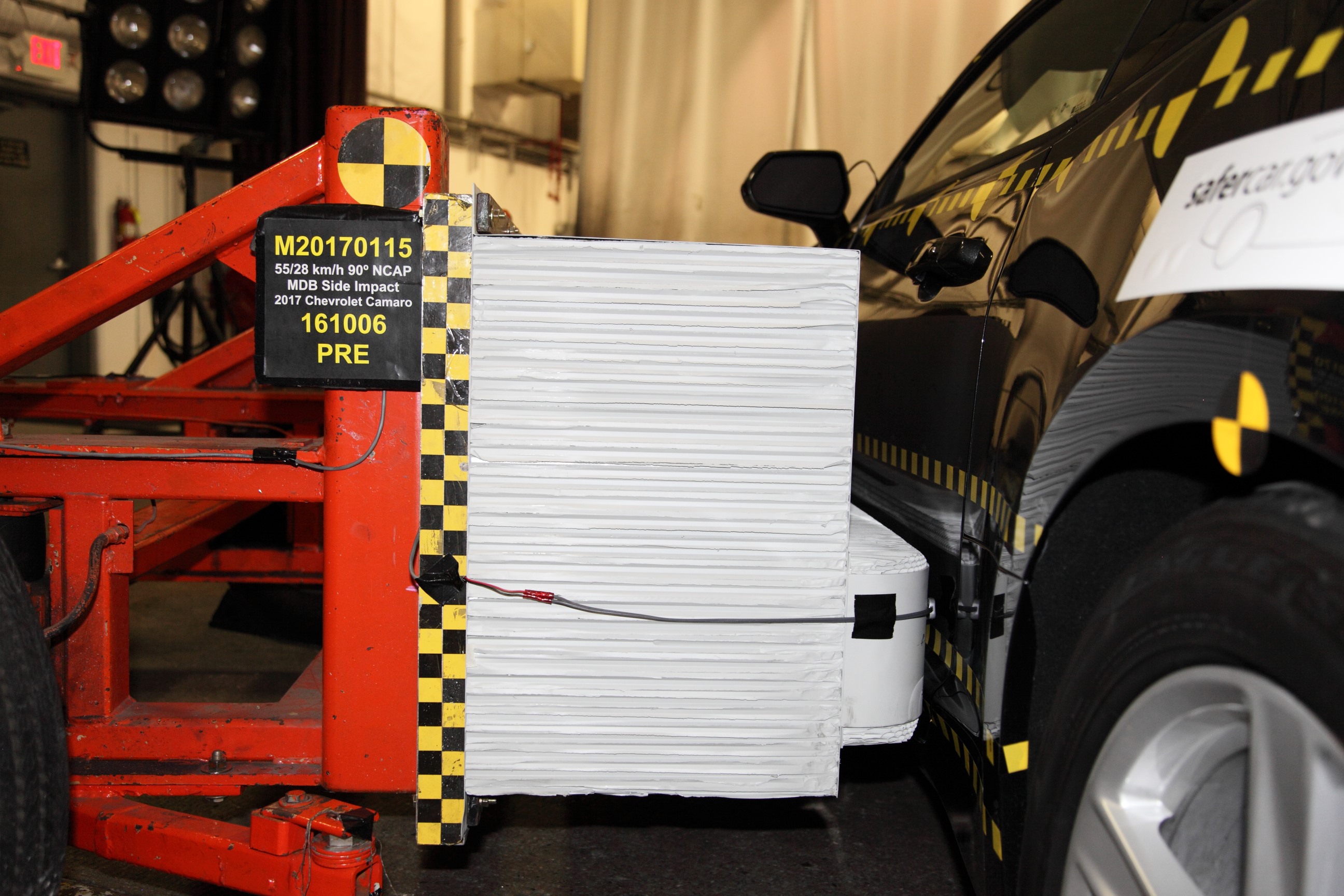
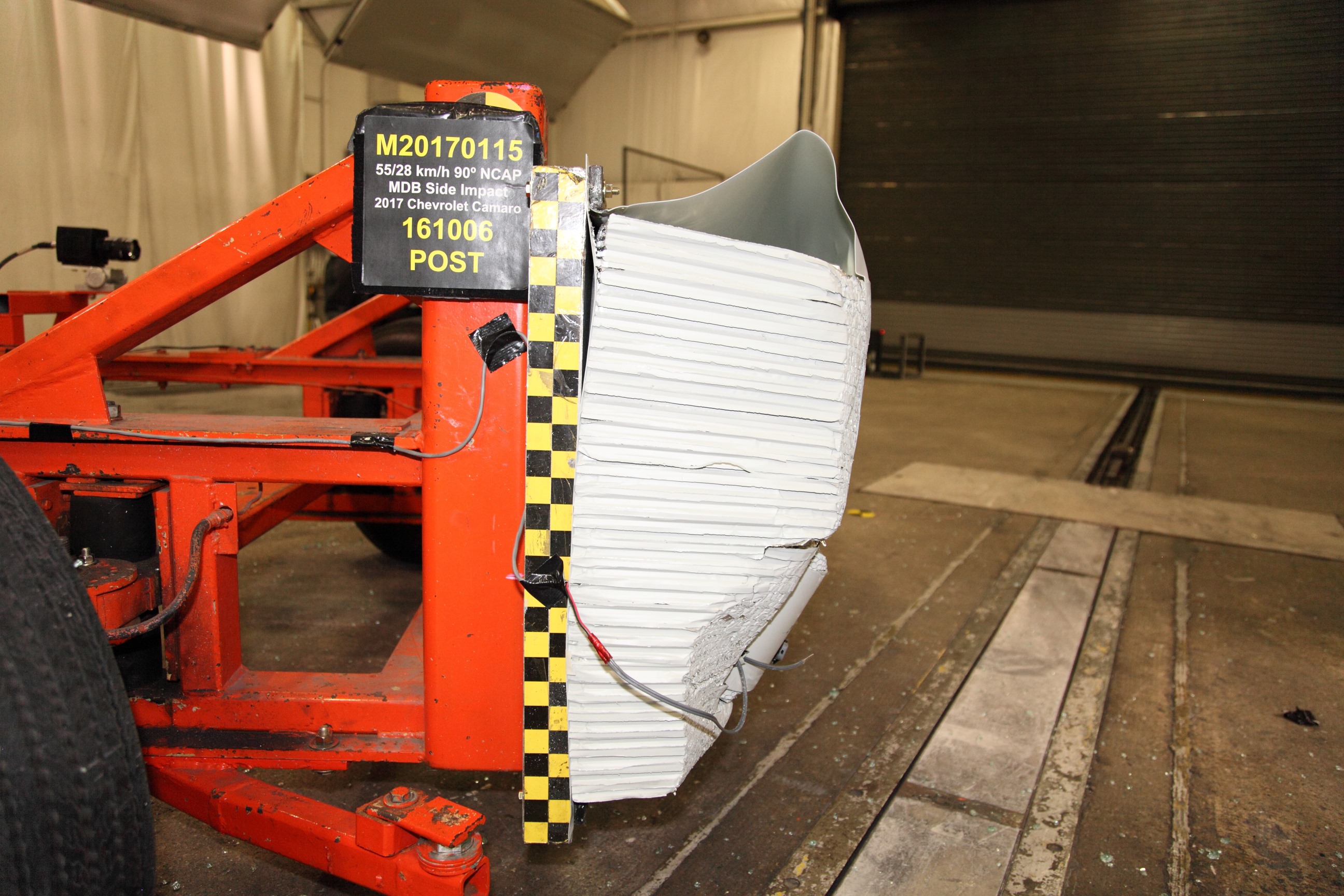
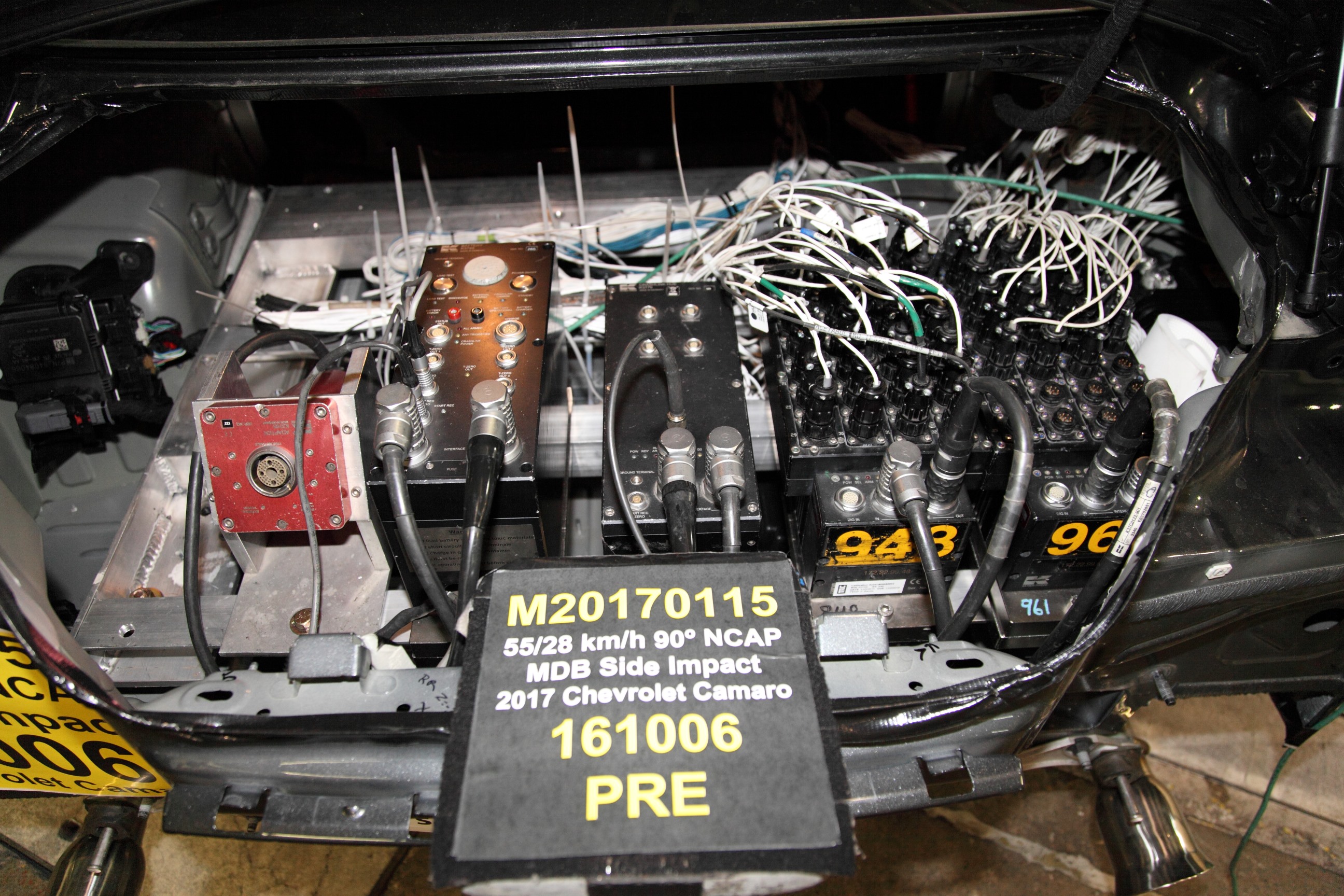
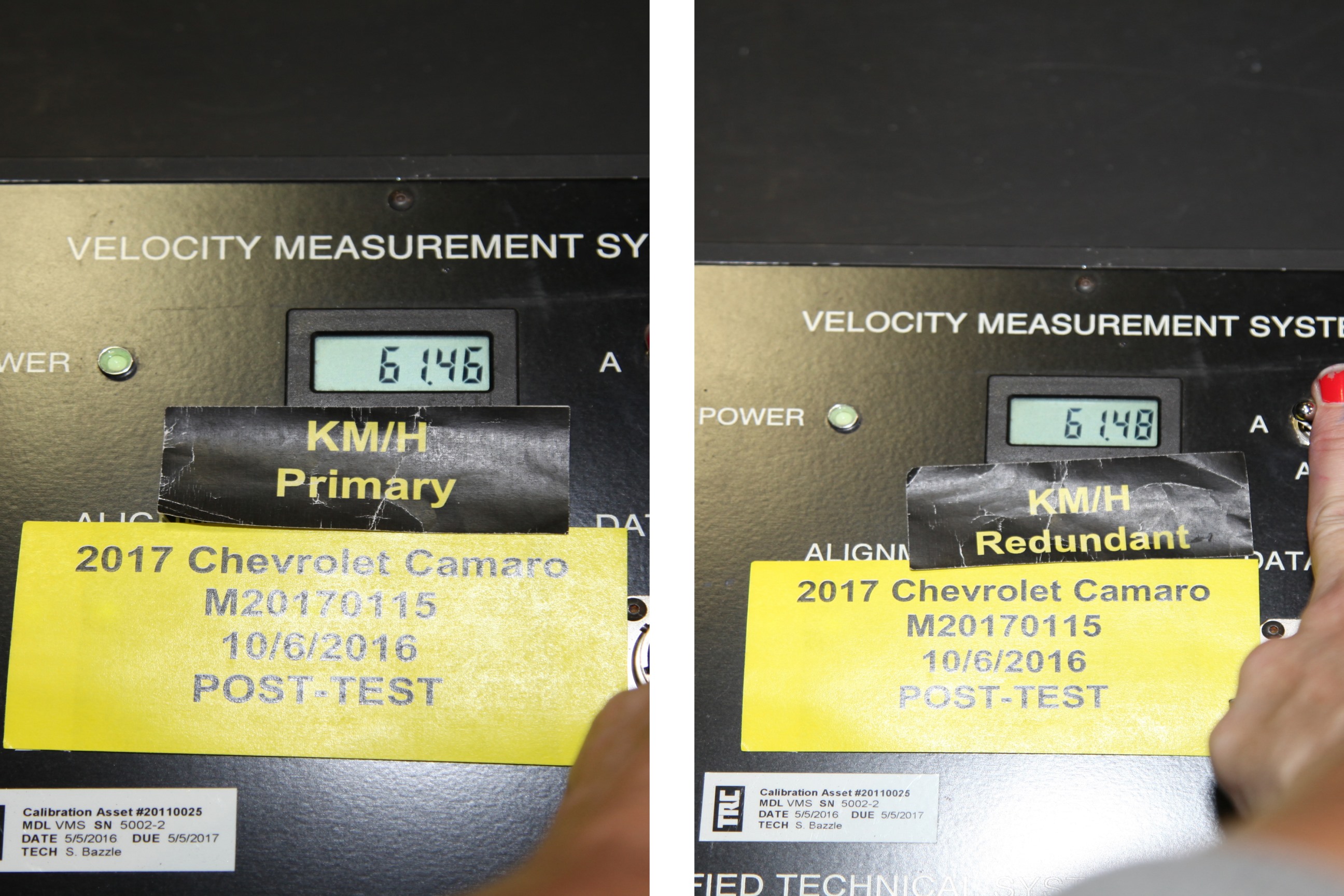
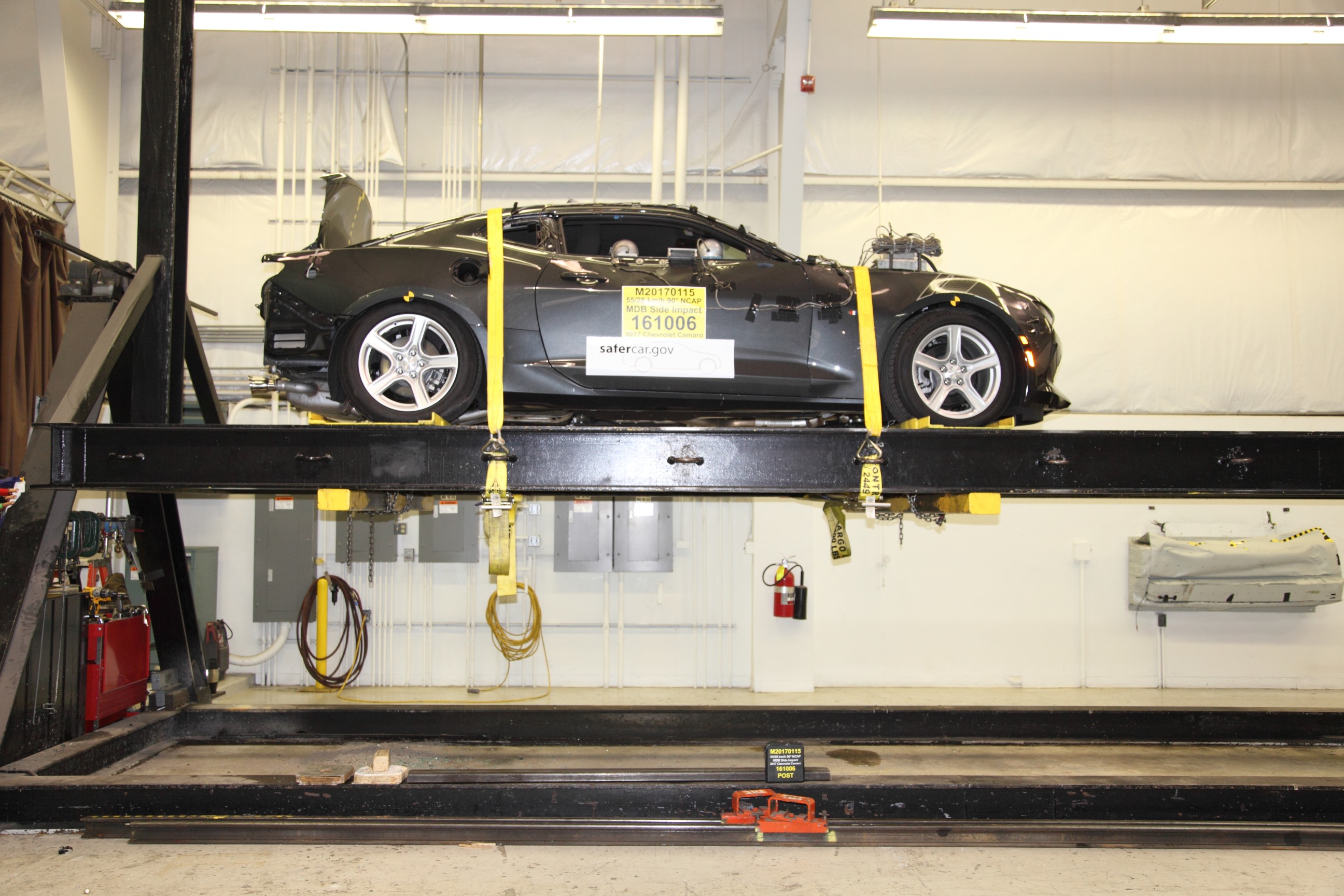
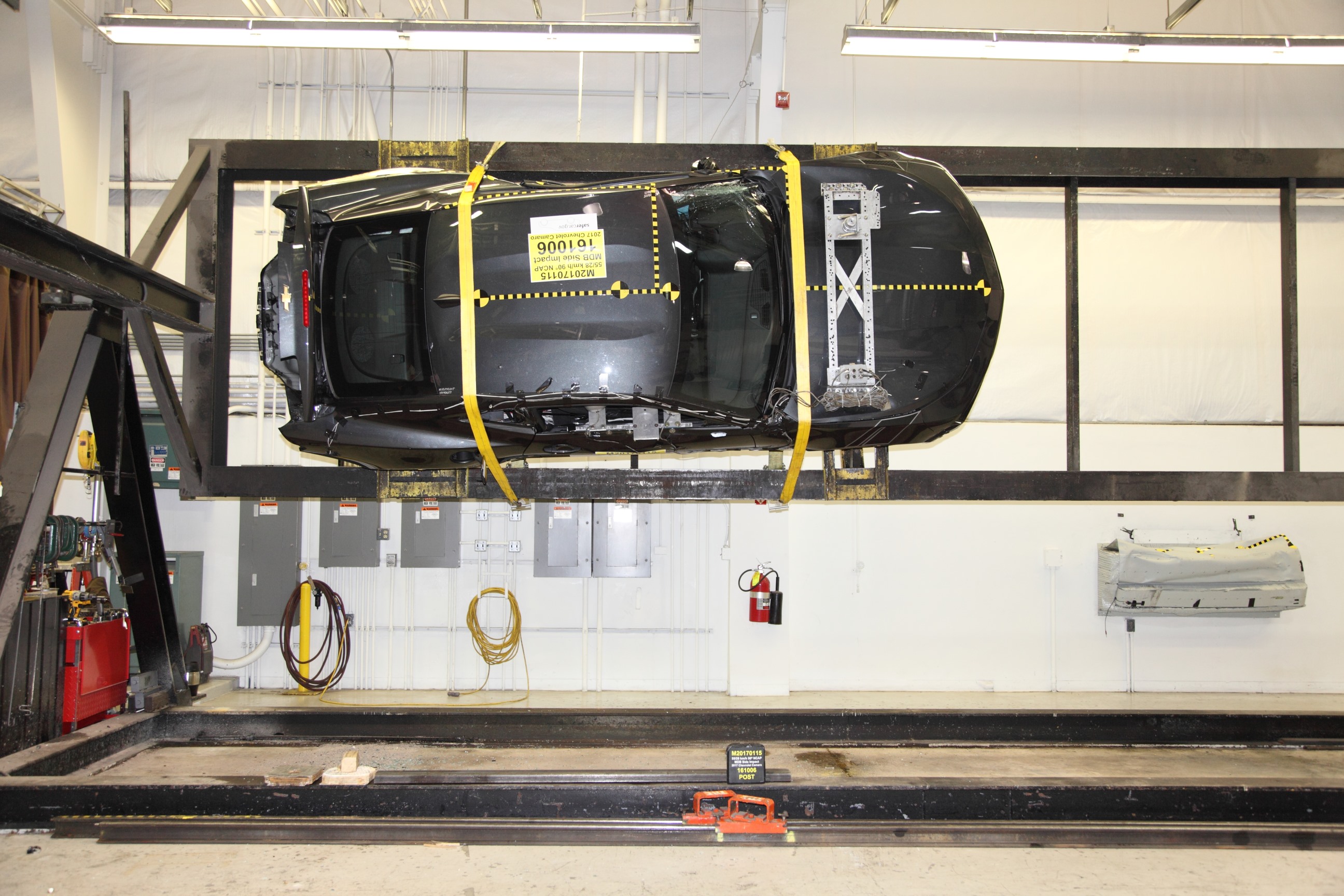
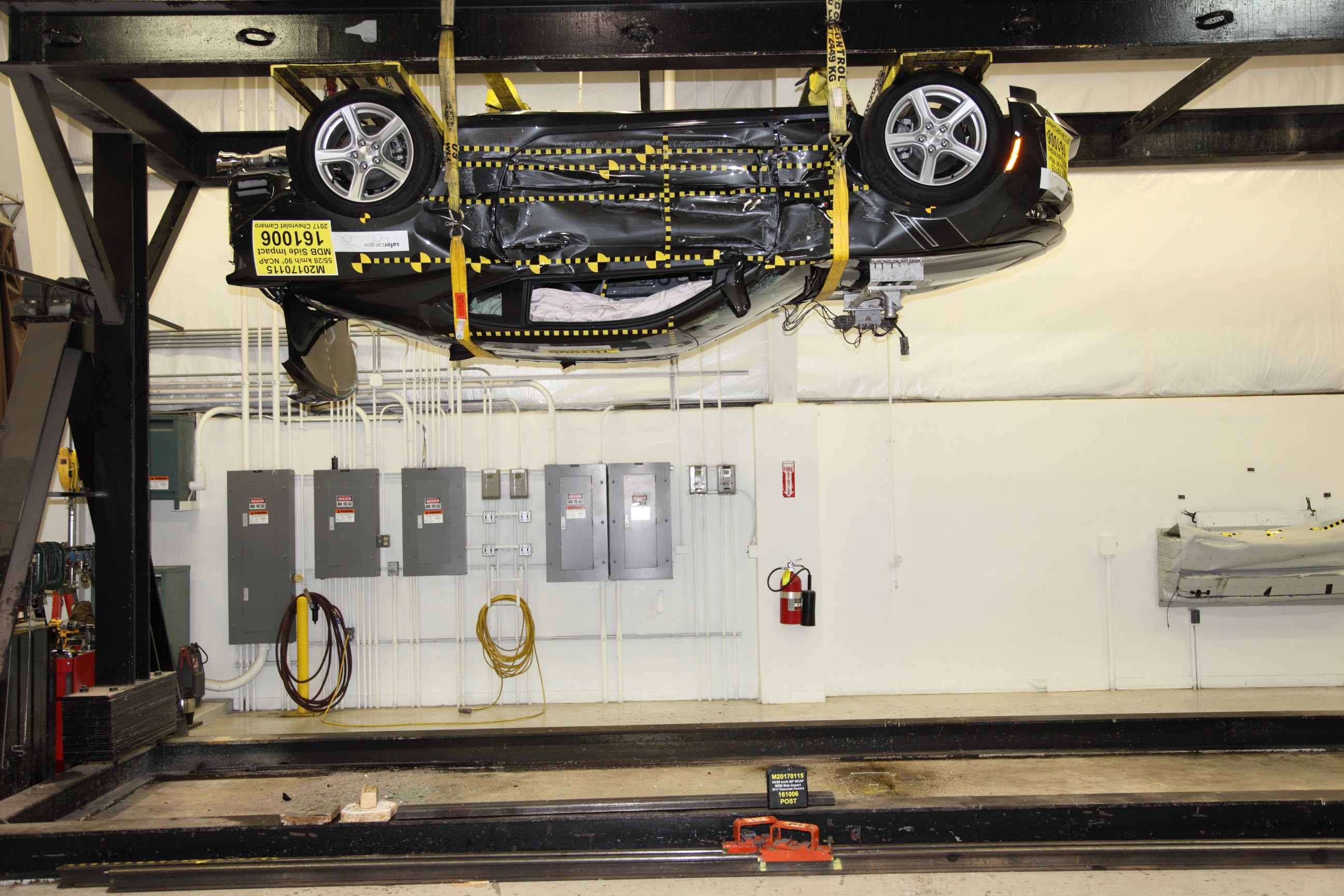
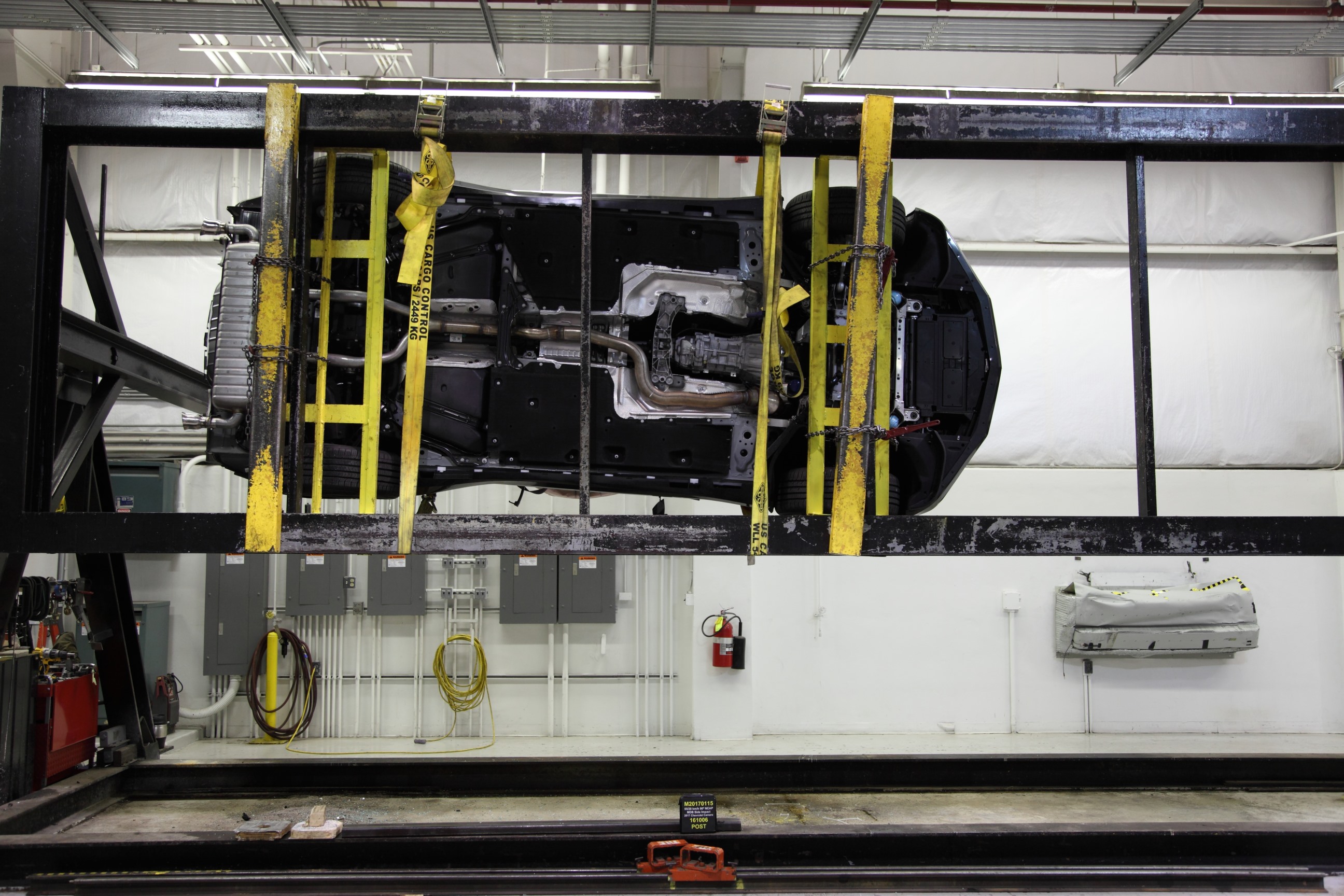
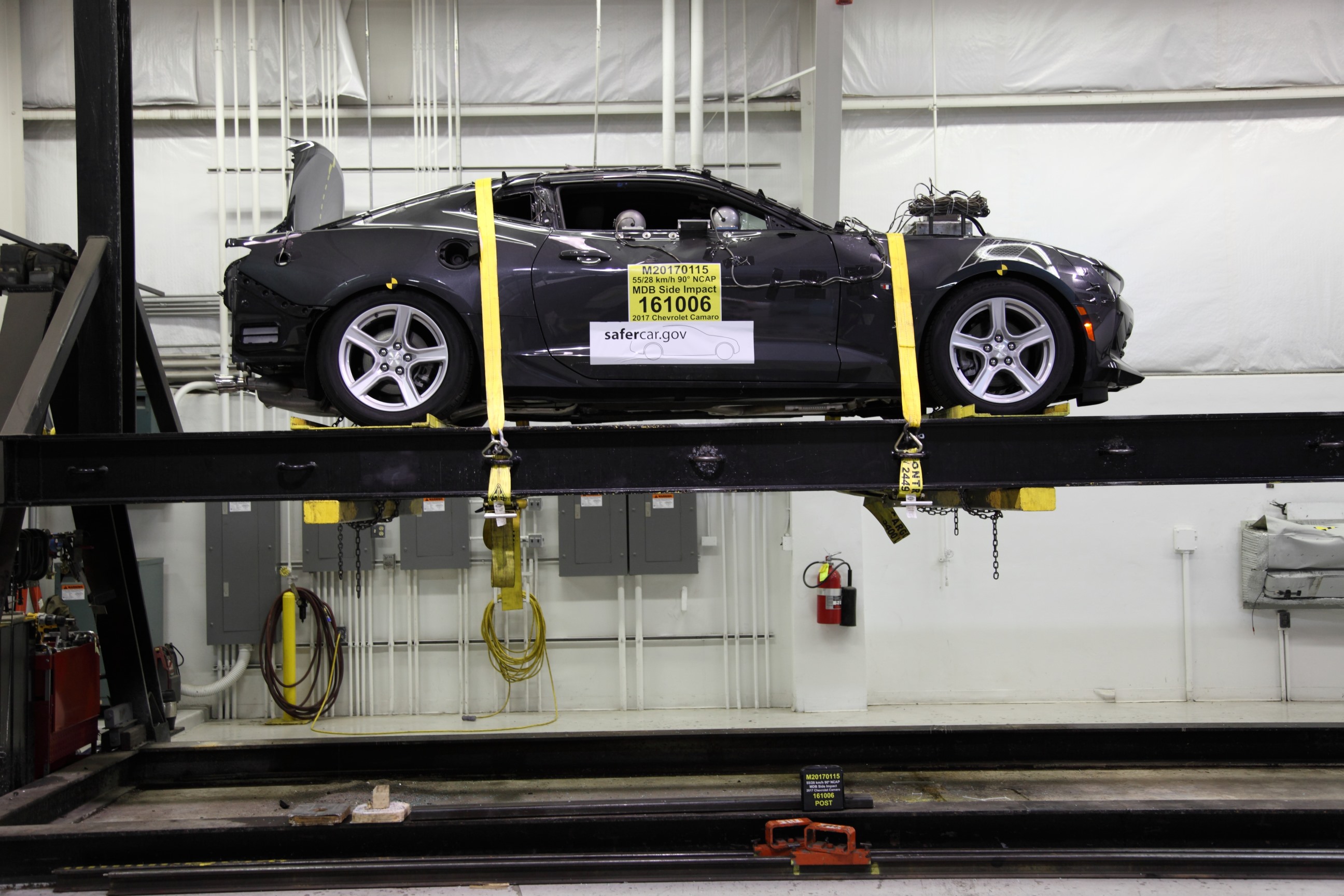
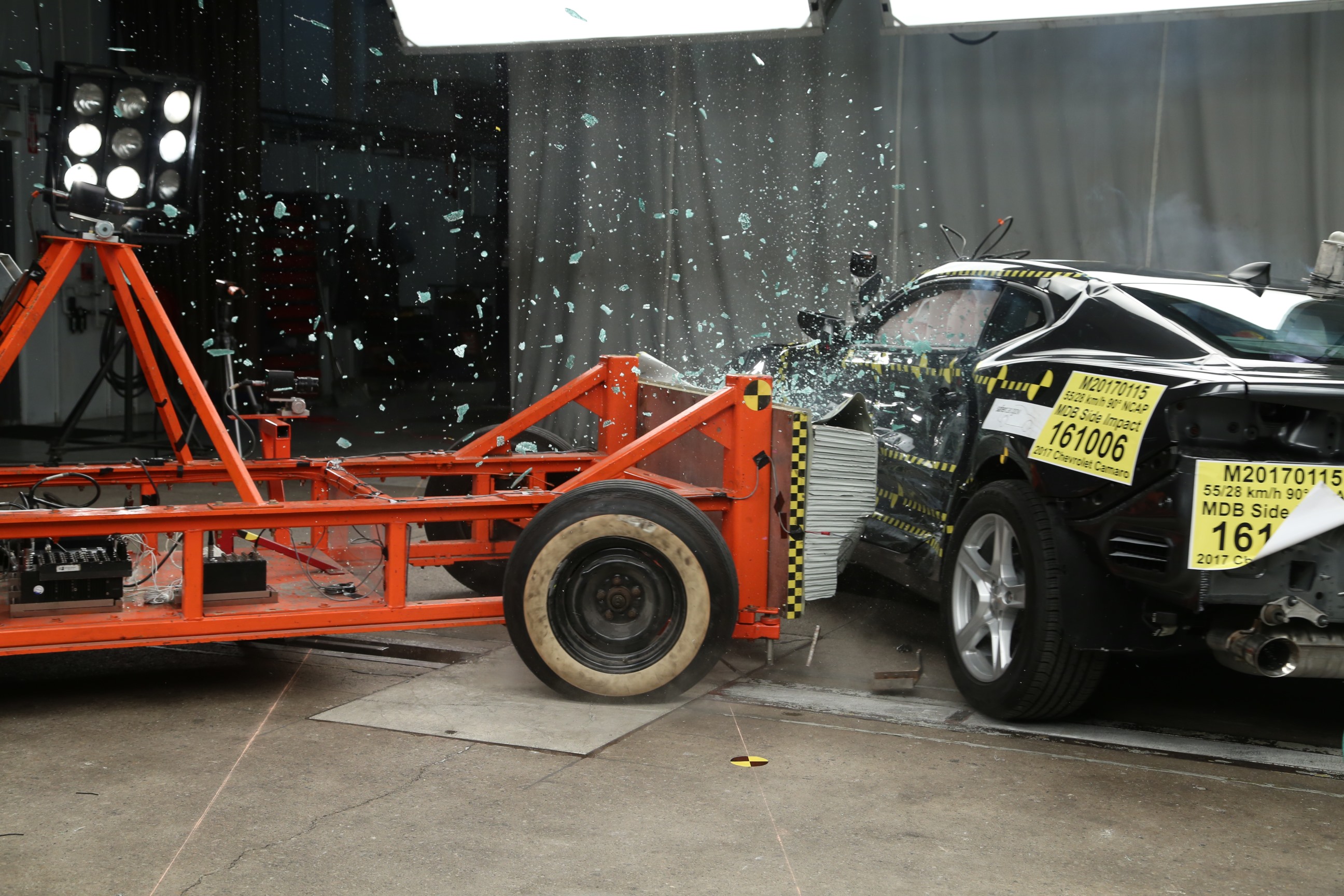


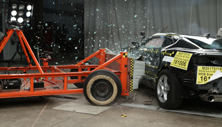
Crash test #3NHTSA test 9969
Full test report (PDF) ↗Crash-test footage is converted for smooth playback the first time someone requests it — usually under a minute.
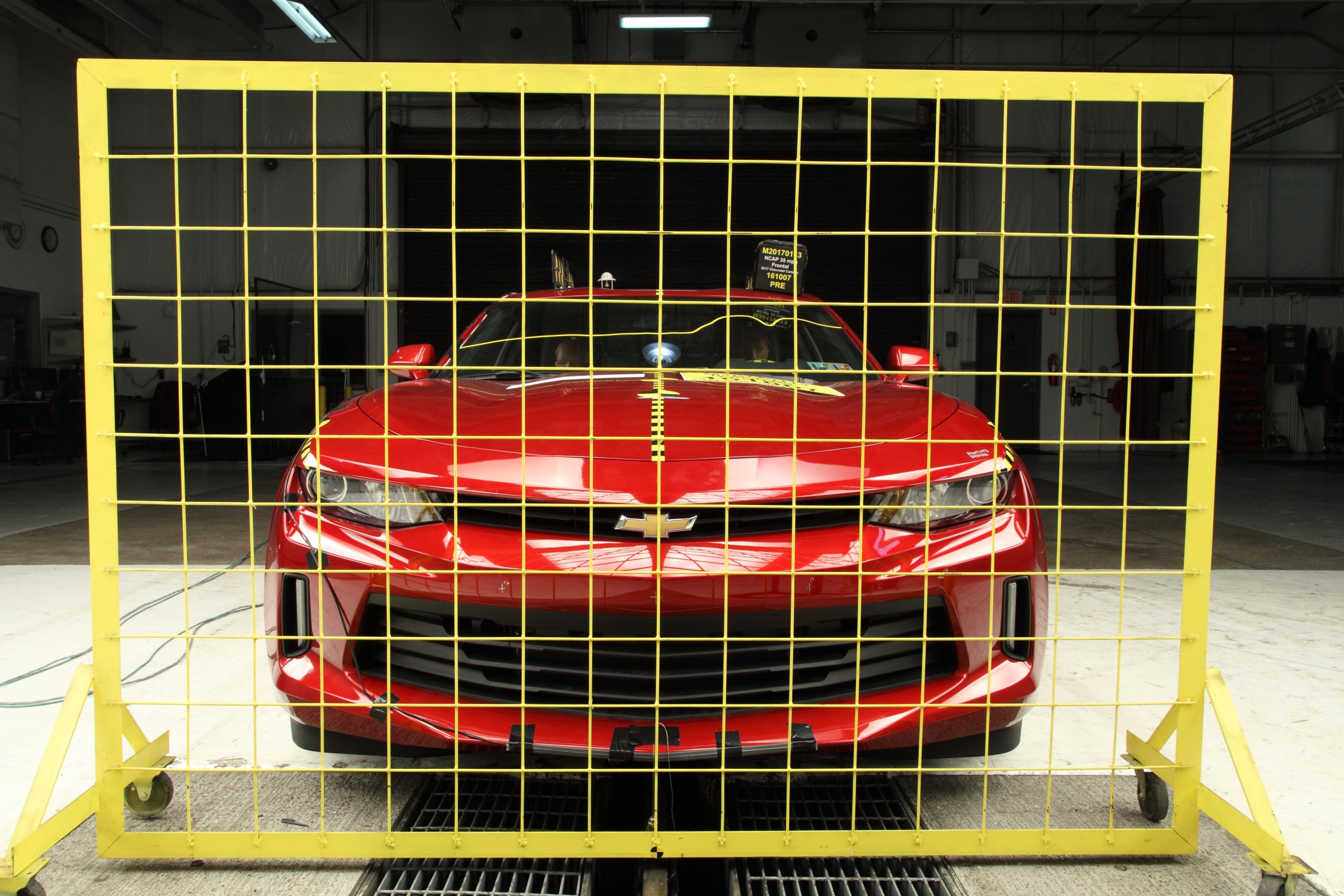
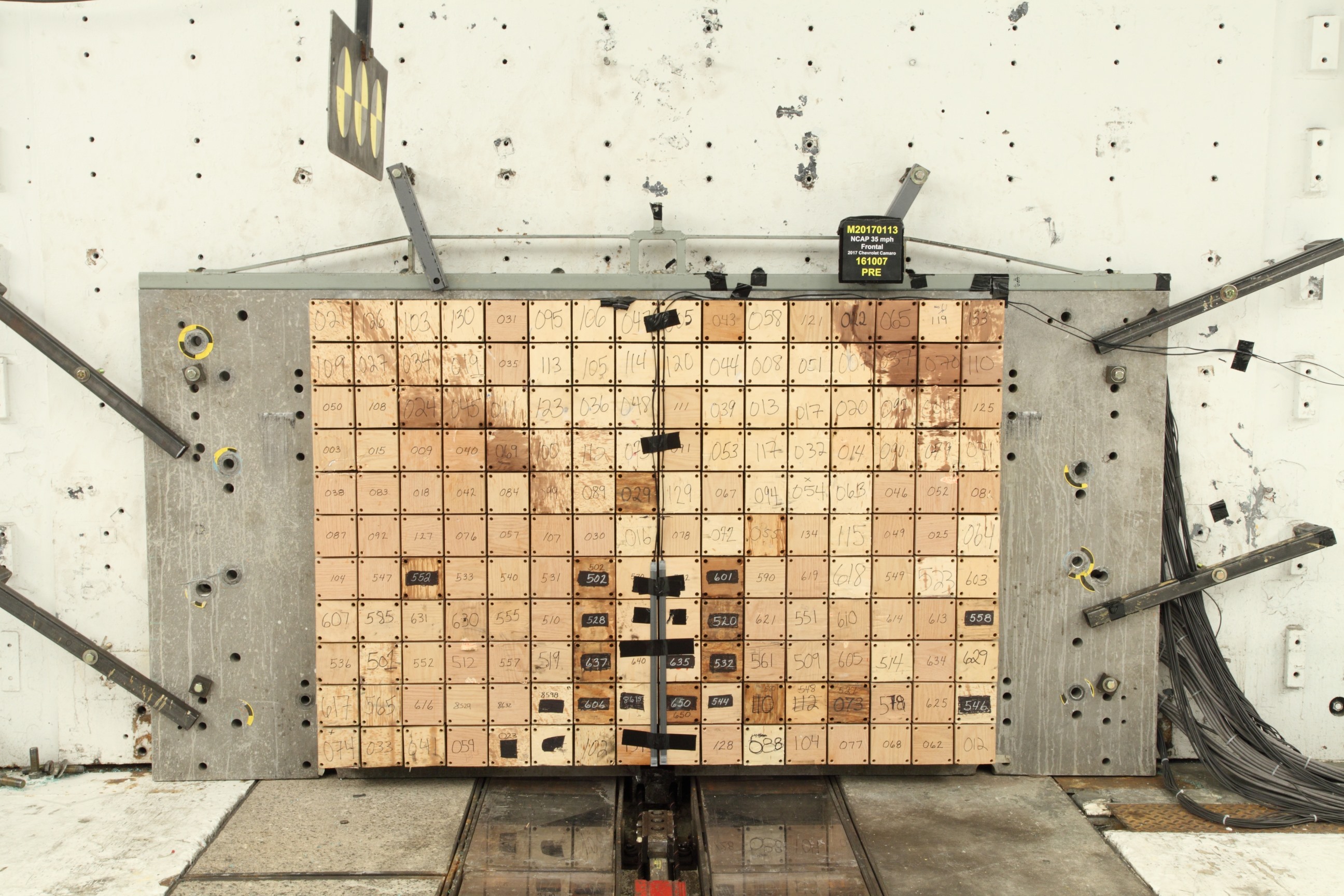
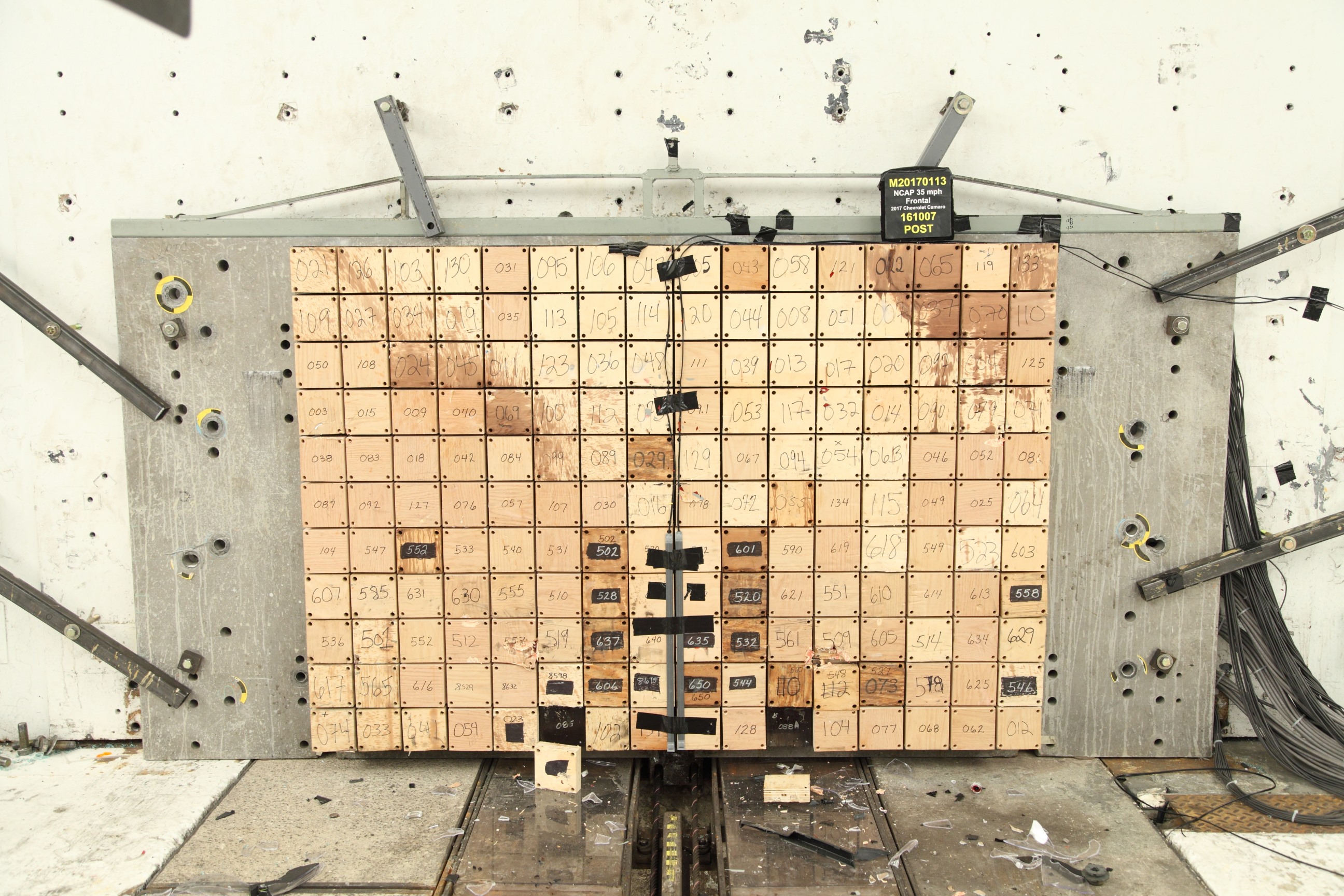





Recalls (4)
- AIR BAGS:FRONTALCampaign 21V211000 · 25/03/2021
General Motors, LLC (GM) is recalling certain 2017-2021 Chevrolet Camaro vehicles. The plastic "Camaro" emblem, located on the steering wheel air bag cover, may separate during deployment of the frontal driver air bag.
Risk: In the event of a crash, plastic pieces of emblem may act as projectiles from deployment of the driver air bag can increase the risk of injury.
Fix: GM will notify owners, and dealers will replace the frontal driver side air bag module, free of charge. The recall began April 14, 2021. Owners may contact Chevrolet customer service at 1-800-222-1020. GM's number for this recall is N212327220.
- SEAT BELTSCampaign 20V811000 · 23/12/2020
General Motors, LLC (GM) is recalling certain 2020 Chevrolet Bolt EV and 2021 GMC Canyon and Sierra 1500, 2500 and 3500, Yukon, Yukon XL, Cadillac Escalade and Escalade ESV and Chevrolet Blazer, Camaro, Colorado, Equinox, Silverado 1500, 2500 and 3500, Suburban and Tahoe vehicles. Incorrect bolts may have been used at one or more fastening locations to secure the seat belts to the vehicle. If an incorrect bolt was used, the seat belt may not be properly attached to the vehicle.
Risk: If a seat belt assembly is not properly attached to the vehicle, the seat belt may not properly restrain an occupant in the event of a crash, increasing the risk of injury.
Fix: GM will notify owners, and dealers will replace the suspect bolts, free of charge. The recall began January 29, 2021. Owners may contact GMC customer service at 1-800-462-8785, Cadillac customer service at 1-800-458-8006, or Chevrolet customer service at 1-800-222-1020. GM's number for this recall is N202322230.
- POWER TRAIN:AXLE ASSEMBLY:AXLE SHAFTCampaign 21V188000 · 18/03/2021
General Motors, LLC (GM) is recalling certain 2021 Chevrolet Camaro vehicles. The left or right axle shaft may be missing a retaining ring, which could allow the axle shaft to separate while driving.
Risk: A separated axle shaft can cause a loss of drive power, increasing the risk of a crash.
Fix: GM will notify owners, and dealers will replace the left or right axle shaft as necessary, free of charge. The recall began April 21, 2021. Owners may contact Chevrolet customer service at 1-800-222-1020. GM's number for this recall is N212331000.
- POWER TRAIN:AUTOMATIC TRANSMISSIONCampaign 25V148000 · 06/03/2025
General Motors LLC (GM) is recalling certain 2019-2020 Cadillac CT6, 2020-2021 CT4, CT5, and 2020-2022 Chevrolet Camaro vehicles equipped with a 10-speed transmission. The transmission may become damaged internally and cause the wheels to lock-up.
Risk: Wheel lock-up while driving increases the risk of a crash.
Fix: Dealers will install transmission control module monitoring software, free of charge. Owner notification letters were mailed April 7, 2025. Owners may contact Cadillac customer service at 1-800-333-4223 or Chevrolet customer service at 1-800-222-1020. GM's number for this recall is N242480630.
Owner complaints
Most-reported areas
- POWER TRAIN8
- ENGINE3
- UNKNOWN OR OTHER3
- ELECTRICAL SYSTEM2
- FUEL/PROPULSION SYSTEM2
- FUEL SYSTEM2
- GASOLINE2
- VEHICLE SPEED CONTROL1
Read individual complaints (17 most recent)
These are unverified consumer reports filed with NHTSA, shown as submitted.
- 12/18/2025· POWER TRAIN
The failure involves the powertrain, specifically the 10-speed automatic transmission and its internal Transmission Control Valve (TCV) located within the valve body. The transmission has failed, and a GM dealership determined that the entire transmission requires replacement. The vehicle is currently inoperable, and the transmission is available for inspection upon request. My safety was put at risk due to abnormal transmission behavior. GM issued a recall for this vehicle related to excessive wear of the Transmission Control Valve, which can cause abnormal downshifting and, in some cases, wheel lock-up during downshifts. Sudden or unintended downshifting at speed presents a serious safety risk to the driver and others on the road. The failure has been confirmed by an authorized GM dealership, which diagnosed the transmission failure and stated that a full replacement is required. The vehicle has been inspected by the dealership, and the recall remedy was performed in July 2025. The recall consisted of a software update to monitor excessive TCV wear, not a mechanical repair. Prior to the complete failure, there were repeated warning signs, including check engine warning lights. The vehicle was brought to the dealership multiple times in March and April 2025 for check engine warnings. After the recall software was installed in July 2025, the vehicle was serviced again in September 2025 with no issues noted at that time. The check engine light returned in November 2025, and on November 11, 2025, the transmission failed completely, rendering the vehicle unsafe to drive. Despite proper maintenance and multiple service visits addressing warning indicators, the transmission failed prematurely at approximately 74,000 miles. Given the known recall related to excessive TCV wear and the nature of the failure, this appears to be a defect-related powertrain failure rather than normal wear and tear.
- 11/24/2025· POWER TRAIN
My 2021 Chevrolet Camaro has experienced repeated transmission-related issues and has now suffered a complete transmission failure at approximately 74,000 miles. GM previously performed the Transmission Control Valve (TCV) recall on my vehicle, but the recall was only a software update to monitor for excessive valve wear. It was not a repair. The recall notice states that excessive TCV wear can affect hydraulic pressure, torque converter lockup, and downshifting behavior, and GM created software to continuously monitor for this excessive wear to prevent a potential wheel-lock condition. Despite this, my transmission has continued to have problems. In March 2025 I brought the vehicle in for a check engine light, and again in April 2025 for additional transmission-related issues. The service history does not clearly state what repairs were performed, only that transmission service was done. We have brought the vehicle in multiple times for check engine lights and for all recall updates.In Nov 2025, the transmission began to fail completely. The dealership has now advised that the entire transmission needs to be replaced. A transmission does not require full replacement unless significant internal wear or component failure has occurred. Excessive internal wear is the exact condition the recall software is designed to monitor for. GM has stated there are “no known failures after the recall,” but my case clearly contradicts that. The recall was primarily aimed at preventing a lock-up safety event, not mechanical deterioration. Excessive TCV wear can still cause progressive internal transmission damage over time, even after the recall software is installed. This failure affects the safe operation of the vehicle, including loss of power, unpredictable shifting, and potential inability to accelerate. GM is refusing to fully cover the repair and is only offering partial goodwill coverage despite the failure of the excessive wear condition identified in the recall.
- 11/08/2021· ENGINE
there is a burning oil smell, that is so pungent it causes nausea and burning of the eyes when driving the vehicle. have taken it to 2 separate dealerships, the first told me they could not find an oil leak and i would have to deal with it. the second dealership stated that it is a valve on the back of the motor and that there is nothing they can do about it. i was told not to roll down the windows and to leave recirculate on. called and spoke to gm directly and they state take it to a third dealer and they denied my request to send a master tech to check the vehicle. i am left with driving a car that leave me nauseated and is a possible hazard to drive.
- 11/07/2022· ELECTRICAL SYSTEM,UNKNOWN OR OTHER
WHEN OPERATING THE CAR IT BEGAN TO SLOW DOWN. ONCE I APPROACHED A STOP THE CAR ENGINE SHUT OFF. AFTER A FEW MINUTES I WAS ABLE TO START AGAIN. AFTER I DROVE THROUGH THE LIGHT AND PROCEEDED HOME ABOUT 2 MILES AWAY FROM THE INITIAL STOP, THE CAR SHUT OFF AGAIN. IT WAS SENT TO VANDERGRIFF CHEVROLET IN ARLINGTON, TEXAS AND THE ISSUE THEY SAID HAD SOMETHING TO DO WITH A CAM MAGNET- THIS WAS NOV 2021. TODAY- NOVEMBER 7 2022 THE SAME THING HAPPENED AS I WAS HEADED TO THE STORE. I DROPPED THE CAR OFF YET AGAIN FOR REPAIR. THE SERVICE ADVISORS DIDN'T KNOW HOW TO FIX IT AND HAD THE CAR FOR TWO WEEKS. THEY EXPECT TO HAVE IT FOR ANOTHER WEEK TO ASSESS AND DIAGNOSE THE PROBLEM BUT THE FACT THAT THE CAR HAS SHUT OFF MORE THAN 3 TIMES IS UNSAFE.
- 11/01/2025· ENGINE
The coolant thermostat is not working correctly and could possibly cause you to damage your car due to it not being the right operating temperature or over the normal operating temperature because it goes down into the 130 while I drive and goes up when I start slowing down.
- 09/03/2026· POWER TRAIN
The contact owns a 2021 Chevrolet Camaro. The contact stated that while driving at an undisclosed speed, the wheels locked up and the vehicle stopped abruptly. There was no warning light illuminated. The vehicle lost electric power and shut off. The vehicle was restarted. The contact attributed the failure to the internal transmission control valve (TCV). The contact stated that the vehicle was previously repaired under NHTSA Campaign Number: 25V148000 (Power Train). The vehicle stalled on several occasions while driving. The contact initially dismissed the intermittent stalling because the vehicle temporarily returned to normal operation. The contact stated that the check engine light occasionally illuminated, and the vehicle was taken to an independent mechanic where it was diagnosed with transmission control module failure. The vehicle restarted independently, and the code was erased. The manufacturer was notified of the failure. The vehicle was not repaired. The contact was informed that the transmission needed to be replaced.
- 08/29/2025· VEHICLE SPEED CONTROL,UNKNOWN OR OTHER,FUEL/PROPULSION SYSTEM
* Initial Transmission Failure: -In February 2025 my vehicle began experiencing severe and rough shifting, which was quickly followed by a "Check Engine" light. I immediately took the vehicle to dealer for inspection. * Dealer Diagnosis and Repair: -The dealership diagnosed the issue as a worn-out transmission solenoid and valve body. They informed me that they had to install a newly redesigned valve body and replace the solenoid. The repair was completed at my expense, and I paid approximately [$3000]. The dealership had my car for over six weeks, during which I was not provided a courtesy vehicle. As a result, I incurred thousands of dollars in rental car fees. * Denied Reimbursement Claim: -The recall notice included information about reimbursement for out-of-pocket expenses. I was told by the dealership's service advisor that I would receive a reimbursement form, which I did. I meticulously filled out the form and submitted it with all the required documentation, including my repair invoice and proof of payment. The dealership rejected my claim, stating that my specific repair was not covered by the recall and that the recall was only for a software update. This is demonstrably false, as the recall notice itself links the software issue to premature component wear, exactly what I experienced. * Ongoing Safety Concerns: -To make matters worse, I am now experiencing new transmission issues, including slipping, just months after the "repair." I am terrified to take the vehicle back to the dealership, knowing I may have to pay thousands more for rental cars and another repair that may not even solve the problem. I am concerned for my safety and the safety of others on the road, as a failing transmission can pose a serious hazard. I am requesting that the NHTSA investigate this matter. It appears that GM and its dealerships are misleading consumers and failing to honor their responsibility to reimburse owners for expenses directly caused by a known defect.
- 07/08/2026· POWER TRAIN
On XXX my 2021 Camaro developed excessive transmission whine and intermittent harsh shifts. Capital Buick GMC ([XXX]) diagnosed “worn internal fluid pump” and quoted $8,263.46 for complete transmission replacement. This vehicle is subject to NHTSA Recall 25V148 (GM N242480630) for 2020-2022 Camaro 10-speed transmissions where the control valve “may be susceptible to excess wear… causing harsh shifting” and potential wheel lock-up. GM TSB 22-NA-232 also specifically lists pump noise as a known diagnostic condition for this transmission. Despite the recall, the dealer attributes my failure to internal pump wear and GM has denied warranty coverage, offering only 25% goodwill. This is the 5th major powertrain failure on this vehicle in 32k miles (engine replaced at 45,172 mi, cylinder head replaced after 36 days out of service in 2025). I am reporting because a worn pump causing pressure loss is the exact failure mode described in the recall, and presents a safety risk of sudden loss of propulsion. INFORMATION REDACTED PURSUANT TO THE FREEDOM OF INFORMATION ACT (FOIA), 5 U.S.C. 552(B)(6)
- 06/29/2026· POWER TRAIN
I own a 2021 Chevrolet Camaro SS equipped with an automatic transmission. Before the recall for “Momentary Wheel Lock-Up” was performed, my vehicle began experiencing harsh shifting, harsh engagement into Drive and Reverse, and the transmission would occasionally lock up while backing up, making it feel like the brakes were suddenly applied. On one occasion, the vehicle also attempted to move forward while still in Park. I brought the vehicle to a Chevrolet dealership because these symptoms were similar to the recall description. The dealership completed the recall software update, but the symptoms did not improve. The dealer later diagnosed the vehicle as needing a complete transmission replacement due to internal transmission damage and stated that the failure was not related to the recall. The dealership recommended replacing the transmission at my expense. My concern is that the safety-related symptoms existed before the recall repair, continued after the recall was completed, and still create a potential safety hazard. The vehicle can unexpectedly engage harshly, lock up in reverse, and behave unpredictably during low-speed maneuvering. I am submitting this complaint because I believe the recall remedy did not resolve the safety concern, and I would like NHTSA to review whether the recall adequately addresses this condition
- 06/23/2025· POWER TRAIN
The contact owns a 2021 Chevrolet Camaro. The contact stated while driving at an undisclosed speed, the vehicle briefly jerked and jolted before returning to normal functionality. The contact stated that the failure became a regular occurrence. No warning lights were illuminated. The vehicle was taken to the dealer, who determined that a software update was needed. The vehicle was repaired, but the failure reoccurred. After investigating the failure, the contact related the failure to NHTSA Campaign Number: 25V148000 (Power Train); the VIN was included, but the vehicle was already repaired under the recall. The manufacturer was not notified of the failure. The failure mileage was 80,000.
- 05/13/2026· FUEL SYSTEM, GASOLINE
The contact owns a 2021 Chevrolet Camaro. The contact stated that while driving on several occasions at various speeds, the vehicle lost power and did not accelerate as intended intermittently and began to shake. The contact added that on some occasions while parked and attempting to start, the vehicle did not start as intended but would eventually start after a few attempts. The vehicle was taken to an independent mechanic who diagnosed a faulty fuel pump power control module. The vehicle was not repaired. The vehicle was then taken to a dealer where it was diagnosed that the fuel pump control module needed to be replaced. The vehicle has not been repaired yet. The contact believes the failure is associated with Manufacturer Recall Number: 252516900. The manufacturer was notified of the failure. The failure mileage was 49,330.
- 04/29/2026· POWER TRAIN,ENGINE,FUEL/PROPULSION SYSTEM
Dealership replaced all 16 lifters and replaced camshaft. Dealerships repair took 28 days. Repair cost $4k out of my pocket and Chevrolet Corporate covered $4700 due to the know lifter issue with their engines. Within 24 hours & less than 100 miles, vehicle started making new abnormal noise, and the engine shut off and would not start back up. There were no warning lamps, messages or symptoms prior to the dealership’s extensive engine repair. Had it towed back to the dealership. Dealership informed that it was catastrophic engine failure. Cylinder 1 piston connecting rod bearing spun damaging the crankshaft. Stating engine replacement required. Dealership stated that they are not accepting liability. Dealership is also not providing documentation of diagnostics report/ inspection of the failure, as well as documentation and diagnostics on the cause of failure. Dealership stated that they have no explanation as to how the failure occurred. Chevrolet Corporate Customer claims team will not escalate the claim further and will not assist in having dealership provide mandatory documentation that was requested.
- 02/27/2022· AIR BAGSCrash
We were hit perpendicular to the passenger side door of our 2021 Camaro. The side airbag(s) did not go off. The other vehicle was going about 15-20 mph upon impact. The right side of our car was seriously smashed in. Its a good thing the passenger was not killed or injured and this is a law of physics abnormality.
- 02/23/2026· FUEL SYSTEM, GASOLINE
The contact owns a 2021 Chevrolet Camaro. While attempting to start the vehicle, the vehicle failed to start. DTC: P12A6 (Fuel Pump Drive Control Module) failure was retrieved. An independent mechanic was contacted and advised the contact to jump-start the vehicle. The vehicle was then taken to the dealer, but it was not inspected. The contact was informed that the repair was not covered under Manufacturer Communication: N2525169000. The contact was advised to contact the manufacturer for assistance. The manufacturer was made aware of the failure but provided no assistance. Additionally, the repair was not covered under the recall. The failure mileage was approximately 59,000.
- 01/26/2023· UNKNOWN OR OTHER
d
- 01/17/2021· POWER TRAIN
I AM NOTIFYING NHTSA OF THIS INCIDENT FOR THE RECORD. I PURCHASE THIS VEHICLE ON 9/30/2020 ... AFTER 3 SHORT TRIPS TO KEEP FLUIDS MOVING AND THE BATTERY CHARGED DURING THE BREAK IN PERIOD THE CAR HAS BE SETTING UNDER A CAR COVER WITH 426 MILES ON IT. I AGAIN STARTED TO GO FOR A RIDE ON 1/17/2021TO DO ANOTHER BREAK IN RIDE. THE CAR STARTED WELL AND WHEN I PUT IN DRIVE I NOTICED A SHUTTERING AND THE TRANSMISSION INABILITY TO SHIFT SMOOTHLY. AFTER JUST A FEW MILES I NOTICED SHIFTING AND SLIPPING WAS STARTING TO BE MORE FREQUENT SO FOR SAFETY REASONS I BROUGHT THE CAR BACK HOME. WHILE TURNING INTO MY STREET THE CAR TRANSMISSION FAILED AND SLIPPED AND STOPED IN THE MIDDLE OF A TURN JUST NARROWLY AVOIDING AN ACCIDENT. THE TRANSMISSION IS ALL OVER THE PLACE WHEN SHIFTING, ENGAGING AND TAKING OFF. THIS CAR CAN NOT BE DRIVEN SAFELY AT THIS TIME IT IS NOT SAFE AND I FIND OUT THROUGH RESEARCH IT IS AN ONGOING PROBLEM WITH GM WITH LITIGATION IN PROGRESS ON THIS ISSUE. WHY AND HOW CAN GM STILL SELL THESE CARS WITH THIS ISSUE STILL PRESENT. I CAN NOT TAKE A CHANCE WITH THIS CARE AS IS MY LIFE AND THE LIFE OF MY FAMILY DEPENDS ON IT. .THANK YOU IN ADVANCE FOR YOUR ATTENTION AND SUPPORT WITH THIS MATTER.
- 01/04/2021· ELECTRICAL SYSTEM
TL* THE CONTACT OWNS A 2021 CHEVROLET CAMARO EQUIPPED WITH THE HILL START ASSIST FEATURE. THE CONTACT STATED THAT THE VEHICLE HAD A MANUAL TRANSMISSION. WHILE STOPPED ON AN INCLINE WITH THE BRAKE PEDAL AND CLUTCH PEDAL DEPRESSED, THE HILL START ASSIST FEATURE ACTIVATED, LOCKING THE TRANSMISSION TO PREVENT THE VEHICLE FROM ROLLING BACKWARDS. THE CONTACT STATED THAT WHILE ATTEMPTING TO MOVE FROM THE STOPPED POSITION, THE CLUTCH PEDAL AND ACCELERATOR PEDAL WERE DEPRESSED SIMULTANEOUSLY HOWEVER, THE HILL ASSIST FEATURE HESITATED TO RELEASE FOR APPROXIMATELY 2-SECONDS CAUSING THE VEHICLE TO ROLL BACKWARDS. THE CONTACT WAS CONCERNED ABOUT A POSSIBLE ACCIDENT DURING THE TWO SECOND DELAY WHEN THE FEATURE FAILED TO DEACTIVATE IMMEDIATELY. ANOTHER CONCERN WAS THAT THERE WAS NO WAY TO OVERRIDE THE FEATURE. REYMORE CHEVROLET (746 N MAIN ST, CENTRAL SQUARE, NY 13036, (315)668-2673) WAS MADE AWARE OF THE FAILURE. THE CONTACT WAS INFORMED THAT THE HILL START ASSIST FEATURE WAS INCLUDED IN THE VEHICLE'S SAFETY FEATURES AND COULD NOT BE DEACTIVATED. THE CONTACT STATED THAT HE BELIEVED THE ISSUE TO BE A DESIGN FLAW AND NOT A FAILURE. THE VEHICLE WAS NOT REPAIRED. THE MANUFACTURER WAS NOT CONTACTED NOR NOTIFIED OF THE ISSUE. THE APPROXIMATE FAILURE MILEAGE WAS 260.